
Quick Summary: Discover the best wireless noise-canceling (NC) headphones that offer unparalleled tranquility and immersive sound. This guide helps you choose top models, understand their features, and enjoy a distraction-free listening experience whether you’re commuting, working, or relaxing, making your audio world peaceful and clear.
Best Wireless NC Headphones: Cancel Effortlessly

Imagine stepping into your own private concert hall, anywhere, anytime. That’s the magic of a great pair of wireless noise-canceling (NC) headphones. Whether you’re battling a noisy commute, trying to focus in a bustling café, or just seeking some peace at home, these headphones are your secret weapon. They don’t just play music; they create a sanctuary for your ears, silencing the world so you can tune into what truly matters. In this guide, we’ll explore what makes the “best wireless NC headphones” stand out, helping you find the perfect pair to effortlessly cancel out distractions and immerse yourself in pure audio bliss. Get ready to experience your favorite tunes, podcasts, and calls like never before!
Why Choose Wireless Noise-Canceling Headphones?

In today’s fast-paced world, peace and quiet aren’t always easy to find. Wireless noise-canceling headphones offer a brilliant solution, transforming everyday environments into personal havens of sound. They combine the freedom of wireless listening with the remarkable ability to mute external noise, creating a truly immersive audio experience. This technology is especially beneficial for frequent travelers, students, and anyone who works in noisy surroundings.
The “active noise cancellation” (ANC) technology works by emitting an opposite sound wave to cancel out ambient noise. This means that the drone of an airplane engine, the chatter of a busy office, or the rumble of a train can be significantly reduced, allowing you to focus on your audio or simply enjoy the silence. Beyond noise cancellation, these headphones also offer the convenience of no tangled wires and often boast advanced features like long battery life, comfortable designs, and superior sound quality. They are an investment in your auditory well-being and your ability to concentrate and relax.
Key Features to Look For in the Best Wireless NC Headphones

When you’re on the hunt for the ultimate pair of wireless NC headphones, several key features can make a significant difference in your listening experience. Understanding these elements will guide you toward the best choice for your needs.
1. Noise-Canceling Performance
This is the headline feature, so it’s crucial. Look for headphones with robust ANC that can effectively block out a wide range of frequencies. Some headphones offer adjustable ANC levels, allowing you to customize the amount of noise reduction based on your environment. Features like “transparency mode” are also invaluable, letting you hear your surroundings without removing your headphones – perfect for quick conversations or staying aware of announcements.
2. Sound Quality
Noise cancellation is important, but it shouldn’t come at the expense of audio fidelity. Seek out headphones that deliver clear highs, well-defined mids, and rich bass. Many top-tier models support advanced audio codecs like aptX HD or LDAC, which allow for higher quality wireless audio transmission if your source device also supports them. Reading reviews and checking specifications for driver size and frequency response can give you clues about sound performance.
3. Comfort and Design
You’ll likely be wearing these headphones for extended periods, so comfort is paramount. Consider:
- Earcup Material: Plush memory foam or soft protein leather typically offers the most comfort.
- Weight: Lighter headphones are generally more comfortable for long listening.
- Clamping Force: It should be snug enough to stay in place but not so tight that it causes discomfort.
- Adjustability: A good headband should be easily adjustable to fit various head sizes.
The design also matters. Over-ear headphones generally offer better noise isolation and comfort than on-ear or in-ear models, but in-ear NC earbuds are also a popular, portable option.
4. Battery Life
For wireless headphones, battery life is a critical consideration. Most premium wireless NC headphones offer anywhere from 20 to 40 hours of playback on a single charge with ANC enabled. Quick charging features are also a lifesaver; a few minutes of charging can often provide several hours of listening time. Look for USB-C charging for modern compatibility.
5. Connectivity and Controls
Bluetooth version (newer is generally better for stability and efficiency) and multi-point connectivity (allowing connection to two devices simultaneously) are important for convenience. Intuitive on-ear controls for playback, volume, ANC modes, and voice assistants are also a plus. Some headphones use touch controls, while others have physical buttons.
6. Durability and Build Quality
Premium headphones are an investment, so you want them to last. Look for sturdy materials like reinforced plastics, metal accents, and robust hinges. Consider a carrying case for protection when not in use.
Top Brands and Models for Wireless NC Headphones

Choosing from the vast array of options can be daunting. Here are some consistently praised brands and their standout models that frequently appear on “best of” lists, known for their excellence in noise cancellation, sound, and features.
| Brand | Featured Model | Key Strengths | Consider For |
|---|---|---|---|
| Sony | WH-1000XM5 | Industry-leading noise cancellation, exceptional sound quality, excellent comfort, long battery life. | Travelers, audiophiles, those prioritizing ANC performance. |
| Bose | QuietComfort Ultra Headphones | Renowned for comfort, superior ANC across various frequencies, immersive audio modes. | Long-haul flyers, comfort seekers, users who value a balanced sound profile. |
| Apple | AirPods Max | Stellar build quality, seamless Apple ecosystem integration, great spatial audio, effective ANC. | Existing Apple users, those who appreciate premium design and features. |
| Sennheiser | Momentum 4 Wireless | Superb sound fidelity, excellent battery life (up to 60 hours), comfortable design. | Music enthusiasts, users prioritizing extended listening sessions. |
| Bowers & Wilkins | Px8 | Audiophile-grade sound, luxurious materials, strong build, balanced ANC. | Discerning listeners, those seeking a blend of high-end audio and premium feel. |
It’s important to note that the “best” headphone is subjective and depends heavily on individual preferences for sound, fit, and features. Always try to read recent reviews and, if possible, test headphones before purchasing.
Getting the Most Out of Your Wireless NC Headphones: A Step-by-Step Guide

Buying a great pair of headphones is just the first step. To truly unlock their potential and ensure a great listening experience for years to come, follow these straightforward steps.
Step 1: Unboxing and Initial Setup
When your new headphones arrive, take a moment to appreciate their packaging. Carefully unbox them, ensuring all accessories are present:
- The headphones themselves
- A charging cable (usually USB-C)
- An audio cable (for wired listening if supported)
- A carrying case or pouch
- Any included adapters (like an airplane adapter)
Read the quick start guide briefly. Most wireless headphones will have a power button. Press and hold it until an indicator light flashes or you hear an audio cue indicating they are powered on.
Step 2: Pairing with Your Devices
This is usually a simple process:
- Put Headphones in Pairing Mode: On most headphones, this is done by pressing and holding the power button or a dedicated Bluetooth button until a light flashes blue or red, or you hear a voice prompt saying “pairing.” Check your headphone’s manual if unsure.
- Activate Bluetooth on Source Device: Go to the Bluetooth settings on your smartphone, tablet, or computer.
- Select Your Headphones: Your headphones should appear in the list of available devices. Tap on their name to connect.
- Confirm Connection: You’ll usually hear a confirmation sound or see an indicator light on the headphones change to show they are successfully connected.
For multi-point connectivity, the process is similar, but you’ll need to pair with the second device while the first is still connected (or disconnect from the first, pair with the second, then re-connect to the first). Consult your manual for specific instructions.
Step 3: Understanding Noise Cancellation and Modes
Once connected, explore the ANC features:
- Activate ANC: There’s usually a dedicated button or a function within the app to turn ANC on or off.
- Explore Modes: Many headphones offer different modes:
- Standard ANC: Blocks out the most ambient noise.
- Transparency/Awareness Mode: Lets in ambient sounds so you can hear your surroundings without taking off the headphones. This is excellent for making announcements, listening to traffic, or having quick conversations.
- Adaptive ANC: Adjusts the level of noise cancellation automatically based on your environment.
Experiment with these modes to find what works best for different situations. For example, use full ANC on a plane, and transparency mode when walking through a busy street.
Step 4: Optimizing Sound Settings
“Out of the box” sound is good, but often can be improved with a companion app:
- Download the App: Most major brands (Sony, Bose, Apple, etc.) have a dedicated app for their headphones. Search for it in your device’s app store.
- Firmware Updates: The app will typically prompt you to update the headphone’s firmware. This is crucial for performance improvements, bug fixes, and sometimes even new features. Perform these updates over Wi-Fi.
- EQ Customization: Many apps include an equalizer (EQ) function. This allows you to adjust bass, mid-range, and treble frequencies to your taste. If you find the bass too heavy or vocals too dull, use the EQ to fine-tune the sound profile.
- Spatial Audio/Surround Sound: If your headphones support these features (like Apple’s AirPods Max or some Sony models), explore the settings in the app or your device’s audio settings to enable them for a more immersive, theater-like experience with compatible content.
For those interested in the technical aspects of sound, resources like the Rtings.com headphone review database offer detailed measurements and comparisons.
Step 5: Battery Management and Charging
To keep your headphones powered up:
- Charge Regularly: Use the provided USB-C cable to charge your headphones. Avoid using overly high-wattage chargers intended for laptops unless specified by the manufacturer, as this can potentially degrade the battery over time.
- Monitor Battery Level: Most headphones either display battery level in your device’s Bluetooth settings or in their companion app.
- Quick Charge: If your headphones have a quick charge feature, utilize it when you’re in a pinch. A 10-15 minute charge can often provide hours of playback.
- Avoid Deep Discharge: Lithium-ion batteries (common in headphones) tend to last longer when not consistently drained to 0%. Charging them when they reach around 20-30% is generally a good practice.
Proper battery care ensures your headphones remain reliable for years.
Step 6: Basic Maintenance for Longevity
Keeping your headphones clean and well-maintained will prolong their lifespan and maintain their performance and comfort.
- Earcup Cleaning:
- Material: For protein leather or PU leather earcups, use a slightly damp, soft cloth (microfiber is ideal). Avoid soaking the material.
- Cleaning Solution: If necessary, use a very mild soap solution (like a diluted hand soap) on the cloth, not directly on the earcups.
- Thorough Drying: Ensure earcups are completely dry before use.
- Replacement: Over time, earcups will wear out. If yours start to degrade, become uncomfortable, or lose their seal, consider purchasing replacement earcups. Many brands offer them, or third-party options are available.
- Headband Cleaning: Gently wipe the headband with a dry or slightly damp cloth.
- Ear Cushions/Pads: If detachable, some can be gently washed with mild soap and water and air-dried thoroughly. Always check the manufacturer’s instructions.
- Grilles and Ports: Use a dry, soft brush (like a clean toothbrush or makeup brush) to gently clean any speaker grilles or charging/auxiliary ports. Be very careful not to push debris further in. A can of compressed air can also be used, but from a distance – never spray directly into ports.
- Storage: Always store your headphones in their protective case when not in use, especially when traveling, to prevent scratches and damage.
Regular, gentle cleaning will keep your headphones looking and sounding their best.
Troubleshooting Common Issues
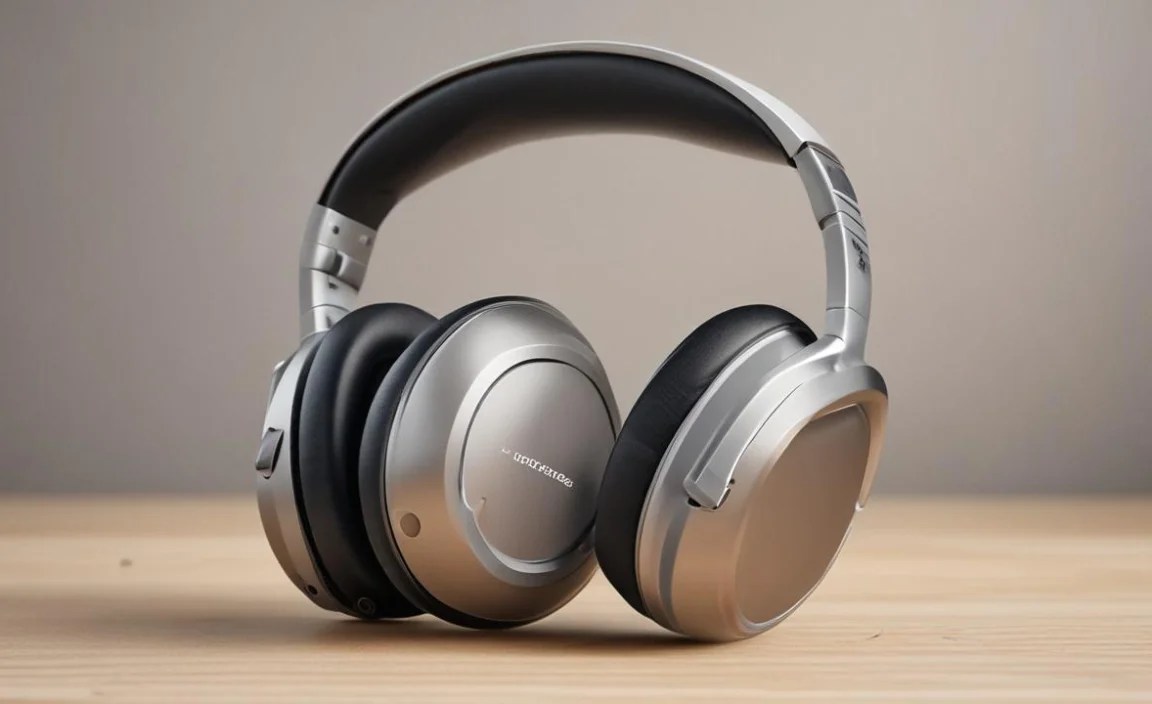
Even the best wireless NC headphones can sometimes act up. Here are solutions to common hiccups.
Issue 1: Headphones Won’t Connect to Bluetooth
- Check Power: Ensure headphones are charged and powered on.
- Check Pairing Mode: Make sure they are in pairing mode.
- Forget and Re-pair: On your device’s Bluetooth settings, “forget” the headphones and then try pairing again from scratch.
- Device Limit: Ensure your device isn’t already connected to the maximum number of Bluetooth devices allowed.
- Interference: Other wireless devices can sometimes interfere. Try moving away from other electronics.
- Reset Headphones: Consult your manual for instructions on how to factory reset your headphones. This often resolves persistent connectivity issues.
Issue 2: Poor or No Noise Cancellation
- Check ANC is On: Ensure Active Noise Cancellation is enabled in the app or via the headphone controls.
- Check Fit: A proper seal is crucial for ANC. Ensure the earcups fully cover your ears and the clamping force is sufficient.
- Transparency Mode: Make sure you haven’t accidentally switched to transparency or ambient sound mode.
- Firmware Update: An outdated firmware can affect ANC performance. Check for updates in the companion app.
- Damage: In rare cases, microphones for ANC could be obstructed or damaged.
Issue 3: Sound Quality Issues (No Bass, Muffled Sound)
- Check Source Audio: Ensure the audio file or streaming service isn’t low quality.
- EQ Settings: Use the companion app’s EQ to adjust the sound profile.
- App Updates: Ensure both the headphone firmware and the app are up-to-date.
- Wired vs. Wireless: Try connecting with a cable (if supported) to see if the issue persists. If the wired sound is good, it might be a Bluetooth codec or connection issue.
- Clean Earcups: A good seal is vital for bass. Ensure your earcups are clean and making good contact.
Issue 4: Battery Drains Too Quickly
- ANC Usage: ANC is a power drainer. Using it at maximum levels will reduce battery life.
- Volume Levels: Higher volumes consume more power.
- Bluetooth Version: Older Bluetooth versions can be less power-efficient.
- Keep Firmware Updated: Sometimes battery optimization improvements are released via firmware updates.
- Device Settings: Ensure features like automatic software updates or “always listening” voice assistants are managed if they seem to be excessive drainers.
For persistent issues, don’t hesitate to contact the manufacturer’s customer support or consult their online support resources. Sites like the Federal Communications Commission (FCC) offer general information on wireless device safety and regulations, which can sometimes touch upon common electronic device queries, though specific troubleshooting usually lies with the manufacturer.
