
Looking for excellent wireless over-ear headphones without breaking the bank? This guide highlights top picks under $100, focusing on comfort, sound quality, and essential features for everyday listening. Discover affordable options that deliver a great audio experience, perfect for music lovers, students, and professionals seeking value and performance.
Best Wireless Over Ear Headphones Under 100: Essential Picks

Welcome to headphonehorizon! I’m Edward Cavitt, your go-to guide for making sense of the sometimes-overwhelming world of headphones and audio gear. Today, we’re diving into a very popular and practical topic: finding awesome wireless over-ear headphones that won’t cost you an arm and a leg.
It’s absolutely possible to get fantastic sound, comfy earcups, and all the convenience of wireless technology for under $100. Whether you’re a student needing focus for studies, a professional tuning into important calls, or just a music enthusiast who wants to enjoy your favorite tracks without tangled wires, this guide is for you. Let’s explore some of the best options that offer great value and performance!
Why Choose Wireless Over Ear Headphones?

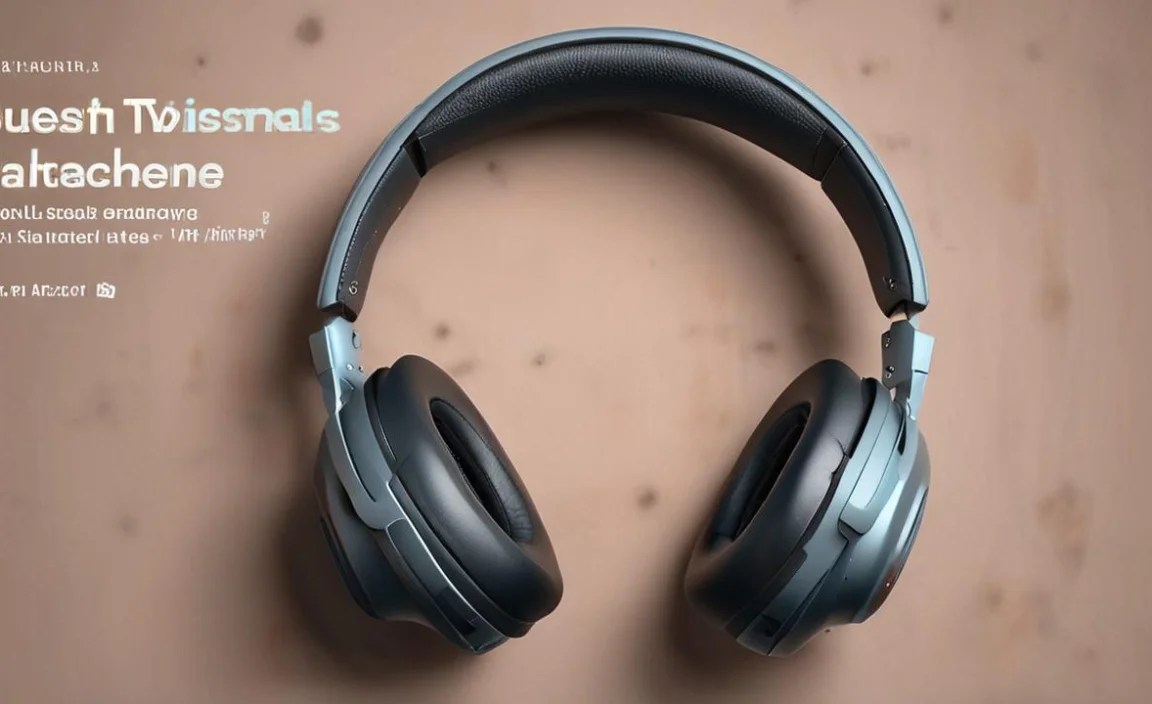
Wireless over-ear headphones have become incredibly popular, and for good reason! They offer a fantastic immersive listening experience by enveloping your ears, providing both comfort and excellent sound isolation. The “over-ear” design means the earcups sit completely around your ears, rather than on them, which is generally more comfortable for longer listening sessions. Adding wireless technology to this design means you get all the benefits of a great fit and sound without the hassle of cords getting in the way. This is perfect for everything from commuting and exercising to simply relaxing at home. Plus, with many great options available under $100, you don’t need to spend a fortune to enjoy these advantages.
What to Look For in Budget Wireless Over Ear Headphones

When you’re shopping for wireless over-ear headphones under $100, it’s easy to get lost in the specs. But don’t worry, we’ll break down the key features that truly matter:
- Sound Quality: This is paramount! Look for headphones that offer a balanced sound profile. Some might emphasize bass, others clarity. For general listening, a balanced sound is usually best. Read reviews that talk about highs, mids, and lows to get a sense of the audio signature.
- Comfort and Fit: Over-ear headphones should feel good, even after hours of wear. Pay attention to earcup padding, headband adjustability, and overall weight. A snug but not too tight fit is ideal for both comfort and passive noise isolation.
- Battery Life: Wireless headphones need charging. For everyday use, aim for at least 20-30 hours of playback on a single charge. This will cover most people’s needs for several days.
- Bluetooth Connectivity: Look for reliable Bluetooth versions (like 5.0 or higher) for a stable connection with minimal dropouts. Also, check if they support multipoint pairing if you want to connect to two devices simultaneously.
- Build Quality and Durability: Even at a lower price point, you want headphones that feel sturdy and are built to last. Check reviews for comments on the materials used and how well they hold up to daily use.
- Controls and Features: Easy-to-use on-ear controls for playback, volume, and calls are essential. Some models might include extra features like active noise cancellation (ANC) or a transparency mode, though these are less common and often less effective in this price range.
Essential Picks: Best Wireless Over Ear Headphones Under 100

After much research and considering what everyday users value most, here are some of the best wireless over-ear headphones you can snag for under $100. These picks aim to balance cost with performance, comfort, and reliability.
Option 1: The Balanced All-Rounder
Often, brands like Anker (Soundcore) and Mifine or Jabra offer fantastic value. These headphones typically deliver a satisfying audio experience with a good amount of bass, clear mids, and decent treble. They are usually designed for comfort with plush earcups and an adjustable headband, making them suitable for long listening sessions. Battery life is frequently a strong suit, often exceeding 30 hours, and Bluetooth connectivity is generally stable.
Key Features:
- Balanced sound profile
- Comfortable, padded earcups
- Excellent battery life (often 30+ hours)
- Reliable Bluetooth connectivity
- Integrated controls
Pros:
- Great value for money
- Good for a variety of music genres
- Comfortable for extended wear
- Long playtime
Cons:
- May lack advanced features like high-end ANC
- Soundstage might not be as wide as premium models
Option 2: The Bass-Focused Performer
If you love listening to genres like hip-hop, EDM, or electronic music, you might prefer headphones that offer a more pronounced bass response. Brands like Skullcandy or certain models from Pioneer sometimes fit this bill. These headphones often come with a more dynamic sound signature that can make basslines pop and kick drums rumble. While they might sometimes slightly sacrifice some mid-range clarity for the sake of that powerful bass, they can be incredibly engaging for certain listeners. Comfort levels can vary, so checking reviews on earcup depth and material is a good idea.
Key Features:
- Enhanced bass response
- Dynamic and energetic sound
- Often stylish designs
- Decent battery life
Pros:
- Exciting sound for bass-heavy music
- Can be very affordable
- Good for younger audiences or those who like a punchy sound
Cons:
- Bass can sometimes overpower other frequencies
- May not be ideal for classical or acoustic music
- Comfort can be hit-or-miss depending on the model
Option 3: The Comfort Champion
For many, comfort is king, especially if you plan to wear headphones for long stretches. Look for models that emphasize soft, breathable earpads and a lightweight, ergonomic design. Brands like COWIN or occasionally some lesser-known but highly-rated brands on Amazon often focus on this. These headphones might not have the absolute best sound quality on the market, but they try to make up for it with a supremely comfortable fit. Battery life is usually quite good, and Bluetooth connectivity is standard. The sound is often tuned to be pleasant and non-fatiguing, which is great for podcasts or background music.
Key Features:
- Extremely soft and comfortable earcups
- Lightweight construction
- Ergonomic design for long wear
- Good battery life
- Pleasant, non-fatiguing sound
Pros:
- Ideal for long listening sessions or travel
- Gentle on the ears
- Often very affordable
- Good for spoken word content
Cons:
- Sound quality might be less detailed or engaging
- Bass response may be less pronounced
- Build materials might feel less premium
Comparing Features: A Quick Glance
To help you visualize the differences, here’s a table comparing some of the typical strengths you might find in headphones within these categories, all under $100:
| Feature | Balanced All-Rounder | Bass-Focused Performer | Comfort Champion |
|---|---|---|---|
| Sound Signature | Even, clear, versatile | Strong bass, energetic | Smooth, relaxed, less pronounced |
| Comfort | Very good, balanced | Good, but can vary | Excellent, often prioritised |
| Battery Life (Typical) | 30+ hours | 25-30 hours | 25-40 hours |
| Best For | General listening, multi-genre music, calls | EDM, hip-hop, gaming, energetic music | Long flights, study sessions, podcasts, casual listening |
| Potential Drawbacks | Good, but not audiophile-grade | Bass can overwhelm | Less exciting sound for some |
A Step-by-Step Guide to Buying Your Perfect Pair
Ready to find your ideal headphones? Follow these simple steps:
- Define Your Priority: What matters most to you? Is it deep bass, all-day comfort, or a balanced sound? Pinpointing this will narrow down your choices significantly.
- Read Recent Reviews: Once you have a few models in mind, search for recent reviews. Look for feedback on sound quality, comfort, battery life, and Bluetooth stability. Websites like Rtings.com (though they focus on higher-end gear, their methodology is informative) or even detailed Amazon reviews can be invaluable. For understanding audio concepts, sites like the Audio Engineering Society offer deep dives, but for beginner advice, stick to user-focused reviews.
- Check for Bluetooth Version: Aim for Bluetooth 5.0 or higher for better range and power efficiency.
- Look at Earcup Design: Ensure the earcups are described as “over-ear” and “plush” or “soft” if comfort is a big factor.
- Verify Battery Life: Make sure the advertised battery life meets your typical usage needs. A quick charge feature can also be a lifesaver.
- Consider Warranty and Returns: Especially with budget electronics, a good warranty or a clear return policy from the seller provides peace of mind.
Understanding Key Features for Beginners
Let’s demystify some terms you might encounter:
- Bluetooth Codecs: Think of codecs like languages that your device and headphones speak. Common ones include SBC (widely compatible, basic quality), AAC (better quality, common on Apple devices), and aptX (good quality, lower latency, common on Android). For under $100, AAC or aptX are great to see, but SBC is perfectly functional.
- Frequency Response: This describes the range of sounds a headphone can produce, from low bass to high treble. A wider range (e.g., 20Hz – 20kHz, which is the typical human hearing range) is generally better, but the quality of sound across that range is more important than just the numbers.
- Impedance and Sensitivity: These are more technical terms. For wireless headphones, you generally don’t need to worry too much about them, as they are designed to work with your devices straight out of the box without needing a separate amplifier.
- Passive vs. Active Noise Cancellation (ANC): Passive noise cancellation is what you get from good earcups physically blocking out noise. Active Noise Cancellation uses microphones to produce opposing sound waves to cancel out ambient noise. ANC is rare and usually not very effective at this price point, but passive isolation from a good over-ear fit is usually quite good.
Maintaining Your Headphones for Longevity
To get the most out of your investment, a little maintenance goes a long way. Here’s how to keep your budget-friendly headphones in top shape:
- Regular Cleaning: Wipe down the earcups and headband with a slightly damp, soft cloth. For stubborn dirt, a tiny amount of mild soap can be used, but ensure the cloth is not too wet. Avoid harsh chemicals. For the speaker grilles, a dry brush or a can of compressed air can gently dislodge dust.
- Proper Storage: When not in use, store your headphones in a cool, dry place. If they came with a case or pouch, use it! This protects them from dust and accidental damage. Avoid leaving them in direct sunlight or extreme temperatures, which can degrade materials.
- Careful Handling: Avoid yanking on the cables (if any are used for charging or wired listening); always hold the connector. Don’t forcefully bend or twist the headband.
- Battery Health: While modern lithium-ion batteries are quite resilient, avoid completely draining the battery too often. Charging them when they are around 20-30% and unplugging them when fully charged should help maintain long-term battery health.
Frequently Asked Questions (FAQ)
1. Can I really get good sound quality from headphones under $100?
Absolutely! While the absolute best audio fidelity often comes with higher price tags, many brands offer excellent sound quality for the price. You can expect clear audio, decent bass, and an engaging listening experience that’s perfect for everyday use. The key is to research models known for their sound performance within this bracket.
2. Are over-ear headphones comfortable for long periods?
Generally, yes! Over-ear headphones are designed to sit around your ears, distributing pressure more evenly than on-ear models. Look for features like plush, memory foam earcups and an adjustable, padded headband for maximum comfort during extended listening sessions.
3. How important is Bluetooth version?
Bluetooth version matters for connection stability, power efficiency, and audio quality. While older versions work, Bluetooth 5.0 or higher (like 5.1, 5.2, or 5.3) is preferable. It offers a more stable connection, better range, reduced power consumption, and often supports improved audio codecs for better sound. Fortunately, many headphones under $100 now feature Bluetooth 5.0 or newer.
4. Do these headphones have Active Noise Cancellation (ANC)?
Active Noise Cancellation is a feature that uses electronics to cancel out external noise. While it’s becoming more common, high-quality ANC is typically found in more expensive headphones (often $150+). Some headphones under $100 might advertise “noise cancelling,” but it’s usually referring to passive noise isolation provided by the earcups themselves. This can still be very effective at blocking out low-level ambient sounds.
5. How long should I expect the battery to last?
For wireless over-ear headphones in this price range, you can realistically expect anywhere from 20 to 40 hours of playback on a single charge. Many popular models comfortably hit the 30-hour mark or higher, which is more than enough for several days of regular use. Always check the product specifications for exact figures.
6. Can I use these headphones for phone calls?
Most wireless over-ear headphones include an integrated microphone for taking phone calls. The quality of the microphone can vary. For models known for a balanced all-around performance, call quality is usually quite decent for casual conversations. If crystal-clear calls are a top priority, look for reviews specifically mentioning microphone performance.
7. What if my headphones break? Should I get an extended warranty?
While it’s always a good idea to check the manufacturer’s warranty (often 1 year), an extended warranty for budget headphones might not always be cost-effective. Instead, focus on choosing reputable brands known for reliability and maintaining your headphones well. If a product has a clear and easy return policy from the retailer, that can also provide peace of mind.
Conclusion
Finding the best wireless over-ear headphones under $100 is entirely achievable. By focusing on what truly matters – balanced sound, comfortable fit, reliable battery life, and stable connectivity – you can discover incredible value. Whether you prioritize booming bass for your workouts, crystal-clear audio for podcasts, or simply a comfortable pair for long study sessions or commutes, there’s a headphone out there for you. Remember to read reviews, consider your personal listening habits, and don’t be afraid to explore brands that offer great bang for your buck. Enjoy your music, your podcasts, and your calls with the freedom and comfort that a great pair of wireless over-ear headphones can bring!
