
Quick Summary: Discover the top wireless sport headphones that stay put during workouts. This guide breaks down key features like fit, water resistance, and battery life, helping you find the perfect audio companion for your fitness journey.
Best Wireless Sport Headphones: Your Proven Workout Essential

Tired of your earbuds falling out mid-squat or your headphones tangling you up when you’re trying to hit that personal best? You’re not alone! Finding the right audio gear for your workouts can feel like a mini-marathon in itself. But don’t sweat it! Wireless sport headphones are here to liberate your workouts, offering freedom from wires and a secure fit that keeps up with your every move. Whether you’re a casual jogger, a gym enthusiast, or a performance athlete, the right pair can transform your exercise routine from mundane to motivating. Let’s dive into what makes a pair of wireless sport headphones truly “the best” and how to pick the perfect set for you.
Why Wireless Sport Headphones Are a Game-Changer for Your Fitness

The benefits of going wireless during your workouts are pretty clear, but let’s break it down just in case. Firstly, and most obviously, is the freedom from cords. No more struggling with tangled wires that catch on equipment, pull your earbuds out, or generally get in your way. This alone makes a massive difference in comfort and focus. Beyond that, modern wireless sport headphones are built with durability and security in mind. They’re designed to withstand sweat, rain, and the rigors of intense physical activity, ensuring they’re a reliable part of your fitness arsenal.
According to the American Heart Association, listening to music during exercise can help increase endurance and reduce perceived exertion. This means you can potentially push harder and longer when you’ve got your favorite tunes pumping through good quality headphones.
Key Features to Look For in the Best Wireless Sport Headphones

When you’re about to invest in a new pair of headphones for your active lifestyle, there are a few crucial features to keep your eyes on. These aren’t just fancy buzzwords; they’re the elements that will make or break your experience during a workout. Understanding these will help you cut through the noise and make an informed decision.
1. Secure and Comfortable Fit
This is arguably the most important factor for sport headphones. You don’t want to be constantly pushing them back into place or worrying if they’ll fall out when you lunge or jump. Look for headphones that offer different ear tip sizes, wingtips (small fins that help secure the earbud in your ear), or even over-ear hooks. The material should also be comfortable for long wear, especially if you’re performing endurance activities.
2. Sweat and Water Resistance (IP Rating)
Sweat and outdoor elements are the enemies of electronics. For sport headphones, a good sweat and water resistance rating is non-negotiable. This is usually indicated by an IP rating (Ingress Protection). For workouts, look for a rating of at least IPX4, which means they can handle splashes of water from any direction. Higher ratings, like IPX5, IPX6, or even IPX7, offer even greater protection against water jets and submersion, which is great if you train in heavy rain or want extra peace of mind.
Here’s a quick breakdown of what IP ratings mean for your headphones:
| IP Rating | Protection Against | Suitability for Sports |
|---|---|---|
| IPX4 | Splashing water | Good (Handles sweat and light rain) |
| IPX5 | Water jets | Very Good (Handles sweat and moderate rain) |
| IPX6 | Powerful water jets | Excellent (Handles heavy rain and intense sweat) |
| IPX7 | Temporary immersion (up to 1 meter for 30 mins) | Superior (Can handle extreme conditions, including full submersion if needed) |
3. Battery Life
A dead battery is the ultimate workout buzzkill. Think about how long your typical workout sessions are and how often you’re willing to charge. Most sport headphones offer anywhere from 4-8 hours of playback on a single charge, with charging cases providing multiple additional charges. Some high-end models can go even longer. Quick charging is also a handy feature – a few minutes of charging can give you an hour or two of playback when you’re in a hurry.
4. Sound Quality
While durability and fit are paramount for sports, you still want your music to sound good! Look for headphones that offer clear audio with a decent bass response to give your workouts some energy. Many sport headphones are tuned to deliver a more dynamic sound profile that cuts through ambient noise at the gym or on busy streets.
5. Durability and Build Quality
Beyond water resistance, consider the overall build. Are the materials robust? Will they withstand being tossed in a gym bag? Sport headphones are often made with tougher plastics and reinforced joints to handle the demands of an active lifestyle.
6. Connectivity and Controls
Stable Bluetooth connectivity is essential. You don’t want your music cutting out because of signal drops. Easy-to-access, intuitive controls are also a big plus. Being able to adjust volume, skip tracks, or answer calls without fumbling for your phone makes a huge difference mid-workout. Some headphones also feature voice assistant integration.
7. Noise Isolation vs. Awareness
This is a crucial safety consideration.
- Noise Isolation: This is when headphones physically block out external sounds, creating an immersive listening experience. Great for loud gyms, but can be dangerous for outdoor runners who need to hear traffic.
- Awareness Modes (Transparency Mode): Many sport headphones offer a feature that allows ambient sound to pass through, so you can hear your surroundings. This is critical for safety when running or cycling near roads. Some headphones allow you to customize how much ambient sound you hear.
Types of Wireless Sport Headphones
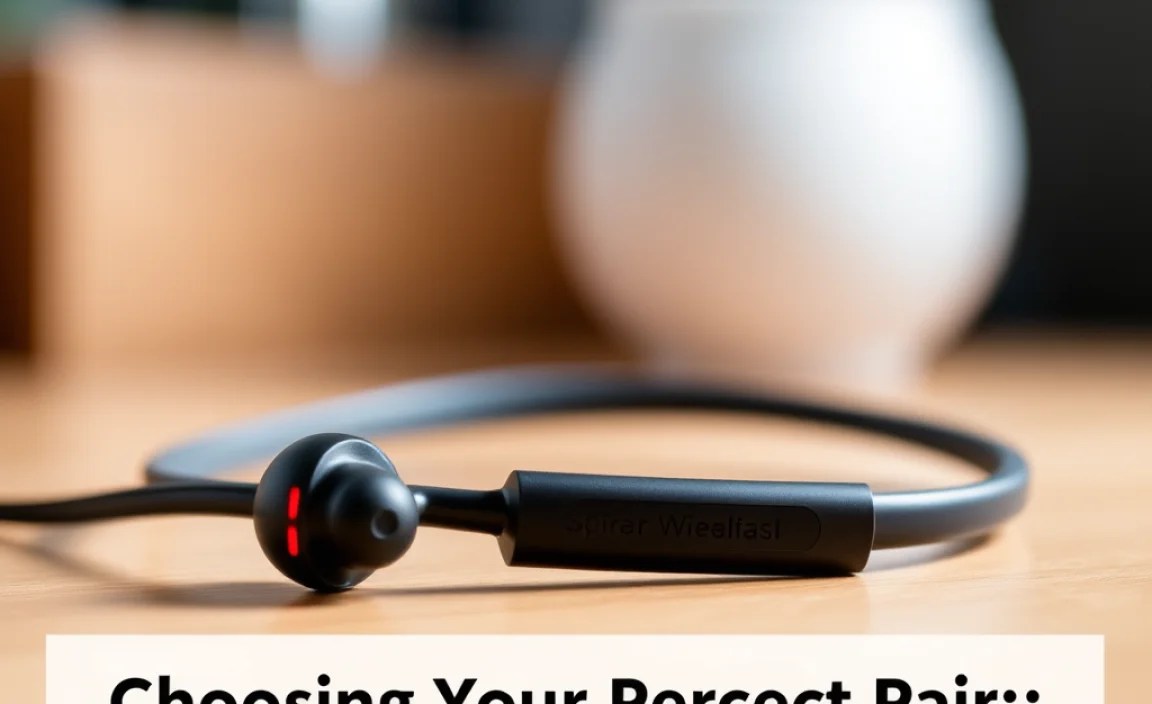
The world of wireless sport headphones isn’t one-size-fits-all. Different designs cater to different preferences and activities. Here are the most common types you’ll encounter:
True Wireless Earbuds
These are completely wire-free, with each earbud being a separate unit. They’re incredibly popular for their compact size and the absolute freedom of movement they offer. They usually come with a portable charging case. When choosing true wireless earbuds for sports, pay extra attention to their secure fit features like wingtips.
Wireless Neckband Earbuds
These have two earbuds connected by a flexible band that rests around your neck. While not fully wire-free, this design offers a few advantages: the neckband often houses the battery and controls, which can make them lighter in your ears, and the band helps keep them from getting lost if they do fall out. They can also offer longer battery life.
Wireless On-Ear/Over-Ear Headphones
While less common for intense sports due to potential bulk and sweat accumulation, some people prefer the immersive sound and secure fit of over-ear designs. Look for sport-specific models that are lightweight, have sweat-wicking ear pads, and a secure headband that won’t slip.
Choosing Your Perfect Pair: A Step-by-Step Guide
Ready to find your ideal audio partner for workouts? Follow these simple steps to make sure you’re choosing the best wireless sport headphones for your needs.
Step 1: Assess Your Activity Level and Environment
- Consider your primary activities: Are you lifting weights, running marathons, cycling, or doing yoga? High-impact activities require a more secure fit.
- Think about where you exercise: Do you run outdoors in traffic (need awareness mode)? Do you swim (need high water resistance)? Or do you stick to a gym with ambient noise (noise isolation might be preferable)?
Step 2: Prioritize Fit and Comfort
- Read reviews specifically mentioning fit during exercise. Look for terms like “stays in place,” “secure,” or “comfortable for long workouts.”
- If possible, try on headphones or check return policies. Ensure they come with multiple ear tip sizes and potentially stabilizing fins or hooks.
Step 3: Check the IP Rating
- For most general sports, IPX4 is the minimum. Aim for IPX5 or higher for peace of mind, especially if you sweat a lot or exercise in variable weather.
- If you’re a swimmer, you’ll need specialized waterproof headphones (often rated IPX7 or higher and designed for submersion).
Step 4: Evaluate Battery Life Needs
- Calculate your longest typical workout duration.
- Add a buffer for longer sessions, travel, or forgetting to charge. Aim for headphones that offer at least 1-2 hours more playback than your longest planned use.
- Consider the charging case capacity for true wireless earbuds. How many full charges does it provide?
Step 5: Consider Sound Preferences and Features
- Read reviews on sound quality. Do you prefer a booming bass for cardio, or clearer mids and highs for podcasts?
- Decide on noise isolation vs. awareness modes. This is a crucial safety feature for outdoor activities. Check if the headphones offer adjustable transparency settings.
- Look for convenient controls (physical buttons are often better than touch controls when sweaty) and reliable Bluetooth connectivity (check for latest Bluetooth versions like 5.0+ for better range and stability).
Step 6: Set Your Budget
- Wireless sport headphones range from budget-friendly to premium. Determine how much you’re willing to spend.
- Remember that sometimes investing a little more upfront can lead to better durability, comfort, and features that last longer.
Popular Features and Technologies to Know
The headphone market is always evolving with new tech. Here are some terms you might encounter that can enhance your sport headphone experience:
Active Noise Cancellation (ANC)
While great for commutes, ANC isn’t always ideal for sports, especially outdoor ones, as it can block out important sounds. However, some sport headphones offer ANC with an ambient sound mode that can be activated when needed. For gym-goers looking to drown out clatter, ANC can be a bonus.
Transparency Mode / Ambient Sound
As mentioned, this is a vital safety feature. It uses external microphones to allow you to hear your surroundings without taking your headphones off. The ability to adjust the level of ambient sound is a great feature for versatility.
Quick Charge
A lifesaver when you’re short on time. A quick 5-10 minute charge can give you an hour or more of playback time.
Voice Assistant Integration
Whether it’s Siri, Google Assistant, or Alexa, having quick access to your voice assistant can be handy for controlling music, getting directions, or sending quick messages without breaking your stride.
Companion Apps
Many brands offer mobile apps that allow you to customize EQ settings, update firmware, manage ANC levels, remap controls, and more. These apps can significantly enhance the user experience.
Multipoint Connectivity
This allows your headphones to be connected to two devices simultaneously (e.g., your phone and your laptop). You can seamlessly switch between listening to music on your laptop and taking a call on your phone, making them great for work-life integration.
Tips for Maintaining Your Wireless Sport Headphones
To ensure your best wireless sport headphones go the distance, a little bit of care goes a long way. Headphones designed for sports are often rugged, but proper maintenance will extend their lifespan and maintain their performance.
