
Quick Summary:
Finding the best workout headphones means focusing on a secure fit, sweat resistance, and sound quality that fuels your fitness. This guide breaks down what to look for, from earbud styles to features like active noise cancellation, helping you pick the perfect audio companion for any exercise.
The Best Workout Headphones: Your Essential Gear for Every Sweat Session
Hey there, fitness enthusiasts and music lovers! Edward Cavitt here from headphonehorizon. We all know how a great playlist can turn a tough workout into an energized escape. But what if your headphones can’t keep up? Slipping earbuds, dead batteries, or muffled sound can be a real buzzkill. That’s where the right workout headphones come in – they’re not just an accessory; they’re essential gear. If you’ve ever stared blankly at rows of headphones, wondering which ones will survive your gym sessions without falling out or getting ruined by sweat, you’re in the right place! We’re going to cut through the jargon and get you sorted with the best workout headphones out there.
Why the Right Workout Headphones Matter

It’s more than just about the music. The best workout headphones are designed with your active lifestyle in mind. They need to be comfortable enough to forget you’re wearing them, secure enough to stay put during high-impact movements, and durable enough to withstand sweat and the occasional splash. When you have headphones that tick these boxes, your focus shifts from struggling with your gear to crushing your fitness goals. Think about it: no more stopping to readjust, no more worrying about wires snagging, and no more apathetic music. Just pure, unadulterated workout motivation.
Key Features to Look for in Workout Headphones

Let’s dive into what makes a pair of headphones “workout-ready.” These aren’t just random features; they’re critical for performance and comfort during physical activity.
1. Fit and Comfort: The Foundation of Your Audio Experience
This is hands down the most important factor. If your headphones don’t fit well, they’ll be a constant distraction. For workouts, this means thinking about how they stay in your ears or on your head.
- Earbuds (In-Ear): These are popular for their compact size and portability. Look for earbuds that come with multiple ear tip sizes and styles (e.g., silicone tips, wingtips, or ear hooks).
- On-Ear Headphones: These rest on your ears. They can be comfortable for some, but might shift more during intense activity and can sometimes cause ears to get hot.
- Over-Ear Headphones: While offering excellent sound and comfort for daily use, over-ear headphones can be bulky and might trap heat during workouts, making them less ideal for most strenuous activities.
Pro Tip: For earbuds, wingtips or ear hooks are game-changers for secure fit, especially during running or jumping. They provide an extra anchor point to keep the earbuds from falling out.
2. Sweat and Water Resistance: Your Durability Shield
Sweat is a given during a workout, and sometimes you might get caught in the rain. Your headphones need to handle this. Look for an IP (Ingress Protection) rating.
This rating consists of two numbers:
- The first digit indicates protection against solid objects (like dust).
- The second digit indicates protection against liquids (like water).
For workout headphones, a rating of IPX4 is generally the minimum you should aim for. This means they are protected against splashes of water from any direction. Higher ratings, like IPX5 or IPX7, offer even better protection against water jets or even submersion, making them ideal for very intense workouts or outdoor activities where getting soaked is a possibility.
You can learn more about these ratings on consumer electronics standards websites, like the one managed by the International Electrotechnical Commission (IEC).
3. Wireless Connectivity: Freedom of Movement
Wires can be a major annoyance during exercise. They can get tangled, snagged, or restrict your movement. Bluetooth connectivity is the standard for a reason.
- True Wireless Earbuds: These offer the ultimate freedom with no wires at all. Each earbud is independent.
- Wireless Neckband Earbuds: These have earbuds connected by a wire that rests around your neck, often with controls and a battery pack. They can be great for preventing loss and sometimes offer longer battery life or quicker charging.
- Wireless On-Ear/Over-Ear Headphones: These offer the convenience of no wires while providing the form factor of traditional headphones.
When choosing wireless, consider Bluetooth version (newer versions offer better stability and efficiency) and latency (how long it takes for the audio to sync with video, if that’s a concern).
4. Battery Life: Powering Through Your Routine
Nothing kills a workout vibe faster than your headphones dying mid-session. Check the manufacturer’s claims for:
- Playback Time: How long the headphones last on a single charge. Aim for at least 5-6 hours for most workout needs, though some people prefer much more.
- Charging Case Battery: For true wireless earbuds, the charging case provides extra charges on the go. More charges mean less reliance on a power outlet.
- Quick Charge Feature: This is a lifesaver. A few minutes of charging can give you an hour or more of playback.
5. Sound Quality: The Motivation Engine
While durability and fit are paramount, you still want your music to sound great! For workouts, many people prefer a sound profile that emphasizes bass and drums to keep the energy high. However, if clarity for podcasts or audiobooks is important, look for a more balanced sound. Many workout headphones offer a punchy, energetic sound signature.
6. Active Noise Cancellation (ANC) vs. Awareness Modes
Active Noise Cancellation (ANC) is fantastic for drowning out gym music or commute noise, letting you immerse yourself in your workout. However, for outdoor activities where situational awareness is crucial for safety, ANC can be a hazard.
This is where Awareness Modes (sometimes called Transparency Mode or Ambient Sound) come in handy. These modes use external microphones to pipe in outside sounds, allowing you to hear traffic, warnings, or your surroundings without removing your headphones. This is a must-have for runners or cyclists who train outdoors.
Types of Workout Headphones: Finding Your Perfect Match

Let’s break down the most common types and who they’re best suited for.
True Wireless Earbuds
These are the small, completely wire-free earbuds that have exploded in popularity. They are incredibly convenient and discreet.
- Pros: Ultimate freedom of movement, very compact and portable, no tangling wires, often come with a charging case for extended battery life.
- Cons: Can be easier to lose if not stored properly, battery life per charge might be shorter than neckbands, fit can be finicky for some ear shapes.
- Best for: Gym-goers, runners, HIIT enthusiasts, anyone who hates wires and prioritizes convenience.
Wireless Neckband Earbuds
A bridge between wired and true wireless, these earbuds are connected by a flexible band that sits around your neck. The earbuds themselves usually tuck into the band when not in use.
- Pros: Less likely to be lost due to the neckband, often longer battery life than true wireless earbuds, a secure option for active users, easy to pause and control.
- Cons: The neckband can sometimes be felt or move around, not as sleek or discreet as true wireless.
- Best for: People who worry about losing earbuds, those who prefer a bit more physical feedback for controls, and users seeking longer continuous playback.
Wireless Sport/Athletic Headphones
These are headphones specifically designed with exercise in mind, often incorporating features like ear hooks, water resistance, and secure fit. They can be in-ear, neckband style, or even lightweight on-ear.
- Pros: Built for durability and secure fit during intense activities, excellent sweat resistance, often include awareness modes for outdoor safety.
- Cons: May compromise slightly on audiophile-grade sound for ruggedness, aesthetics can be more functional than fashionable.
- Best for: Serious athletes, outdoor adventurers, and anyone pushing their limits in various conditions.
Traditional Wireless Headphones (On-Ear/Over-Ear)
While not always the first choice for intense activity, some people prefer the familiar feel of over-ear or on-ear headphones.
- Pros: Can offer superior sound quality and comfort for longer listening sessions, good battery life.
- Cons: Can be bulky, may cause ears to overheat, less secure during vigorous movement, sweat resistance can be an issue with earcups.
- Best for: Lighter workouts like weightlifting or yoga, or for those who prioritize immersive sound over absolute freedom of movement.
Top Picks: The Best Workout Headphones in 2024
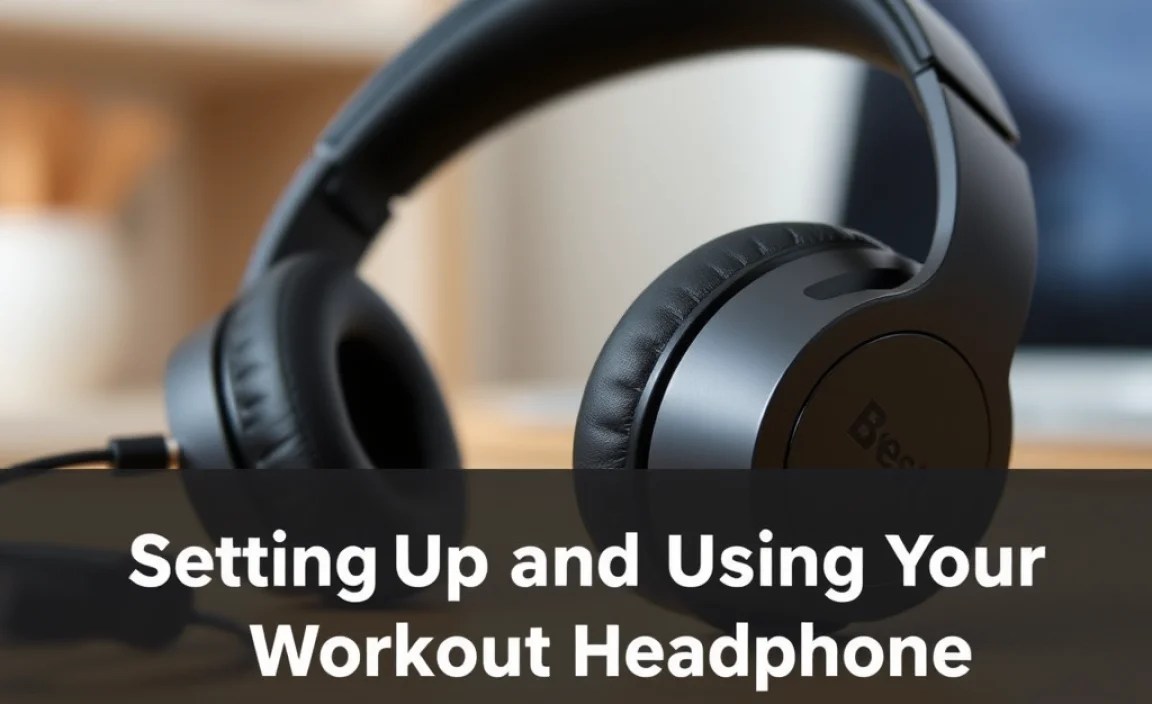
Choosing the absolute best workout headphone can depend on personal preference and budget. However, here are some consistently well-regarded models that fit different needs:
| Headphone Model | Type | Key Features | Best For |
|---|---|---|---|
| Jabra Elite 7 Active | True Wireless Earbuds | ShakeGrip™ technology for secure fit, high IP57 water/sweat proofing, good ANC, balanced sound. | All-around fitness, running, gym. |
| Bose Sport Earbuds | True Wireless Earbuds | Secure StayHear™ Max tips, IPX4 water-resistant, clear sound, comfortable for long wear. | Running, gym, general active use. |
| Apple AirPods Pro (2nd Gen) | True Wireless Earbuds | Excellent ANC and Transparency Mode, secure fit with silicone tips, great for Apple users. | Integrated Apple ecosystem users, indoor workouts, general use. |
| Jaybird Vista 2 | True Wireless Earbuds | Rugged build, IP68 waterproofing, secure FitFin™ design, athletic EQ settings. | Extreme workouts, trail running, outdoor sports. |
| Anker Soundcore Liberty 4 NC | True Wireless Earbuds | Excellent value for money, strong ANC, long battery life, customisable EQ. | Budget-conscious fitness enthusiasts, gym, commuting. |
Note: Availability and specific features may vary. Always check the latest product specifications.
Setting Up and Using Your Workout Headphones
Once you’ve got your hands on a new pair, here’s a quick guide to getting them ready for action.
1. Charging Your Headphones
Most wireless headphones come with a partial charge, but it’s always a good idea to fully charge them before your first workout.
- Connect the charging cable (usually USB-C) to the charging case or headphones.
- Plug the other end into a power source (wall adapter, computer, power bank).
- Follow the indicator lights to know when charging is complete. True wireless earbuds usually charge inside their case.
2. Pairing with Your Device
This is how your headphones connect to your phone, smartwatch, or tablet via Bluetooth.
- Turn on your headphones: This usually involves pressing and holding a button or simply opening the charging case for true wireless models.
- Enter pairing mode: Your headphones will typically go into pairing mode automatically on first use. If not, there’s usually a specific button press (check your manual!) to activate it. You’ll often see a flashing light.
- Enable Bluetooth on your device: Go to your device’s Bluetooth settings.
- Select your headphones: Your headphones should appear in the list of available devices. Tap on their name to connect.
- Confirm connection: You might hear a confirmation sound, or your device will show them as connected.
Once paired, most headphones will automatically reconnect to your device the next time you turn them on and have Bluetooth enabled.
3. Customizing the Fit
Especially for earbuds, taking a moment to get the fit right makes a huge difference.
- Try different ear tip sizes: Most come with S, M, and L sizes. Find the ones that create a snug seal without being uncomfortable.
- Use ear hooks or wingtips: If provided, attach them securely. They should gently grip the inside of your ear.
- Test the seal: Gently pull on an earbud – it should feel resistant. You should also notice a reduction in ambient noise just from the seal.
4. Using Controls and App Features
Familiarize yourself with the controls: play/pause, skip tracks, volume adjustment, and activating voice assistants or ANC/Awareness modes. Many brands offer companion apps that allow you to:
- Customize button controls
- Adjust EQ settings for sound profiles
- Update firmware
- Manage ANC and Awareness modes
Spending a few minutes with the app can vastly improve your user experience.
Maintaining Your Workout Headphones
Proper care ensures your gear lasts and performs its best. Since workouts get sweaty, cleaning is key.
Cleaning Your Headphones
After each sweat session, a quick wipe-down is essential.
- Wipe down the earbuds/headphones: Use a soft, slightly damp (not wet!) microfiber cloth to gently wipe away sweat and grime from the exterior. For earbuds, pay attention to the speaker grilles.
- Clean ear tips and ear hooks: Remove ear tips and ear hooks. Wash them gently with mild soap and water, rinse thoroughly, and dry them completely before reattaching. This prevents earwax buildup and irritation.
- Charging contacts: For true wireless earbuds, ensure the charging contacts on both the earbuds and the case are clean and dry. A dry cotton swab is usually sufficient. Moisture or debris here can prevent charging.
- Avoid harsh chemicals: Never use alcohol, cleaning solvents, or abrasive materials, as they can damage the materials and electronics.
Storing Your Headphones
When not in use, store your headphones properly.
- Use the charging case: For true wireless earbuds, always keep them in their case when not in use. This protects them and keeps them charged.
- Keep them dry: Don’t leave them in a damp gym bag or anywhere with high humidity.
Battery Care
Modern lithium-ion batteries used in headphones are quite resilient, but avoiding extreme temperatures and not letting them sit completely dead for extended periods can help prolong their lifespan.
Troubleshooting Common Workout Headphone Issues
Even the best gear can sometimes act up. Here are solutions to common problems:
- No Sound: Ensure headphones are charged, paired, and connected. Check your device’s volume and make sure it’s not muted. Try restarting both the headphones and your device.
- One Earbud Not Working: Make sure both earbuds are charged. Try cleaning the charging contacts. For true wireless, attempt to “reset” them (check your manual – usually involves putting them back in the case and holding a button).
- Connection Dropping: Ensure your device and headphones are within range. Check for firmware updates. Interference from other Bluetooth devices or Wi-Fi can sometimes cause issues.
- Poor Fit/Falling Out: Revisit the ear tip and ear hook sizes. Ensure you’re wearing them correctly.
- Sweat Damage: Ensure your headphones have an appropriate IPX rating for your activity. If they are rated, clean them regularly. If they’ve been exposed to more moisture than their rating allows, they may be permanently damaged.
Frequently Asked Questions (FAQ)
Q1: Are true wireless earbuds the best for running?
For many runners, yes! True wireless earbuds offer the ultimate freedom from wires. The key is to find a pair with a really secure fit, often achieved with ear hooks or wingtips, and good sweat resistance (at least IPX4).
Q2: How important is the IPX rating for workout headphones?
It’s very important. An IPX4 rating means they can handle sweat and light splashes. If you sweat profusely or train outdoors in light rain, aim for IPX5 or higher. It’s your safeguard against damage from moisture.
Q3: Can I use my regular headphones for workouts?
You can, but they might not be ideal. Regular headphones often lack sweat resistance and may not have a secure enough fit for vigorous activity, leading to them falling out or even getting damaged. Sport-specific headphones are designed to overcome these challenges.</p
