
Quick Summary: Dive into swimming with your favorite tunes! This guide breaks down how Bluetooth bone conduction headphones work for swimmers, what to look for in a waterproof pair, and essential tips for a fantastic aquatic audio experience. Get ready for stress-free, splash-proof sound.
Bluetooth Bone Conduction Headphones for Swimming: Your Essential Guide
Hello, audio adventurers! Edward Cavitt here from Headphone Horizon. Have you ever wished you could enjoy your motivating playlists or that captivating podcast while gliding through the water? For years, the thought of taking your music into the pool or open water seemed like a recipe for disaster. But technology has a way of making the impossible possible! Enter Bluetooth bone conduction headphones. These innovative gadgets are changing the game for swimmers, offering a unique way to experience sound without blocking your ears. If you’re curious about taking your water workouts to the next level with some splash-proof tunes, you’re in the right place. Let’s dive in!
The Magic of Bone Conduction: How It Works in Water

Before we get to swimming, let’s quickly understand how bone conduction headphones are different. Instead of sending sound waves through the air and into your ear canal like traditional headphones, bone conduction tech uses vibrations. These vibrations travel through the bones of your skull, directly to your inner ear (cochlea). Pretty neat, right? This leaves your ear canal open. For swimmers, this open-ear design is a massive advantage. It means you can hear your music and your surroundings – think safety signals, other swimmers, or the lifeguard’s whistle. When you’re in the water, this open design is even more crucial for safety and awareness.
Why Waterproof Matters for Underwater Audio
Taking electronics into the water requires serious protection. Not all headphones are created equal when it comes to water resistance. For swimming, you need headphones specifically designed to handle submersion. This is where waterproof ratings come into play. These ratings, often indicated by an IP (Ingress Protection) code, tell you how well a device is protected against solids (like dust and sand) and liquids (water). For swimming, you’ll want to look for headphones with a high IP rating, typically IPX7 or higher. This signifies that they can withstand submersion in water up to a certain depth for a specific duration, making them suitable for your laps or dives.
Choosing the Right Bluetooth Bone Conduction Headphones for Swimming
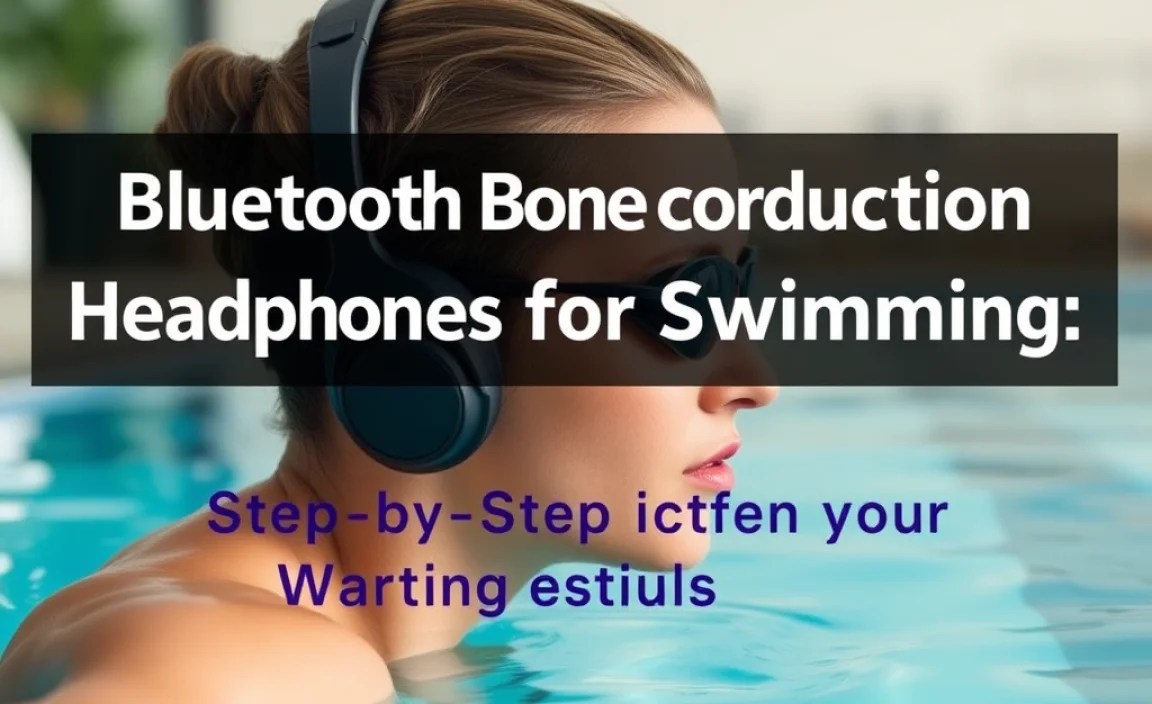
When you’re ready to buy, a few key features will make your swimming experience with bone conduction headphones truly enjoyable and safe. Let’s break down what to look for:
1. Waterproof Rating: The Non-Negotiable Feature
As mentioned, this is paramount. Look for an IPX7 rating or above. An IPX7 rating means the device can be immersed in water up to 1 meter (about 3 feet) for 30 minutes. Some higher-rated devices might offer even more protection, but IPX7 is generally sufficient for most swimming activities. Always check the manufacturer’s specifications for the exact depth and duration they deem safe for submersion.
2. Bluetooth Connectivity: Stable and Reliable
While bone conduction headphones themselves don’t need Bluetooth to transmit through bone, they do need it to receive audio from your device (phone, smartwatch, etc.). For swimming, a stable Bluetooth connection is vital. Water can interfere with Bluetooth signals, so look for headphones known for robust connectivity. Many waterproof headphones use Bluetooth 5.0 or higher, which offers better range and stability. Some advanced swimmers even pair their headphones with a waterproof smartwatch that’s loaded with music, eliminating the need for a phone nearby.
3. Secure and Comfortable Fit
You don’t want your headphones constantly slipping off or feeling uncomfortable during your swim. Bone conduction headphones typically have a wraparound band that sits behind your head and rests on your cheekbones. For swimming, ensure this band is snug but not too tight. They should feel secure enough to stay put even with the movement of your head in the water. Some models also come with optional earfins or adjustable straps for added security.
4. Battery Life: Enough for Your Longest Swims
Nothing kills the vibe faster than your headphones dying mid-swim. Check the advertised battery life. For most recreational swimmers, 6-8 hours of playback should be plenty. If you’re an endurance athlete or planning for long open-water swims, aim for models offering 10+ hours. Remember that battery life can be affected by volume levels and Bluetooth signal strength.
5. Sound Quality for the Environment
Let’s be honest, bone conduction sound quality isn’t the same as high-fidelity over-ear headphones. It’s a compromise for the open-ear design and waterproof capability. However, for swimming, the primary goal is usually to have music that can motivate you and drown out the noise of the water. Look for reviews that discuss clarity and bass response in noisy or wet environments. Some models offer enhanced bass modes that can make music more enjoyable.
6. Ease of Controls
You’ll want to be able to control your music (play, pause, skip tracks, adjust volume) without fumbling. Look for headphones with easy-to-locate and use buttons, even with wet hands. Some devices have more tactile buttons, while others use touch controls. Consider which you’d prefer.
Step-by-Step Guide: Getting Started with Your Waterproof Bone Conduction Headphones

Ready to make a splash? Here’s how to get your new waterproof bone conduction headphones ready for your swim:
-
Charge Them Up!
Before their first swim, give your headphones a full charge. Most devices come with a USB charging cable, and some waterproof models use magnetic charging ports to maintain their seal. Check the indicator light to confirm they’re fully charged.
-
Download Your Music or Podcasts
Since Bluetooth can be unreliable underwater, it’s best to have your audio content stored directly on a device that is also waterproof and has its own music player. Many dedicated waterproof MP3 players or certain waterproof smartwatches can store your music. Download your playlists, albums, or podcasts onto this device. If you’re relying on a phone, ensure it’s in a waterproof pouch or case, and keep it close to your headphones – ideally on your wrist or in a swim belt.
-
Pair with Your Device
Turn on your headphones and put them in pairing mode (this usually involves holding down a power or Bluetooth button). Then, on your music device (smartwatch, phone, MP3 player), go to Bluetooth settings and select your headphones from the list of available devices. Once paired, they should automatically connect whenever they’re both on and in range.
-
Test the Fit and Comfort
Put the headphones on and adjust them so they sit snugly on your cheekbones. Perform a few head movements (nodding, shaking your head gently) to ensure they feel secure. For added confidence, you might want to wear them for a few minutes out of the water to get used to the sensation and fit.
-
Prepare Your Swimming Gear
If you’re swimming at a pool, consider where you’ll keep your phone or music device. A waterproof armband, a swim belt with a dedicated pocket, or a secure waterproof pouch are good options. If using a smartwatch, ensure it’s charged and synced with your music.
-
Enter the Water and Enjoy!
Once you’re ready, put on your headphones. Start your music or podcast. Take a few moments to get used to the sound and the open-ear sensation while submerged. Remember to always stay aware of your surroundings!
Waterproof Ratings Explained: A Quick Reference
Understanding IP ratings is key to ensuring your headphones can handle the water. Here’s a simple breakdown of common ratings you might encounter, with a focus on those relevant for swimmers:
| IP Rating | Protection Against Solids | Protection Against Liquids | Relevance for Swimming |
|---|---|---|---|
| IPX4 | No protection | Splashing (any direction) | Not suitable for submersion. Good for sweat and light rain. |
| IPX5 | Dust protected (limited dust ingress) | Water jets (low pressure) | Not suitable for submersion. Better than IPX4 for accidental splashes. |
| IPX6 | Dust protected (limited dust ingress) | Powerful water jets | Not suitable for submersion. Can withstand high-pressure sprays. |
| IPX7 | Dust protected (limited dust ingress) | Immersion in water up to 1 meter for 30 minutes | Recommended for swimming. Can handle submersion. |
| IPX8 | Dust protected (limited dust ingress) | Continuous immersion in water (depth and time specified by manufacturer) | Excellent for swimming, especially for deeper or longer swims, according to manufacturer specs. |
For swimming, always aim for at least IPX7. If the manufacturer specifies a depth beyond 1 meter for IPX7, that’s even better! For any recreational swimmer, IPX7 provides a solid level of confidence.
Tips for the Best Underwater Audio Experience
Getting the most out of your waterproof bone conduction headphones while swimming involves a few best practices:
- Positioning is Key: Ensure the transducers (the parts that rest on your cheekbones) are making good contact. Adjust them slightly to find the sweet spot for the clearest sound.
- Keep Your Source Device Close: Water is a notorious signal killer. For the best Bluetooth performance, keep your music source (like a waterproof smartwatch or a phone in a waterproof pouch) as close to your headphones as possible. Many swimmers find wearing a waterproof armband or swim belt helpful.
- Manage Volume Wisely: While you want to hear your music, don’t crank the volume to maximum. This not only strains your ears but can also distort the sound. Start at a moderate level and adjust as needed. Remember, you’ll also be hearing your surroundings, which can help moderate the perceived loudness.
- Consider Water Temperature: Extreme cold or hot water can sometimes affect battery performance or Bluetooth signal strength, though modern devices are quite robust.
- Rinse After Swimming: Especially if you swim in chlorinated pools or saltwater, rinse your headphones with fresh water after each use. This helps prevent corrosion and damage to the seals and components. Gently wipe them dry with a soft cloth.
- Regularly Check for Damage: Before each swim, give your headphones a quick once-over. Look for any cracks, worn seals, or damage to the charging port. If you notice anything, err on the side of caution and avoid submerging them.
- Embrace the Open Ear: Remember the primary benefit: safety! Enjoy being able to hear the environment around you. It’s a different listening experience, and once you get used to it, many find it liberating and safer for workouts.
Potential Challenges and How to Overcome Them
While fantastic, bone conduction headphones for swimming aren’t without their quirks. Here’s what you might encounter and how to handle it:
- Bluetooth Signal Degradation: Water significantly impedes Bluetooth signals. This is why directly storing music on a waterproof device like a smartwatch is often a better choice than relying on a phone in a pouch further away. For the best results, keep your source within a meter of the headphones if possible.
- Sound Leakage: At higherVolumes, bone conduction headphones can sometimes leak sound, meaning people nearby might hear a faint whisper of your music. This is typically less of an issue in a noisy pool environment.
- Vibration Sensation: Bone conduction works by vibrating. Some people are more sensitive to this sensation than others. It usually takes a little getting used to, and most users find it becomes unnoticeable after a few uses.
- Bass Response: Due to the nature of the technology, the bass might not be as deep or punchy as with traditional headphones. However, many manufacturers are improving this, and for motivation during a swim, it’s usually more than adequate.
For more information on water safety with electronic devices, check out the FCC’s guide on water safety with electronics, which highlights general precautions when using devices around water.
Frequently Asked Questions (FAQ)
Q1: Can any Bluetooth headphones be used for swimming?
No, definitely not. Most standard Bluetooth headphones are not waterproof and will be damaged by submersion. You must use headphones specifically rated as waterproof, ideally with an IPX7 or higher rating, and designed for activities like swimming.
Q2: How do I listen to music if my phone/watch isn’t waterproof?
If your primary music source (phone, older MP3 player) isn’t waterproof, you can place it inside a high-quality, sealed waterproof pouch or case. Ensure the pouch is properly closed and tested for leaks before swimming. For the best experience, keep the pouch attached to your body (e.g., swim belt) to maintain proximity for the Bluetooth signal.
Q3: Will my Bluetooth signal work underwater?
Bluetooth signals are significantly weakened by water. While you might get a connection for a short while if your device is very close, it’s prone to dropping. It’s highly recommended to use devices with built-in water-resistant storage for music, like many smartwatches, and store the music directly there, enabling you to swim without a paired source device nearby.
Q4: How long will my waterproof bone conduction headphones last in the water?
Waterproof ratings like IPX7 mean they can withstand submersion up to 1 meter for 30 minutes. IPX8 ratings may allow for deeper submersion or longer durations as specified by the manufacturer. Always check the product’s specific rating and duration for safe use. For typical pool swimming, an IPX7 rating is generally sufficient.
Q5: Do bone conduction headphones sound good underwater?
Bone conduction sound quality is different from traditional headphones. Underwater, the sound can be muffled, and bass might be less pronounced due to the water’s density. However, for many swimmers, the ability to hear music clearly and stay aware of their surroundings outweighs the nuanced audio experience. Manufacturers are continually improving sound quality, so try to find reviews that specifically mention underwater performance.
Q6: What’s the best way to clean my headphones after swimming?
After each swim, especially in chlorinated or saltwater, rinse your headphones thoroughly with fresh, clean water. Gently wipe them dry with a soft, lint-free cloth. Avoid using harsh chemicals or submerging them in cleaning solutions. Ensure the charging port is completely dry before you charge them.
Conclusion
Bluetooth bone conduction headphones are a fantastic innovation for anyone looking to bring their audio entertainment into the water. By understanding what to look for – particularly the crucial waterproof ratings – and following these simple setup and usage tips, you can unlock a whole new dimension for your swimming workouts. Whether you’re training for a triathlon, enjoying a leisurely lap, or simply want to power through your water aerobics class with some energy, these headphones can be your perfect aquatic companion. Remember to prioritize safety by staying aware of your surroundings, and enjoy the freedom of music while you swim. Happy splashing and happy listening!
