
Bluetooth technology allows users to wirelessly connect their TVs to headphones, enhancing personal audio experiences without disturbing others. This solution is perfect for those who enjoy late-night viewing or need to concentrate on what they’re watching without external noise interruptions.
Connecting your TV to headphones via Bluetooth opens up a world of convenience and personalization. This technology allows viewers to enjoy their favorite shows and movies without disturbing others, making it a perfect solution for shared living environments. With the growing popularity of Bluetooth-enabled devices, understanding how to connect your TV to headphones wirelessly has become increasingly important for a seamless audio experience.
Key Takeaways
- Bluetooth connectivity enhances personal audio experiences.
- Seamless TV-to-headphone pairing reduces external noise interference.
- Perfect for late-night viewing without disturbing others.
- Offers flexibility and convenience in shared living spaces.
- Understanding setup is key for maximizing device compatibility.
What is bluetooth for tv to headphones?

Bluetooth technology facilitates wireless communication between devices, such as TVs and headphones. This feature allows users to enjoy audio from their TV through Bluetooth-enabled headphones, providing a private listening experience. Understanding how Bluetooth works and its application in this context can enhance your media consumption significantly.
Bluetooth Functionality
- Wireless Technology: Enables devices to communicate without physical connections.
- Compatibility: Most modern TVs and headphones support Bluetooth.
- Transmission Range: Generally effective within a range of about 30 feet.
- Minimal Latency: Bluetooth 5.0 and above reduces audio delay significantly.
Bluetooth allows for a seamless connection between TVs and headphones, facilitating a personal audio experience. The technology is straightforward to use once devices are paired, providing flexibility and convenience in audio consumption.
Why bluetooth for tv to headphones is Important?

The importance of Bluetooth connectivity between TVs and headphones cannot be overstated, especially in today’s fast-paced digital world. This connection enhances user experience by providing a private and immersive audio environment, crucial for specific scenarios and settings.
Benefits of Bluetooth TV-to-Headphone Connections
- Privacy: Ensures a personal listening experience without disturbing others.
- Convenience: Eliminates the need for cables and allows for movement.
- Flexibility: Compatible with various devices, enhancing media consumption.
- Enhanced Audio Quality: Reduces background noise and enhances clarity.
- Accessible Technology: Widely supported by modern devices, making it easy to implement.
These benefits illustrate why many are opting for Bluetooth connectivity for their audio needs. It’s a versatile solution that caters to modern living, providing both convenience and quality.
Step-by-Step Guide to bluetooth for tv to headphones

Step 1: Check Device Compatibility
- TV Bluetooth Support: Verify your TV has built-in Bluetooth capabilities.
- Headphone Compatibility: Ensure your headphones support Bluetooth connectivity.
- Device Manuals: Consult user manuals for specific Bluetooth instructions.
Confirming compatibility is essential before attempting to pair devices. This step prevents potential connectivity issues and ensures a smooth setup process.
Step 2: Enable Bluetooth on TV
- Settings Menu: Access the settings menu of your TV.
- Bluetooth Settings: Navigate to Bluetooth settings and toggle it on.
- Device List: Ensure your TV is visible to nearby Bluetooth devices.
Enabling Bluetooth on your TV is a necessary step toward pairing. This action makes your device discoverable and ready for connection.
Step 3: Pair Headphones with TV
- Pairing Mode: Activate pairing mode on your headphones.
- Search Devices: Use your TV to search for available Bluetooth devices.
- Select Device: Choose your headphones from the list and confirm pairing.
Pairing the headphones with your TV is straightforward once both devices are in pairing mode. This step completes the connection, allowing you to enjoy wireless audio.
Step 4: Test Connection
- Audio Test: Play video content to test audio output.
- Adjust Volume: Ensure volume levels are comfortable.
- Check Range: Move within range to ensure stable connection.
Testing the connection is crucial to ensure everything functions correctly. This step also allows you to make any necessary adjustments to improve your listening experience.
Alternative Methods / Tools
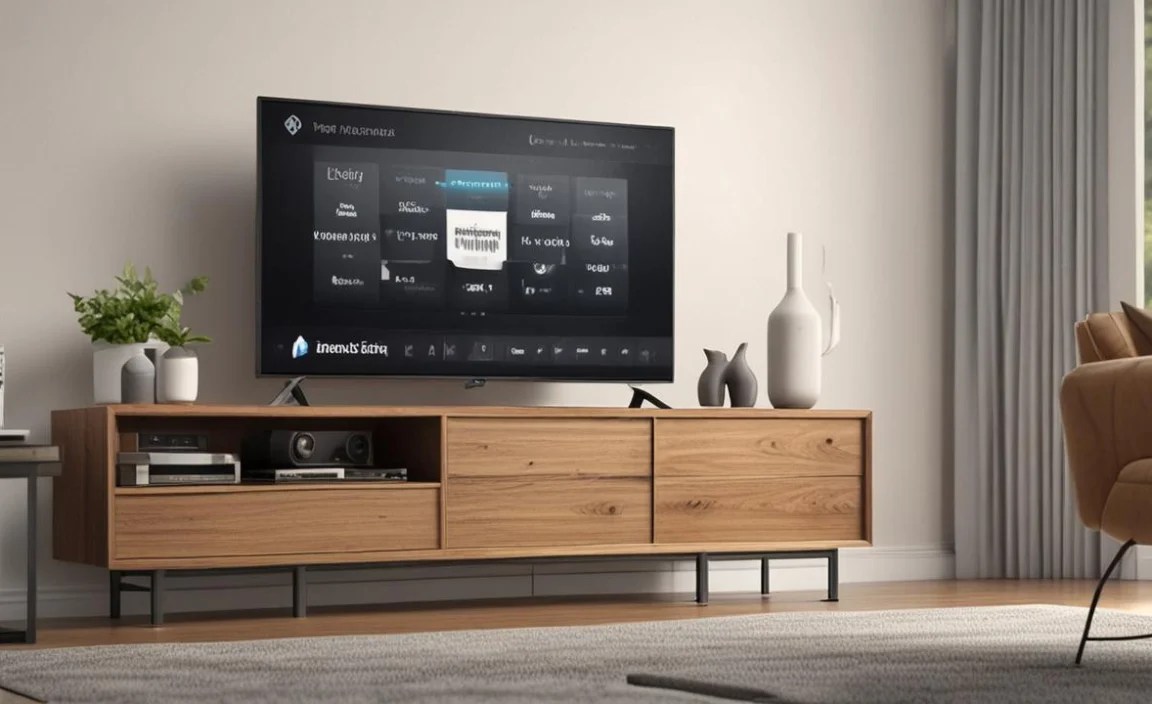
Bluetooth Transmitters
- Functionality: Allows non-Bluetooth TVs to connect with Bluetooth headphones.
- Plug and Play: Easy to set up with a 3.5mm audio jack or RCA connection.
- Range: Typically supports effective transmission within 30 feet.
Bluetooth transmitters are a great alternative for televisions lacking built-in Bluetooth. They offer an affordable and efficient solution to achieve wireless audio.
Wired Headphones with Long Cables
- Simple Setup: Direct connection without pairing issues.
- Reliable Connection: No risk of interference or disconnects.
- Cost-Effective: Generally cheaper than purchasing a transmitter or new headphones.
For those who prefer a hassle-free solution, wired headphones with long cables can serve as a temporary yet effective method for connecting to your TV.
Troubleshooting Common Issues
Connection Drops
- Interference: Remove other electronic devices causing interference.
- Signal Blockage: Ensure a clear path between TV and headphones.
- Distance: Stay within the recommended range.
If you encounter connection drops, reducing interference and maintaining proximity can often resolve these issues effectively.
Audio Lag
- Update Devices: Ensure both TV and headphones have the latest firmware.
- Low Latency Mode: Enable low latency settings if available.
- Upgrade Bluetooth: Consider devices with Bluetooth 5.0 or higher.
Addressing audio lag involves keeping devices updated and utilizing low latency features. This improves synchronization between audio and video.
Advanced Techniques
Upgrade Bluetooth Devices
- Purchase New Models: Opt for devices with improved Bluetooth technology.
- Check Specifications: Ensure compatibility with Bluetooth 5.0 or higher.
Upgrading to newer Bluetooth devices can significantly enhance your audio experience by reducing latency and improving connection stability.
Optimize Audio Settings
- Sound Modes: Experiment with different sound modes for optimal output.
- Volume Adjustments: Balance volume levels for clarity.
Optimizing audio settings can tailor your listening experience more precisely to your preferences, making for a more enjoyable viewing experience.
Prevention & Maintenance Tips
Regular Firmware Updates
- Stay Updated: Regularly check for firmware updates for both TV and headphones.
- Automatic Updates: Enable automatic updates if available.
Keeping firmware updated ensures devices operate efficiently, reducing the likelihood of connectivity issues.
Maintain Device Health
- Clean Devices: Regularly clean to prevent dust build-up.
- Storage: Store in safe, dry places to avoid damage.
Proper maintenance of devices prolongs their lifespan and effectiveness, ensuring consistent performance.
Real-Life Examples
Jane, a college student, uses Bluetooth headphones to study late at night without disturbing her roommates. She reported a significant improvement in focus and retention while using this setup.
According to TechRadar 2024, over 70% of users prefer wireless audio solutions for their flexibility and convenience.
Mark, an avid gamer, upgraded his setup with Bluetooth 5.0 headphones, reducing lag and enhancing his gaming experience. He found the upgrade critical for competitive gaming.
Driver Update Methods Compared
| Method | Difficulty | Speed | Best For | Notes |
|---|---|---|---|---|
| Manual Update | High | Slow | Tech-Savvy Users | Requires Technical Knowledge |
| Automatic Update Software | Low | Fast | General Users | User-Friendly |
| Professional Service | Low | Variable | Non-Technical Users | May Incur Costs |
Conclusion
Understanding how to connect your TV to headphones via Bluetooth enhances your audio experience significantly. By following the steps outlined, you can enjoy a seamless, personal listening environment. Whether you’re studying, gaming, or enjoying a late-night movie, Bluetooth technology offers an unparalleled level of convenience and quality. Regular updates and maintenance ensure your setup remains efficient, minimizing potential issues. Embrace the flexibility of wireless audio and enhance your entertainment experience today.
Frequently Asked Questions
Question 1: What If My TV Doesn’t Have Built-In Bluetooth?
Answer: Use a Bluetooth transmitter to add wireless capabilities.
Question 2: Why Is There a Delay in the Audio?
Answer: Ensure devices have the latest firmware and support low latency.
Question 3: Can Multiple Headphones Connect Simultaneously?
Answer: Some TVs allow multiple connections; check your model’s capabilities.
Question 4: How Far Can I Move with Bluetooth Headphones?
Answer: Typically, Bluetooth is effective within 30 feet of the TV.
Question 5: What Are Bluetooth 5.0 Benefits?
Answer: Offers reduced lag, improved range, and better connectivity.
Question 6: How Can I Improve Sound Quality?
Answer: Adjust audio settings and use high-quality headphones.
Question 7: Are There Alternatives to Wireless?
Answer: Yes, wired headphones with long cables offer a simple solution.
Question 8: Do Bluetooth Transmitters Affect Audio Quality?
Answer: High-quality transmitters maintain audio fidelity.
Question 9: What’s the Best Way to Maintain My Headphones?
Answer: Clean regularly and store in a dry, safe place.
