
Quick Summary: Discover the best Bluetooth headphones for your workouts. This guide simplifies features like water resistance, secure fit, and battery life, helping you find durable, comfortable headphones that stay put and deliver energizing sound, even during your most intense sessions. Enjoy effortless audio that keeps you motivated.
Bluetooth Headphones Best for Working Out: Effortless Sound to Power Your Every Move

Hey everyone, Edward Cavitt here from headphonehorizon! If you’re anything like me, your workout soundtrack is just as important as your gym shoes. But let’s be honest, tangled wires and earbuds that constantly fall out can be seriously distracting when you’re trying to crush that personal best.
That’s where the magic of Bluetooth headphones comes in. They offer freedom, convenience, and fantastic sound, especially designed to keep up with your active lifestyle. Finding the right pair might seem a bit daunting with all the options out there, but don’t worry!
I’m here to break it all down, making it super simple to choose Bluetooth headphones that are perfect for your workouts, delivering that effortless sound you crave.
Why Bluetooth Headphones Are Your Workout’s Best Friend

Forget the days of snagging your headphone cord on equipment or feeling restricted by its length. Bluetooth headphones connect wirelessly to your phone or music player, giving you the ultimate freedom to move. For working out, this means:
- Unrestricted Movement: No wires to get in the way, whether you’re lifting weights, running on a treadmill, or practicing yoga.
- Increased Safety: Especially when running outdoors, the lack of wires can help you stay more aware of your surroundings.
- Convenience: Simply pair them once, and they’re ready to go whenever you are.
- Durability: Many workout-specific models are built to withstand sweat and tough conditions.
It’s all about making your fitness experience smoother and more enjoyable, with your favorite tunes or podcasts providing that well-needed motivation.
Key Features to Look For in Workout Bluetooth Headphones

Not all Bluetooth headphones are created equal, especially when it comes to the rigors of exercise. Here are the essential features to keep an eye on:
1. Secure and Comfortable Fit
This is arguably the most crucial factor. You don’t want your headphones constantly slipping out, interrupting your rhythm. Look for:
- Ear Hooks or Wingtips: These are designed to anchor the earbuds securely in or around your ear.
- Multiple Eartip Sizes: Different ears need different fits! Most good earbuds come with several sizes to ensure a snug, comfortable seal.
- Lightweight Design: Heavy headphones can become uncomfortable over long workouts.
- Over-Ear Options: For some, a well-designed over-ear headphone can offer a very stable fit without going inside the ear canal.
A good fit not only keeps them in place but also contributes to better sound quality by creating a seal that blocks out external noise and enhances bass response.
2. Sweat and Water Resistance (IP Rating)
Your headphones will inevitably come into contact with sweat, and maybe even a splash of rain if you exercise outdoors. This is where the Ingress Protection (IP) rating comes in. The rating consists of two numbers:
- The first digit indicates protection against solids (like dust).
- The second digit indicates protection against liquids (like water).
For working out, aim for at least an IPX4 rating, which means they are protected against splashed water from any direction. Higher ratings like IPX5 or IPX7 offer even greater protection, meaning they can handle even heavier sweat or brief submersion (though I wouldn’t recommend testing that!). You can find more details on IP ratings on resources like the International Electrotechnical Commission (IEC) website, which sets these standards.
3. Battery Life
You don’t want your music to die halfway through a marathon or a long gym session. Check the advertised battery life:
- Earbuds: Typically range from 4 to 9 hours on a single charge. Many come with a charging case that provides multiple additional charges, extending total playtime significantly.
- Over-Ear Headphones: Often offer longer individual playtime, ranging from 20 to 50+ hours.
Consider how long your typical workouts are and how often you’re willing to charge them. A quick charge feature can also be a lifesaver if you forget to charge them overnight.
4. Sound Quality
While durability and fit are paramount for workouts, you still want them to sound great! Look for:
- Clear Mids and Highs: For vocals and instruments to come through crisply.
- Punchy Bass: To provide that extra energy and motivation during intense exercises.
- Balanced Sound Profile: So your music sounds good across all genres.
Many headphones also offer companion apps that allow you to tweak the EQ (equalizer) settings to your preference.
5. Durability and Build Quality
Workout headphones need to be tough. They should be made from materials that can withstand being tossed in a gym bag and handle the stress of movement. Inspect reviews for comments on how well they hold up over time.
6. Controls and Ease of Use
You want to be able to control your music and take calls without fumbling. Look for intuitive buttons or touch controls on the earbuds themselves. Features like:
- Play/Pause/Skip Tracks
- Volume Control
- Call Answering/Ending
- Voice Assistant Access (Siri, Google Assistant)
are incredibly handy when you’re on the move.
Types of Workout Bluetooth Headphones

There are a few main types of Bluetooth headphones that are popular for workouts, each with its own pros and cons:
True Wireless Earbuds (TWS)
These are small, independent earbuds with no wires connecting them at all. They fit directly into your ear and usually come with a charging case.
Pros:
- Extremely compact and portable.
- No wires whatsoever for complete freedom.
- Often come with various ear tip and wingtip options for a secure fit.
Cons:
- Can be easier to lose than other types.
- Battery life per charge can be shorter (though the case offers multiple charges).
- Relies heavily on a good in-ear seal for sound and stability.
Wireless Neckband Earbuds
These have two earbuds connected by a band that rests around your neck. The battery and controls are usually integrated into the neckband.
Pros:
- Less likely to be lost as they are tethered together.
- Often offer longer battery life than true wireless earbuds.
- Controls are usually easy to find on the neckband.
Cons:
- The neckband can sometimes bounce around or feel a bit cumbersome during very high-impact activities.
- Not as minimalist as true wireless.
On-Ear/Over-Ear Wireless Headphones
These are larger headphones that sit on or around your ears. While they might seem less ideal for intense workouts, some sport-specific models are designed to be lightweight and secure.
Pros:
- Often provide superior sound quality and bass.
- Can be more comfortable for longer listening sessions for some.
- Can offer better noise isolation.
Cons:
- Can get hot during intense workouts.
- Less portable than earbuds.
- May not be ideal for sweatier activities if not specifically designed for it.
Top Features in a Comparison Table
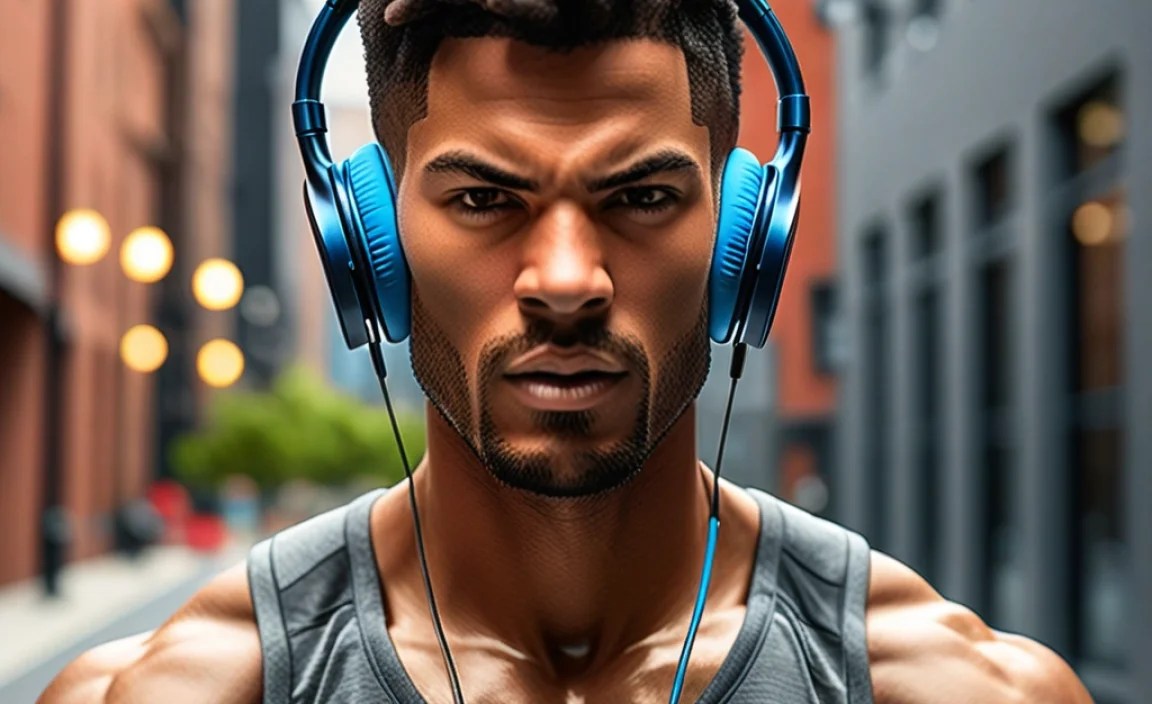
To help you visualize, here’s a quick look at how some common features stack up:
| Feature | Importance for Workouts | What to Look For |
|---|---|---|
| Fit & Stability | Crucial | Ear hooks, wingtips, multiple eartip sizes, snug seal. |
| Sweat/Water Resistance | Very High | IPX4 rating or higher (IPX5, IPX7). |
| Battery Life | High | Earbuds: 4-9 hrs + charging case. Neckbands/Over-ear: 20+ hrs. |
| Durability | High | Robust materials, good build quality reports. |
| Sound Quality | Medium-High | Clear audio, punchy bass, balanced profile. |
| Controls | Medium | Easy-to-access buttons or touch controls. |
Step-by-Step Guide to Choosing Your Workout Headphones
Ready to find your perfect workout audio companion? Follow these simple steps:
Step 1: Determine Your Primary Workout Type(s)
What kind of activities will you be doing most often? This influences what features are most important.
- Running/Cycling: Prioritize a secure fit, wind noise reduction, and IPX4+ water resistance. Awareness of your surroundings might also be key, so consider transparency modes if available.
- Gym/Weightlifting: A strong, sweat-proof seal is vital. Comfort for extended wear is a bonus.
- HIIT/CrossFit: Maximum security and sweat resistance are non-negotiable. These movements can be jarring, so a dance-proof fit is essential.
- Yoga/Pilates: Comfort and a good seal are important, but extreme water resistance might be less of a concern.
Step 2: Decide on the Headphone Type
Based on your activity and personal preference, choose between:
- True Wireless Earbuds: For ultimate freedom and portability.
- Neckband Earbuds: For a balance of security and convenience.
- On-Ear/Over-Ear: For immersive sound and comfort, if they fit your workout style.
Step 3: Check the Fit and Comfort Features
Read reviews and product descriptions carefully for specific mentions of fit. Look for:
- Mention of included ear hooks, wingtips, or multiple eartip sizes.
- Comments on how well they stay in during vigorous activity.
- Lightweight designs.
If possible, try them on in a store (though this is less common for in-ear earbuds). Brands like Jaybird and JBL often have good options designed specifically for sports with secure fits.
Step 4: Verify Sweat and Water Resistance (IP Rating)
This is non-negotiable for workouts. Ensure the headphones have an IPX4 rating or higher. Websites like Rtings.com often test and detail IP ratings in their professional reviews.
Step 5: Evaluate Battery Life
Consider your longest workout sessions and how often you want to charge. If you’re opting for true wireless earbuds, look at the total playback time with the charging case.
Step 6: Read Reviews for Sound Quality and Durability
Once you’ve narrowed down your choices, dive into reviews from reputable tech sites and user feedback on retail platforms. Pay attention to comments about:
- Bass response for energy.
- Clarity of vocals for podcasts or audiobooks.
- Overall build quality and how they handle sweat and impact.
Step 7: Consider Extra Features
These aren’t always necessary but can enhance your experience.
- Transparency Mode (Ambient Sound): Allows you to hear your surroundings, crucial for outdoor runners.
- Active Noise Cancellation (ANC): Can be great for focusing in a noisy gym, but might be less desirable if you need to hear announcements.
- Multipoint Pairing: Connect to two devices simultaneously (e.g., phone and laptop).
- Companion App: For EQ adjustments, firmware updates, and customization.
Popular Choices for Workout Bluetooth Headphones
While specific models change, certain brands and lines consistently offer excellent options for fitness:
- Jabra Elite Active Series: Known for their secure fit, excellent durability, and good sound. They often boast high IP ratings (e.g., IP57).
- Jaybird Vista/Run Series: Designed specifically for athletes, with a focus on secure fit, sweatproofing, and robust build.
- Powerbeats Pro: Apple’s workout earbuds that offer a very secure ear-hook design and seamless integration with Apple devices, though they work well with Android too.
- Bose Sport Earbuds / SoundSport Free: Bose often excels in comfort and sound quality, with designs tailored for active use.
When researching, look for “active” or “sport” versions of popular headphone lines, as these are typically the ones built with workout-specific features.
Maintaining Your Workout Headphones
To keep your headphones performing their best, a little regular care goes a long way:
Cleaning Your Earbuds
This is essential, especially with sweat buildup.
- Wipe Down Regularly: After each workout, wipe the earbuds and charging case with a soft, slightly damp (not wet!) microfiber cloth.
- Clean Eartips: Detach the eartips and clean them separately. Silicone tips can be washed with mild soap and water and dried completely. For foam tips, use a dry cleaning method or a specialized headphone cleaner. Consult the manufacturer’s instructions.
- Check Charging Contacts: Ensure the contacts on the earbuds and inside the charging case are clean and free of debris. A dry cotton swab usually works well.
Storing Your Headphones
- Always store them in their charging case when not in use. This protects them from damage and ensures they’re charged for your next session.
- Avoid storing them in extreme temperatures (e.g., a hot car).
Protecting Against Water Damage
- Even with an IP rating, avoid submerging them unless the rating explicitly allows for it (IPX7 and above).
- Never attempt to charge them if they are wet. Thoroughly dry them first.
For more detailed cleaning advice, you can often find guides on the manufacturer’s support websites.
Frequently Asked Questions (FAQ)
Q1: Do I really need waterproof headphones for working out?
A1: It’s highly recommended. Even if you don’t sweat profusely, your headphones will come into contact with sweat. An IPX4 rating is the minimum for protection against splashes and sweat, helping to prevent damage and ensure longevity.
Q2: How important is active noise cancellation (ANC) for workout headphones?
A2: It depends on your environment. ANC can be great for drowning out gym distractions or traffic noise. However, for outdoor activities like running or cycling, it’s often safer to use headphones with a transparency mode or no ANC at all, so you can hear important sounds like traffic or people around you. Many workout headphones offer adjustable ANC or transparency modes.
Q3: My earbuds keep falling out during my run. What can I do?
A3: This is a common issue! First, ensure you’re using the correct size eartips for a snug seal. Many sport earbuds also come with ear hooks or wingtips designed to lock them in place. If yours don’t, consider trying a different brand known for its secure fit and included accessories, or look into aftermarket ear tips designed for better grip.
Q4: Can I use my regular Bluetooth headphones for working out?
A4: You can, but it’s generally not ideal. Regular headphones may not have the necessary sweat resistance, leading to damage. They might also not have a secure enough fit to stay in place during vigorous movement. Dedicated sport headphones are built with these challenges in mind.
Q5: How long should the battery last on a good pair of workout earbuds?
A5: For the earbuds themselves, aim for at least 4-6 hours of playback on a single charge. The charging case should then provide at least two or three additional full charges, giving you a total of 15-24 hours or more of listening time before you need to plug the case into
