
Quick Summary: Discover the best Bluetooth headphones for construction sites. This guide helps you find durable, noise-reducing, and safety-compliant options for clear calls and music in noisy environments. Learn about key features, types, and what to look for to protect your hearing and boost productivity.
Hey there, audio explorers! Edward Cavitt here, your friendly guide from headphonehorizon. If you work on a construction site, you know how loud it can get. Trying to stay connected, listen to your favorite tunes, or even just hear instructions through the din can be a real challenge. But what if I told you that with the right pair of Bluetooth headphones, you could transform your workdays? Not only can you make crystal-clear calls and enjoy your music, but you can also do it safely, protecting your precious hearing. In this guide, we’ll cut through the jargon and explore the essentials of choosing Bluetooth headphones built tough for the construction environment. Let’s get your workday sounding better and safer!
Why Bluetooth Headphones are a Game-Changer on Construction Sites

Construction sites are notoriously noisy environments. From heavy machinery and power tools to general site activity, the continuous, high-decibel sound can make communication difficult and, more importantly, pose a significant risk to your hearing. The Occupational Safety and Health Administration (OSHA) has strict guidelines on noise exposure to prevent hearing loss. Traditional headphones might not cut it, and wired options can be a tangled hazard. This is where Bluetooth headphones step in, offering freedom from cords, advanced noise-canceling capabilities, and specialized features that make them indispensable tools on site.
Key Benefits for Construction Professionals:
- Enhanced Communication: Make and receive calls clearly, even amidst loud machinery, thanks to noise-canceling microphones.
- Hearing Protection: Many construction-grade headphones offer passive or active noise reduction, helping to shield your ears from damaging noise levels.
- Uninterrupted Workflow: Listen to music, podcasts, or audiobooks without the distraction of wires, increasing focus and morale.
- Durability and Comfort: Built to withstand tough conditions, they are often rugged, water-resistant, and designed for long-wearing comfort.
- Safety Compliance: Some models alert you to critical sounds like alarms or vehicle horns, ensuring you stay aware of your surroundings.
Essential Features to Look For in Construction Bluetooth Headphones

Not all Bluetooth headphones are created equal, especially when you’re heading to a job site. You need a pair that goes beyond just good sound quality. Here’s what to prioritize:
Ruggedness and Durability: The Backbone of Site Gear
Construction sites are harsh. Your headphones need to be able to take a beating. Look for:
- IP Rating (Ingress Protection): This tells you how well the headphones are protected against dust and water. For construction, aim for at least an IP54 rating, signifying dust blockage and resistance to splashing water. Higher ratings (like IP65 or IP67) offer even better protection, with some even being submersible.
- Robust Construction: Materials like reinforced plastic, rubberized coatings, and strong headband materials (e.g., steel cable within plastic) are good indicators of durability.
- Drop Resistance: While not always explicitly stated with a rating, look for models that boast military-grade drop-test compliance (e.g., MIL-STD-810G).
Noise Isolation and Cancellation: Your Sound Sanctuary
This is crucial for both hearing protection and focus.
- Passive Noise Isolation: This is achieved through the headphone’s physical design – snug earcups that create a seal around your ears to block out external noise.
- Active Noise Cancellation (ANC): ANC uses microphones to detect external noise and generate opposite sound waves to cancel it out. This is highly effective for low-frequency, consistent noises like engines.
- Awareness/Ambient Sound Mode: This feature is vital for safety. It allows you to hear important ambient sounds (like alarms, shouts, or vehicle signals) while still wearing the headphones, often by amplifying these sounds.
Microphone Quality for Clear Calls
You’ll be taking calls on site, so the microphone needs to be top-notch. Look for:
- Noise-Canceling Microphones: These are designed to filter out background noise, ensuring your voice comes through clearly to the person on the other end.
- Boom Mic Options: Some headsets feature a dedicated boom microphone that can be positioned closer to your mouth, significantly improving voice clarity in noisy settings.
Comfort for All-Day Wear
You’ll be wearing these for long hours. Comfort is key:
- Padded Earcups: Soft, breathable materials that don’t cause irritation or heat buildup are essential.
- Adjustable Headband: A secure yet comfortable fit that can be adjusted to your head size.
- Lightweight Design: Heavy headphones can become uncomfortable over time.
Battery Life that Keeps Up
Constantly recharging isn’t practical on a busy site:
- Long Playback Time: Aim for headphones that offer at least 20-30 hours of battery life on a single charge.
- Quick Charging: A quick charge function that gives you a couple of hours of playback from just 10-15 minutes of charging can be a lifesaver.
Connectivity and Controls
- Stable Bluetooth Connection: Look for Bluetooth 5.0 or higher for a more stable and efficient wireless connection.
- Easy-to-Use Controls: On-ear controls for volume, play/pause, and call management are a must. Glove-friendly buttons are a huge plus.
Types of Bluetooth Headphones for Construction Work

The world of headphones isn’t one-size-fits-all, and construction brings its own set of needs. Here are the main types you’ll encounter:
1. Over-Ear Headphones
These are often the go-to for ruggedness and noise isolation. They completely cover your ears, providing a good seal against environmental noise.
- Pros: Excellent passive noise isolation, comfortable for long wear, often built with durable materials, good battery life, and superior sound quality potential. Many models include advanced ANC.
- Cons: Can be bulky, may get warm in hot weather, can sometimes interfere with safety helmets.
- Best For: Those prioritizing maximum noise blocking, long-duration wear, and superior audio for music or calls.
2. On-Ear Headphones
These rest on your ears rather than surrounding them. They offer a compromise between portability and noise reduction.
- Pros: Generally lighter and more compact than over-ear models, allow for some ambient sound awareness naturally.
- Cons: Less effective at passive noise isolation, can be less comfortable for extended periods compared to over-ear, might not offer as robust protection against very loud noises.
- Best For: Those who need a less bulky option but still want decent noise reduction and good audio.
3. Neckband Bluetooth Headphones
These have earbuds connected by a band that rests around your neck. The band often houses the battery and controls.
- Pros: Earbuds are less likely to be lost compared to true wireless, can be more secure than earbuds alone, easy to take on and off.
- Cons: The neckband can be cumbersome for some, not always the most durable for heavy-duty construction, noise isolation varies greatly by earbud seal.
- Best For: Users who prefer an in-ear style but want more security than completely wireless earbuds and easy access to controls.
4. Bluetooth Earmuffs
These look and function like traditional ear defenders but come with integrated Bluetooth for calls and audio streaming. Often designed with safety ratings in mind.
- Pros: Excellent hearing protection (often with high Noise Reduction Ratings – NRR), integrated communication features, designed specifically for harsh environments, can be very comfortable for long periods.
- Cons: Can be bulkier than other options, audio quality might be secondary to protection, may not integrate seamlessly with all safety helmets.
- Best For: Workers in extremely noisy environments who prioritize hearing safety above all else but still want communication and entertainment options. Many are specifically designed with construction standards in mind.
Safety First: Noise Exposure and Hearing Protection

This is paramount. Working on a construction site means you’re frequently exposed to noise levels that can cause permanent hearing damage. OSHA sets permissible exposure limits for noise. Headphones can be a tool to manage this, but you must choose wisely.
Understanding NRR (Noise Reduction Rating)
For ear protection, the NRR is what you want to look for. This rating, found on safety earmuffs and earplugs, indicates how much the noise level is reduced when worn correctly. A higher NRR means more protection.
- Example: If the site noise averages 95 dB and your earmuffs have an NRR of 25 dB, the noise reaching your ears would be approximately 70 dB (95 – 25 = 70).
Active vs. Passive Protection
- Passive: This is physical blocking of sound by materials and seals (e.g., thick earcups on earmuffs).
- Active: Electronic systems that create anti-noise to cancel out external sounds. While great for comfort and enjoying audio, ANC should ideally be secondary to passive protection in extremely loud environments, or used carefully to ensure critical sounds aren’t missed.
Situational Awareness is Non-Negotiable
Here’s the critical balance: you need to block out damaging noise, but you absolutely must still be able to hear safety alerts, alarms, horns, and shouts. Features like “Ambient Sound Mode” or “HearThrough” are designed precisely for this. Ensure any headphones you consider have this capability, and learn how to use it effectively.
Making the Right Choice: A Comparison Table
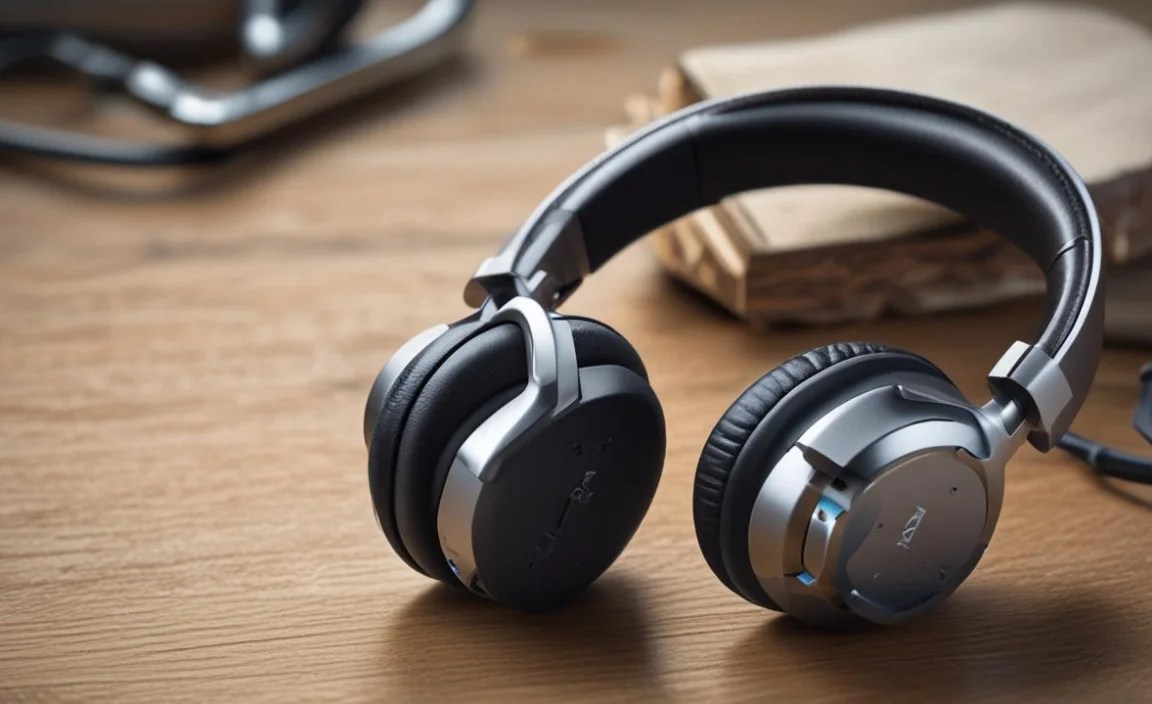
To help you visualize the differences, let’s put some common headphone types against the crucial factors for construction work:
| Headphone Type | Durability | Noise Isolation (Passive) | Noise Cancellation (ANC) | Situational Awareness | Comfort (Long Wear) | Microphone Quality |
|---|---|---|---|---|---|---|
| Rugged Over-Ear Headphones | High (often IP rated) | Very Strong | Good to Excellent | Good (with Ambient Mode) | Very Good | Good to Excellent |
| Bluetooth Earmuffs | Very High (designed for safety gear) | Excellent (NRR rated) | Varies (some have ANC) | Excellent (built for safety alerts) | Very Good | Good to Very Good |
| On-Ear Headphones | Moderate | Moderate | Fair to Good | Fair to Good (less isolation naturally) | Good | Fair to Good |
| Neckband Headphones | Moderate | Fair to Good (earbud dependent) | Fair to Good | Fair to Good | Good | Fair to Good |
Top Considerations for Specific Construction Scenarios
The “best” headphones can depend on your specific work situation:
For Heavy Machinery Operators & Welders:
You need maximum hearing protection and durability. Look for Bluetooth earmuffs with a high NRR, an excellent ambient sound mode, and rugged construction. These will be your primary hearing defenders, with Bluetooth as a bonus.
For General Site Use (Supervisors, Framers, Electricians):
A balance of durability, good noise isolation, and clear communication is key. Rugged over-ear headphones with a decent IP rating and effective Ambient Mode are often ideal. You need to stay aware of surroundings while still blocking out moderate site noise.
For Indoor/Quieter Trades (Drywallers, Painters):
While noise might be less extreme, durability and comfort for extended wear are still important. You might opt for a slightly less rugged but still robust pair of over-ear headphones or even some higher-quality, secure-fit neckband earbuds with good microphones.
Set-Up and Maintenance Tips
Getting your headphones ready and keeping them in shape is simple!
Initial Pairing: Connecting to Your Device
- Turn on your headphones: Press and hold the power button until you see an indicator light (often flashing blue/red or blue).
- Make them discoverable: Some headphones automatically enter pairing mode when first turned on. Others require you to press and hold a specific Bluetooth or pairing button. Check your user manual!
- Activate Bluetooth on your phone/device: Go to your phone’s Bluetooth settings.
- Scan for devices: Your phone will search for nearby Bluetooth devices.
- Select your headphones: Your headphones should appear in the list. Tap on them to connect.
- Confirmation: You’ll usually hear an audio cue or see a confirmation message once connected.
Daily Checks and Care:
- Charge them fully: Start your day with a full battery.
- Wipe them down: After a dusty or dirty day, gently wipe down the earcups and headband with a clean, slightly damp cloth. Avoid harsh chemicals.
- Inspect for damage: Quickly check for any cracks,Loose parts, or damaged cables.
- Store them properly: When not in use, store them in a clean, dry place, ideally in a protective case if one is provided.
Troubleshooting Common Issues:
- Headphones won’t pair: Ensure Bluetooth is on for both devices, and they are close together. Try restarting both your headphones and device. Forget the device from your phone’s Bluetooth list and try pairing again.
- No sound: Check the volume on both your headphones and your device. Make sure you are connected to the correct audio output on your device.
- Poor battery life: Ensure ANC is not on constantly if not needed. Older batteries may degrade over time.
- Garbled audio: Move your connected device closer to your headphones to avoid signal interference.
Always refer to your headphone’s specific user manual for detailed troubleshooting steps.
Frequently Asked Questions (FAQ)
Q1: Do I really need special Bluetooth headphones for construction? Can’t I just use my regular earbuds?
While you can use regular earbuds, construction headphones are designed for the unique challenges of a job site. They are typically much more durable, water and dust resistant, offer superior noise blocking for hearing protection, and have microphones better suited to cutting through loud machinery noise. They are built to last and keep you safe.
Q2: What does “IP rating” mean for headphones?
IP stands for “Ingress Protection.” It’s a two-digit code. The first digit indicates protection against solids (like dust), and the second indicates protection against liquids (like water). For construction, an IP rating of IP54 or higher is recommended. For example, IP54 means “dust protected” (5) and “protected against water splashes from any direction” (4).
Q3: How do I ensure I can still hear important safety sounds like alarms?
Look for headphones with an “Ambient Sound Mode,” “Awareness Mode,” “HearThrough,” or similar feature. These modes use external microphones to pick up external sounds and play them through your headphones, often amplifying them so you can hear alarms, horns, or shout-outs without taking your headphones off. This is crucial for safety.
Q4: Can Bluetooth headphones protect my hearing from loud machinery?
Yes, but it depends on the type. Rugged over-ear headphones and, especially, Bluetooth earmuffs provide significant passive noise isolation. Many also feature Active Noise Cancellation (ANC). However, for truly hazardous noise levels from machinery, dedicated hearing protection like earmuffs with a high Noise Reduction Rating (NRR) is paramount. Always check the NRR rating for safety.
Q5: How much battery life should I look for?
On a construction site, you need headphones that can last your entire workday, and then some. Look for models that offer at least 20-30 hours of playback time on a single charge. Quick charging is also a valuable feature, giving you a few hours of use from a short 10-15 minute charge.
