
Bluetooth headphones are generally considered safe for brain health. They emit low levels of radiofrequency (RF) energy, far below established safety limits. Extensive research has not found a definitive link between Bluetooth devices and adverse health effects. This guide explores the science behind Bluetooth and your brain, offering reassurance and simple explanations.
Is Bluetooth Headphones Harmful For Brain: An Essential Guide

Hello there, fellow audio adventurers! Edward Cavitt here from headphonehorizon, your go-to guide for all things headphones. Today, we’re diving into a question that’s on many of your minds: “Is Bluetooth headphones harmful for brain?” It’s completely understandable to wonder about the technology we use so close to our heads every day.
From commuting to your favorite workout playlist, we rely on these devices. I’m here to break down the science in plain English, cut through the noise, and give you the clarity you deserve. Let’s dive in and explore what the experts say about Bluetooth and your well-being.
Understanding Bluetooth and Radiofrequency (RF) Energy

Before we get to the heart of the matter, let’s quickly understand what Bluetooth is and why it prompts these questions. Bluetooth is a wireless technology that allows devices to connect and exchange information over short distances.
It works by using radio waves to transmit data. These radio waves are a form of non-ionizing radiofrequency (RF) energy. You’ll find this type of energy emitted by many everyday devices, including Wi-Fi routers, microwave ovens, and even our mobile phones.
The concern typically revolves around the RF energy emitted by devices that are held close to the body, like smartphones or, indeed, headphones. The key distinction often missed is between ionizing and non-ionizing radiation.
Ionizing radiation, like X-rays, has enough energy to remove electrons from atoms and molecules, which can damage DNA and lead to health issues. Non-ionizing radiation, like that from Bluetooth, does not have enough energy to cause this kind of damage. It can, however, cause heating effects at very high levels, but the levels from Bluetooth devices are extremely low.
What the Science Says: Research and Safety Standards

This is where we get to the reassuring part. Numerous studies have investigated the potential health effects of RF energy emitted by wireless devices. Major health organizations and scientific bodies worldwide have reviewed this research extensively. The overwhelming consensus from these organizations is that current evidence does not establish a causal link between exposure to RF energy from devices like Bluetooth headphones and adverse health effects.
Regulatory bodies around the world set safety limits for exposure to RF energy. These limits are based on decades of research and are designed to protect the public from any known ill effects.
The Specific Absorption Rate (SAR) is a measure of the rate at which the human body absorbs RF energy. For mobile phones and similar devices, safety standards dictate maximum SAR values. Bluetooth devices operate at much lower power levels than mobile phones and therefore have significantly lower SAR values, often negligible.
For example, the U.S. Federal Communications Commission (FCC) has established guidelines for RF exposure. These guidelines are designed to ensure that your exposure remains well below levels that could cause harm. Similarly, international organizations like the World Health Organization (WHO) continuously monitor research in this area. Their stance, based on current scientific understanding, is that exposure to RF fields below international guidelines does not cause adverse health effects.
Key Differences: Bluetooth vs. Mobile Phone RF Exposure
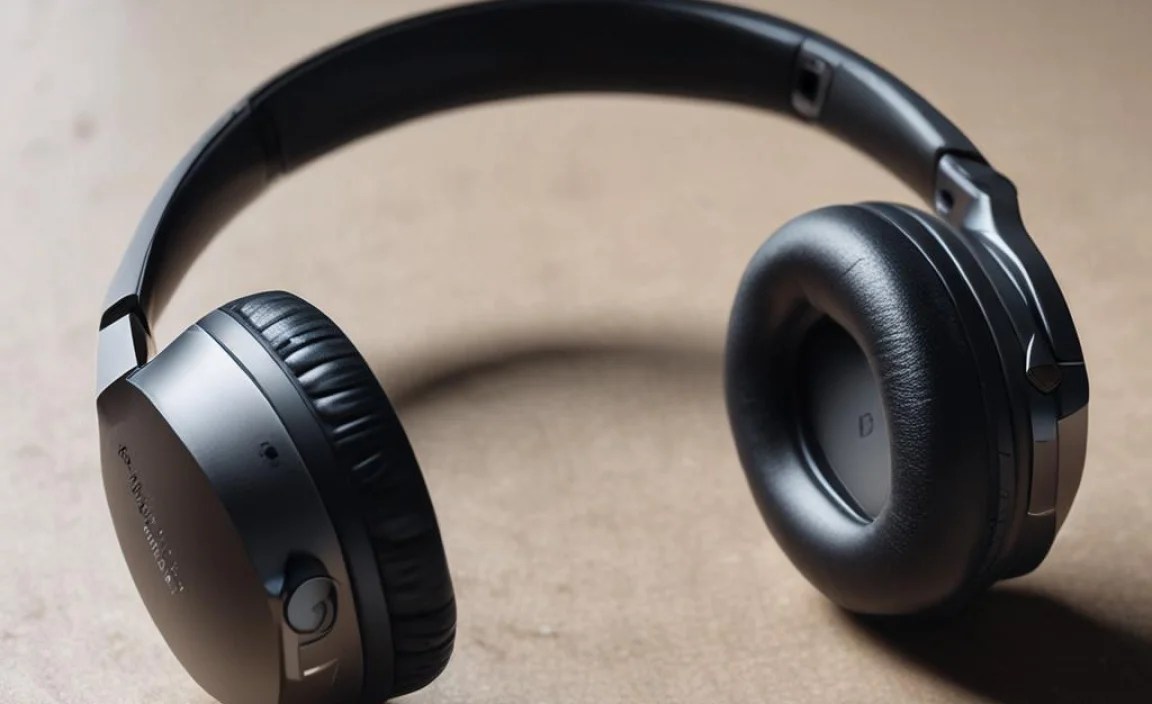
It’s important to differentiate the RF energy emitted by Bluetooth headphones from that of your smartphone. Your smartphone, especially when making calls or using data, emits much higher levels of RF energy than your Bluetooth headphones. This is because Bluetooth operates at a very low power range, typically between 2.400 GHz and 2.485 GHz, and is designed for short-range communication.
When you use Bluetooth headphones, the device communicating with your headphones (usually your phone) is kept at a distance from your head. The headphones themselves emit an even lower level of RF energy, just enough to maintain a stable connection with your paired device. This means the actual RF absorption into your head from Bluetooth headphones is minimal.
Here’s a simple comparison to illustrate:
| Device Type | Typical RF Emission Level | Proximity to Head | Primary Concern |
|---|---|---|---|
| Mobile Phone (during calls/data) | Higher RF Power Output | Can be held close to the ear/head | Main source of RF exposure, regulated by SAR limits. |
| Bluetooth Headphones | Very Low RF Power Output | Worn directly on or in the ear | Minimal RF exposure due to low power and short transmission distance. |
Debunking Common Myths and Misconceptions

The internet is rife with misinformation about the health effects of wireless technologies. It’s easy to get caught up in alarming headlines. Let’s address some common myths:
- Myth: Bluetooth causes cancer. Current scientific research, including studies by major health organizations, has not established a causal link between Bluetooth use and cancer.
- Myth: Bluetooth radiation is the same as X-rays. This is incorrect. Bluetooth uses non-ionizing radiation, which is fundamentally different and less energetic than ionizing radiation (like X-rays) and cannot directly damage DNA in the way ionizing radiation can.
- Myth: Phones connected to Bluetooth are just as dangerous as holding the phone to your ear for calls. While phones connected via Bluetooth still emit some RF energy, the headphone itself emits a fraction of that, and the phone is usually at some distance from your head. The overall exposure from the headphones themselves is very low.
- Myth: The heating effect is dangerous. While very high levels of RF energy can cause tissue heating, the levels emitted by Bluetooth headphones are far too low to cause any significant or harmful heating of the brain.
Factors Influencing RF Exposure from Bluetooth Headphones
While the concern is minimal, it’s good to be aware of the factors that could theoretically influence RF exposure, even if the impact is negligible:
- Distance to the paired device: The further your Bluetooth headphones are from the device they are paired with (e.g., your phone), the harder the headphones might work to maintain a connection, potentially increasing their very low-level RF output slightly. Keeping your phone relatively close to your headphones is generally best for connection stability and minimal RF transmission.
- Number of Bluetooth devices active nearby: While your headphones use RF, so do other devices around you (phones, laptops, smartwatches). The cumulative effect of all these low-level emissions is still considered well within safe limits by health authorities.
- Headphone model quality: Reputable brands adhere to strict safety standards. Less reputable, uncertified devices could be a concern, but this is rare in established markets.
Maximizing Your Safety and Peace of Mind
Even though the scientific consensus points to safety, it’s always good practice to be mindful of our technology use. Here are a few tips:
- Choose reputable brands: Stick to well-known brands that comply with international safety standards. This ensures your headphones are manufactured to the highest safety specifications.
- Keep devices at a reasonable distance: While you’re wearing headphones, your phone generally doesn’t need to be right up against your head. Keeping it in a pocket or bag is perfectly fine.
- Balance usage with wired options: If you are concerned, or simply want variety, consider using wired headphones for extended listening sessions. This completely eliminates any RF concerns.
- Stay informed from reliable sources: Rely on official health organizations and scientific bodies for information regarding RF safety, rather than anecdotal claims or unverified articles.
Regulatory Standards and Compliance
Understanding that Bluetooth devices adhere to strict regulations can provide significant peace of mind. In most countries, electronic devices, including Bluetooth headphones, must meet specific standards before they can be sold. These standards are set by regulatory bodies and focus on ensuring that the RF energy emitted does not exceed safe limits.
For example, in the European Union, devices must comply with the Radio Equipment Directive (RED), which includes essential requirements for health and safety. In the United States, the FCC sets similar regulations.
Here’s a brief look at what these standards typically cover:
- RF Exposure Limits: Setting maximum allowable levels for RF energy absorption.
- Device Power Output: Limiting the strength of the radio signals a device can transmit.
- Interference Prevention: Ensuring devices do not interfere with other essential radio communications.
Manufacturers are obligated to test their products and certify that they meet these standards. This rigorous testing and certification process is a key reason why commercially available Bluetooth headphones are considered safe.
Frequently Asked Questions (FAQ)
Are Bluetooth headphones dangerous for long-term use?
Based on extensive scientific review by global health organizations, there is no conclusive evidence that long-term use of Bluetooth headphones, operating within established safety limits, is harmful to the brain.
Do Bluetooth headphones emit radiation?
Yes, Bluetooth headphones emit low-level radiofrequency (RF) energy, which is a form of non-ionizing radiation. This is how they communicate wirelessly. However, the power output is very low, significantly less than that of mobile phones.
What are the safety limits for Bluetooth devices? Are they regulated?
Yes, Bluetooth devices are regulated and must comply with specific RF exposure limits set by bodies like the FCC and international standards. These limits are designed to prevent any known health risks, including heating effects.
Is it safe to sleep with Bluetooth headphones on?
While there’s no evidence suggesting harm from typical Bluetooth usage, if you have concerns, you can reduce exposure by either not wearing them while you sleep or by opting for wired headphones during those times.
Should I be worried about the cumulative effect of using multiple Bluetooth devices?
Current scientific consensus indicates that the cumulative RF exposure from multiple low-power devices like Bluetooth headphones, wearables, and Wi-Fi is well below safety thresholds and not considered a health risk.
What’s the difference between RF in Bluetooth and RF in a microwave oven?
Microwave ovens use much higher power levels of RF energy specifically to heat food by causing water molecules to vibrate rapidly within the food. Bluetooth uses very low power RF energy primarily for short-range data transmission, with minimal heating effects, if any, on the body.
Where can I find reliable information about RF safety?
For accurate and up-to-date information on RF safety, consult official websites and publications from reputable organizations such as the World Health Organization (WHO), the US Food and Drug Administration (FDA), or the US Federal Communications Commission (FCC).
Conclusion: Enjoy Your Audio with Confidence
As we’ve explored, the question of whether Bluetooth headphones are harmful to your brain has a clear and reassuring answer based on current scientific understanding.
The low levels of non-ionizing radiofrequency energy emitted by Bluetooth devices are well within safety standards set by regulatory bodies worldwide. Extensive research has found no definitive links to adverse health effects. Reputable manufacturers adhere to strict compliance measures, ensuring that the devices you use every day are designed with your safety in mind.
While it’s wise to stay informed, you can largely use your Bluetooth headphones with confidence. If you ever have lingering concerns or simply prefer to vary your listening experience, using wired headphones is always an excellent alternative.
At headphonehorizon, our goal is to empower you with knowledge so you can make informed choices. So go ahead, get lost in your music, enjoy your podcasts, and take those important calls, knowing that your Bluetooth headphones are a safe and reliable part of your daily life. Happy listening!
