
Quick Summary: Upgrade your mowing experience with Bluetooth headphones. They offer a comfortable, immersive way to listen to music or podcasts while protecting your hearing from loud mower noise. This guide helps you choose the best pair for your needs, focusing on durability, battery life, and sound quality.
Bluetooth Headphones for Mowing: Your Essential Choice for a Better Yard Day

There’s something about mowing the lawn that can feel like a chore, right? The endless rows, the heat, and let’s not forget the roar of the engine. But what if we told you that you could transform this routine task into a more enjoyable part of your week?
Imagine cutting through the grass not just to a cleaner yard, but to your favorite playlist or an engaging podcast. That’s where Bluetooth headphones for mowing come in. They’re not just a luxury; they’re a smart choice for comfort, safety, and making yard work feel less like work and more like “me time.” In this guide, we’ll explore why they’re an essential upgrade and how to pick the perfect pair.
Why Bluetooth Headphones Are a Lawn Mowing Game-Changer

Mowing can be loud. Really loud. The Environmental Protection Agency (EPA) states that sustained exposure to noise levels above 85 decibels (dB) can lead to hearing damage. Most lawnmowers operate well above this threshold, often between 90-105 dB. Wearing hearing protection is crucial, and Bluetooth headphones offer a brilliant dual-purpose solution.
1. Superior Hearing Protection
This is the most critical reason. Traditional earplugs or passive earmuffs block sound, which is great for protection but can leave you feeling cut off. Bluetooth headphones often come with active noise cancellation (ANC) or at least robust passive noise isolation. ANC works by using microphones to detect external noise and then generating an opposite sound wave to cancel it out, effectively muffling the mower’s drone. Even without ANC, well-designed earcups can significantly reduce noise exposure, like a good pair of earmuffs.
2. Uninterrupted Entertainment and Productivity
Who says mowing has to be silent? With Bluetooth headphones, you can stream music, listen to podcasts, audiobooks, or even take calls without anyone else in the house being disturbed (or disturbing you!). This can make those long afternoons in the yard fly by. Plus, if you need to take a call for work or family, it’s as simple as a tap, no fiddling with wires or removing your protection.
3. Comfort Over Extended Periods
Mowing can take time, especially with a larger property. Many Bluetooth headphones are designed with plush earcups and adjustable headbands for a comfortable fit, even for hours. This is a big upgrade from uncomfortable earplugs or bulky older-style hearing protection.
4. Wireless Freedom
No tangled wires snagging on bushes or getting in the mower blades! The freedom of movement that wireless Bluetooth headphones provide is a significant advantage when navigating your lawn and equipment.
Key Features to Look For in Bluetooth Headphones for Mowing

Not all Bluetooth headphones are created equal, especially when you’re planning to use them in a noisy, outdoor environment. Here’s what to prioritize:
1. Durability and Weather Resistance
Your headphones will be exposed to sweat, dust, and potentially light rain or sprinklers. Look for headphones with a good IPX rating (Ingress Protection). An IPX4 rating means they are protected against splashing water from any direction, which is usually sufficient for mowing. For tougher conditions, IPX5 or IPX6 offers better protection against water jets. Construction matters too; sturdy plastics and robust hinges are a good sign.
2. Noise Cancellation/Isolation
As mentioned, this is vital for hearing protection and an immersive listening experience.
- Active Noise Cancellation (ANC): Best for actively reducing consistent low-frequency sounds like mower engines. Requires battery power.
- Passive Noise Isolation: Achieved through the physical seal of the earcups. Effective for blocking higher-frequency sounds and generally doesn’t require battery power. Most comfortable headphones offer a good level of passive isolation through their design.
3. Battery Life
You don’t want your headphones to die halfway through mowing. Aim for models that offer at least 20-30 hours of battery life on a single charge. Many modern headphones exceed this. Consider how long your typical mowing sessions are and choose accordingly. Fast charging capabilities can also be a lifesaver if you forget to charge them overnight.
4. Comfort and Fit
For extended mowing sessions, comfort is paramount. Over-ear headphones generally offer better comfort and noise isolation than on-ear or in-ear models. Look for soft, breathable earcups (memory foam is a great option) and an adjustable, well-padded headband. Ensure they fit snugly enough to stay on but not so tight they cause pressure or headaches.
5. Sound Quality
While hearing protection is the priority, you still want to enjoy your audio. Look for headphones that offer clear sound, good bass, and a balanced profile. Reviews can be very helpful here. Even with ANC, good passive isolation helps deliver better sound quality by reducing ambient distractions.
6. Connectivity and Controls
A stable Bluetooth connection is a must. Look for Bluetooth 5.0 or higher for better range and reliability. Easy-to-use on-ear controls for play/pause, volume, and skipping tracks are very convenient, especially when wearing gloves or with sweaty hands.
Types of Bluetooth Headphones for Mowing: Pros and Cons

When choosing, consider the form factor. Each has its advantages and disadvantages for yard work.
| Type of Headphone | Pros for Mowing | Cons for Mowing |
|---|---|---|
| Over-Ear (Circumaural) | Excellent noise isolation and comfort. Generally best for hearing protection. Good battery life common. Immersive sound. | Can be warm in hot weather due to full ear coverage. Larger and bulkier than other types. |
| On-Ear (Supr-aural) | More compact and lighter than over-ears. Can be more breathable. | Less effective noise isolation than over-ears. Can cause pressure on ears over time. Might shift during active movement. |
| In-Ear (Earbuds/IEMs) | Compact, lightweight, and portable. Many offer good passive isolation. Less prone to overheating. Some models are specifically ruggedized for workouts/outdoors. | Can be less comfortable for long periods. May not offer as much overall noise reduction as good over-ears. Risk of losing one bud. Can feel less secure in the ear canal, especially with sweat. |
Making the Right Choice: A Step-by-Step Guide
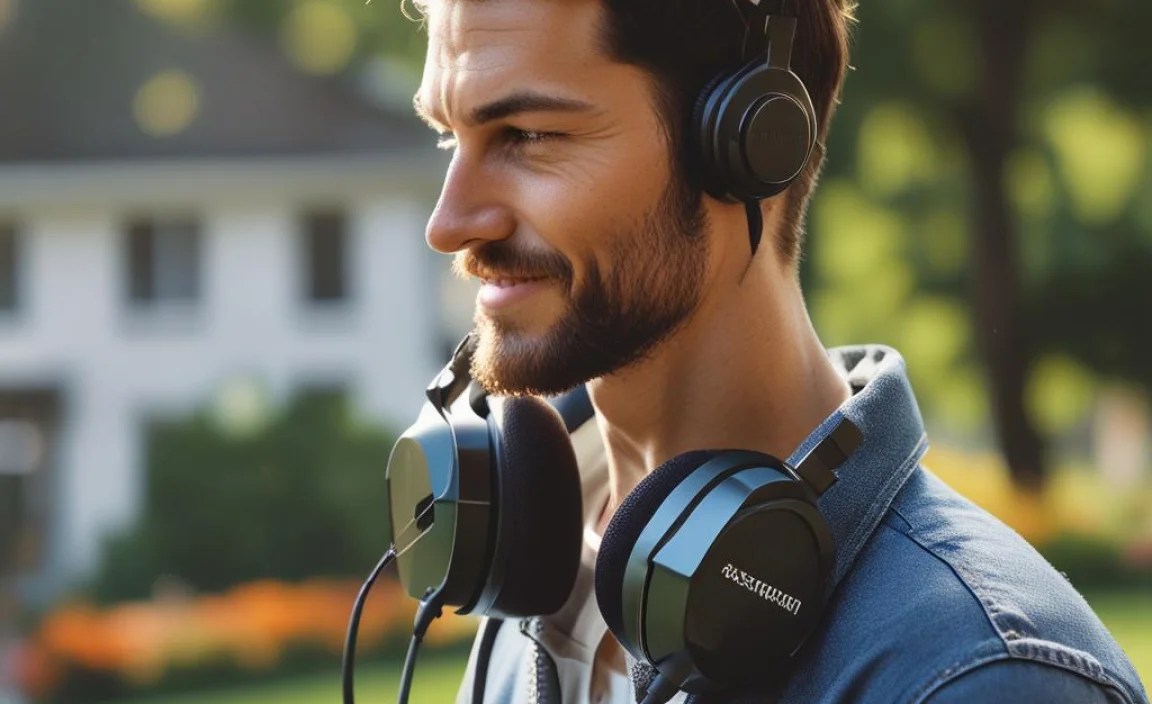
Ready to find your perfect mowing companion? Follow these steps:
- Assess Your Environment: How loud is your mower? Do you often mow in light rain or very dusty conditions? This will help determine the level of durability (IPX rating) and noise cancellation you need.
- Prioritize Protection: If hearing protection is your absolute main concern, lean towards over-ear headphones with strong passive isolation and/or ANC. According to the CDC, noise-induced hearing loss is preventable, and choosing the right headphones is a key step.
- Consider Comfort for Duration: How long do you usually mow? If it’s more than an hour, comfort becomes a major factor. Over-ear designs often win here for extended use.
- Check Battery Life: Multiply your typical mowing session length by 1.5 to get a buffer. Look for headphones that comfortably exceed this duration. A quick charge feature is a bonus.
- Read Reviews: Look for reviews that specifically mention outdoor use, noise isolation, and comfort for long periods. User experiences are invaluable.
- Set Your Budget: Good quality Bluetooth headphones can range from $50 to $300+. Decide how much you’re comfortable spending, keeping in mind that you’re investing in both entertainment and crucial hearing protection.
Top Features That Enhance the Mowing Experience
Beyond the core features, some extras can make mowing with headphones even better:
1. Interchangeable/Washable Earcups
Sweat happens! Having earcups that can be easily removed and cleaned, or even replaced, helps maintain hygiene and prolong the life of your headphones.
2. Ambient Sound Modes
Some headphones have “transparency” or “ambient aware” modes that allow you to hear your surroundings without taking the headphones off. This can be useful for hearing unexpected noises like a dog barking or someone calling your name, without completely sacrificing your audio experience or protection.
3. Integrated Microphones for Calls
If you need to stay connected, ensure the headphones have a decent microphone for clear calls. The effectiveness can vary, so check reviews.
4. Secure Fit
For over-ear and on-ear, ensure the headband has good grip. For in-ear, ensure they come with multiple ear tip sizes for a secure seal. This prevents them from slipping off during movement.
Maintaining Your Mowing Headphones
To ensure your new headphones last and perform their best, follow these simple maintenance tips:
- Clean Regularly: Wipe down the earcups and headband with a slightly damp cloth after each use, especially if you’ve been sweating. For deeper cleaning, follow the manufacturer’s instructions – some earcups can be detached and washed.
- Store Properly: Avoid leaving them out in direct sunlight or extreme temperatures. Use a case or store them in a cool, dry place when not in use.
- Charge Wisely: While modern batteries are quite forgiving, avoid consistently draining them to zero. Overcharging isn’t usually an issue for lithium-ion, but keeping them between 20-80% can theoretically extend battery lifespan.
- Check for Damage: Periodically inspect the headband, hinges, and earcups for any signs of wear or damage that could compromise their integrity or comfort.
Frequently Asked Questions (FAQ)
Q1: Are Bluetooth headphones safe to use while mowing?
Yes, absolutely! Not only are they safe, but they are highly recommended. They offer essential hearing protection by reducing the loud noise from the mower, and they allow you to enjoy audio without needing to expose yourself to potentially harmful noise levels. Always ensure they fit well and provide adequate noise reduction.
Q2: Can I hear my surroundings if I wear noise-cancelling headphones while mowing?
With standard noise-cancelling (ANC) or passive isolation, you will hear significantly less of your surroundings. This is good for focus and protection from mower noise. However, many headphones offer an “ambient mode” or “transparency mode” which uses microphones to let you hear important sounds around you, like someone calling out to you. This feature is highly recommended for safety when working outdoors.
Q3: What kind of IPX rating should I look for?
For mowing, an IPX4 rating is usually a good minimum, as it protects against splashing water from any direction (like sweat or light rain). If you’re in an area prone to heavier moisture or use a hose to clean your equipment nearby, an IPX5 or IPX6 rating would offer even better protection against water jets.
Q4: How long should the battery last for mowing?
Most mowing sessions can last anywhere from 30 minutes to a couple of hours. It’s wise to choose headphones that offer at least 20-30 hours of battery life on a single charge. This ensures you won’t run out of power during a long chore and provides ample charge for multiple mowing sessions between charges.
Q5: Are over-ear or in-ear headphones better for mowing?
Generally, over-ear headphones provide superior comfort and noise isolation for long periods and are often the best choice for protecting your hearing from loud machinery like lawnmowers. However, in-ear buds can be a good option if you find over-ear headphones too hot or bulky, provided they offer a secure fit and good passive noise reduction.
Q6: Do I need the most expensive headphones to get good protection and sound?
Not necessarily! While premium headphones offer advanced features, many mid-range options provide excellent noise reduction, good durability, and satisfying sound quality. Focus on the essential features we’ve discussed – durability, noise isolation/cancellation,
