
Quick Summary: Upgrade your work-from-home or office experience with Bluetooth headphones designed for clear calls. Discover essential features like comfort, microphone quality, battery life, and seamless connectivity. This guide makes choosing and using the perfect pair effortless and ensures your professional communication shines.
Bluetooth Headphones For Office Calls: Essential & Effortless
Hello, I’m Edward Cavitt from headphonehorizon! Navigating the world of audio gear can sometimes feel a bit overwhelming, especially when you’re looking for something specific to boost your work life. If you’re tired of fumbling with tangled wires or struggling to hear calls clearly, then diving into the realm of Bluetooth headphones for office calls is an excellent move. We’re going to break down what makes a pair of headphones ideal for professional conversations, focusing on what truly matters for an effortless and crystal-clear communication experience. Forget the jargon; we’re here to ensure you find a pair that makes your workdays smoother and your calls sharper.
Why Bluetooth Headphones Are a Game-Changer for Office Calls

In today’s dynamic work environment, whether you’re in a bustling open-plan office or working remotely, clear and consistent communication is paramount. Traditional wired headsets can be restrictive, limiting your movement and often leading to annoying tangles. Bluetooth headphones offer a liberating experience, providing wireless freedom without compromising on sound quality or microphone performance. They allow you to easily move around your workspace, grab a coffee, or even step out for a quick breath of fresh air while remaining connected to your important calls. This flexibility can significantly improve productivity and reduce the physical constraints that can hinder your focus. Furthermore, many modern Bluetooth headphones are specifically engineered with advanced noise-canceling and microphone technologies to ensure your voice is heard loud and clear, even in noisy environments.
The transition to wireless audio for our professional lives isn’t just about convenience; it’s about enhancing the quality and clarity of our interactions. Imagine never having to repeat yourself on a call because of background noise or a muffled microphone. That’s the promise of using the right bluetooth headphones for office calls. They are an investment in your professional image and your ability to conduct business without interruption.
Essential Features to Look For
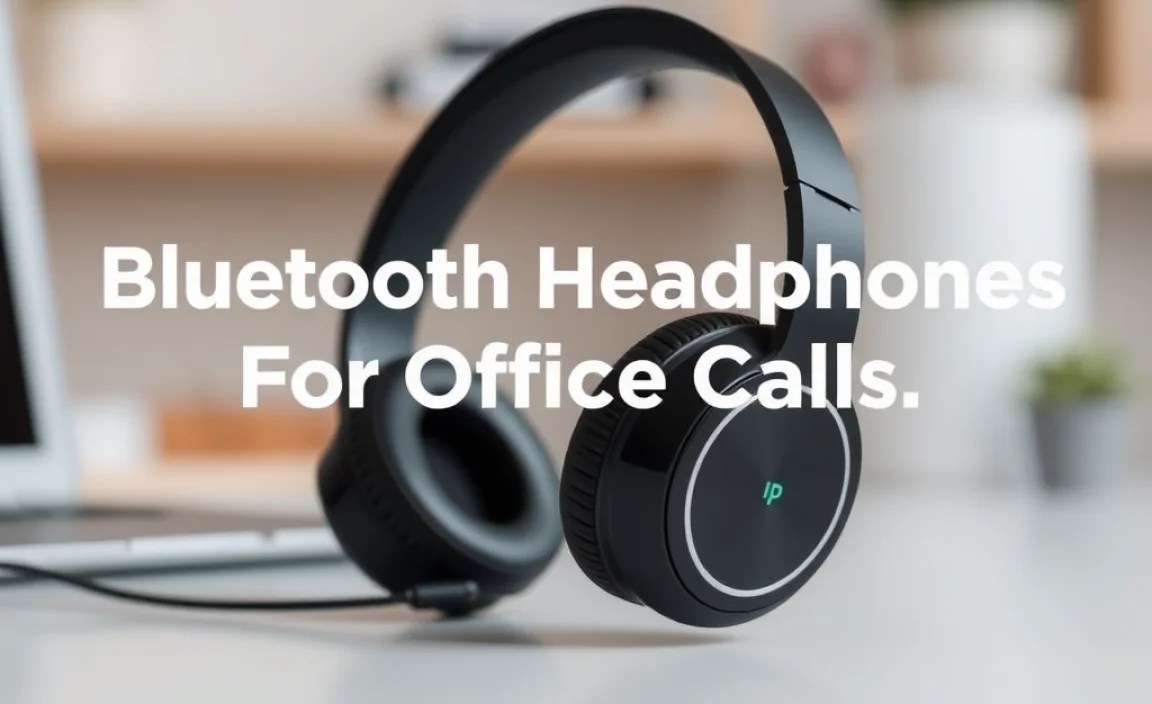
When choosing Bluetooth headphones for office calls, your priorities shift slightly from pure music enjoyment to call clarity, comfort, and reliable connectivity. Here’s what to keep an eye on:
1. Microphone Quality: The Star of the Show
This is arguably the most critical feature for office calls. A good microphone ensures that your colleagues and clients can hear you clearly, without background distractions. Look for headphones with:
- Noise Cancellation for Microphones: This technology actively filters out ambient noise, so your voice is the primary sound picked up. This is a lifesaver in busy offices or homes with background chatter.
- Multiple Microphones (Beamforming): Some higher-end models use several microphones that work together to focus on your voice and suppress surrounding sounds.
- Boom Mic vs. Integrated Mic: A boom microphone, often seen on headsets, generally offers superior voice pickup due to its proximity to your mouth. However, many modern earbuds and on-ear headphones have excellent integrated microphones that are discreet and effective.
2. Comfort and Fit: For All-Day Wear
You might be wearing these headphones for several hours a day, so comfort is non-negotiable. Consider:
- Earcups (Over-Ear vs. On-Ear vs. In-Ear):
- Over-Ear: These fully enclose your ears, offering excellent passive noise isolation and plush comfort for long sessions. They can sometimes feel a bit warm.
- On-Ear: These rest on your ears. They are lighter but might not offer as much isolation and can cause pressure on the ears over time for some users.
- In-Ear (Earbuds): These fit inside the ear canal. They are very portable and can offer excellent noise isolation if they have a good seal. Look for different-sized ear tips to ensure a secure, comfortable fit.
- Clamping Force and Weight: A headset that’s too tight or too heavy will become uncomfortable quickly.
- Materials: Breathable materials like fabric or supple leather can enhance long-term comfort.
3. Battery Life: Power Through Your Day
You don’t want your headphones dying mid-conference call. Aim for:
- Talk Time: Look for headphones that offer at least 8-10 hours of talk time on a single charge.
- Standby Time: Good standby time means they’ll be ready when you are, even if you haven’t used them for a few days.
- Quick Charging: A quick charge feature can be a lifesaver, providing hours of usage from just a few minutes of charging.
4. Connectivity and Multipoint Pairing: Staying Connected Seamlessly
Reliable Bluetooth connection is key, and the ability to connect to multiple devices is a huge plus for professionals.
- Bluetooth Version: Newer versions (like Bluetooth 5.0 and above) offer more stable connections, better power efficiency, and longer range.
- Multipoint Pairing: This allows your headphones to be connected to two devices simultaneously (e.g., your laptop for calls and your smartphone for music). You can switch between them effortlessly.
- Easy Pairing: The process of connecting to your devices should be quick and straightforward.
5. Active Noise Cancellation (ANC): For Focus and Clarity
While not strictly for the microphone, ANC is crucial for your listening experience during calls. It helps you concentrate on the conversation by blocking out distracting background noise. This ensures you don’t miss important details and can respond appropriately.
ANC technology works by using microphones to detect ambient noise and then emitting an opposing sound wave to cancel it out. For a professional setting, effective ANC can make a significant difference in your ability to focus and participate fully in discussions.
Step-by-Step Guide: Choosing Your Perfect Office Call Headphones

Let’s walk through the process of selecting and setting up your new Bluetooth headphones for office calls. It’s simpler than you might think!
Step 1: Assess Your Needs and Environment
Before you start browsing, think about where you’ll be using your headphones most often and what types of calls you make.
- Office Environment:
- Noisy Open Office: Prioritize strong ANC and excellent microphone noise cancellation.
- Quiet Home Office: Comfort and microphone clarity are still key, but ANC might be less critical unless you have household distractions.
- Frequent Travel/Commuting: Look for portability, robust ANC, and long battery life.
- Call Types:
- Heavily Voice-Focused: Microphone quality and comfort for long talks are paramount.
- Multimedia & Calls: Sound quality for music and podcasts becomes more important alongside call features.
Step 2: Set Your Budget
Bluetooth headphones for office calls range from budget-friendly options to premium models. A general guideline:
- Entry-Level ($50-$100): Basic but functional, often with decent microphones and reasonable battery life. ANC might be limited or absent.
- Mid-Range ($100-$250): Good balance of features, including better ANC, improved microphone performance, comfort, and battery life. Many excellent options here.
- Premium ($250+): Top-tier ANC, superior microphone arrays, exceptional comfort, advanced connectivity, and premium build quality.
Remember, investing a little more can often lead to a significantly better and longer-lasting experience.
Step 3: Research and Compare Models
Now it’s time to look at specific products. Focus on models specifically marketed for business use or those with highlighted call quality. Read reviews that focus on microphone performance and call clarity in real-world scenarios, not just music playback.
Here’s a comparison of common types of Bluetooth headphones suitable for office calls:
| Headphone Type | Pros for Office Calls | Cons for Office Calls | Best For |
|---|---|---|---|
| Over-Ear (with Boom Mic) | Excellent microphone pickup, superior ANC, very comfortable for long periods, good passive noise isolation. | Can be bulky, might feel warm, less portable. | Demanding office environments, extended call sessions, users prioritizing pure voice clarity. |
| Over-Ear (Integrated Mic) | Good to excellent ANC, overall comfort, decent microphone quality, often stylish. | Microphone might pick up more ambient noise than boom mics, can still be bulky. | General office use, users who want a blend of call quality and music experience, those who value style. |
| On-Ear | Lighter, more compact than over-ear, can be good for quick calls. | Less effective ANC, microphone quality can vary greatly, may not be as comfortable for extended wear. | Users needing portability and frequent short calls, those who prefer not to have ears completely covered. |
| In-Ear (Earbuds) | Highly portable, individual fit options for comfort, good noise isolation with proper seal, discreet. | Microphone position is further from the mouth, ANC quality varies heavily by model, can be less comfortable for some than over-ear. | Commuters, frequent travelers, users prioritizing discreetness and portability, those with smaller ears. |
Step 4: Check for Key Features
When you find a few models that interest you, double-check they tick these boxes:
- Multipoint Pairing: Essential for switching between your computer and phone.
- Dedicated Mute Button: A physical button to quickly mute your microphone is incredibly convenient.
- Voice Assistant Compatibility: If you use Siri, Google Assistant, or Alexa for work tasks.
- Software/App Support: Some brands offer companion apps to fine-tune EQ, ANC levels, and microphone settings.
Step 5: Make YourPurchase and Unbox
Once you’ve made your decision, place your order! When your new headphones arrive, take a moment to appreciate the packaging and feel the build quality.
Step 6: Initial Setup and Pairing
This is where the magic happens. Follow these general steps:
- Charge Them Up: Before first use, fully charge your headphones. This ensures optimal battery performance.
- Turn Them On: Locate the power button and turn on your headphones.
- Enter Pairing Mode: This usually involves holding down the power or Bluetooth button for a few seconds until an indicator light flashes or you hear an audio cue. Consult your headphone’s manual for exact instructions. The Bluetooth SIG outlines the standards that make this process universal.
- On Your Device (Computer/Phone):
- For Computers (Windows): Go to Settings > Bluetooth & devices > Add device > Bluetooth.
- For Computers (macOS): Go to System Settings/Preferences > Bluetooth. Turn Bluetooth on.
- For Smartphones (iOS/Android): Go to Settings > Bluetooth. Ensure Bluetooth is enabled.
- Select Your Headphones: Your headphones should appear in the list of available devices. Click or tap on their name to connect.
- Confirmation: You’ll usually hear a chime or an audio prompt in the headphones indicating a successful connection.
Step 7: Configure Audio Settings
This is crucial for ensuring your computer or phone uses the headphones correctly for calls.
- On Computers:
- Windows: Right-click the speaker icon in the system tray > Sound settings. Under “Output,” select your headphones for sound playback. Under “Input,” select your headphones’ microphone.
- macOS: Go to System Settings/Preferences > Sound. Under “Output,” choose your headphones. Under “Input,” select your headphones’ microphone.
- On Smartphones: Usually handled automatically when connected via Bluetooth settings.
Pro Tip: If your headphones support multipoint and you’re connecting them to both your laptop and phone, pair them with one device first, then put them back into pairing mode and connect them to the second device. Most modern headphones will then automatically reconnect to both when they are powered on and in range.
Step 8: Test Microphone and Audio Quality
Before your first official call, do a quick test:
- Make a Test Call: Use a voice memo app on your phone or a VoIP test service online.
- Listen Back: Did you sound clear? Could someone hear background noise?
- Check Playback: Listen to music or a podcast to ensure audio is balanced.
If you notice issues, revisit the setup steps or check your headphone’s manual for troubleshooting. You can often find helpful guides on manufacturer websites, like Jabra’s focus on business audio solutions.
Tips for Effortless & Professional Office Calls
Beyond just having the right gear, a few practices can elevate your call experience:
- Positioning Matters: Ensure your microphone is at an optimal position relative to your mouth. For earbuds, this means a good seal.
- Manage Your Environment: If possible, choose a quieter space for important calls. Close doors, windows, and inform people you’re on a call.
- Prioritize Battery: Keep them charged. Utilize quick charge features when needed.
- Firmware Updates: Periodically check for firmware updates for your headphones. These can improve performance, fix bugs, and even add new features. Many manufacturers provide instructions in their support sections, such as Poly’s software updates.
- Cleanliness: Gently clean ear tips and earcups regularly with a soft, dry cloth to maintain comfort and hygiene.
Frequently Asked Questions (FAQ)
Q1: Do I really need special Bluetooth headphones for office calls, or will any pair work?
While any Bluetooth headphones can technically make and receive calls, dedicated office call headsets or earbuds are engineered with superior microphones and noise-cancellation technologies. This significantly improves clarity for both you and the person you’re speaking with, making them ideal for professional communication.
Q2: How important is Active Noise Cancellation (ANC) for office calls?
ANC is very important, especially if you work in a noisy environment. It helps you focus on the person speaking by blocking out distracting background sounds, and it also reduces the amount of ambient noise that your microphone picks up, leading to a clearer call for others.
Q3: What is Multipoint Pairing and why is it so useful for office work?
Multipoint Pairing allows your Bluetooth headphones to connect to two devices simultaneously (e.g., your laptop and your smartphone). This means you can be on a video call on your computer and seamlessly answer an incoming call on your phone without having to manually disconnect and reconnect the headphones.
Q4: How can I ensure my voice sounds clear on calls with Bluetooth headphones?
Choose headphones with good microphone quality and noise cancellation for the mic. Ensure the microphone is properly positioned near your mouth. Additionally, test your microphone in your typical work environment and make adjustments if necessary. Keeping firmware updated can also enhance microphone performance.
Q5: How long should the battery on my office call headphones last?
For a full workday, aim for headphones that offer at least 8-10 hours of talk time. Many higher-end models offer even more, and features like quick charging can provide several hours of use from just a 10-15 minute charge.
Q6: Can I use my gaming headset for office calls?
Many gaming headsets have excellent microphones and comfort features that could translate well to office calls. However, they are often bulkier and may lack some work-specific features like multipoint pairing or dedicated business-focused noise cancellation. It’s worth checking the specific model’s features to see if it meets your needs.
Conclusion
Choosing the right bluetooth headphones for office calls is a straightforward process once you know what features matter most. By focusing on microphone quality, comfort, battery life, seamless connectivity, and effective noise cancellation, you can ensure your professional communications are always clear, effortless, and impressive. Whether you’re in a busy office, a bustling home, or on the go, the perfect wireless headset can significantly enhance your productivity and reduce the frustrations of poor audio. Take the time to understand your needs, explore the options available, and invest in a pair that empowers you to connect with confidence. Happy calling!
