
Quick Summary: Looking for Bluetooth headphones for shooting? This guide breaks down essential features, safety considerations, and recommended types to help you choose the right gear. Protect your hearing while staying connected with clear, easy-to-understand advice.
Bluetooth Headphones for Shooting: Essential Gear for a Safer, Smarter Range Experience

Hey everyone, Edward Cavitt here, your friendly audio guide from Headphone Horizon! When you think of shooting, you probably picture the firearm, the range, and maybe some ear protection. But what if you could have that hearing protection amplified with the convenience of modern tech? Enter Bluetooth headphones for shooting. For years, dedicated shooters have relied on bulky, wired electronic earmuffs.
Now, the wireless revolution is offering a sleek, safer, and more connected experience. Whether you’re a seasoned marksman or just stepping onto the range for the first time, understanding the nuances of Bluetooth headphones tailored for this specific environment is crucial. It’s not just about listening to music; it’s about safety, communication, and enhancing your overall shooting experience. Let’s dive into why these specialized headphones are becoming essential gear.
Why Bluetooth Headphones for Shooting Are a Game Changer

The shooting range is a unique environment where sound is both a critical element for situational awareness and a significant hazard. Traditional hearing protection, while effective at blocking damaging noises, often limits communication and integration with other devices. Bluetooth headphones bridge this gap, offering a blend of safety, functionality, and convenience that traditional earmuffs simply can’t match.
The primary function of any hearing protection used during shooting is to prevent noise-induced hearing loss. The sound of a gunshot is extremely loud and can cause immediate and permanent damage. Bluetooth headphones designed for shooting incorporate advanced technologies that actively monitor ambient sound. They instantly suppress dangerously loud noises like gunshots while allowing for softer, important sounds like speech or environmental cues to be heard clearly. This is often referred to as “sound amplification” or “hearing enhancement,” a critical feature that goes beyond passive protection.
Beyond safety, Bluetooth connectivity opens up a world of possibilities. Imagine being able to communicate with your range buddies without shouting over the din, receive instructions from a coach wirelessly, or even listen to training audio or music during downtime, all while your hearing remains protected. This connectivity can significantly improve the learning experience and make range days more enjoyable and efficient.
Understanding the Key Features to Look For
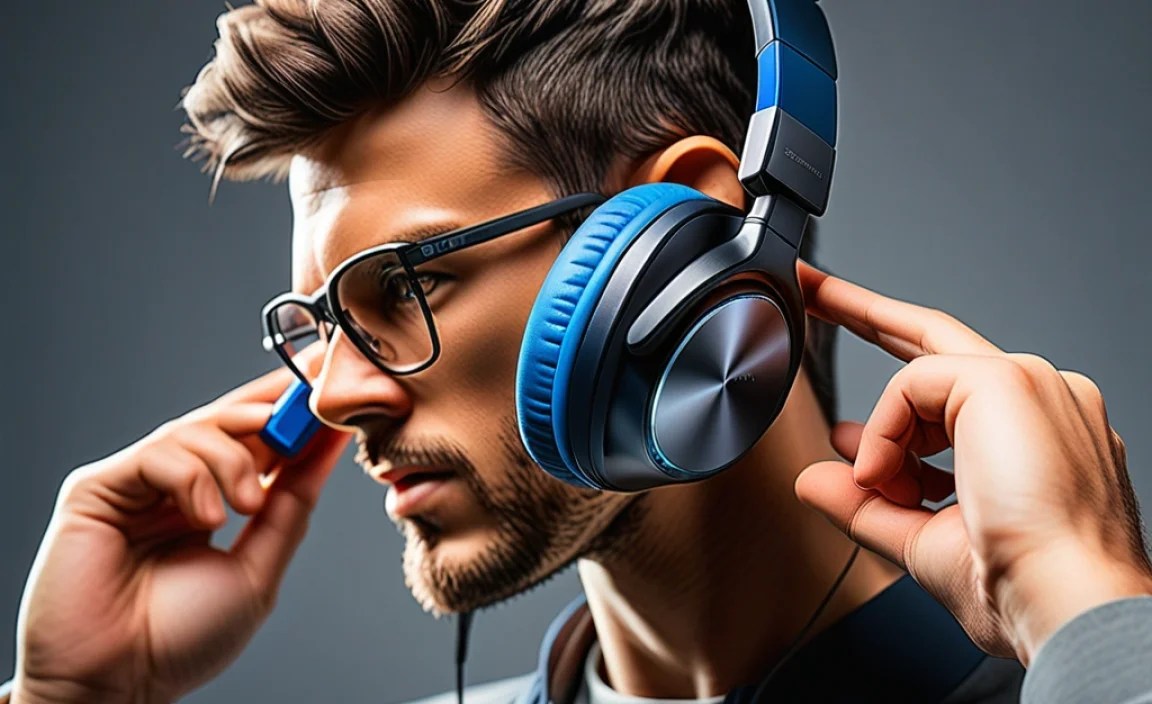
Not all Bluetooth headphones are created equal, especially when it comes to the demanding environment of a shooting range. Here are the essential features you should prioritize:
1. Noise Reduction and Sound Amplification
This is paramount. Look for headphones that offer a high Noise Reduction Rating (NRR), typically 20 dB or higher. More importantly, they should feature active noise cancellation or, even better, sound amplification technology. This technology allows you to hear ambient sounds at safe levels while instantly blocking out harmful impulse noises like gunfire. The amplification should be clear and natural-sounding, not distorted or artificial.
According to the CDC’s guidelines on noise levels, sounds above 85 decibels can cause hearing damage over time. A gunshot can easily exceed 140 decibels, causing immediate damage. Effective electronic hearing protection works by detecting these dangerous peaks and shutting down or significantly reducing the amplification, offering a safe listening experience for everything else.
2. Durability and Comfort
You’ll likely be wearing these for extended periods, so comfort is key. Look for padded earcups, an adjustable headband, and a design that doesn’t create excessive pressure. The headphones should be built to withstand the rigors of outdoor or indoor range use. This means durable materials, resistance to sweat and moisture (IPX ratings can be helpful here), and a solid construction that won’t easily break.
3. Bluetooth Connectivity and Range
Good Bluetooth range ensures a stable connection. You want to be able to move around a bit without losing audio. Look for Bluetooth 5.0 or higher for a more reliable and energy-efficient connection. The ease of pairing with your devices is also important – you don’t want to be fumbling with settings when you should be focusing on your shooting.
4. Battery Life
A long-lasting battery is crucial for a full day at the range. Check the advertised battery life under continuous use. Many shooting headphones offer 15-30 hours of playback or active use, with some even longer. Consider models that support quick charging, so a short plug-in can get you back up and running.
5. Microphone Quality and Voice Clarity
If you plan to use these for communication, the microphone quality matters. Look for clear voice pickup and noise suppression for the microphone itself, so others can hear you even in a noisy environment. Some headphones offer directional microphones or advanced noise-canceling for the mic.
6. Safety Certifications
While not always a direct feature, check if the product meets relevant safety standards. For hearing protection, look for ANSI S3.19 or EN352 certifications, which indicate that the headphones meet established performance criteria for hearing protection devices.
Types of Bluetooth Headphones for Shooting

When you venture into the world of Bluetooth headphones for shooting, you’ll encounter a few distinct categories, each with its own strengths:
1. Electronic Earmuffs with Bluetooth
These are the most common and often the most robust option. They look like traditional over-ear earmuffs but have integrated electronics, microphones, and Bluetooth capabilities. They offer excellent passive noise isolation combined with active sound amplification and wireless connectivity.
Pros:
- Excellent all-around hearing protection.
- Often very durable and comfortable for long wear.
- Integrated microphones for situational awareness.
- Good battery life is common.
Cons:
- Can be bulky compared to other options.
- May not fit as comfortably with certain shooting glasses or helmets.
- Generally more expensive than basic Bluetooth headphones.
2. Bluetooth Earplugs with Sound Amplification
These are smaller, in-ear devices that offer a more discreet solution. They use advanced earplug technology combined with Bluetooth and active sound processing. They can be lighter and more comfortable for some users, especially those who find earmuffs cumbersome.
Pros:
- More compact and lightweight.
- Can offer a better fit with helmets and other headgear.
- Discreet and less obtrusive.
Cons:
- Hearing protection level (NRR) might be slightly lower than top-tier earmuffs.
- Battery life can be less than earmuffs, often relying on charging cases.
- May not provide as much passive isolation as over-ear designs.
- Can be easier to lose if not stored properly.
3. Custom-Molded Hearing Protection with Bluetooth
For the ultimate in comfort and fit, custom-molded earplugs or earmolds are available. These are made from impressions of your ear canal and offer a perfect seal. Many companies now offer custom solutions that integrate Bluetooth connectivity and active sound processing.
Pros:
- Unmatched comfort and fit.
- Superior seal for consistent hearing protection.
- Highly durable and personalized.
Cons:
- Significantly more expensive.
- Require professional ear impressions.
- Longer lead time for manufacturing.
How to Choose the Right Pair: A Step-by-Step Approach

Selecting the perfect Bluetooth headphones for your shooting needs involves considering your individual requirements. Here’s a practical guide to walk you through the process:
Step 1: Define Your Primary Use Case
Are you primarily at an indoor range, an outdoor range, or both? Do you need to communicate frequently with others? Will you be hunting or participating in competitive shooting? Your answers will guide your priorities for noise reduction, comfort, and connectivity features. For instance, competitive shooters might prioritize lightweight, secure-fit earplugs, while hunters might prefer earmuffs with long battery life and robust environmental sound amplification.
Step 2: Prioritize Hearing Protection Standards
Always look for the NRR (Noise Reduction Rating) on any hearing protection device. For shooting, an NRR of 20 dB or higher is generally recommended. If the product utilizes active noise suppression, verify its effectiveness. Look for reputable brands known for their safety and audio technology. Resources from organizations like the Hearing Loss Association of America can provide more context on the importance of appropriate decibel reduction.
Step 3: Evaluate Comfort and Fit
Consider how long you’ll be wearing the headphones.
- Earmuffs: Check for ample padding on the earcups and a well-padded, adjustable headband. Ensure they don’t pinch or cause excessive heat.
- Earplugs: Look for multiple sizes of ear tips (silicone, foam) to find the best seal. Consider the weight and how securely they stay in without causing discomfort.
- Custom Options: If budget allows, custom molds offer the best possible fit and comfort.
Try them on, if possible, or check reviews specifically mentioning long-term wear comfort.
Step 4: Assess Bluetooth Functionality
Confirm the Bluetooth version (5.0 or higher is ideal). Check the advertised Bluetooth range – 30 feet is standard, but some offer more. Consider how easy it is to pair with your phone, radio, or other devices. If you need to answer calls, verify microphone quality and noise cancellation for your voice.
Step 5: Check Battery Life and Charging
Calculate how long you typically spend at the range and multiply that by the usage time you expect from the headphones. Aim for a battery life that comfortably exceeds your longest range session. Pay attention to charging options – USB-C is common, and fast charging can be a lifesaver. Some models come with protective charging cases that extend total use time.
Step 6: Consider Durability and Environmental Resistance
Shooting environments can be dusty, wet, or subject to rough handling. Look for headphones made from robust materials. An IPX rating (e.g., IPX4, IPX5) indicates resistance to water splashes, which can be beneficial if you shoot outdoors in varying weather conditions.
### Step 7: Read Reviews and Compare Models
Once you’ve narrowed down your options based on the above criteria, dive into product reviews. Look for feedback from other shooters. Compare specifications and features side-by-side. A comparison table can be incredibly useful here.
Comparison Table: Popular Bluetooth Headphones for Shooting
To help you visualize the differences, here’s a simplified comparison of what you might find. (Note: Specific models and their features change rapidly; this is illustrative.)
| Feature | Model A (Electronic Earmuff Style) | Model B (Bluetooth Earplug Style) | Model C (High-End Earmuff Style) |
|---|---|---|---|
| NRR Rating | 26 dB | 22 dB | 29 dB |
| Sound Amplification | ✔ | Clear ambient sound | ✔ | Enhanced situational awareness | ✔✔ | Superior natural sound |
| Bluetooth Version | 5.1 | 5.2 | 5.3 |
| Battery Life (Hours) | 25 | 8 (plus 24 from case) | 30 |
| Comfort | High | Padded headband & earcups | Medium | Multiple tip sizes | Excellent | Ergonomic design |
| Durability (IPX) | IPX4 (Splash resistant) | IPX5 (Water resistant) | IPX4 (Splash resistant) |
| Price Range (USD Est.) | $$ | $$$ | $$$$ |
Key: $$$$ = Highest, $ = Lowest
Tips for Using Your Bluetooth Headphones at the Range
Once you’ve got your new gear, a few best practices will ensure you get the most out of it and stay safe:
- Test Before You Go: Always pair and test your headphones with your devices at home before heading to the range. Ensure you know how to control volume and manage calls.
- Understand the Controls: Familiarize yourself with the buttons or touch controls. Practice adjusting volume, pausing/playing audio, and answering calls in a quiet environment.
- Proper Fit is Crucial: For earmuffs, ensure a snug seal all around the ears. For earplugs, insert them correctly to achieve the best seal and noise reduction. A proper fit is vital for both comfort and effective protection.
- Monitor Battery Levels: Keep an eye on your battery life. If you have a charging case, bring it along for extended range days.
- Be Aware of Your Surroundings: While amplification helps, never rely solely on electronic hearing protection for critical awareness. Always maintain vigilance.
- Clean and Maintain: Follow the manufacturer’s instructions for cleaning earcups, ear tips, and the exterior of the headphones. This keeps them hygienic and ensures optimal performance.
- Carry a Backup: For critical situations or very long days, having a basic pair of passive hearing protection (like foam earplugs) as a backup is always a good idea.
Frequently Asked Questions (FAQ)
Q1: Can I use my regular music Bluetooth headphones at the shooting range?
While some regular Bluetooth headphones might offer decent passive noise isolation, they are generally NOT designed for shooting. The primary danger from gunfire is the impulse noise, which can cause immediate hearing damage. Dedicated shooting headphones have specialized circuitry to detect and instantly suppress these dangerous sound levels while amplifying safer ambient noises. Using regular headphones could lead to permanent hearing loss because they lack this critical safety feature.
Q2: How do Bluetooth headphones protect my hearing from gunshots?
Bluetooth headphones for shooting employ active sound control. They have external microphones that constantly monitor sound levels. When a noise exceeding a safe threshold (like a gunshot) is detected, the internal circuitry instantaneously shuts down amplification or drastically reduces the sound reaching your ears. For softer sounds, like speech or warning signals, the amplification allows you to hear them clearly, often clearer than you would without protection.
Q3: Are Bluetooth headphones safe for indoor ranges?
Yes, absolutely. Indoor ranges are typically louder than outdoor ranges, making effective hearing protection even more critical. Bluetooth headphones with high NRR ratings and advanced sound suppression are specifically designed to handle the intense impulse noise found indoors. The added benefit of clear communication can also be invaluable in these enclosed spaces.
Q4: What does “sound amplification” mean in the context of shooting headphones?
Sound amplification refers to the ability of the headphones to pick up and boost quieter, ambient sounds. This is crucial for hearing whistles, range commands, your spotter, or even just the natural sounds of the environment. The “smart” aspect is that this amplification is controlled; it raises safe sounds while automatically and instantly blocking dangerous loud noises like gunshots.
Q5: How do I clean my shooting headphones?
Cleaning instructions vary by manufacturer, but generally, you should wipe down the exterior with a mild, damp cloth. For earcups, you might be able to remove them for gentle cleaning with soap and water, but always ensure they are completely dry before reattaching. For earplugs, focus on cleaning the ear tips with mild soap and water or an approved cleaning solution, and store them in their charging case to keep them protected.
Q6: Can I connect my phone and a communication radio to shooting headphones simultaneously?
Some higher-end shooting headphones support multi-point Bluetooth, which allows them to be connected to two devices at once. This means you could connect to your phone for music or calls and to a two-way radio for communication. Check the product specifications carefully to confirm if multi-point connectivity is a feature.
The Final Shot: Invest in Your Hearing, Enhance Your Experience
Choosing the right Bluetooth headphones for shooting is an investment in both your hearing health and your overall experience at the range. With the blend of robust hearing protection, clear sound amplification, and convenient wireless connectivity, these specialized headphones offer a significant upgrade over traditional ear protection.
By understanding the key features, considering your specific needs, and following a methodical selection process, you can confidently find a pair that not only keeps your ears safe but also enhances your focus, communication, and enjoyment. Don’t let complex tech jargon intimidate you; prioritize safety, comfort, and the core functionalities that matter most. Happy shooting!
