
Quick Summary: Dive into your swim workouts with confidence! This guide explains how to choose and use waterproof Bluetooth headphones, ensuring your music or podcasts stay with you in the water. We cover essential features, IP ratings, and tips for a great underwater audio experience.
Hello, fellow audio adventurers! Edward Cavitt here from headphonehorizon, your go-to spot for making sense of all things sound. Ever imagined a refreshing swim accompanied by your favorite pump-up playlist or an engrossing audiobook? For years, this seemed like a wish reserved for synchronized swimmers with hidden tech. But thanks to incredible advancements, the dream is now a splashy reality!
Waterproof Bluetooth headphones are here, transforming pool sessions and open-water swims into immersive sonic journeys. Don’t let the idea of “waterproof tech” intimidate you; it’s simpler than you think. Let’s dive in and discover how to keep your audio flowing, even when you’re submerged.
Why Embrace Bluetooth Headphones for Swimming?

The allure of enjoying audio while swimming is undeniable. Think about it: no more relying on noisy pool environments or the monotony of just the water sounds. With the right Bluetooth headphones, you can:
- Boost Motivation: Your favorite music can significantly enhance your workout intensity and endurance.
- Make Time Fly: Turn a long training session into an enjoyable experience with podcasts or audiobooks.
- Stay Focused: Block out distractions and maintain your rhythm and pace without external interruptions.
- Enjoy a Unique Experience: Discover a new dimension of relaxation or exhilaration during your aquatic activities.
However, not just any pair of headphones will do. The chlorine in pools and the salt in the sea can be harsh on electronics. That’s where specialized waterproof Bluetooth headphones come into play, engineered to withstand the rigors of swimming.
Understanding Waterproof Ratings: IPX and Beyond

This is perhaps the most crucial aspect when looking for headphones to take into the water. You’ll see something called an “IP rating,” which is an international standard for how well something is protected against dust and water. IP stands for “Ingress Protection.” The first digit usually relates to dust protection, and the second to water. For swimming, we’re primarily concerned with the water protection, so we’ll be looking at the second digit.
Here’s a breakdown of common IP ratings you’ll encounter:
| IP Rating | Level of Protection | What it Means for Swimming |
|---|---|---|
| IPX0 | No protection | Not suitable for any water exposure. |
| IPX4 | Protection from splashing water | Resistant to sweat and light splashes, but not immersion. Not recommended for swimming. |
| IPX5 | Protection from water jets | Can withstand low-pressure water jets from any direction. Might be okay for very light, brief splashes, but still not ideal for submersion. |
| IPX6 | Protection from powerful water jets | Can withstand high-pressure water jets. Better, but still not designed for prolonged immersion. |
| IPX7 | Protection from immersion up to 1 meter for 30 minutes | This is generally the minimum you’ll want for swimming. They can handle being submerged for a reasonable period. |
| IPX8 | Protection from continuous immersion in water under conditions specified by the manufacturer | The gold standard. These are designed for deeper submersion or longer periods. Always check the manufacturer’s specific depth and time limits. |
When selecting Bluetooth headphones for swimming, aim for at least IPX7. For dedicated swimmers or those who spend significant time in the water, IPX8 is the way to go.
Always check the manufacturer’s specifics, as IPX8 can vary. For instance, one pair might be rated for 1 meter for 30 minutes, while another could be rated for 3 meters for longer. For more detailed information on IP ratings, you can refer to the International Electrotechnical Commission (IEC) site, which is the authority behind these standards.
Why IPX4 and IPX5 Aren’t Enough
While IPX4 and IPX5 headphones are great for sweaty workouts or light rain, they are not designed for submersion. Pools contain chemicals like chlorine, and even freshwater can cause damage if the seals aren’t robust enough. If your headphones are only rated IPX4 or IPX5, using them for swimming could lead to irreparable damage and void your warranty. Stick to IPX7 and above for true peace of mind in the water.
Types of Bluetooth Headphones for Swimming

The world of waterproof audio gear has expanded, offering different styles to suit various preferences and swimming techniques:
In-Ear Earbuds with Ear Hooks
These are perhaps the most common type. They fit snugly inside your ear canal and often come with a band or ear hooks to keep them securely in place during movement. Look for models specifically designed for sports, as they tend to have a more robust fit.
- Pros: Secure fit, good seal for bass and noise isolation, generally compact.
- Cons: Can sometimes feel intrusive, some people experience discomfort with long-term in-ear wear.
Bone Conduction Headphones
These don’t go into or over your ears at all. Instead, they rest on your cheekbones, transmitting sound vibrations through your skull directly to your inner ear. This leaves your ear canal open, which many swimmers prefer for situational awareness.
- Pros: Incredible situational awareness (you can hear your surroundings), comfortable for long periods, no ear canal blockage which can be preferred by some swimmers or for safety.
- Cons: Sound quality, especially bass, is often not as rich as traditional headphones; can pick up wind noise at higher speeds; ensuring a waterproof seal can be tricky for some designs.
For swimming, it’s crucial that bone conduction headphones are specifically rated for submersion. Many are only sweat-resistant.
Behind-the-Neck or Neckband Style
These usually feature earbuds connected by a flexible band that rests behind your neck. The band helps keep the earbuds from falling out and often houses the battery and controls. Many waterproof models in this category are designed with aquatic use in mind.
- Pros: Good balance of security and comfort, easier to put on and take off than some earbuds, often have good battery life.
- Cons: The neckband can feel noticeable to some users; may not be as secure as sport-specific earbuds for intense movements.
Key Features to Look For (Beyond Waterproofing)
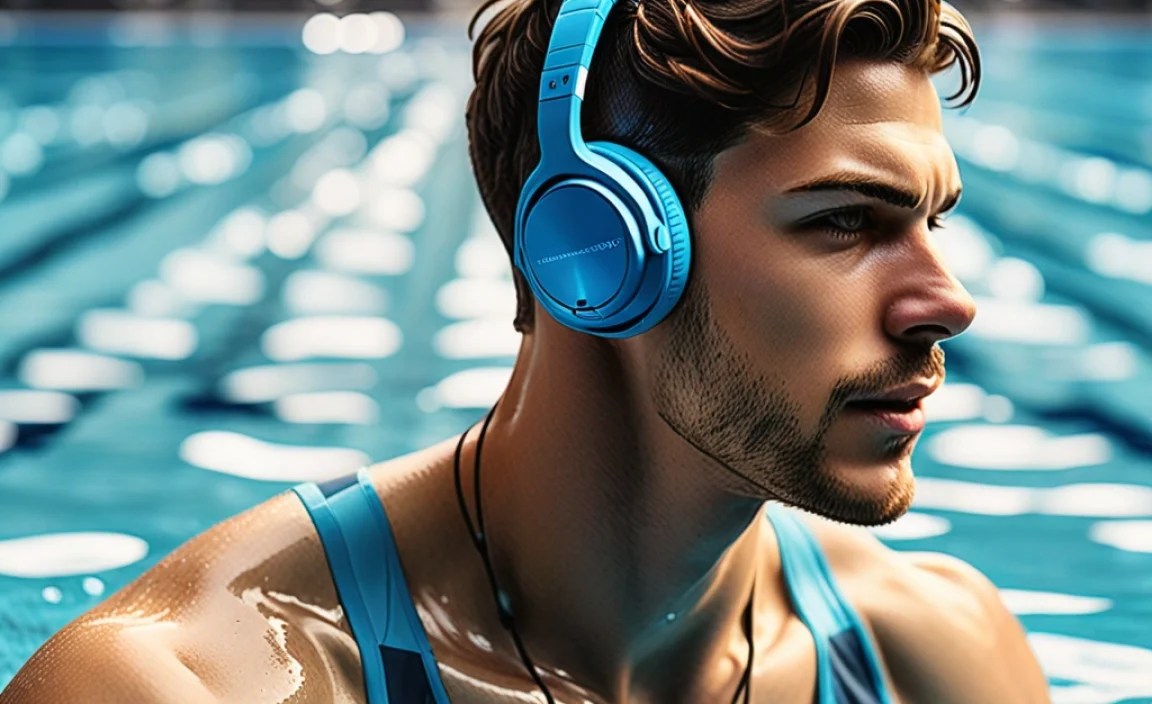
Once you’ve got the waterproofing covered, consider these other important features:
Secure Fit and Comfort
This cannot be stressed enough. If your headphones fall out mid-lap, they’re useless. Look for:
- Multiple ear tip sizes: Different sizes of silicone or foam tips ensure a snug fit for your ear canal.
- Ear hooks or wings: These small fins or loops help to anchor the earbuds in place.
- Lightweight design: Heavy headphones can become dislodged more easily.
- Ergonomic shape: Comfort is key for longer swim sessions.
Sound Quality in Water
Water affects sound. It can muffle high frequencies and change the perceived bass. Some headphones are designed to compensate for this. Bone conduction, as mentioned, offers a different sonic profile entirely due to the physics of how sound travels.
Battery Life
A typical swimming session or training block might last 1-2 hours. Aim for headphones with at least 6-8 hours of battery life to ensure they can handle multiple sessions before needing a recharge. This also gives you a buffer in case you forget to charge them overnight.
Storage and Transfer
This is a game-changer for swimmers. Some waterproof headphones include built-in storage (like an MP3 player). This means you don’t need your phone or a Bluetooth-enabled device by the pool. You can load your music directly onto the headphones, and then leave your phone safely tucked away. This is ideal for pool swimming where connecting to a device can be difficult.
- Built-in MP3 Player: Load music files (MP3, WMA, FLAC, etc.) directly onto the headphones.
- Bluetooth Connectivity: For streaming from your phone or music player.
Controls and Ease of Use
Fumbling with tiny buttons when your fingers are wet is frustrating. Look for headphones with intuitive, tactile controls that are easy to locate and use even with wet hands or swimming gloves.
How to Use Your Bluetooth Headphones for Swimming Safely and Effectively

Once you’ve got your waterproof Bluetooth headphones, there are a few steps to ensure a great experience and protect your gear.
Step 1: Charge Them Up
Before your first swim, ensure your headphones are fully charged. Most waterproof headphones use magnetic charging ports or are entirely sealed. Check the manual for charging instructions, as some may require a specific cable or adapter.
Step 2: Load Your Music (If Applicable)
If your headphones have built-in storage, connect them to your computer via USB and drag and drop your music files. Most models support common formats like MP3, AAC, and WMA. Check your headphone’s manual for supported file types and any specific software required for syncing.
Step 3: Ensure a Secure Fit
Try them on before you even get to the pool. Experiment with the different ear tip sizes. For earbuds, ensure they create a good seal in your ear canal. If they have ear hooks or wings, make sure they sit comfortably and securely.
Step 4: Pair with Your Device (If Using Bluetooth)
If you’re not using built-in storage, you’ll need to pair your headphones with your Bluetooth-enabled device. Many waterproof headphones require you to pair them in a specific mode, often by pressing and holding a button until an indicator light flashes. Ensure your phone or music player’s Bluetooth is on and search for the headphones in the list of available devices. If you’re swimming in a pool, placing your device in a waterproof pouch near the edge of the pool can help maintain a stable connection. For open water, this can be more challenging.
Step 5: Enter the Water
Gently submerging yourself is usually fine. For initial immersion, double-check that they feel secure. The pressure of the water can sometimes help create a tighter seal with in-ear models.
Step 6: Control Your Audio
Familiarize yourself with the on-device controls before you start swimming. You’ll want to be able to play/pause, skip tracks, and adjust volume without having to constantly surface or adjust your goggles.
Step 7: After Your Swim: Maintenance is Key!
This is perhaps the most overlooked step, but it’s vital for longevity:
- Rinse Immediately: As soon as you get out of the water, rinse your headphones thoroughly with clean, fresh water. This removes chlorine, salt, and other residues that can degrade materials and clog ports.
- Wipe Dry: Gently wipe the headphones with a soft, lint-free cloth.
- Air Dry: Allow them to air dry completely before storing or charging. Crucially, ensure any charging ports are dry. Charging when wet can damage the electronics.
- Clean Ear Tips: Detachable ear tips can be washed with mild soap and water, then dried thoroughly.
- Check for Moisture: Before storing, ensure the charging case (if applicable) and the headphones themselves are completely dry.
Following these steps will significantly extend the life of your waterproof Bluetooth headphones.
Bluetooth Connectivity Challenges in Water
It’s important to have realistic expectations about Bluetooth performance in water. Bluetooth signals do not travel well through water. This means:
- Distance Limited: If you’re using a phone or player, it needs to be very close to your headphones. For pool swimming, placing your device in a waterproof pouch right at the edge of the pool usually works best.
- Signal Interruption: Even with the device close, moving your head or the device can cause brief dropouts.
- Open Water Concerns: Open water swimming presents greater challenges. The vastness of the water and potential distance from a device make Bluetooth streaming often unreliable. This is where headphones with built-in storage shine.
This is why wireless headphones with integrated MP3 players are so popular among swimmers. They completely bypass the need for a Bluetooth connection during the swim itself, offering uninterrupted audio.
Top Considerations for Different Swimming Environments
Your choice of headphones might also depend on where you swim:
| Environment | Key Considerations | Recommended Features |
|---|---|---|
| Chlorinated Swimming Pool | Chlorine can be harsh. Water resistance against submersion needed. Secure fit is paramount. | IPX7/IPX8, secure fit (ear hooks/wings), built-in storage or very close device proximity. |
| Saltwater (Ocean/Sea) | Salt is highly corrosive. Extreme water resistance needed. Saltwater can affect Bluetooth signals more than freshwater. | IPX8 with robust sealing, durable materials, built-in storage is a major plus. Rinse thoroughly with fresh water immediately after use. |
| Open Water Swimming (Lakes, Rivers) | Situational awareness is critical for safety. Need to hear boats, wildlife, or companions. Durable and buoyant (or tethered) if using a device. | Bone conduction headphones are often preferred for awareness. IPX7/IPX8 rating. Built-in storage is highly recommended due to signal limitations. Consider bright colors for visibility. |
| Kayaking/Paddleboarding | May involve splashes or brief immersion. Situational awareness is key. | IPX5+ (sweat/splash resistant) might suffice if not fully submerging, but IPX7/IPX8 offers peace of mind. Bone conduction is excellent here. |
No matter where you swim, proper rinsing and maintenance are non-negotiable for any waterproof electronics.
FAQ: Frequently Asked Questions
Q1: Can I really swim with regular Bluetooth earbuds?
A: Generally, no. Unless your regular Bluetooth earbuds are specifically rated IPX7 or IPX8 (waterproof for submersion), they are not designed for swimming. Exposure to pool chemicals or submersion can permanently damage them.
Q2: How does music sound underwater?
A: Sound travels differently underwater. It can sound muffled or distorted, especially higher frequencies. Some headphones are tuned to compensate for this. Bone conduction headphones sound quite different from in-ear types, relying on vibrations rather than airwaves. Experimenting with EQ settings on your music player might help some headphones.
