
Quick Summary: Want to swim to your favorite tunes? Look for Bluetooth headphones with a high IPX rating (like IPX8) for water resistance, a secure, comfortable fit, good battery life, and excellent sound quality. These features ensure a safe, enjoyable, and immersive swimming experience.
It’s a fantastic feeling, isn’t it? Gliding through the water, the gentle resistance of the pool, and your favorite playlist powering your laps. But then you remember: most headphones and water are a recipe for disaster. Fortunately, technology has caught up to our aquatic workout desires! Waterproof Bluetooth headphones for swimming are no longer a niche gadget; they’re a real possibility. If you’ve ever dreamed of a soundtrack to your swim, you’re in the right place. This guide will break down exactly what to look for, making sure you get the best gear without drowning in technical jargon. Let’s dive in and explore the features that make swimming headphones truly swim-worthy!
Why Waterproof Bluetooth Headphones for Swimming?

The simple answer? Safety and enjoyment. Taking your regular headphones anywhere near water is a gamble. A splash can fry the electronics, and submersion is almost always fatal for non-waterproof devices. Traditional wired headphones are also a hazard in the pool, with cords getting tangled and posing a potential safety risk. Waterproof Bluetooth headphones specifically designed for swimming eliminate these worries. They allow you to:
- Enhance your workouts with music or podcasts.
- Improve focus and rhythm during laps.
- Make monotonous swimming sessions more engaging.
- Enjoy your longest swims without boredom.
- Stay safe with hands-free audio without the entanglement of wires.
But not all “water-resistant” products are created equal, especially when it comes to the demands of swimming. This is where understanding the essential features comes into play.
Essential Features for Waterproof Bluetooth Headphones for Swimming

When you’re looking for headphones that can handle being submerged, some features are non-negotiable. We’ll break down the most important ones to ensure you make a confident purchase.
1. Water Resistance Rating (IPX Rating)
This is arguably the most critical feature. The Ingress Protection (IP) rating system, developed by the International Electrotechnical Commission (IEC), tells you how well a device is protected against solids (like dust) and liquids. For swimming headphones, the most important part is the second digit, which signifies liquid ingress protection. Here’s a quick rundown:
Understanding IPX Ratings for Water Submersion:
| IPX Rating | Protection Level | Suitability for Swimming |
|---|---|---|
| IPX0 | No protection against water. | Not suitable for any water exposure. |
| IPX1 | Protected against vertically falling water drops. | Minimal protection; not for swimming. |
| IPX2 | Protected against water falling at a 15° angle. | Slightly better, but still not for swimming. |
| IPX3 | Protection against water sprayed at up to a 60° angle. | Splash-proof; not for swimming. |
| IPX4 | Protection against water splashed from any direction. | Splash-proof; suitable for sweat, but NOT swimming. |
| IPX5 | Protection against low-pressure water jets from any direction. | Can handle rain and sweat, but NOT submersion. |
| IPX6 | Protection against high-pressure water jets from any direction. | Can withstand strong spray, but prolonged submersion is risky. |
| IPX7 | Protected against temporary immersion (up to 1 meter for 30 minutes). | Good for accidental submersion; better for swimming but potentially limited. |
| IPX8 | Protected against continuous immersion in water under conditions specified by the manufacturer (e.g., deeper than 1 meter and for longer durations). | This is what you want for swimming. |
For confident swimming, especially if you plan on longer sessions or diving, always aim for an IPX8 rating. Manufacturers will usually specify the depth and duration the headphones are rated for (e.g., “up to 3 meters for 30 minutes”). Always check these details. An IPX7 rating might suffice for very casual dips, but IPX8 offers peace of mind for regular swimming.
2. Fit and Comfort
Losing an earbud halfway through your swim is frustrating at best and a potential safety hazard at worst. Swimmers need headphones that stay put, no matter how vigorous their strokes. Look for features like:
- Secure Ear Hooks or Wingtips: These are designed to lock into the natural contours of your ear, providing extra stability.
- Multiple Eartip Sizes: Different ear sizes require different eartip sizes to create a snug, watertight seal and a comfortable fit. Most good swimming headphones come with several options.
- Lightweight Design: Heavy headphones can become uncomfortable during long swims and may even contribute to them dislodging.
- Ergonomic Shape: The overall design should contour to your ear for a secure, low-profile feel that doesn’t interfere with goggles or swim caps.
Testing the fit before buying is ideal, but if shopping online, read reviews specifically mentioning how well the headphones stay in place during swimming.
3. Audio Quality and Storage
While waterproofing is key, you still want to enjoy your music! Here’s what to consider regarding sound and how you get your audio:
Submersible Sound:
Some headphones use innovative bone conduction technology, which transmits sound vibrations through your cheekbones to your inner ear, leaving your ear canal open. This is great for awareness of your surroundings (like a pool alert!). Others use traditional in-ear drivers, but their waterproof design can sometimes impact sound clarity or bass response. Read reviews focusing on sound quality for this specific use case.
Music Storage Options:
This is a crucial differentiator for swimming headphones:
- Bluetooth Connectivity Only: These rely on a Bluetooth signal from a device that must be kept waterproof and within range (e.g., a waterproof phone armband or a transmitter at the pool’s edge). This can be finicky underwater, as Bluetooth signals don’t penetrate water well.
- Built-in MP3 Player: Many of the best swimming headphones come with integrated music storage. This means you can upload your music files directly to the headphones and leave your phone or other device behind altogether. This is the most reliable method for uninterrupted, on-device playback in the pool. Check the storage capacity (e.g., 4GB, 8GB) as this determines how many songs you can store.
For seamless swimming without Bluetooth signal interruptions, headphones with built-in MP3 players are generally superior.
4. Battery Life
Long swim sessions require long-lasting battery life. While Bluetooth headphone battery life can vary, for swimming, you’ll want at least 4-6 hours of playback on a single charge. This should be enough for most extended training sessions or recreational dips. Some top-tier models may offer even more. Consider how often you’ll need to recharge and whether the headphones support quick charging if you’re often in a hurry.
Typical Battery Life Expectations:
| Feature | Good Battery Life for Swimming | Excellent Battery Life for Swimming |
|---|---|---|
| Playback Time | 4-6 hours | 8+ hours |
| Standby Time | 24-48 hours | 7+ days |
| Charging Time | 1.5-2 hours | 1-1.5 hours (or quick charge function) |
5. Durability and Build Quality
Swimming headphones undergo stress. They’re exposed to chlorine or saltwater, repeatedly submerged, and handled frequently. Therefore, robust construction is vital. Look for:
- Corrosion-Resistant Materials: Especially important if you swim in saltwater pools or the ocean.
- Sturdy Casing: The outer shell should feel solid and capable of withstanding minor bumps.
- Secure Charging Port: If there’s an external port, it should have a well-sealed cover to maintain the waterproof integrity.
Materials like durable plastics and silicone are common. Reviews often highlight how well headphones hold up over time and different types of water exposure.
6. Ease of Use and Controls
You don’t want to be fumbling with tiny buttons or complicated menus while in the water. Look for headphones with easily accessible, intuitive controls that allow you to adjust volume, skip tracks, and play/pause without breaking your rhythm. Some models offer voice controls or simple physical buttons that can be operated even with wet fingers.
Key Controls to Look For:
- Play/Pause
- Volume Up/Down
- Track Skip Forward/Backward
- Power On/Off
- (Optional) Voice Assistant access
7. Bone Conduction vs. In-Ear for Swimming
This is a choice that significantly impacts your swimming experience:
Bone Conduction Headphones:
How they work: They rest on your cheekbones, just in front of your ears, and send sound vibrations through your skull to your inner ear. Your ear canal remains open.
Pros for Swimming:
- Situational Awareness: You can hear lifeguards, alarms, or other people around the pool.
- Comfort: They don’t go inside your ear, which can be more comfortable for some, especially during long swims.
- No Water Buildup: Prevents that uncomfortable feeling of water trapped in your ear canal.
Cons for Swimming:
- Sound Quality: Bass can be less intense, and general audio fidelity might not be as rich as premium in-ear models.
- Leakage: At higher volumes, others nearby might hear what you’re listening to.
- Fit: Some find the pressure on the cheekbones uncomfortable over time.
Waterproof In-Ear Headphones:
How they work: These are traditional earbuds designed to create a seal inside your ear canal. For swimming, they often come with secure fits and high IPX ratings. Many also have built-in MP3 players.
Pros for Swimming:
- Superior Sound Quality: Generally offer richer bass, clearer highs, and a more immersive listening experience due to the seal.
- Noise Isolation: The ear canal seal helps block out pool noise, allowing you to focus on your music.
- Secure Fit: When designed for swimming, they offer a very secure seal that prevents water ingress and stays put.
Cons for Swimming:
- Water in Ear Canal: Some users dislike the sensation of water or the earbud itself in their ear canal.
- Reduced Situational Awareness: The noise isolation can make it harder to hear important environmental sounds.
- Potential for Ear Infections: Though rare with proper hygiene, anything blocking the ear canal can potentially increase risk for some individuals. According to the CDC, swimmer’s ear can be caused by water trapped in the ear canal, leading to infection. Waterproof in-ear headphones can exacerbate this if not used correctly or if ears are prone to issues.
The choice largely depends on your priorities: immersion and sound quality (in-ear) versus awareness and comfort (bone conduction).
Preparing Your Headphones for the Pool
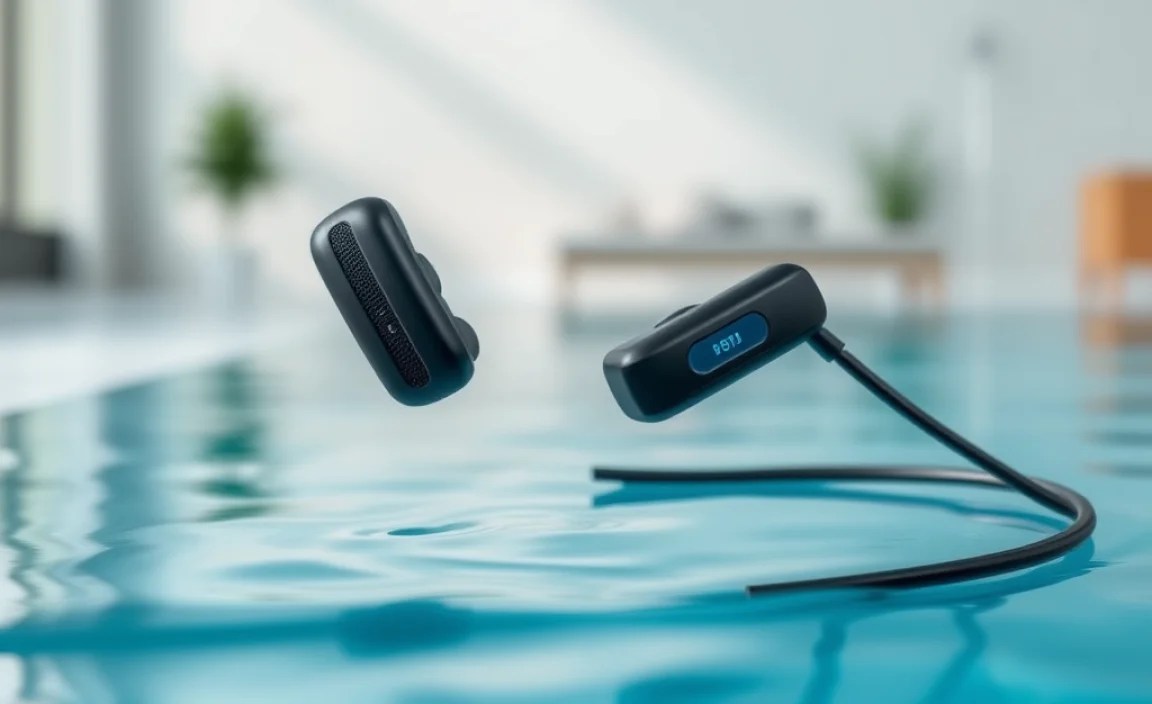
Once you’ve got your waterproof headphones, taking a little extra care will extend their life and keep them performing well.
1. Before Your Swim
- Charge them: Ensure they have plenty of battery life for your session.
- Load music (if applicable): If your headphones have a built-in MP3 player, upload your tunes beforehand.
- Check seals: Make sure any charging port covers are securely closed.
- Clean your ears: Gently cleaning your ears can help ensure a better seal for in-ear models and reduce the chance of irritation.
2. During Your Swim
- Manage the Bluetooth signal (if not using MP3): If your headphones require a Bluetooth connection, keep the source device (phone, music player) as close and as water-protected as possible. For example, use a waterproof armband. Understand that Bluetooth signals degrade significantly underwater.
- Avoid deep dives with lower IP ratings: Stick to the manufacturer’s depth and time limits for your IPX rating.
3. After Your Swim
This is the most crucial step for longevity:
- Rinse thoroughly: This is non-negotiable, especially if you swim in chlorinated pools or saltwater. Use fresh, lukewarm water to rinse off any residue. This prevents chlorine and salt from degrading the seals and materials over time.
- Dry gently: Use a soft, dry cloth to wipe down the exterior of the headphones. Pay attention to nooks and crannies where water might collect.
- Air dry completely: Leave the headphones to air dry in a well-ventilated area before storing them or charging them. Ensure the charging port is completely dry if it’s exposed. Never use a hairdryer or direct heat, as this can damage the components.
- Clean eartips/wingtips: Remove eartips or wingtips and clean them separately, ensuring they are also completely dry before reattaching.
Following these simple steps after each swim will protect your investment and ensure your waterproof headphones keep delivering the soundtrack to your laps for a long time.
Frequently Asked Questions (FAQ)
Q1: Can I use any headphones that are just “water-resistant” for swimming?
No, it’s highly recommended not to. “Water-resistant” often means they can handle splashes or sweat (like IPX4 or IPX5). Swimming involves submersion, which requires a much higher level of protection, typically an IPX7 or, ideally, an IPX8 rating. Using non-swimming-rated headphones in the pool is a sure way to damage them.
Q2: My waterproof headphones aren’t playing music via Bluetooth in the pool. What’s wrong?
Bluetooth technology doesn’t transmit well through water. Even with high IPX ratings, the signal can cut out or become unreliable once you’re submerged. This is why many swimmers prefer headphones with built-in MP3 players that can store music directly on the device, eliminating the need for a Bluetooth connection while swimming.
Q3: How do I store my waterproof swimming headphones?
Always ensure they are completely dry after rinsing and air-drying. Store them in a cool, dry place, ideally in a protective case if one was provided. Avoid storing them in damp gym bags or direct sunlight. If they have a charging port, ensure the cap is secure to maintain its waterproof integrity when not charging.
Q4: Can I use waterproof headphones for swimming in the ocean?
Yes, but it’s even more crucial to rinse them with fresh water immediately after use. Saltwater is much more corrosive than pool chlorine and can degrade materials and seals more quickly. Give them a thorough rinse in fresh water and dry them completely as per the post-swim care instructions.
Q5: Will waterproof headphones fit comfortably under a swim cap and goggles?
Most headphones designed for swimming have a low-profile, ergonomic design that fits well under a swim cap. For in-ear models, the eartips are designed to create a secure seal without protruding excessively. Bone conduction headphones rest on the cheekbones and typically don’t interfere with goggles. Always check reviews for comments on fit with other swim gear.
Q6: How often should I replace my waterproof swimming headphones?
With proper care and maintenance (rinsing after every swim, gentle drying), a good pair of waterproof headphones can last for several years. However, like all electronics, they have a lifespan. You might notice degradation in battery life, sound quality, or water resistance over time. If they start to show signs of wear or fail to perform as expected, it’s time to consider a replacement. For heavy users, this might be 2-4 years, while lighter users might get longer.
