
Quick Summary: Dive into your swim with crystal-clear audio using Bluetooth underwater headphones. Our beginner’s guide covers how they work, what to look for, essential features for swimmers, and tips to ensure a submerged sound experience. Enjoy your laps with your favorite tunes!
Bluetooth Underwater Headphones for Swimming: Your Essential Guide
There’s something incredibly motivating about having your favorite playlist accompany you during your swim. Whether you’re pounding out laps at the local pool or enjoying a refreshing dip in open water, music can transform the experience. But how do you get music underwater when regular headphones just don’t cut it? Enter Bluetooth underwater headphones for swimming! These specially designed gadgets open up a world of submerged audio. If you’re new to the idea but eager to bring your tunes into the blue, you’ve come to the right place. We’ll break down everything you need to know to make a splash with your new waterproof audio companions.
Understanding Bluetooth Underwater Headphones
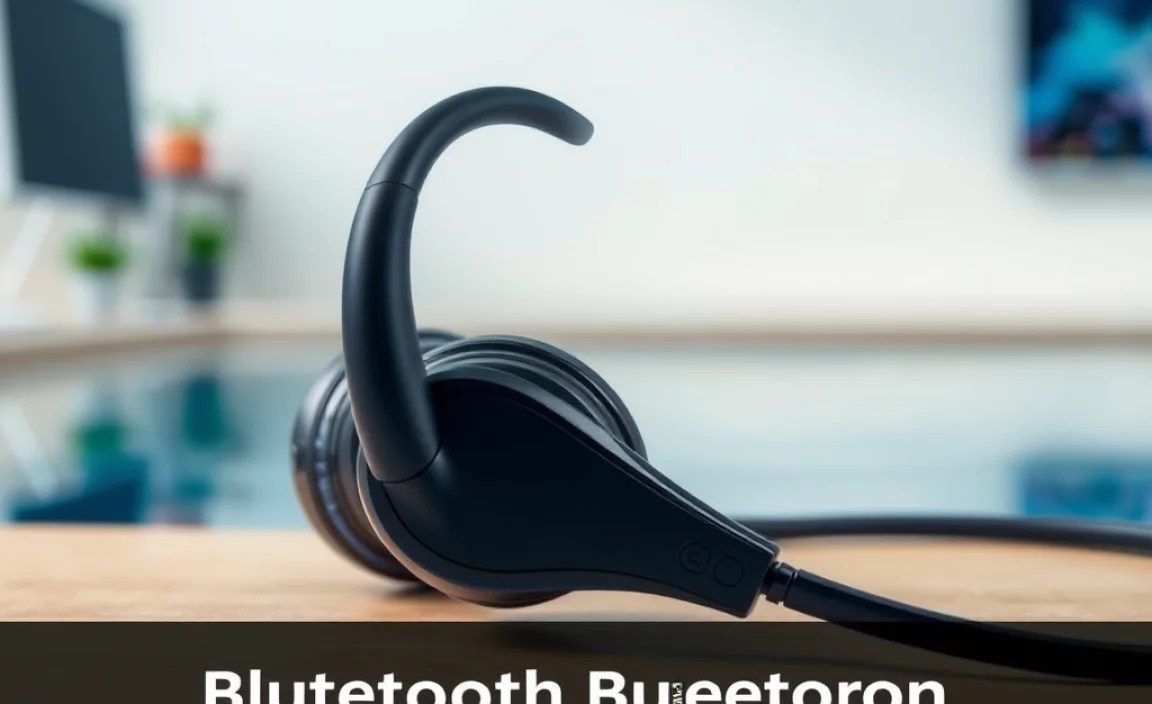
The magic behind Bluetooth underwater headphones for swimming lies in a few key technologies. Firstly, they are built to be completely waterproof, often boasting high IPX ratings. Secondly, they utilize specific Bluetooth frequencies that can penetrate water better than standard Bluetooth. For a deeper dive into how Bluetooth signals work and their limitations, you can explore resources like the Bluetooth Technology Website. In essence, these headphones allow you to stream music wirelessly from your phone or other Bluetooth-enabled device, providing a seamless audio experience even when submerged.
How They Work in Water
It might sound like science fiction, but these headphones are engineered to overcome the challenges of transmitting signals through water. Traditional Bluetooth signals have a hard time penetrating anything denser than air. However, many underwater headphones use a specialized version of Bluetooth, or sometimes a combination of Bluetooth and internal storage, to ensure a stable connection. Some models store your music directly on the device, acting like a waterproof MP3 player, which completely eliminates the need for a constant Bluetooth stream while you’re swimming. This is often the most reliable method for uninterrupted audio underwater.
Why Choose Bluetooth Underwater Headphones for Swimming?

The benefits of using dedicated Bluetooth underwater headphones while swimming are numerous. They offer a more immersive and motivating workout experience, turning mundane laps into an enjoyable audio journey. Unlike traditional headphones that can be bulky, tangle-prone, and easily damaged by water, these are designed for aquatic performance and comfort.
Key Advantages
- Waterproof Design: They are built to withstand submersion, protecting the internal components from water damage.
- Wireless Freedom: Enjoy your music without the hassle of tangled wires.
- Enhanced Motivation: Music can significantly boost endurance and make swimming more enjoyable.
- Comfortable Fit: Designed to stay secure during vigorous swimming strokes.
- Durability: Built with robust materials to withstand the elements and activity.
What to Look for in Bluetooth Underwater Headphones

Selecting the right pair of Bluetooth underwater headphones for swimming involves checking for specific features that cater to aquatic use. Not all “waterproof” headphones are created equal, and swimming presents a unique set of challenges for electronics.
Essential Features for Swimmers
When you’re browsing for your perfect pair, keep these crucial features in mind:
- Waterproof Rating (IPX): This is paramount. Look for an IPX7 rating, which means the device can be submerged in up to 1 meter of water for 30 minutes. For serious swimmers, an IPX8 rating is even better, indicating the device is suitable for continuous immersion at greater depths and durations. You can learn more about IP ratings from the International Electrotechnical Commission (IEC).
- Bluetooth Connectivity & Range: While many headphones are labeled “Bluetooth,” their performance underwater can vary. Some use specific Bluetooth versions optimized for water penetration, while others rely more heavily on internal storage. Check reviews that specifically mention underwater performance.
- Internal Storage: Many of the best underwater headphones have built-in MP3 players. This allows you to load your music directly onto the headphones, eliminating the need for a constant Bluetooth connection to your phone, which can be unreliable underwater.
- Secure and Comfortable Fit: Swimming involves a lot of movement. Earbuds with multiple tip sizes and possibly ear hooks ensure they stay in place and create a good seal for sound quality.
- Battery Life: Ensure the battery life is sufficient for your typical swimming sessions. A decent pair should offer at least 6-8 hours of playback on a single charge.
- Sound Quality: While some compromises might be made for waterproof design, good sound quality is still essential for an enjoyable listening experience.
- Ease of Controls: You’ll want easy-to-use buttons, ideally accessible even with wet hands, for managing playback and volume.
Technical Specifications to Consider
Here’s a quick breakdown of what those technical terms mean for your swimming experience:
| Feature | What It Means for Swimmers | Recommendation |
|---|---|---|
| IPX Rating | Resistance to water. IPX7 is submersion up to 1m for 30 mins. IPX8 is deeper/longer. | Aim for IPX7 or higher. |
| Bluetooth Version | How efficiently it transmits data. Newer versions (5.0+) can be more stable. | Generally, go for newer versions if Bluetooth streaming is your primary method. |
| Internal Storage (MP3 capability) | Ability to store music files directly on the device. | Highly recommended for reliable audio underwater. |
| Battery Life | How long the headphones last on a single charge. | At least 6 hours for most swimmers. |
Types of Bluetooth Underwater Headphones

When you start shopping, you’ll notice a few design styles. Each has its own pros and cons for swimmers.
1. Bone Conduction Headphones
These don’t actually go inside your ear canal. Instead, they rest on your cheekbones, sending vibrations that your inner ear interprets as sound.
- Pros for Swimmers: They leave your ear canals open, which can be safer in open water as you can still hear your surroundings. The fit is usually very secure.
- Cons for Swimmers: Sound quality might not be as rich as in-ear models. Some people find the vibrations noticeable, especially at higher volumes.
2. In-Ear Waterproof Earbuds
These look like regular earbuds but are sealed to be waterproof. They fit snugly into the ear canal, providing good sound isolation.
- Pros for Swimmers: Excellent sound quality and noise isolation. Often provide a very secure fit due to the in-ear design.
- Cons for Swimmers: Can occasionally feel like they’re “blocking” too much, though this is often a pro for focused workouts.
3. Clip-On/Neckband Styles
These might have earbuds attached to a band that sits around your neck or clips onto goggles, with the main unit being waterproof.
- Pros for Swimmers: The main unit can be secured elsewhere, reducing the chance of it falling off. Often offer good battery life.
- Cons for Swimmers: The neckband can create drag or feel a bit cumbersome for some.
Getting Started: Setting Up Your Underwater Headphones
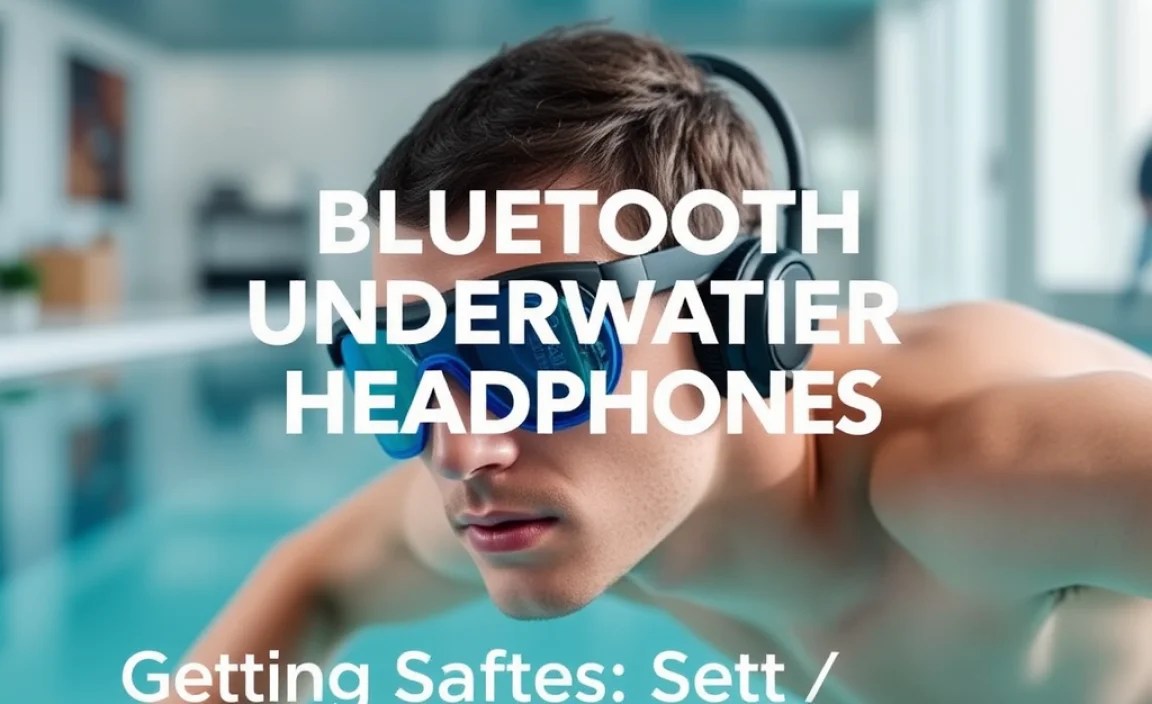
Setting up your new waterproof headphones is usually straightforward. The exact steps might vary slightly by brand, so always refer to your user manual. However, here’s a general guide:
- Charge Them Up: Before your first swim, ensure your headphones are fully charged. Most come with a USB charging cable.
- Pair with Your Device (If Using Bluetooth Streaming):
- Turn on your headphones and put them into pairing mode (usually by holding down a button).
- Turn on Bluetooth on your phone or music player.
- Select your headphones from the list of available devices on your phone.
- You should get a confirmation sound or light on the headphones once paired.
- Load Music (If Using Internal Storage):
- Connect your headphones to your computer via USB.
- Your headphones should appear as a removable drive.
- Drag and drop your music files (like MP3s) into the designated music folder.
- Safely eject the headphones from your computer.
- Choose the Right Ear Tips: Most headphones come with several sizes of ear tips. Try them on to find the ones that create a comfortable, secure seal in your ears. This is crucial for both sound quality and preventing water from entering.
- Test the Fit: Wear the headphones around the house or for a brief practice session to ensure they feel secure and won’t slip out during your swim.
Tips for Using Bluetooth Underwater Headphones
To get the most out of your waterproof listening experience, follow these tips:
Maximizing Your Underwater Audio Experience
- Secure Them Properly: Ensure your headphones and earbuds are fitted snugly before entering the water. A loose earbud not only leads to lost audio but can also be lost entirely.
- Position Your Device Wisely: If you are relying on Bluetooth streaming, keep your phone or music player as close to your head as possible (e.g., in a waterproof armband). Even then, expect occasional dropouts. Using internal storage is often more reliable.
- Waterproof Your Phone: If you’re taking your phone into the water (even in an armband), ensure it’s in a quality waterproof pouch or has a sufficient IPX rating itself for the conditions.
- Manage Your Expectations with True Wireless Earbuds: For true wireless (completely separate earbuds), maintaining a stable connection between the earbuds and with your device underwater can be exceptionally challenging. Many swimmers find they work better if not fully submerged or if the device is positioned very strategically. Many dedicated “swimming” headphones are connected by a band or wire to ensure a more consistent signal.
- Clean Them After Use: Rinse your headphones with fresh water after swimming in chlorinated or saltwater. This helps prevent corrosion and buildup.
- Dry Them Properly: Let them air dry completely before charging or storing them.
- Be Aware of Your Surroundings: Especially in open water, it’s essential to be able to hear boats, other swimmers, or lifeguards. Bone conduction headphones or turning the volume down partially can help maintain situational awareness.
Maintenance and Care for Longevity
Taking good care of your Bluetooth underwater headphones will ensure they last for many swims to come.
- Rinse with Fresh Water: After every swim, especially in pools with chlorine or the ocean with salt, rinse the headphones thoroughly with clean, fresh water. Use a damp cloth to wipe them down. Never use soap or harsh chemicals.
- Dry Thoroughly: Before storing or charging, make sure the headphones and charging contacts are completely dry. Water in the charging port can cause damage.
- Store Safely: Store them in a cool, dry place, preferably in their original case if they came with one. Avoid leaving them in direct sunlight or extreme heat.
- Check for Damage: Periodically inspect ear tips, seals, and charging ports for any signs of wear or damage.
- Avoid Extreme Temperatures: Don’t leave them in a hot car or expose them to freezing conditions.
Troubleshooting Common Issues
Even with the best gear, you might encounter a hiccup now and then. Here are some common issues and how to fix them:
Sound Problems and Connectivity Glitches
| Problem | Possible Cause | Solution |
|---|---|---|
| No Sound | Headphones not charged, not powered on, volume too low, not connected. | Charge them, turn them on, check volume. Re-pair if needed. If using internal storage, ensure music files are loaded correctly. |
| Intermittent Audio / Dropouts | Bluetooth signal weakened by water, distance from device, interference. | For Bluetooth streaming, move your device closer to your head. Use headphones with internal storage for best results underwater. Re-pair the headphones. |
| Poor Bass or Sound Quality Underwater | Earbuds not forming a good seal, water in ear canal, IPX rating not sufficient for depth. | Try different ear tips to achieve a better seal. Ensure the headphones are rated for the depth you’re swimming at. Wring out ear tips if waterlogged. |
| Headphones won’t pair | Device already paired with another Bluetooth device, headphones not in pairing mode, software glitch. | Turn off Bluetooth on other nearby devices. Ensure headphones are in pairing mode. Try forgetting the headphones on your device and re-pairing. Restart both devices. |
| Water Leakage | Improper ear tip fit, damaged seals, exceeding IPX rating. | Use the correct ear tips. Inspect headphones for damage. Ensure you are not exceeding the manufacturer’s depth and time recommendations. |
Popular Brands and Models to Consider
While I can’t recommend specific products as they change rapidly, here are some brands known for their quality in the waterproof audio space. Always check the latest models and reviews before purchasing!
- Shokz (formerly AfterShokz): Famous for their bone conduction technology, they offer open-ear designs that are great for swimmers prioritizing safety.
- H2O Audio: A long-standing name in waterproof electronics, offering a range of headphones and accessories designed for swimmers.
- Seac: Known for diving and snorkeling gear, they also produce reliable waterproof headphones.
- Sony: Offers some robust waterproof earbuds that can handle swimming, often with good sound quality and build.
- Jabra: While not all models are for swimming
