
Quick Summary: Bluey headphones for kids offer a safe, fun, and engaging way for young listeners to enjoy their favorite shows, music, and games, featuring volume-limiting technology for hearing protection and beloved Bluey designs to spark imagination. Learn how they enhance playtime and keep little ears protected.
Bluey Headphones For Kids: Essential Fun for Little Listeners
Hey everyone, Edward Cavitt here from Headphone Horizon! If you have a little one who’s a fan of the lovable Blue Heeler family, you’ve probably seen, or are considering, those super-cute Bluey headphones. They’re more than just a way to listen to audio; they’re a gateway to immersive play and a crucial tool for protecting young, developing ears. We’ll dive into what makes them so special, how to choose the right pair, and why they’re an essential piece of fun for your child’s audio adventures. Get ready to explore the wonderful world of Bluey headphones and unlock a whole new level of enjoyment for your kids!
Why Bluey Headphones are a Brilliant Choice for Kids

Kids love to immerse themselves in their favorite characters and stories. The world of Bluey, with its imaginative play and relatable family dynamics, is a perfect example of content that sparks creativity. Bluey headphones tap into this by bringing the vibrant, fun-loving spirit of the show right to your child’s ears. Imagine them listening to their favorite Bluey songs or sound effects from the show while playing their own games of “Keepy Uppy” or “The Grannies.” It’s a fantastic way to enhance their imaginative play and make their experiences even more engaging.
But it’s not just about the fun factor. A significant advantage of dedicated kids’ headphones, especially those featuring beloved characters like Bluey, is their built-in safety features. Young children’s hearing is particularly delicate, and excessive volume can cause permanent damage. Companies that design headphones specifically for kids understand this and often incorporate volume-limiting technology. This ensures that the sound level never exceeds a safe threshold, protecting their hearing while they enjoy their audio content. It’s this blend of enhanced entertainment and essential safety that makes Bluey headphones a truly smart choice for parents.
Understanding the Benefits: More Than Just Headphones

When we talk about Bluey headphones for kids, we’re talking about a product designed with three key pillars in mind: safety, engagement, and practicality. Each of these contributes to a better experience for both the child and the parent.
1. Hearing Safety First: Volume-Limiting Technology
This is arguably the most critical feature. According to the National Institute on Deafness and Other Communication Disorders (NIDCD), prolonged exposure to loud noises can damage the sensitive hair cells in the inner ear, leading to noise-induced hearing loss (NIHL). Kids’ headphones, including most reputable Bluey branded ones, come equipped with built-in volume limiters. These typically cap the sound output at around 85 decibels (dB), which is widely considered the maximum safe listening level for extended periods. This is significantly lower than what standard adult headphones can produce and offers peace of mind to parents.
2. Sparking Imagination and Play
The visual appeal of Bluey headphones is undeniable. Featuring characters like Bluey, Bingo, Bandit, and Chilli, they instantly connect with a child’s interests. This visual connection can:
- Encourage more imaginative play.
- Make screen time or audio book listening more engaging.
- Help children associate listening with positive, fun experiences.
- Provide a sense of ownership and personal identity for the child.
When your child puts on their Bluey headphones, they’re not just listening; they’re stepping into the world of Bluey, ready for their own adventures!
3. Durability and Kid-Friendly Design
Children can be tough on their belongings. Bluey headphones are generally designed to withstand the rigors of playtime. This often means:
- Using robust, BPA-free plastics.
- Featuring comfortable, adjustable headbands.
- Incorporating soft earcups for extended wear.
- Often, they are designed to be lightweight so they don’t feel cumbersome.
While no headphones are indestructible, these features aim to make them a long-lasting and comfortable accessory.
4. Ease of Use
For parents, ease of use is paramount. Bluey headphones are typically plug-and-play, requiring no complicated setup. They usually come with standard audio jacks that are compatible with tablets, smartphones, laptops, and other common devices. This means you can quickly get your child set up with their headphones for a car ride, a quiet afternoon, or a gaming session without a fuss.
Choosing the Right Bluey Headphones: What to Look For

With various models available, selecting the perfect pair of Bluey headphones involves considering a few key factors. Here’s a breakdown to help you make an informed decision:
Key Features to Prioritize:
- Volume Limiters: As mentioned, this is non-negotiable for kids’ headphones. Ensure the product explicitly states a safe listening volume limit (e.g., 85dB or 90dB).
- Comfort and Fit: Look for adjustable headbands and padded earcups that can accommodate different head sizes and provide comfort for longer listening sessions.
- Durability: Check reviews or product descriptions for mentions of sturdy construction and materials suitable for kids.
- Connectivity: Most will be wired with a 3.5mm jack. Consider if you need wireless options, though these are less common for the most budget-friendly Bluey models.
- Age Appropriateness: While Bluey appeals to a wide range, some headphones might be designed for younger toddlers versus older children.
- Brand Reputation: Stick with well-known brands that specialize in children’s audio products for better quality and safety assurance.
A Quick Comparison Table
To give you a clearer picture, let’s look at some typical features you might find. Note that specific models can vary significantly.
| Feature | Typical Bluey Kids’ Headphones (Entry-Level) | Higher-End Kids’ Headphones (May or May Not Be Bluey Themed) |
|---|---|---|
| Volume Limiter | Yes (e.g., 85dB or 90dB) | Yes (often adjustable or customizable) |
| Build Quality | Durable plastic, designed for children | Robust materials, often with reinforced hinges |
| Comfort | Padded earcups, adjustable headband | Plush earcups, ergonomic design, lightweight |
| Connectivity | Wired (3.5mm jack) | Wired and/or Wireless (Bluetooth) |
| Battery Life (Wireless) | N/A | Good (15-30+ hours) |
| Microphone | Rarely included | Often included for calls or voice commands |
| Price Point | $ (Budget-friendly) | $$ – $$$ (Mid-range to Premium) |
Where to Find Bluey Headphones:
- Major Online Retailers: Amazon, Walmart, Target are primary sources.
- Toy Stores: Often carry character-themed electronics.
- Electronics Stores: Best Buy and similar stores might have a selection.
Setting Up and Using Bluey Headphones
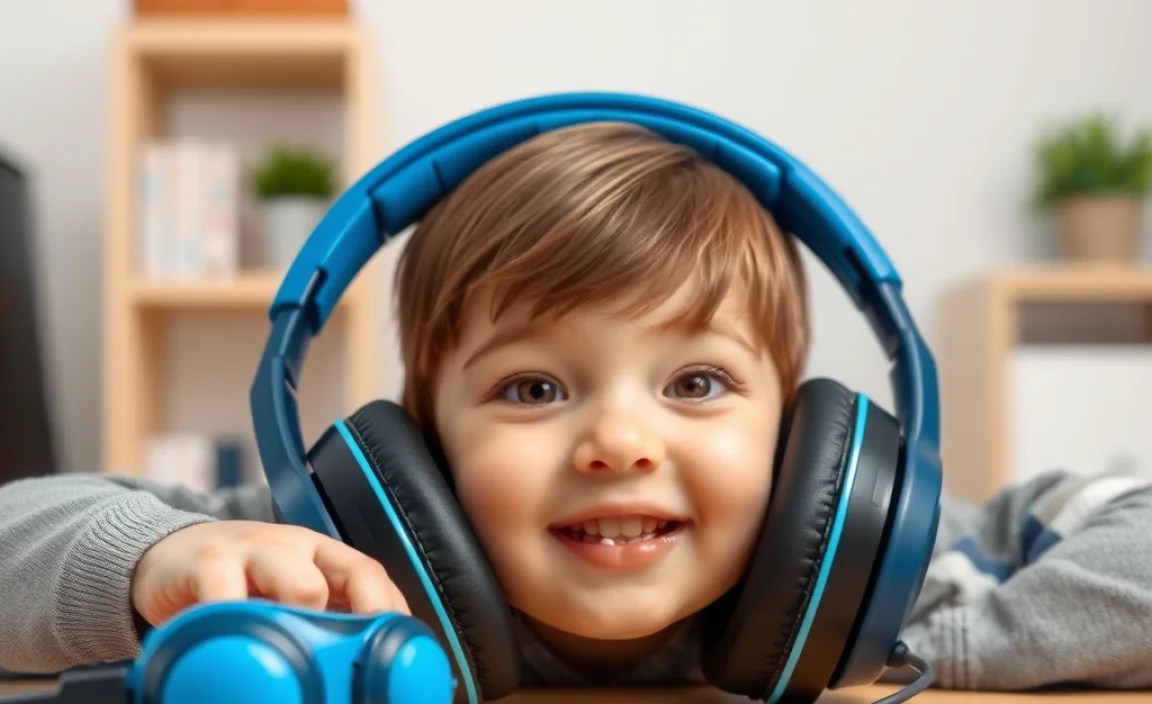
Getting Bluey headphones ready for action is usually a breeze. Here’s a simple, step-by-step guide:
- Unboxing: Carefully remove the headphones and any accessories from the packaging. Check for any user manuals, though they are rarely complex for these types of headphones.
- Adjust for Fit: Place the headphones on your child’s head. Gently adjust the headband by sliding the earcups up or down until they sit comfortably and securely over their ears without being too tight or too loose. The earcups should cover their ears entirely.
- Connect to Device: Locate the audio port on your child’s device (tablet, smartphone, MP3 player, etc.). This is usually a standard 3.5mm headphone jack. Insert the headphone’s 3.5mm plug firmly into the port. Most Bluey headphones are wired, meaning they don’t require Bluetooth pairing.
- Test the Volume: Before letting your child dive in, play some age-appropriate audio content on the device. Listen to the sound yourself to get a sense of the volume. Remember, the headphones have built-in limiters, but it’s always good practice to ensure the device’s own volume is set to a reasonable level to begin with. Avoid starting with the device’s volume at maximum.
- Educate Your Child (Age Appropriately): Briefly explain to your child that these are their special headphones for listening. You can explain that they are good for their ears because they don’t go too loud, which is important for staying safe.
Important Usage Tips:
- Supervision: Always supervise younger children during use.
- Breaks: Encourage taking breaks from listening, especially during long sessions. This is good practice for any audio consumption.
- Wipe Down: Gently wipe the earcups and headband with a damp (not wet) cloth periodically to keep them clean. Avoid harsh chemicals.
- Storage: Store them in a safe place when not in use to prevent damage. A small storage bag or a designated shelf works well.
Troubleshooting Common Issues
Even with simple tech, occasional glitches can happen. Here are a few common issues and their easy fixes:
Issue 1: No Sound
- Check Connection: Ensure the headphone plug is fully inserted into the device’s audio jack. Try wiggling it slightly to ensure good contact.
- Check Device Volume: Make sure the volume on the device itself is not muted or set to the lowest possible level.
- Test Another Device: Try plugging the headphones into a different audio source (like your phone or another tablet) to see if they work. This helps determine if the issue is with the headphones or the original device.
- Inspect the Plug: Look for any visible damage to the headphone plug.
Issue 2: Sound is Distorted or Muffled
- Check Connection: Sometimes a loose connection can cause this. Ensure the plug is seated properly.
- Earcups: Make sure the earcups are positioned correctly over the ears and aren’t being blocked by hair or other obstructions.
- Audio Source Quality: The quality of the audio file or stream itself might be the issue. Try a different song or video.
- Damage: If the headphones have been dropped or mishandled, internal damage could cause distortion.
Issue 3: One Earcup Not Working
This is often a sign of a broken wire within the cable, especially near the plug or the earcup itself. If the headphones are still under warranty, consider contacting the manufacturer. Otherwise, it might be time to replace them, as repairing this specific issue can be complex for beginners.
Issue 4: Headphones Feel Uncomfortable
- Adjust Fit: Re-adjust the headband. Ensure it’s not too tight.
- Ear Placement: Make sure the earcups are centered over the ears, not pressing on the ears themselves.
- Break-in Period: Sometimes, the padding can feel a bit stiff initially. Gentle use over a few days can help them feel more comfortable.
For more in-depth troubleshooting or warranty information, always refer to the manufacturer’s instructions or website if available.
Bluey Headphones vs. Standard Headphones for Kids
It’s worth considering why dedicated kids’ headphones, like those with a Bluey theme, are generally preferable to using regular adult headphones for children. The differences aren’t just aesthetic; they’re functional and crucial for safety.
Key Differences:
| Feature | Bluey Headphones for Kids | Standard Adult Headphones |
|---|---|---|
| Maximum Volume | Limited to safe levels (e.g., 85-90 dB) | Can reach high volumes (often 100+ dB), risking hearing damage. |
| Design & Fit | Sized for smaller heads, often adjustable, child-friendly materials. | Designed for adult ears and head sizes; may be too large or uncomfortable for children. |
| Durability | Built to withstand child’s use (often with reinforced parts). | May be less robust and prone to damage from rough handling. |
| Price | Generally more affordable. | Varies widely, but specialized kid models are often cheaper than mid-range adult models. |
| Aesthetics | Fun, character-based designs appealing to children. | Typically more neutral or mature designs. |
| Purpose | Prioritizes safety and enjoyment for young users. | Prioritizes audio fidelity and comfort for adult users. |
While it might seem tempting to use a spare pair of adult headphones, the risk of accidental high volume exposure and improper fit makes them unsuitable for regular use by children. Bluey headphones offer a complete package tailored specifically for their needs.
Frequently Asked Questions (FAQ)
Here are some common questions parents have about Bluey headphones for kids:
Q1: Are Bluey headphones safe for my child’s hearing?
A1: Yes, most reputable Bluey headphones for kids are designed with built-in volume-limiting technology (typically at 85-90 dB) to protect young, developing ears from loud noises. Always check the product description to confirm this feature.
Q2: What age are Bluey headphones suitable for?
A2: Bluey headphones are generally suitable for children aged 3 and up, though the exact age range can vary slightly by model. The adjustable headbands help accommodate growing children.
Q3: Can I use Bluey headphones with any device?
A3: Yes, most Bluey headphones use a standard 3.5mm audio jack and are compatible with most smartphones, tablets, laptops, MP3 players, and other devices that have a headphone port.
Q4: How do I clean Bluey headphones?
A4: It’s best to use a soft, slightly damp cloth to wipe down the earcups and headband. Avoid using harsh chemicals or submerging the headphones in water, as this can damage the electronics.
Q5: My child complains the headphones aren’t loud enough. What should I do?
A5: This is a good sign the volume limiter is working correctly! It means the headphones are playing at a safe volume. You can ensure the device they are connected to is also set to an appropriate listening level. If the audio is genuinely too quiet for clear understanding (e.g., on a noisy bus), ensure the device’s volume is maximized, but trust that the headphone’s limiter is still keeping it within safe decibel ranges.
Q6: Are there wireless Bluey headphones available?
A6: While wired models are the most common for budget-friendly, character-themed headphones, some premium children’s headphones (which may or may not be Bluey branded) offer Bluetooth connectivity. Always check the product specifications or search for “Bluey wireless headphones for kids” if this is a must-have feature.
Q7: What if the headphones break?
A7: If the headphones break within the warranty period, contact the retailer or manufacturer for a replacement or repair. For out-of-warranty breakages, especially simple ones like a cracked headband, sometimes super glue or strong tape can offer a temporary fix, but for internal electronics issues, replacement is usually necessary.
The Final Word: Essential Fun, Ensured Safety
Bluey headphones for kids are a wonderful fusion of engaging entertainment and essential child safety. They tap into the imaginative spirit of the beloved show, making audio experiences more vibrant and enjoyable for your little ones. More importantly, the integrated volume-limiting technology ensures that their precious hearing is protected, giving parents invaluable peace of mind.
From enhancing playtime with their favorite characters to making travel more enjoyable, these headphones are a practical, fun, and safe addition to any child’s tech collection. By understanding what features to look for and how to use them properly, you can ensure your child gets the most out of their Bluey headphones, fostering a love for listening while prioritizing their well-being.
