
Quick Summary: Bone conduction headphones offer a unique way to enjoy audio while sleeping. By vibrating near your ears instead of plugging them, they allow you to listen to music, podcasts, or white noise without disturbing a partner or blocking out crucial sounds. This guide explores their comfort, benefits, and how to choose the best pair.
Bone Conduction Headphones for Sleeping: Essential Comfort for Every Sleeper

Finding a peaceful night’s sleep can be a challenge, especially when background noise or the desire for a little personal audio entertainment gets in the way. Traditional earbuds and headphones often feel uncomfortable, fall out, or create pressure points that disrupt your rest. But what if you could enjoy your favorite sleep sounds without anything actually in your ears?
Enter bone conduction headphones. These innovative devices transmit sound through vibrations to your inner ear via your cheekbones, leaving your ear canal completely open. This makes them a surprisingly comfortable and effective solution for anyone looking to enhance their sleep experience. Let’s dive into why these headphones are becoming a go-to for better, more peaceful nights.
What Exactly Are Bone Conduction Headphones?

Before we explore sleeping, it’s important to understand how bone conduction technology works. Unlike traditional headphones that send sound waves through the air into your ear canal, bone conduction headphones rest on your cheekbones, just in front of your ears.
They transmit sound vibrations that travel through the bones of your skull directly to your cochlea, your inner ear. This means your eardrums remain unobstructed. It’s a bit like feeling the bass of a speaker more than hearing it, but with bone conduction, you can actually hear clear audio! This unique delivery system is what makes them so suitable for sleeping.
Why Consider Bone Conduction Headphones for Sleeping?
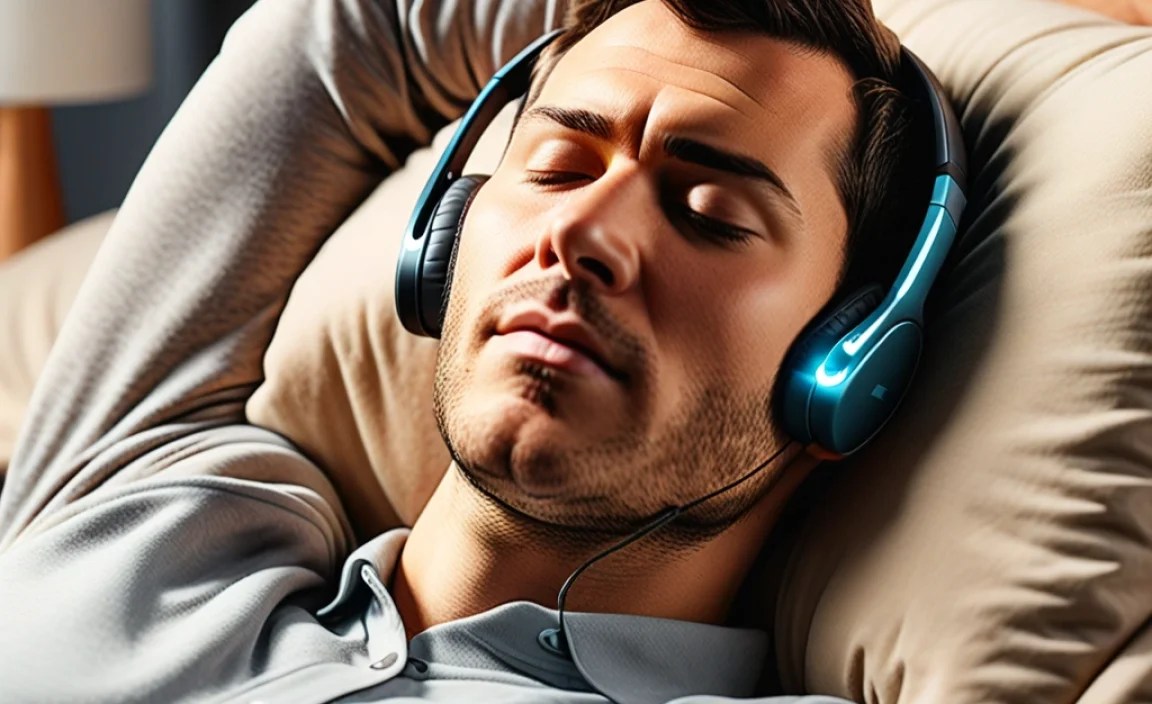
The benefits of using bone conduction headphones for sleep are many, especially for those who struggle with traditional audio devices or have specific sleep needs. Here are some of the key advantages:
- Unparalleled Comfort: Because they don’t enter the ear canal, there’s no pressure, no irritation, and no risk of them falling out and waking you. They rest gently on your skin, making them ideal for side sleepers and anyone sensitive to in-ear devices.
- Situational Awareness: This is a big one! Your ears are free. This means you can still hear important sounds around you, like a smoke alarm, a baby crying, or a partner calling out. This is a significant safety advantage over traditional headphones.
- Partner-Friendly: If you enjoy listening to music, podcasts, or guided meditations to fall asleep, but your partner prefers silence, bone conduction headphones are a game-changer. The sound is directed to you, with minimal leakage to your sleeping companion.
- Reduced Ear Strain: For individuals who experience discomfort or dryness from long-term earbud use, bone conduction offers a welcome alternative, reducing potential irritation or infection risk.
- Enhanced Sleep Environment: For some, a familiar podcast or calming music can create a comforting auditory bubble, masking disruptive external noises like traffic or noisy neighbors.
The Science Behind Sound and Sleep

Our sense of hearing plays a vital role in our sleep cycles. While we sleep, our brains are still processing auditory information, albeit at a different level. Studies have shown that certain sounds can either disrupt sleep or aid in falling asleep and staying asleep. For instance, white noise or nature sounds can mask sudden, jarring noises that might otherwise wake you. Listening to guided meditations or calming music can reduce anxiety and promote relaxation, making it easier to drift off. Bone conduction technology allows you to leverage these auditory aids without compromising on comfort or safety during sleep.
According to the National Sleep Foundation, creating a consistent sleep environment is crucial for good sleep hygiene. This includes managing light, temperature, and noise. While bone conduction headphones don’t directly control these factors, they empower individuals to curate their personal auditory environment in a way that complements these principles. For more information on sleep hygiene, you can refer to resources from the National Sleep Foundation.
Choosing the Right Bone Conduction Headphones for Sleeping

Not all bone conduction headphones are created equal, and some models are better suited for sleep than others. Here’s what to look for:
Key Features to Consider:
- Form Factor: Look for lightweight, flexible designs. Some have a wraparound band that’s slim and unobtrusive. Others might be integrated into headbands, which can be very comfortable and stay securely in place.
- Comfort and Fit: This is paramount. The headphones should sit comfortably on your cheekbones without feeling tight or restrictive. A secure fit means they won’t shift around too much when you move in your sleep.
- Sound Leakage: While bone conduction inherently has less leakage than traditional earbuds at similar volumes, some models perform better than others. Lower volume settings will always result in less leakage.
- Battery Life: Ensure the battery life is sufficient for a full night’s (or even a few nights’) listening. Many sleep soundtracks or mediations can last several hours.
- Durability and Water Resistance: Even for sleep, a model with some level of sweat and water resistance can be a plus, especially if you tend to sweat during the night.
- Connectivity: Reliable Bluetooth connectivity is essential so your audio doesn’t cut out.
Top Features for Sleep-Specific Use:
- Low-Profile Design: The slimmer the headphone profile, the less likely it is to create pressure points.
- Soft/Flexible Materials: Materials that are soft against the skin and flexible will enhance comfort for side sleepers.
- Secure but not Tight Fit: They need to stay put without squeezing your head, which can cause headaches.
- Volume Control: Easy access to volume controls is helpful for adjusting sound levels without fumbling.
How to Use Bone Conduction Headphones for Sleep: A Step-by-Step Guide
Getting started with your bone conduction headphones for sleep is straightforward. Here’s how to set them up for a restful experience:
Step 1: Charge Your Headphones
Before your first use, ensure your headphones are fully charged. Most come with a USB charging cable. Plug them in and wait for the indicator light to show a full charge (refer to your user manual for specifics). This usually takes a couple of hours.
Step 2: Pair with Your Device
Turn on your headphones and put them into pairing mode (usually by holding down a power or function button). On your smartphone, tablet, or other audio device, go to Bluetooth settings and select your headphones from the list of available devices. Once paired, they should automatically connect in the future.
Step 3: Position for Comfort
This is the most crucial step for sleep.
- Gently place the headphones on your cheekbones, just in front of your ears.
- They should feel snug but not tight. Adjust the band or position until you find a comfortable spot.
- If you are a side sleeper, experiment with positioning them slightly higher or lower on your cheekbone to find where there is least pressure when your head is on the pillow.
- Ensure the transducers (the parts that vibrate) are making good contact with your skin.
Step 4: Select Your Audio Content
Choose what you want to listen to. This could be:
- Sleep Stories or Guided Meditations: Apps like Calm or Headspace offer many options designed to help you relax.
- White Noise or Nature Sounds: Many apps provide ambient sounds to mask disruptive noises.
- Podcasts or Audiobooks: For some, a familiar voice can be comforting.
- Calming Music: Instrumental music or ambient soundscapes can be ideal.
Step 5: Adjust Volume Responsibly
Set the volume to a comfortable, low level. You should be able to hear the audio clearly, but it should not be so loud that it causes discomfort, overtakes your awareness of your immediate surroundings (for safety), or significantly leaks sound to others. Remember, the goal is to enhance your sleep environment, not to blast your ears.
Step 6: Settle In and Sleep
Lie down and try to relax. The headphones should feel unobtrusive. If you feel any pressure or discomfort, readjust their position slightly. Most bone conduction headphones will stay in place throughout the night, but if you are a very active sleeper, you might consider a sleep headband that incorporates bone conduction technology to keep them perfectly positioned.
Pros and Cons of Bone Conduction Headphones for Sleeping
Like any technology, bone conduction headphones have their strengths and weaknesses when it comes to sleep. Understanding these can help you make an informed decision.
| Pros | Cons |
|---|---|
| Comfort: No ear canal pressure, great for side sleepers. | Sound Quality: Not as rich or detailed as high-end traditional headphones, especially for music.Bass can be less pronounced. |
| Safety: Allows you to hear important ambient sounds (alarms, etc.). | Sound Bleed: At higher volumes, sound can still be audible to others nearby, though usually less than earbuds. |
| Reduced Ear Canal Issues: Avoids irritation, blockages, or potential infections related to in-ear devices. | Vibration Sensation: Some users may find the vibration sensation unusual or ticklish initially. |
| Partner-Friendly: Minimizes sound disruption for a sleeping partner. | Fit Variability: Finding the perfect, comfortable fit for extended sleep can take some trial and error. |
| Hygiene: No direct insertion into the ear canal means less hygiene concern. | Battery Life Constraints: While often sufficient, you still need to remember to charge them for uninterrupted use. |
Popular Bone Conduction Brands and Models for Sleep Consideration
While specific models are constantly updated, certain brands have established themselves as leaders in bone conduction technology. When looking for sleep-friendly options, consider brands known for their comfort and durability. For example, Shokz (formerly AfterShokz) is a very well-regarded brand. Their Aeropex or OpenRun models are known for their lightweight design and secure fit, which can translate well to comfortable sleep. Other brands like Vidonn or Anker also offer competitive options at various price points.
It’s always a good idea to read reviews specifically mentioning sleep usage for any model you consider. Look for comments on comfort for side sleepers, how well they stay in place, and how much sound leakage occurs at low volumes.
Alternatives to Bone Conduction for Sleep Audio
Bone conduction headphones are excellent for sleep, but they aren’t the only option. Here are a few other ways to enjoy audio while you sleep:
- Sleep Headbands with Integrated Speakers: These soft fabric headbands often have flat, built-in speakers that are designed to be comfortable for side sleepers. The speakers are usually low-profile and soft, making them less intrusive than traditional earbuds. Brands like SleepPhones are popular here.
- Ear-Friendly Earbuds: Some companies make earbuds specifically designed for sleeping, featuring ultra-soft silicone or foam tips and a very small profile to minimize pressure.
- Small, Portable Speakers: For those who don’t need personal audio and are just trying to mask external noise, a small white noise machine or a dedicated speaker placed near the bed can be effective without anything going into or around your ears.
The choice between these options often comes down to personal preference, the specific type of audio you want to listen to, and how sensitive you are to anything on or in your ears.
Safety and Best Practices for Sleeping with Any Headphones
While bone conduction headphones are generally considered safe, it’s wise to adhere to some best practices for sleeping with any audio device:
- Maintain Awareness: Always use a volume that allows you to hear critical sounds like fire alarms or a partner. Never block your hearing entirely.
- Check Device Fit: Ensure the device isn’t digging into your skin or applying uncomfortable pressure that could cause skin irritation or headaches over time.
- Charge Safely: Use reputable chargers and avoid leaving devices plugged in and charging near your head all night, especially older or uncertified devices.
- Keep Clean: Even though bone conduction headphones don’t go in your ears, it’s good practice to wipe them down occasionally to keep them clean.
- Consider Auto-Shutoff: Some apps or devices have auto-shutoff timers for audio, which can prevent listening all night long unnecessarily.
The National Institute on Deafness and Other Communication Disorders (NIDCD) offers valuable information on hearing health and safe listening practices which is relevant even for lower volume usage.
Frequently Asked Questions (FAQ)
Q1: Are bone conduction headphones comfortable for side sleepers?
Yes, many users find bone conduction headphones to be more comfortable for side sleeping than traditional earbuds because they don’t enter the ear canal and rest on the cheekbones. However, finding the perfect position and ensuring a snug, non-tight fit is key. Some models with very slim profiles are better suited than others.
Q2: Will my partner hear what I’m listening to?
Bone conduction technology inherently has less sound leakage than traditional headphones at the same volume. However, at higher volumes, some sound may still be audible to a nearby partner. Keeping the volume low to moderate significantly reduces this issue.
Q3: Can I hear my alarm clock if I’m wearing bone conduction headphones?
Generally, yes. Because your ear canals remain open, you can still hear ambient sounds, including your alarm clock, a crying baby, or a smoke detector. This is one of the main safety advantages of this technology.
Q4: Do bone conduction headphones vibrate uncomfortably?
Some users may initially find the sensation of vibration unusual or slightly ticklish. However, most people adapt quickly, especially at sleep-appropriate low volumes. The vibration is designed to transmit sound, not to be a strong physical sensation.
Q5: What kind of audio is best for sleeping with bone conduction headphones?
Calming audio content is ideal. This includes things like guided meditations, sleep stories, white noise, nature sounds, or soothing instrumental music. Avoid anything too stimulating or with a very high dynamic range that might cause sudden volume changes.
Q6: How long does the battery usually last? Do I need to charge them every night?
Battery life varies by model, but many bone conduction headphones offer 6-8 hours of playback, which is sufficient for most nights. Some higher-end models can last even longer. It’s a good habit to charge them after each use or every couple of uses to ensure they’re ready when you are, rather than needing to charge them nightly.
Q7: Can I use bone conduction headphones for sleeping if I have specific ear conditions?
For individuals with certain ear conditions, bone conduction headphones can be a beneficial alternative to in-ear devices, as they bypass the ear canal. However, it’s always best to consult with your doctor or an audiologist if you have pre-existing ear issues to ensure any audio device use is appropriate for your specific situation.
Conclusion: A Comfortable Path to Better Sleep
Bone conduction headphones offer a unique, comfortable, and safe way to enjoy audio while you sleep. By leaving your ear canals open, they provide situational awareness and a gentle listening experience that traditional headphones and earbuds often can’t match, especially for side sleepers.
Whether you’re looking for a way to drown out distracting noises, relax with a soothing meditation, or simply enjoy some gentle music without disturbing your partner, these innovative headphones could be the key to unlocking a more restful night. Experiment with different positions, volumes, and audio content, and you might just find that your journey to deeper, more comfortable sleep starts with a quiet vibration on your cheekbones.
