
Bose headphones can significantly enhance the listening experience for hearing aid users by offering advanced features that complement hearing aid technology.
This guide explores how specific Bose models and features can improve sound clarity, reduce background noise, and provide a more immersive audio experience, making them a top choice for those seeking audio support.
Bose Headphones For Hearing Aid Users: Your Best Solution for Enhanced Audio

Hello there, fellow audio explorers! It’s Edward Cavitt from Headphone Horizon, and today we’re diving into a topic that’s close to my heart: making great sound accessible to everyone. If you’re a hearing aid user exploring the world of premium audio, you might be wondering if high-quality headphones like Bose can truly enhance your listening experience.
The answer, resoundingly, is yes! Many hearing aid users find that the right headphones, especially from a brand renowned for its audio innovation like Bose, can work wonders. They can boost clarity, minimize distracting background noise, and open up a richer world of sound. Let’s explore how Bose headphones can be your best solution for a more enjoyable and immersive audio journey.
Understanding the Synergy: Headphones and Hearing Aids

It’s a common misconception that wearing a hearing aid means you can’t enjoy the full benefits of over-ear or in-ear headphones. In reality, the two can be fantastic partners. Hearing aids are designed to amplify specific sound frequencies based on your individual hearing loss profile. Headphones, on the other hand, deliver a broad range of audio signals directly to your ears, often with advanced noise cancellation and sound processing capabilities. When combined thoughtfully, they can create a powerful synergy that amplifies desired sounds and filters out unwanted noise, leading to a more balanced and clear auditory experience.
Think of it this way: your hearing aid acts as a finely tuned instrument for your natural hearing, while high-quality headphones provide a pristine signal source and a controlled listening environment. This is especially true for Bluetooth-enabled headphones, which can directly stream audio from your devices to your ears, bypassing potential interference or sound quality degradation that might occur through traditional hearing aid telecoils or older wireless systems.
Why Bose Stands Out for Hearing Aid Users

Bose has built a reputation for exceptional audio quality, innovative noise-cancelling technology, and comfortable designs. These are precisely the attributes that make their headphones particularly well-suited for hearing aid users. Bose’s commitment to delivering clear, immersive soundscapes can complement the amplification provided by hearing aids, creating a more natural and less fatiguing listening experience. Their focus on reducing ambient noise also means less strain on your ears as you try to discern speech or music.
According to the National Institute on Deafness and Other Communication Disorders (NIDCD), effective communication relies on both the clarity of the sound signal and the listening environment. Bose’s noise-cancelling technology directly addresses the latter, creating a quieter space for your hearing aids to work their magic. Furthermore, many Bose headphones offer excellent vocal clarity, which is paramount for understanding speech, whether it’s in a podcast, an audiobook, or during a phone call.
Key Bose Features That Benefit Hearing Aid Users
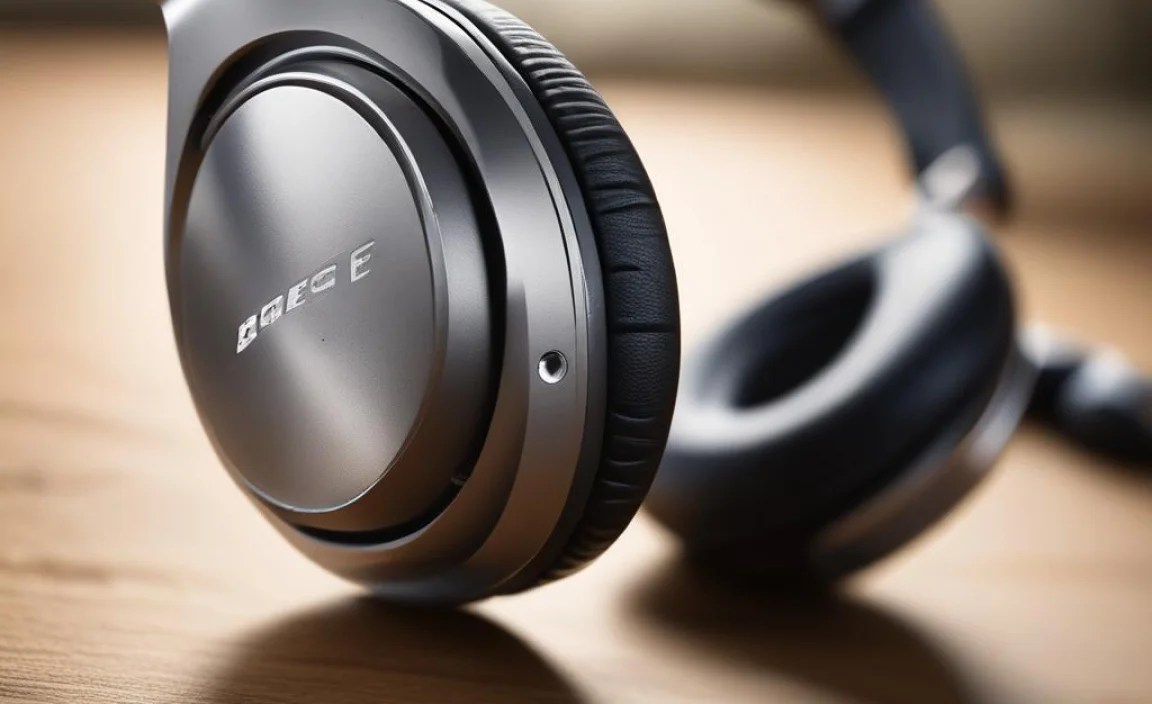
Let’s get specific. What exactly within Bose’s lineup can make a difference for you?
- Active Noise Cancellation (ANC): This is Bose’s flagship feature. ANC microphones actively detect ambient noise and generate opposing sound waves to cancel it out. This drastically reduces distractions from your environment, allowing you to focus on the audio from the headphones and what your hearing aids are processing.
- Sound Quality and Clarity: Bose headphones are engineered for balanced sound reproduction. This means you get clear highs, rich mids, and deep bass, all delivered without distortion. For hearing aid wearers, this translates to a more detailed and nuanced listening experience, where subtle audio cues aren’t lost.
- Comfortable Design: Long listening sessions are a breeze with Bose. Their headphones are often lightweight, with plush earcups that provide a good seal without excessive pressure. This is crucial for overall comfort, especially when worn for extended periods alongside hearing aids.
- Seamless Bluetooth Connectivity: Modern Bose headphones offer robust Bluetooth connectivity. This allows for direct wireless streaming from smartphones, tablets, and computers, providing a clean audio signal that can be better managed by your hearing aid settings.
- Aware Mode/Ambient Sound: Some Bose models feature an “Aware Mode.” This allows external sounds to pass through the headphones, so you can hear your surroundings when needed without removing them. This is invaluable for safety and situational awareness.
- Customizable EQ: Many Bose headphones allow for personalized sound profiles through the Bose Music app. This means you can tweak the bass, mid, and treble levels to best suit your hearing preferences and the way your hearing aids process sound.
Top Bose Headphone Models for Hearing Aid Users

While many Bose headphones can be a good fit, a few models consistently stand out for their features and user-friendliness for those with hearing needs. The selection often comes down to whether you prefer over-ear, on-ear, or in-ear styles.
Over-Ear Options: The Immersive Experience
Over-ear headphones offer the most complete sound isolation and can be the most comfortable for long wear. They also tend to have the most advanced ANC technology.
Bose QuietComfort Ultra Headphones
These are Bose’s latest and greatest in noise cancellation and immersive audio. Featuring world-class ANC and customTune™ technology that adapts sound to your ears, they offer an unparalleled listening experience. The comfort is also top-notch, making them ideal for extended use.
- Pros: Best-in-class noise cancellation, personalized audio, exceptional comfort, premium build.
- Cons: Higher price point, can be bulky for travel.
Bose QuietComfort Headphones (Previous Generation)
Don’t overlook the predecessors! The standard QuietComfort models (like the QC45) still offer fantastic ANC and sound quality at a potentially more accessible price. They are incredibly comfortable and deliver that signature Bose clear audio.
- Pros: Excellent noise cancellation, very comfortable, reliable performance, good value.
- Cons: ANC not quite as advanced as the Ultra model, fewer customization options.
In-Ear Options: Convenience and Portability
For those who prefer a more discreet and portable solution, Bose’s in-ear options are excellent. They still incorporate significant noise-reducing technology.
Bose QuietComfort Ultra Earbuds
These earbuds bring the powerful ANC and personalized audio experience of their over-ear counterparts into a compact package. They offer a secure and comfortable fit, and their noise cancellation is among the best available for true wireless earbuds. The clarity of sound is excellent, making them great for both music and voice clarity.
- Pros: Outstanding ANC in an earbud, comfortable and secure fit, immersive sound, portable charging case.
- Cons: Battery life per charge is shorter than over-ear models, potential for dropping if not fitted properly.
Bose QuietComfort Earbuds II
The previous generation of QC Earbuds also remain a superb choice. They deliver impressive noise cancellation and clear audio, often at a more budget-friendly price. Their stability and comfort are also highly rated.
- Pros: Strong noise cancellation, comfortable secure fit, good audio clarity, often available at a discount.
- Cons: ANC not as refined as the Ultra model, fewer app control features.
On-Ear Options: A Balance of Comfort and Awareness
Bose has historically offered on-ear models that provide a balance between the immersive feel of over-ears and the situational awareness that in-ears sometimes lack. While their focus has shifted, older models or specific product lines might still be relevant.
For instance, the Bose SoundLink On-Ear Wireless Headphones (if found) offer a lighter feel and allow more of your surroundings to naturally enter, which some users might prefer if they want to stay more connected to their environment while still benefiting from amplified sound.
Comparison Table: Feature Highlights
Here’s a quick look at how some popular models stack up for hearing aid users:
| Model | Noise Cancellation | Sound Clarity | Comfort | Connectivity | Aware Mode |
|---|---|---|---|---|---|
| Bose QuietComfort Ultra Headphones | World-Class (Immersive & Aware Modes) | Excellent, Customizable EQ | Premium, Plush | Bluetooth 5.3 | Yes (Advanced) |
| Bose QuietComfort Headphones (QC45) | Excellent | Very Good, Balanced | Very Good, Lightweight | Bluetooth 5.1 | Yes |
| Bose QuietComfort Ultra Earbuds | World-Class (Immersive & Aware Modes) | Excellent, Customizable EQ | Secure, Multiple Tip Sizes | Bluetooth 5.3 | Yes (Advanced) |
| Bose QuietComfort Earbuds II | Excellent | Very Good, Clear | Secure, Multiple Tip Sizes | Bluetooth 5.3 | Yes |
How to Best Use Bose Headphones With Your Hearing Aids
Maximizing the benefit involves a few strategic steps:
Step 1: Consult Your Audiologist
This is the most critical first step. Your audiologist is your expert guide. Discuss your intention to use Bose headphones with them. They can advise on:
- The best settings on your hearing aids to complement headphone audio.
- Whether a direct Bluetooth connection (if your hearing aids support it) is preferable to audio from the headphones.
- Potential interference issues and how to mitigate them.
- Customizing your hearing aid programs for headphone use.
Check out resources from the American Academy of Audiology for guidance on finding a qualified professional.
Step 2: Choose the Right Model
Based on your audiologist’s advice and your personal preferences (over-ear, in-ear, lifestyle), select a Bose model that aligns with your needs. Prioritize models with strong ANC and clear audio reproduction.
Step 3: Ensure a Proper Fit
For over-ear and on-ear headphones, ensure the earcups create a good seal around your ears. For earbud users, use the correct ear tip sizes provided in the box. A good seal is essential for both effective noise cancellation and optimal sound quality. You want to feel a slight snugness without discomfort.
Step 4: Pair with Your Devices
Connect your Bose headphones to your smartphone, tablet, or computer via Bluetooth. Ensure the connection is stable. If your hearing aids also have Bluetooth capabilities, discuss with your audiologist the best way to manage paired devices. Sometimes, you might choose to stream directly to your hearing aids from your device if they have advanced Bluetooth streaming (like ASHA or MFi). In other cases, the headphones will be your primary audio source, with your hearing aids set to a mode that complements them.
Step 5: Understand and Use Aware Mode
When you need to hear your surroundings—like crossing the street, listening for announcements, or conversing with someone nearby—activate Aware Mode on your Bose headphones. This feature is designed to let in external sounds, allowing you to be present in your environment without removing your headphones.
Step 6: Customize Sound Settings via the Bose Music App
Download the Bose Music app for your chosen headphones. Explore the equalizer (EQ) settings. You can often adjust bass, mid-range, and treble frequencies. Experiment with these settings to find a sound profile that works best with your hearing aids and your personal preferences. For instance, if your hearing aids boost higher frequencies, you might slightly reduce the treble on the headphones.
Step 7: Manage Volume Levels Sensibly
While Bose headphones can produce rich sound, it’s crucial to manage volume levels to protect your hearing. Start at a low volume and gradually increase it until it’s comfortable and clear, especially when using your hearing aids in conjunction with the headphones. The aim is clarity, not loudness.
Step 8: Consider Direct Streaming (If Applicable)
For some hearing aid users, the most seamless audio experience comes from streaming directly to their hearing aids from their device. If your hearing aids support direct Bluetooth streaming (e.g., MFi for Apple devices or ASHA for Android), you might find that music and calls sound clearest when routed this way, with the Bose headphones potentially used more for their noise cancellation or for their own audio playback separate from your hearing aid amplification.
The Hearing Loss Association of America (HLAA) offers valuable insights into accessible technology, including considerations for direct streaming.
Potential Challenges and Solutions
While Bose headphones offer a great solution, there can be minor challenges. Here’s how to navigate them:
- Feedback/Echo: Sometimes, the sound from the headphones can be picked up by the hearing aid microphones, causing feedback.
- Solution: Ensure a good seal with your headphones. Adjust hearing aid volume or microphone gain. Consider different hearing aid programs.
- Over-Amplification: The combination of headphone sound and hearing aid amplification might be too much.
- Solution: Work with your audiologist to adjust your hearing aid gain settings when using headphones. Use lower volumes on the headphones themselves.
- Bluetooth Interference: Multiple Bluetooth devices (hearing aids, headphones, phone) can sometimes cause interference.
- Solution: Ensure all devices are updated to their latest firmware. Keep devices close to each other. Turn off Bluetooth on unused devices.
- Cost: Bose products are premium and can be an investment.
- Solution: Look for sales, consider previous generation models, or explore refurbished options from reputable sellers.
Frequently Asked Questions (FAQs)
Q1: Can I wear Bose headphones with my hearing aids simultaneously?
Yes, absolutely! Many hearing aid users find great benefit in wearing Bose headphones. The key is to ensure proper fit, manage volume levels, and ideally, consult with your audiologist for the best setup and settings for your specific hearing aids.
Q2: Will Bose headphones interfere with my hearing aid’s functionality?
Generally, well-designed Bose headphones, particularly those with good noise cancellation, shouldn’t interfere. However, if you experience any feedback or audio issues, it’s best to consult your audiologist. They can help fine-tune your hearing aid settings or recommend optimal headphone usage strategies.
Q3: Which Bose headphones are best for hearing speech clearly when using them with hearing aids?
Any Bose model with excellent noise cancellation and a balanced sound profile will help. The Bose QuietComfort Ultra Headphones and Earbuds, with their advanced ANC and customizable EQ, are excellent choices. Prioritize models that offer clear mid-range frequencies, where speech primarily resides.
Q4: Do I need special Bluetooth pairing if my hearing aids also have Bluetooth?
This depends on your hearing aids and your audiologist’s recommendation. Some modern hearing aids can stream directly from devices. You might choose to stream directly to your hearing aids, or use the Bose headphones to stream to your ears, with your hearing aids set to a complementary mode. Discuss options like Made for iPhone (MFi) or Audio Streaming for Hearing Aids (ASHA) with your audiologist.
Q5: Can I adjust the sound of Bose headphones to better suit my hearing loss?
Yes, many Bose headphones can be controlled via the Bose Music app, which often includes an equalizer (EQ). You can use this to adjust bass, mid-range, and treble levels. Experimenting with these settings can help you achieve a sound profile that complements your hearing aid amplification and overall hearing needs.
Q6: Is it better to stream audio directly to my hearing aids or through Bose headphones?
This is highly individual. Direct streaming to hearing aids offers seamless integration and can be very beneficial if your hearing aids have robust Bluetooth capabilities. However, Bose headphones provide superior Active Noise Cancellation, which can significantly improve clarity in noisy environments. Many users find a combination, or choose one over the other depending on the situation.
Conclusion
Navigating the world of audio technology when you use hearing aids can seem complex, but brands like Bose are making it simpler and more rewarding than ever.
By understanding the synergy between advanced headphone features like noise cancellation and customizable sound, and the amplification provided by your hearing aids, you can unlock a truly enhanced listening experience. Whether you’re rediscovering the nuances of your favorite music, enjoying crystal-clear podcasts, or simply making phone calls less of a struggle, Bose headphones offer a viable and often superior solution.
Remember to always consult with your audiologist. They are your best resource for tailoring any audio solution to your unique hearing needs. With the right Bose headphones and a little guidance, you can confidently step into a world of richer, clearer, and more enjoyable sound. Happy listening!
