
Quick Summary: Discover top-rated budget wireless headphones offering excellent sound quality and features without breaking the bank. This guide helps beginners find comfortable, reliable options for everyday listening, exercise, and more, ensuring you get the most value for your money.
Budget Wireless Headphones Best: Effortless Sound for Everyone

Hey there, audio adventurers! Edward Cavitt here from headphonehorizon, your friendly guide to all things sound. Ever feel overwhelmed by the sheer number of wireless headphones out there, especially when you’re trying to keep an eye on your wallet? You’re not alone! The good news is, you don’t need to spend a fortune to enjoy fantastic audio.
In this guide, we’re diving deep into the world of budget wireless headphones, uncovering the best options that deliver ‘effortless sound’ without the hefty price tag. We’ll explore what makes a great pair of affordable earbuds or cans, what features really matter, and how to pick the perfect set for your daily soundtrack. Let’s get your ears happy!
Why Go Wireless (and Budget-Friendly)?

Wireless headphones have revolutionized how we listen to music, podcasts, and take calls. They offer freedom from tangled cords, allowing for greater movement and convenience, whether you’re commuting, hitting the gym, or just relaxing at home. But the perception is often that “wireless” means “expensive.” Thankfully, that couldn’t be further from the truth these days. Manufacturers are packing impressive technology into more affordable packages than ever before. Brands are recognizing that a huge segment of the market wants great performance without compromise, and the competition is driving innovation at every price point. We’re going to focus on finding those sweet spots – where quality meets affordability.
What to Look for in Budget Wireless Headphones

When you’re shopping for budget wireless headphones, it’s easy to get lost in specs. But don’t worry, I’m here to break down the essentials. Think of these as your trusty checklist to ensure you’re getting a pair that will truly enhance your listening experience without any hidden frustrations.
Key Features to Consider:
- Sound Quality: This is paramount. Even on a budget, you can find headphones that offer clear highs, balanced mids, and decent bass. Look for reviews that mention sound “balance” rather than just “heavy bass.”
- Comfort and Fit: Headphones are useless if they hurt your ears or constantly fall out. Consider the design (in-ear, on-ear, over-ear) and whether they come with different ear tip sizes or adjustable headbands.
- Battery Life: How long do you need them to last on a single charge? Most budget options will offer anywhere from 4-8 hours, with charging cases for earbuds extending this considerably.
- Bluetooth Version & Stability: Newer Bluetooth versions (like 5.0 or 5.1) offer more stable connections and better power efficiency.
- Durability & Water Resistance: Especially important if you plan to use them for workouts or in unpredictable weather. Look for an IPX rating (e.g., IPX4 for splash resistance).
- Controls: How easy is it to play/pause music, adjust volume, or answer calls? Intuitive touch controls or physical buttons can make a big difference.
- Microphone Quality: If you take a lot of calls, check reviews about call clarity. Some budget options prioritize music listening over call performance.
- Charging Case (for earbuds): A good charging case not only protects your earbuds but also provides multiple recharges, significantly extending your listening time between wall charges.
Brands That Excel in the Budget Wireless Space

The market is flooded with options, but some brands consistently deliver reliable performance and great value in the budget category. These are the names you’ll see popping up frequently when the focus is on affordable, quality audio.
Top Brands to Explore:
- Anker/Soundcore: Anker’s audio line, Soundcore, is a powerhouse in the budget segment. They offer a fantastic balance of sound quality, battery life, and features for the price.
- JLab: Known for their incredibly value-driven products, JLab often includes features you’d expect on more expensive models, like ANC (Active Noise Cancellation) on some budget pairs.
- Skullcandy: While they have higher-end offerings, Skullcandy also has a strong lineup of affordable wireless headphones that often focus on bass-heavy sound profiles and stylish designs.
- Edifier: This brand is known for its speaker systems but also produces excellent value wireless earbuds and headphones with impressive audio fidelity for their price point.
- 1MORE: Often praised for their sound tuning, 1MORE offers budget-friendly options that punch above their weight in terms of audio clarity and design.
Featured Budget Wireless Headphones: Our Top Picks

Finding the “best” is subjective, but based on extensive research, user reviews, and expert evaluations, here are a few models that frequently stand out in the budget wireless headphone arena. These are designed to provide excellent “effortless sound” for various needs.
In-Ear Earbuds: True Freedom
True wireless earbuds offer the ultimate in portability and freedom. They’re perfect for commutes, workouts, and anyone who dislikes the feel of headphones over their ears.
Editors’ Choice: Soundcore by Anker Life P3
These earbuds consistently get high marks. They offer active noise cancellation (ANC) at a price point where it’s rarely found, good sound quality with customizable EQ via the app, decent battery life, and a comfortable fit. The charging case also supports wireless charging, a premium feature that’s a huge bonus.
Best Value: JLab Go Air POP
If budget is your absolute top priority, the JLab Go Air POP are incredibly hard to beat. They are lightweight, offer surprisingly decent sound for their tiny price tag, and come in a range of fun colors. Battery life is solid, and they’re perfect for casual listening or light exercise.
For Calls: 1MORE ComfoBuds Pro
While leaning towards the higher end of “budget,” these offer excellent ANC and, importantly, good microphone performance for calls. The sound is well-balanced, and the fit is secure for most ears.
On-Ear Headphones: Compact Comfort
On-ear headphones sit directly on your ears. They’re a good compromise between portability and sound immersion, generally offering a bit more bass and comfort than earbuds for some users.
Solid Performer: Skullcandy Riff Wireless 2
These headphones offer a comfortable fit and a punchy sound signature that many enjoy. They provide a decent wireless experience for music and calls, with a battery life that should get you through most of your day.
Lightweight Option: Plantronics (Poly) BackBeat GO 810
Often available at budget prices, these offer a lightweight design and good battery life. They provide a clear, balanced sound suitable for various music genres and podcasts.
Over-Ear Headphones: Immersive Experience
Over-ear headphones envelop your ears, providing excellent noise isolation and a more spacious soundstage. They are often preferred for longer listening sessions or for those who enjoy a more immersive audio experience.
Best All-Rounder: Anker Soundcore Life Q30
These are a standout in the budget over-ear category. They boast impressive ANC, a very long battery life, comfortable earcups, and a customizable sound profile through the app. They truly punch above their weight, offering a premium experience without the premium price.
Comfort Focus: Sennheiser HD 450SE (often on sale)
While Sennheiser is known for high-end audio, their more budget-friendly models, especially when found on sale, can be fantastic. The HD 450SE offers a neutral sound signature, good build quality, and a comfortable fit for extended wear. Keep an eye out for deals on these!
Understanding Features: What Do They Mean for You?
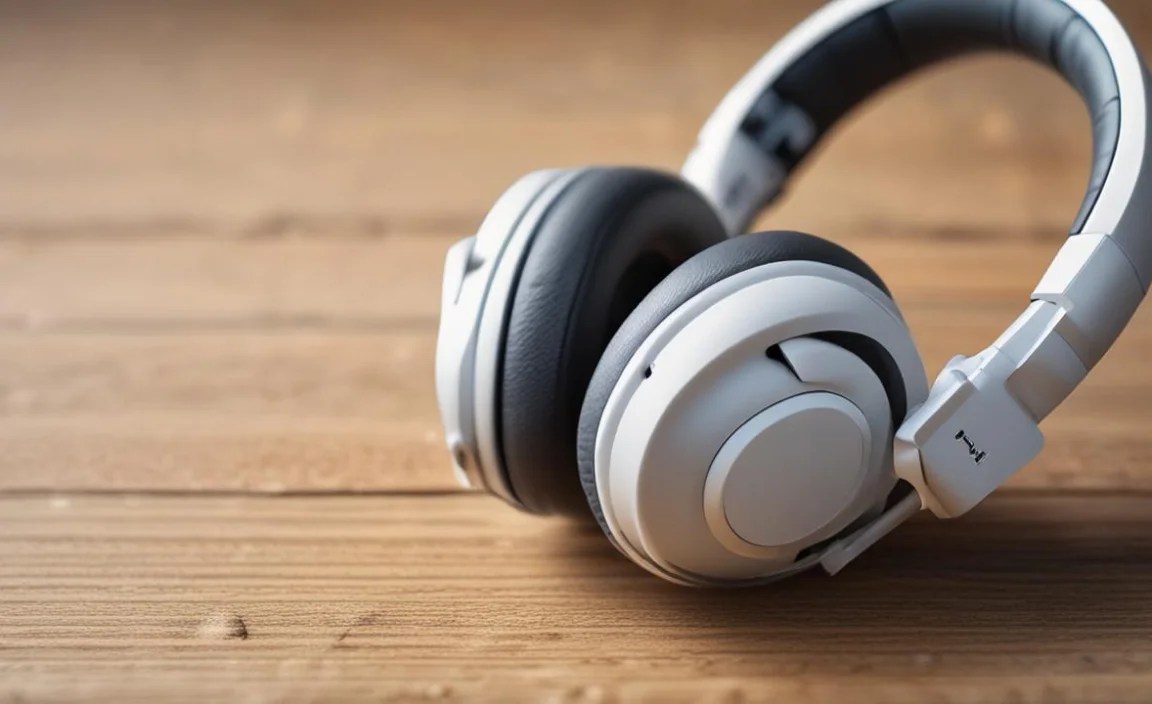
Let’s demystify some of the jargon you’ll encounter. Knowing what these features actually do will help you make a smarter choice.
Active Noise Cancellation (ANC): Silence the World
ANC uses microphones to detect ambient noise and then creates an opposite sound wave to cancel it out. In budget headphones, ANC effectiveness can vary, but even a basic level can make a noticeable difference on busy commutes or in noisy cafes. For instance, the RTINGS.com comparison of noise cancelling headphones highlights how even mid-range ANC can significantly improve the listening experience in loud environments.
Transparency Mode: Hear What’s Happening
The opposite of ANC, Transparency Mode (sometimes called Ambient Sound Mode) uses external microphones to allow outside sounds in. This is crucial for safety when walking or cycling, or for quickly listening to announcements without removing your headphones.
Water Resistance (IPX Rating): Sweat and Splash Proof
The Ingress Protection (IP) rating tells you how well a device is protected against solids (like dust) and liquids. An IPX4 rating, for example, means the headphones are protected against splashes of water from any direction – perfect for sweaty workouts or light rain. An IPX7 rating offers submersion protection. Understanding these ratings can be found on resources like the International Electrotechnical Commission (IEC) website, which sets global standards.
Codec Support (SBC, AAC, aptX): The Language of Audio
Bluetooth codecs are like languages spoken between your device and headphones.
- SBC (Subband Coding): The most basic and universally compatible codec. It works but is not the most efficient.
- AAC (Advanced Audio Coding): Used heavily by Apple devices (iPhones, iPads). It offers better quality than SBC and is widely supported.
- aptX: Used primarily by Android devices and Windows PCs, aptX offers lower latency and potentially better sound quality than SBC.
For budget headphones, you’ll most commonly find SBC and AAC. If you’re an iPhone user, AAC support is a definite plus. For Android users, aptX is nice to have but not always essential at this price point.
Maintenance: Keeping Your Budget Buds Sounding Great

Taking good care of your headphones doesn’t require a degree in engineering! A little regular TLC can significantly extend their lifespan and keep them performing at their best. Think of it as showing your audio buddies some love.
General Cleaning Steps:
- Wipe Down Regularly: Use a dry, microfiber cloth to gently wipe down the exteriors of your headphones and earbuds after each use. This removes oils and sweat.
- Clean Ear Tips (for earbuds):
- Remove the ear tips from your earbuds.
- Gently wash them with warm water and mild soap.
- Rinse thoroughly and ensure they are completely dry before reattaching them. This is crucial to prevent moisture damage.
- Clean the Mesh/Grilles: For both earbuds and over-ear headphones, the audio grilles can accumulate earwax and debris.
- Use a dry, soft brush (an old, clean toothbrush works well) or a toothpick to gently dislodge any debris.
- Be extremely careful not to push debris further in or damage the grille.
- Disinfect (with caution): If you need to disinfect, use a Lysol or Clorox disinfecting wipe, but only on the non-audio surfaces. Squeeze out excess moisture. Avoid getting any liquid into the speaker grilles or charging ports. Many manufacturers recommend using 70% isopropyl alcohol wipes, but always check your specific model’s manual or manufacturer’s website for recommendations.
- Charge Port Care: Ensure charging ports (on headphones and cases) are free of lint and debris. You can use compressed air or a dry, soft brush to clean them gently.
Storage Matters:
- Use the Case: Whenever possible, store your headphones in their protective case. This shields them from dust, accidental damage, and helps prevent the earbuds from getting lost.
- Avoid Extreme Temperatures: Don’t leave your headphones in a hot car or out in freezing conditions. Extreme temperatures can damage the battery and internal components.
- Keep Away from Liquids: Obvious, but crucial. Even water-resistant headphones aren’t meant for swimming or submersion unless explicitly stated (like IPX7+).
Troubleshooting Common Issues
Even the best budget headphones can sometimes throw a minor curveball. Here are a few common problems and simple fixes.
| Problem | Possible Causes | Solutions |
|---|---|---|
| Headphones won’t connect to my device |
|
|
| Sound is distorted or cuts out |
|
|
| Only one earbud is working |
|
|
| Battery not lasting long |
|
|
Frequently Asked Questions (FAQs)
Q1: Can I get good sound quality from budget wireless headphones?
Absolutely! While audiophile-grade sound is usually found at higher price points, many budget models offer clear, balanced audio that’s more than satisfying for everyday listening. Brands like Soundcore and 1MORE are particularly good at delivering enjoyable sound profiles on a budget.
Q2: Are budget wireless headphones durable?
Durability varies by brand and model, but many budget options are built to withstand daily use. For workouts, look for models with an IPX rating of 4 or higher for sweat and splash resistance. Proper maintenance, as outlined above, will also significantly contribute to their longevity.
Q3: How do I pair my new budget wireless headphones?
The process is usually straightforward. Most headphones enter pairing mode automatically when you first turn them on or from a powered-off state. Go to the Bluetooth settings on your phone or device, scan for new devices, and select your headphones from the list. If they don’t appear, consult your headphone’s manual – often, you’ll need to press and hold a button for a few seconds to initiate pairing.
Q4: What’s the difference between true wireless earbuds and neckband wireless headphones?
True wireless earbuds (like AirPods or Soundcore Liberty Air) have no wires connecting them at all. Neckband wireless headphones have two earbuds connected by a wire that rests around your neck, often with controls and a battery pack integrated into the band. True wireless offers maximum freedom, while neckbands can be more secure and less likely to be lost.
Q5: Is Active Noise Cancellation (ANC) worth it on cheap headphones?
It depends on your needs. On budget models, ANC is often less effective than on premium ones, but it can still make a noticeable difference in reducing low-frequency noise like engine hums or air conditioning. If you frequently travel.
