
Quick Summary: Protecting your Bose headphones with a dedicated case is crucial for extending their lifespan and maintaining their pristine sound quality. This guide explores why a case is essential, the different types available, and how to choose the best one for your needs, ensuring your audio investment stays safe from everyday wear and tear.
Hey everyone, Edward Cavitt here from Headphone Horizon! If you’re anything like me, your Bose headphones are more than just a gadget – they’re your portal to incredible sound, your focus tool for work, and your escape into music. Whether you’ve got a pair of the industry-leading QuietComfort models or the sleek Sport Earbuds, you’ve invested in quality audio. Now, the big question is: how do you keep them that way? Just tossing them in your bag might seem convenient, but it’s an open invitation to scratches, scuffs, and even potential damage. That’s where a good case comes in. Think of it as your headphones’ personal bodyguard! Learning about the right case for your Bose headphones isn’t just about protecting your gear; it’s about ensuring your listening experience remains top-notch for years to come. Let’s dive in and find the perfect protective haven for your beloved audio companions!
Why Your Bose Headphones Deserve a Dedicated Case

Investing in a premium pair of headphones like those from Bose means you’re looking for superior sound, comfort, and often, advanced noise-canceling technology. To keep them performing at their best, protecting them from the elements and the everyday hustle is paramount. A dedicated case isn’t a luxury; it’s a necessity for several key reasons:
Protection Against Physical Damage
The most obvious benefit is safeguarding your headphones from bumps, drops, and impacts. Whether they’re in your backpack, briefcase, or carried by hand, accidents can happen. A sturdy case acts as a shield, absorbing shock and preventing cracks, dents, or broken components that could compromise your listening experience or even render your headphones unusable.
Shielding from Scratches and Scuffs
Ever pulled your headphones out only to find a new scratch on the earcups or the charging case? A dedicated case prevents this. It keeps your headphones isolated from keys, coins, pens, and other objects that can easily mar their pristine finish. Maintaining the aesthetic appeal of your Bose headphones can also help preserve their resale value down the line.
Defense Against Dust, Dirt, and Moisture
Environments outside your home or office can be harsh. Dust can clog speaker grilles, dirt can accumulate in crevices, and moisture, even in the form of light rain or sweat, can damage delicate electronics. A well-designed case creates a barrier, keeping these contaminants out and ensuring your headphones remain clean and functional. For example, the U.S. Environmental Protection Agency (EPA) often provides guidelines on maintaining electronic devices, emphasizing the importance of keeping them clean and dry to prolong their life, a principle directly applicable to headphone care.
Organization and Portability
Many cases are designed not only for protection but also for organization. They often feature specific compartments for headphones, cables, charging adapters, and even earbuds, keeping everything together and easily accessible. This simplifies packing and reduces the chances of misplacing essential accessories.
Preserving Sound Quality
Surprisingly, physical damage can directly impact sound quality. A bent driver, a loose connection, or a damaged internal component can all lead to distorted audio, reduced volume, or complete silence. By protecting the physical integrity of your headphones, a case indirectly helps maintain the rich, immersive sound quality that Bose is renowned for.
Types of Cases for Your Bose Headphones

Bose offers a range of headphone models, and manufacturers produce cases tailored to each. Understanding the different types will help you find the perfect fit for your specific audio gear.
Hard-Shell Cases
These are typically constructed from rigid materials like ABS plastic or reinforced polycarbonate, often with a soft, padded interior. Hard-shell cases offer the highest level of protection against impacts and crushing forces, making them ideal for frequent travelers or those who carry their headphones in less-than-ideal conditions.
Pros:
- Superior impact and crush resistance.
- Excellent protection against accidental drops.
- Often provides a more secure fit.
Cons:
- Can be bulkier and heavier than other options.
- Generally more expensive.
- Less flexibility in fitting various accessories.
Soft/Semi-Rigid Cases
Made from materials like EVA foam, durable nylon, or thick neoprene, these cases offer a balance between protection and portability. They provide a good amount of cushioning against bumps and scratches and are often more lightweight and compact than hard-shell options. Many come with a molded interior to hold the headphones snugly.
Pros:
- Good protection against bumps and scratches.
- More lightweight and compact than hard cases.
- Often more affordable.
- Easier to stuff into a bag.
Cons:
- Less protection against direct impacts or crushing.
- May not be as effective against extreme weather conditions.
Original Bose Carrying Cases
Bose often includes a protective case with their premium headphone models, such as the QuietComfort series. These are typically specifically designed for the folding mechanism and shape of the headphones, offering a tailored fit. While they provide good protection for everyday use, they might not offer the same level of ruggedness as some third-party hard-shell options.
Pros:
- Perfectly contoured fit for specific Bose models.
- Designed in conjunction with the headphones for optimal storage.
- Often includes basic padding for everyday protection.
Cons:
- May not be as durable or protective as specialized third-party cases.
- Limited options for carrying extra accessories.
- May not be available separately for all models.
Earbud Charging Cases (for True Wireless)
For Bose true wireless earbuds like the QuietComfort Earbuds or Sport Earbuds, their primary protection comes in the form of their charging case. However, many users opt for additional silicone or TPU covers for these charging cases. These are not “cases” in the traditional sense but are thin sleeves that add a layer of scratch and drop protection to the charging case itself.
Pros:
- Adds scratch and minor drop protection to the charging case.
- Often includes a carabiner for easy attachment to bags.
- Very affordable.
Cons:
- Offers minimal protection to the earbuds themselves (they are already in their own case).
- Doesn’t protect against significant impacts or water ingress.
Choosing the Right Case for Your Bose Headphones

Selecting the ideal case depends on your specific Bose headphone model and your lifestyle. Here’s a step-by-step approach to making the right choice:
Step 1: Identify Your Bose Headphone Model
This is the most critical first step. Are you protecting over-ear headphones like the Bose QuietComfort 45, Bose Noise Cancelling Headphones 700, or Bose Headphones 700 UC? Or are you looking for protection for on-ear models or true wireless earbuds like the Bose QuietComfort Earbuds II or Bose Sport Earbuds?
The dimensions, folding capabilities, and accessories (like removable cables) will differ significantly, meaning a case designed for one model won’t fit another.
Step 2: Consider Your Usage Habits and Travel Needs
- Frequent Traveler: If your headphones often travel in a checked bag or are exposed to the rigors of daily commutes, a robust hard-shell case is your best bet.
- Office/Home Use: For mostly home or office environments with occasional outings, a soft or semi-rigid case might suffice.
- Gym/Exercise: For earbuds, a protective sleeve for the charging case with a carabiner might be all you need, ensuring it doesn’t get scratched when attached to your gym bag.
- Outdoor Activities: If you use your headphones outdoors, consider cases that offer some resistance to the elements, though true waterproofing is rare in headphone cases.
Step 3: Evaluate Protection Features
Look for features that directly address your concerns:
- Padded Interior: A soft, plush lining, often made of velvet or microfiber, is essential to prevent scratches and absorb minor impacts.
- Sturdy Exterior: For hard cases, check the material. ABS plastic and polycarbonate offer good durability against impact.
- Secure Closure: A reliable zipper or clasp ensures the case stays shut, preventing accidental openings.
- Mold Design: Cases specifically molded for your headphone model will provide a snug fit, preventing them from shifting around inside.
Step 4: Think About Portability and Size
While protection is key, you also need the case to be practical for your daily life. A bulky, heavy case can be inconvenient. Measure your current setup or the headphones themselves if you’re unsure about the size. Consider cases that are:
- Lightweight
- Compact enough to fit in your bag or backpack
- May include a lanyard or carabiner for easy carrying
Step 5: Check for Extra Storage
Do you carry extra audio cables, a portable charger, or an airplane adapter with your headphones? Some cases offer additional mesh pockets or elastic straps to keep these accessories organized and secure alongside your headphones.
Step 6: Read Reviews and Compare Brands
Before making a purchase, take some time to read customer reviews for the cases you’re considering. Look for feedback on durability, fit, and overall value. Popular brands that often offer quality cases for Bose headphones include:
- Bose (Official accessories)
- Waterfield (premium, handcrafted options)
- Geekria
- Cocoon
- Ugreen
- AmazonBasics (budget-friendly options)
Comparing a few options based on these criteria will help you find a case that offers the best value and protection for your specific Bose headphones.
A Quick Look at Case Features: What to Expect
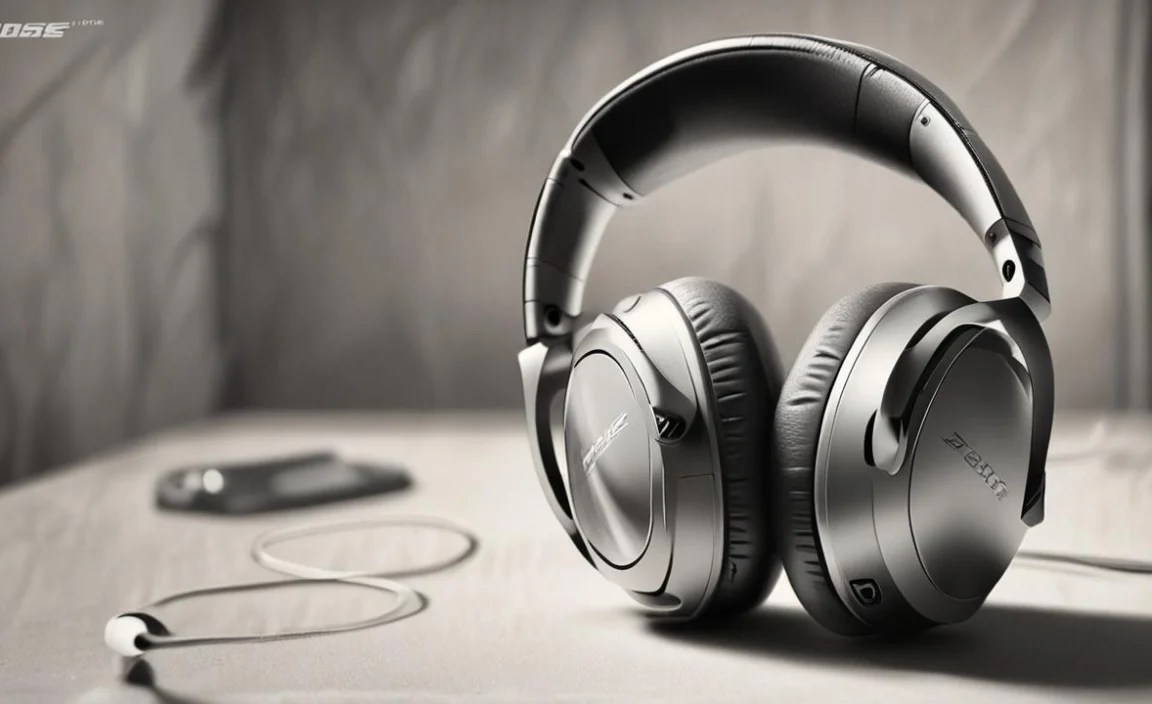
When shopping for a case, you’ll encounter various features. Understanding these will make your decision easier.
| Feature | Description | Benefit |
|---|---|---|
| Molded Interior | Custom-shaped foam or plastic lining designed to perfectly cradle your specific Bose headphone model. | Prevents movement, reducing internal rattling and potential damage. Ensures components like the headband and earcups aren’t stressed. |
| Durable Zipper | A robust, smooth-gliding zipper. Often features a rubberized pull tab for easier grip. | Ensures the case stays securely closed, protecting contents from dust and impact. A good zipper is key to a case’s longevity. |
| Shock-Absorbent Lining | Soft materials like velvet, faux fur, or thick foam designed to cushion against vibrations and minor falls. | Protects delicate internal components and speaker drivers from damage. Also prevents aesthetic scratches on the headphone surface. |
| Water-Resistant Exterior | Materials like treated nylon or laminated EVA that repel light moisture. | Offers protection against accidental spills, light rain, or humidity, keeping your headphones dry and functional. |
| Accessory Pockets | Internal mesh or elastic pockets for storing cables, adapters, or small personal items. | Keeps all your headphone-related gear organized in one place, preventing tangles and loss of small accessories. |
| Carabiner/Lanyard | An attached clip or loop for attaching the case to a bag, belt loop, or for easier hand-carrying. | Enhances portability and security, especially for earbuds on the go. |
Maintaining Your Headphones with a Case: Simple Best Practices

Once you have the perfect case, using it correctly is key to maximizing its protective benefits.
- Always store your headphones in their case when not in use. This is the golden rule. Even for short breaks, taking a moment to put them away makes a significant difference.
- Ensure headphones are dry before storing. If you’ve used them in a lightly damp environment or they’ve picked up some moisture (like sweat after a workout), gently wipe them down with a dry microfiber cloth before placing them in the case. Excessive moisture can affect the case material and, more importantly, your headphones.
- Keep the case clean. Periodically wipe down the exterior of your case with a damp cloth to remove dirt and grime. For the interior, a gentle vacuum or a soft brush can remove dust and debris. Avoid harsh cleaning chemicals that could damage the case material or transfer residue to your headphones.
- Handle the case with care. While built for protection, extreme abuse can still damage even the sturdiest case. Avoid intentionally dropping or crushing it.
- Organize accessories properly. If your case has compartments, use them as intended. Loose cables can tangle and potentially scratch the headphones or the case interior over time.
FAQ: Your Case for Bose Headphones Questions Answered
Here are some common questions people have about protecting their Bose headphones with a case.
Q1: Do I really need a case for my Bose earbuds charging case?
While the charging case itself offers protection, a silicone or TPU sleeve can add a significant layer of defense against scratches and minor bumps. It’s especially useful if you attach your charging case to a backpack or keychain via a carabiner. It won’t protect against major drops but keeps the charging case looking newer. Many sources, like tech review sites, highlight these sleeves as a popular, affordable accessory for true wireless earbuds.
Q2: Can I put my Bose headphones in a general-purpose electronics case?
You might be able to, but it’s not ideal. General cases lack the custom-molded interiors that specifically secure your Bose headphones. This can lead to movement inside the case, increasing the risk of internal components shifting or external surfaces rubbing against the case material, causing scratches. For optimal protection, a case designed for your specific Bose model is always recommended.
Q3: Are Bose’s included carrying cases good enough?
For most everyday users, the carrying cases that come with premium Bose headphones (like the QC series) offer adequate protection against scratches, dust, and minor bumps. They are designed to fit the headphones perfectly. However, if you are a frequent traveler or tend to be hard on your gear, a more robust aftermarket hard-shell case may provide superior shock absorption and crush resistance.
Q4: How do I clean my Bose headphone case?
For most hard and soft cases, a damp (not wet) microfiber cloth is sufficient for cleaning the exterior. For stubborn grime, a mild soap solution can be used, followed by a thorough wipe-down with a clean, damp cloth. For the interior, use a dry microfiber cloth, a soft brush, or a gentle vacuum attachment to carefully remove dust and debris. Always ensure the case is completely dry before storing your headphones.
Q5: Will a case affect the sound quality of my Bose headphones?
No, a properly designed case should not affect the sound quality. The case protects the exterior and internal structure from physical damage, which could indirectly impact sound. However, the case itself does not interact with the audio drivers or electronics in a way that would alter the sound profile. The goal of a case is purely physical protection.
Q6: What’s the difference between a hard-shell and a soft case?
A hard-shell case is made from rigid materials (like plastic) offering maximum protection against impacts and crushing. A soft or semi-rigid case (like EVA foam or sturdy fabric) provides good cushioning against bumps and scratches but less protection against significant force. Hard cases are generally larger and heavier but offer superior defense.
A solid understanding of these differences can be reinforced by looking at product specifications, where material density and impact resistance are often detailed by reputable manufacturers or reviewers.
Conclusion
Your Bose headphones are a significant investment in your personal audio experience, delivering unparalleled sound and immersive listening. Protecting that investment with a dedicated case isn’t just about keeping them looking pristine; it’s about ensuring their longevity, their functionality, and the continued enjoyment of the superior audio quality you’ve come to expect from Bose. Whether you opt for a form-fitting original Bose case, a rugged hard-shell for extensive travel, or a lightweight soft case for daily commutes, the act of using a case is a simple yet profoundly effective way to shield your headphones from the inevitable hazards of everyday life. By carefully considering your headphone model, your lifestyle, and the features offered by various case designs, you can easily find the perfect protective companion. So, take that extra moment to stow your beloved headphones safely in their case – it’s a small habit that guarantees a big return in sustained performance and sonic pleasure for years to come.
