
Quick Summary: Discover why a reliable case for your wireless headphones isn’t just a good idea, but essential for protecting your investment, maintaining their performance, and ensuring they’re always ready to deliver great sound. Learn how to choose the right case and keep your audio gear safe.
The Case For Wireless Headphones: Why They’re Genius & Absolutely Essential

Hey audio adventurers! Edward Cavitt here from Headphone Horizon. If you’re anything like me, your wireless headphones are more than just a gadget; they’re your portal to immersive music, clear calls on the go, and focused work sessions. But let’s be honest, these sleek, sophisticated pieces of tech can also be a little delicate. That’s where a good case comes in.
Think of it as a personal bodyguard for your beloved headphones, ensuring they stay protected, perform at their best, and are always ready for your next listening adventure. We’re diving deep into why owning the right “case for wireless headphones” is an absolute game-changer for any owner, whether you’re a seasoned audiophile or just starting your wireless journey.
Why Bother With a Case? More Than Just a Box!

It’s easy to dismiss an extra accessory as unnecessary, especially when many wireless headphones come with their own charging cases. However, those compact cases are designed for portability and charging, not necessarily for robust protection against the bumps and scrapes of daily life. A dedicated, high-quality case offers a level of defense that goes far beyond the everyday.
Protection Against the Elements and Accidents
Life happens. Your headphones might get tossed into a backpack, jostled in a gym bag, or even accidentally dropped. A sturdy case acts as a shield:
- Impact Absorption: Many cases are made from durable materials like EVA foam or hard plastic, designed to absorb shocks and prevent damage from drops and impacts.
- Scratch Prevention: The interior is often lined with soft fabric or felt, safeguarding the headphone’s surface from scratches, scuffs, and unsightly marks.
- Dust and Debris: A closed case keeps dust, lint, and other small particles away from delicate drivers and charging ports, which can degrade sound quality and even prevent charging over time.
- Moisture Resistance: While not always waterproof, many cases offer a degree of resistance against splashes or light rain, crucial if you’re an outdoor enthusiast.
Maintaining Sound Quality and Longevity
Your headphones are an investment in sound. Protecting them helps ensure they continue to deliver the audio fidelity you love for years to come.
- Component Integrity: Dropping or mishandling headphones can damage internal components, leading to distorted audio, connectivity issues, or complete failure. A case minimizes these risks.
- Battery Health: While less direct, keeping headphones clean and free from debris in their charging ports can contribute to better charging efficiency and thus better battery health over the long term.
- Cleanliness: Regularly cleaning your headphones is important, but preventing them from getting dirty in the first place is even better. A clean case means cleaner headphones.
Organization and Convenience
Tangled wires are a thing of the past with wireless headphones, but that doesn’t mean organization is no longer a concern. Cases offer:
- Neat Storage: Everything has its place. Earbuds, charging cables, and adapters can often be stored neatly within the case, preventing them from getting lost or tangled with other items.
- Easy Portability: Many cases are designed with portability in mind, featuring carabiner clips, wrist straps, or compact designs that easily fit into pockets or bags.
- Quick Access: When you need your headphones, a dedicated case means they’re readily accessible and in good condition, rather than rummaging through a bag to find them.
Types of Cases for Wireless Headphones

When it comes to choosing a “case for wireless headphones,” you’ll find a variety of options catering to different needs and headphone styles. Understanding these will help you make the best choice for your specific gear.
Hard Shell Cases
These are the heavy-duty protectors. Constructed from rigid materials like molded plastic or robust EVA foam with a hard exterior, they offer superior protection against impacts and crushing forces.
- Pros: Excellent impact and crush resistance, durable, great for travel and rough environments.
- Cons: Can be bulkier, sometimes more expensive.
Soft Pouch Cases
Often made from microfiber, neoprene, or other fabric materials, these cases offer basic protection against scratches and dust. They are usually very lightweight and compact.
- Pros: Lightweight, compact, inexpensive, good for preventing minor scratches.
- Cons: Limited impact protection, not suitable for harsh environments.
Integrated Charging Cases
Many true wireless earbuds come with their own small charging cases. While great for portability and power, they often lack the robust protection of a dedicated hard-shell case for when you’re not actively charging.
- Pros: Portable, charges earbuds, often comes with the headphones.
- Cons: Limited protection against drops and impacts, can be easily damaged itself.
Universal Fit Cases
These are designed to accommodate a wide range of headphone sizes and styles, often featuring adjustable straps or flexible internal compartments. They are a good option if you’re unsure of exact dimensions or have multiple sets of headphones.
- Pros: Versatile, can fit various models, good for multiple headphones.
- Cons: May not provide a snug fit for all models, protection can vary.
Key Features to Look For in a Wireless Headphone Case

Selecting the right “case for wireless headphones” involves considering several factors to ensure it meets your needs for protection, functionality, and style. Here’s what to keep an eye out for:
Material Quality
The material directly impacts the case’s protective capabilities and longevity. Look for:
- Exterior: Durable, often water-resistant materials like ballistic nylon, reinforced plastics, or high-density EVA (Ethylene Vinyl Acetate) foam.
- Interior: Soft, non-abrasive linings such as microfiber or plush fabric to prevent scratches and absorb minor shocks.
Durability and Construction
A well-built case will withstand regular use. Check for:
- Sturdy Zippers: Smooth-operating, robust zippers that won’t snag or break easily. Double zippers can sometimes offer more convenience.
- Reinforced Seams: Strong stitching ensures the case holds its shape and doesn’t fall apart.
- Rigidity: For hard-shell cases, ensure the shell is firm enough to prevent crushing.
Fit and Design
The case should be a good fit for your specific headphones to prevent them from rattling around inside.
- Custom vs. Universal: Some cases are designed for specific headphone models (e.g., a “Sony WH-1000XM5 case”), offering a perfect fit. Universal cases are more flexible but might not be as snug.
- Internal Compartments: Dedicated pockets or elastic straps for securing headphones, cables, and other accessories can prevent them from moving around and getting damaged.
- Form Factor: Consider the size and shape. Do you need something compact for a gym bag, or something more substantial for travel?
Portability Features
How will you be carrying your headphones?
- Carabiner Clip: Useful for
attaching the case to a backpack or belt loop. - Wrist Strap: Provides a secure grip for carrying by hand.
- Compact Size: Easy to slip into a jacket pocket or a small compartment in your bag.
Choosing the Right Case: A Step-by-Step Guide
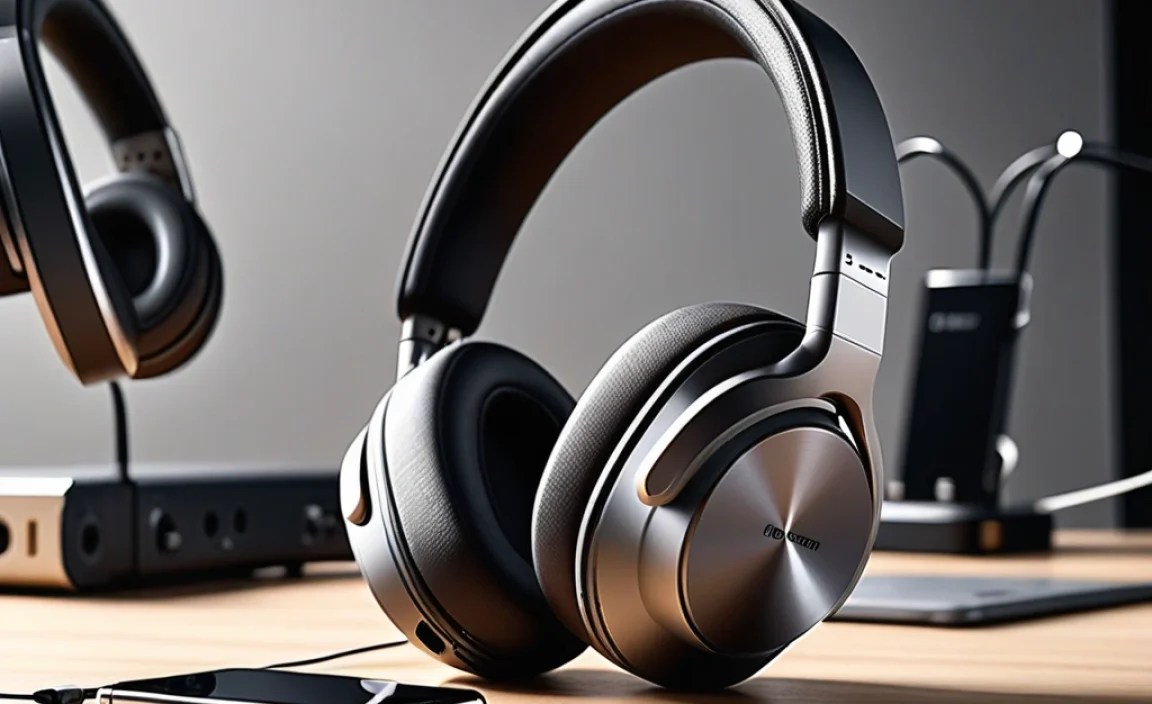
Ready to find the perfect guardian for your wireless audio companions? Follow these simple steps to make an informed decision about your “case for wireless headphones.”
Step 1: Identify Your Headphone Type
Are you using over-ear, on-ear, true wireless earbuds, or neckband earbuds? The form factor of your headphones is the most crucial factor in determining the case size and shape you’ll need.
Example: Over-ear headphones will require a much larger, often hardshell case, while true wireless earbuds might suffice with a smaller pouch or a reinforced charging case cover.
Step 2: Assess Your Usage Habits
Think about where and how you’ll be using your headphones most often. This will dictate the level of protection you need.
- For the Gym/Commuting: A durable, possibly water-resistant case that can withstand a bit of rough handling is ideal.
- For Travel: A robust hard-shell case is recommended to protect against impact and crushing in luggage.
- For Desk Use/Light Carry: A simpler soft pouch might be sufficient to prevent minor scratches and dust.
Step 3: Consider Specific Brand or Model Compatibility
While universal cases exist, a case specifically designed for your headphone model often provides the best fit and ensures all contours and controls are accounted for.
Tip: Search for “[Your Headphone Model] case” to find the most tailored options.
Step 4: Evaluate Protection Features
Look at the materials and construction described above (Step 4). Does the case offer:
- Sufficient padding?
- A rigid outer shell?
- A secure closure mechanism?
For example, if you often find yourself in environments where items might be stacked on top of your headphones in a bag, a case with excellent crush resistance is paramount. Resources from organizations like the National Highway Traffic Safety Administration (NHTSA), while focused on vehicle safety, often highlight the importance of secure storage of personal electronic devices to prevent damage during transit.
Step 5: Check for Accessory Storage
Do you need to store your charging cable, adapter, or spare ear tips? Ensure the case has adequate space and organizational features for these essentials.
Step 6: Read Reviews and Compare Prices
Once you’ve narrowed down your options, read reviews from other users. Pay attention to comments about durability, fit, and customer service. Compare prices from different retailers to find the best value.
A Comparison of Common Case Scenarios
To further illustrate why a case is so important, let’s look at a few typical scenarios:
| Scenario | Headphones Left Exposed | Headphones in Dedicated Case | Why the Case Wins |
|---|---|---|---|
| Toss into Gym Bag | Scratches from keys/water bottles, lint & sweat buildup. Potential for crushing under other items. | Protected from impacts, dust, and moisture. Earbud contacts stay clean. | Prevents cosmetic damage and functional issues. |
| Carrying in a Backpack (Student/Commuter) | Risk of damage from other books, laptops, or objects. Can get bumped against surfaces. | Shielded from external pressure. Interior lining prevents scratches. Easy to locate. | Safeguards delicate components and maintains pristine appearance. |
| Travel in Checked Luggage | Extremely high risk of crushing, impact damage, and exposure to elements. | Rigid shell protects against crushing forces and impacts during baggage handling. | Essential protection for an expensive electronic device in harsh handling conditions. |
| Storing on a Desk/Table | Dust accumulation, potential for accidental knock-offs, and minor surface scratches from cleaning. | Keeps headphones pristine and dust-free when not in use. Prevents minor accidents. | Maintains cleanliness and prevents minor, but noticeable, wear and tear. |
As you can see, the difference is substantial and directly impacts the longevity and performance of your headphones. Protecting your audio gear is a proactive step towards ensuring consistent, high-quality sound.
Essential Accessories to Store With Your Headphones
Beyond just the headphones themselves, a good case can often accommodate those small but crucial accessories that keep your wireless audio experience running smoothly:
- Charging Cables: Keep your USB-C, Lightning, or auxiliary cables neatly organized and untangled.
- Power Adapters/Wall Plugs: If you travel with a specific adapter, a dedicated slot can be a lifesaver.
- Spare Ear Tips (for earbuds): Crucial for achieving a perfect fit and seal if you use different sizes or lose one.
- Bluetooth Dongles/Transmitters: For connecting to devices without native Bluetooth.
- Cleaning Cloths: A small microfiber cloth can be tucked away for quick touch-ups.
Many cases feature mesh pockets or elastic bands designed specifically for these items. This not only keeps your headphones protected but also ensures you have everything you need for a complete listening session readily available.
Maintaining Your Headphone Case
Just like your headphones, your case benefits from a little care:
- Regular Cleaning: For fabric cases, a gentle wipe with a damp cloth or occasional vacuuming can remove dust. For hard cases, a simple wipe-down is usually sufficient.
- Check Zippers: Ensure zippers are clean and free of debris. A little beeswax can help if they become stiff.
- Inspect for Damage: Periodically check for tears, loose stitching, or cracks that might compromise its protective abilities.
Keeping your case in good condition ensures it continues to provide reliable protection for your headphones for years to come. It’s a small effort that yields significant returns in preserving your audio gear.
FAQ: Your Wireless Headphone Case Questions Answered
Here are some common questions first-time or curious headphone users often have about cases:
Q1: Do I really need a case if my wireless earbuds came with a charging case?
A1: While the charging case protects them during everyday use and keeps them powered, it’s often not robust enough for travel or rough handling. A separate, more durable case (often hard-shell) offers superior protection against drops, impacts, and crush damage, especially when tossing them in a backpack or gym bag.
Q2: How do I choose the right size case for my headphones?
A2: Measure your headphones (or check their dimensions online) and compare them to the interior dimensions listed for the case. For over-ear headphones, look for cases specifically designed for your model or brand. For earbuds, consider their overall size including the charging case.
Q3: Can I put my headphones in the washing machine inside their case?
A3: Absolutely not. While some cases are water-resistant, they are not typically designed for submersion or machine washing. This could damage the case and, more importantly, your headphones. Always clean cases manually.
Q4: What’s the difference between EVA and ballistic nylon cases?
A4: EVA (Ethylene Vinyl Acetate) is a flexible but tough foam that can be molded into precise shapes, offering excellent shock absorption and crush resistance. Ballistic nylon is a heavy-duty, woven fabric known for its exceptional durability, abrasion resistance, and water repellency. Many premium cases use a combination of both for optimal protection.
Q5: Are there eco-friendly case options available?
A5: Yes, the market is increasingly offering more sustainable options. Look for cases made from recycled materials, plant-based plastics, or those manufactured by companies with strong environmental commitments. Research brands that prioritize eco-conscious production.
Q6: How do I clean a hard-shell headphone case?
A6: Typically, a damp cloth with mild soap is sufficient for the exterior and interior. For stubborn marks or sticky residues, isopropyl alcohol can be used sparingly on the exterior, but be cautious around fabric linings. Always ensure it’s completely dry before placing your headphones back inside.
Q7: Will a case affect the wireless connectivity or signal of my headphones?
A7: No, a properly designed case will not interfere with your headphones’ wireless connectivity. Bluetooth signals are generally not strong enough to be significantly impeded by the materials typically used in headphone cases. The case’s primary function is physical protection.
Conclusion: Your Headphones Deserve a Guardian
Owning quality wireless headphones is a fantastic way to enhance your daily listening experience. From your morning commute soundtrack to crucial work calls and evening relaxation, they’re an integral part of modern life. But with that convenience comes a responsibility to protect your investment.
A dedicated “case for wireless headphones” isn’t a luxury; it’s an essential companion that safeguards your gear against the everyday wear and tear, the accidental drops, and the environmental elements that can degrade performance and shorten their lifespan.
By choosing the right case — one that matches your headphone type, your lifestyle, and offers robust protection — you’re not
