
Cases for headphones play a vital role in maintaining the longevity and performance of your audio gear by protecting them from damage and ensuring seamless portability. By investing in a quality headphone case, users can safeguard their devices from the wear and tear of daily use.
In today’s world, headphones have become an essential accessory for music lovers, commuters, and professionals alike. As valuable tools for entertainment, communication, and work, protecting these devices is paramount to ensuring their longevity and optimal performance. This is where cases for headphones come into play. Headphone cases offer much more than just aesthetic appeal; they provide essential protection against physical damage, dust, and moisture. Understanding why these cases matter and how to choose the right one can make a significant difference in the life of your headphones.
Key Takeaways
- Protection: Cases safeguard headphones from physical damage.
- Durability: Enhance the life-span of headphones by preventing wear and tear.
- Portability: Make carrying headphones easier and more convenient.
- Organization: Cases help in organizing cables and accessories.
- Customization: Options in design and color to suit personal style.
- Cost-effectiveness: Protecting headphones prevents costly repairs or replacements.
- Variety: Available for over-ear, on-ear, and in-ear headphones.
What is Cases for Headphones?

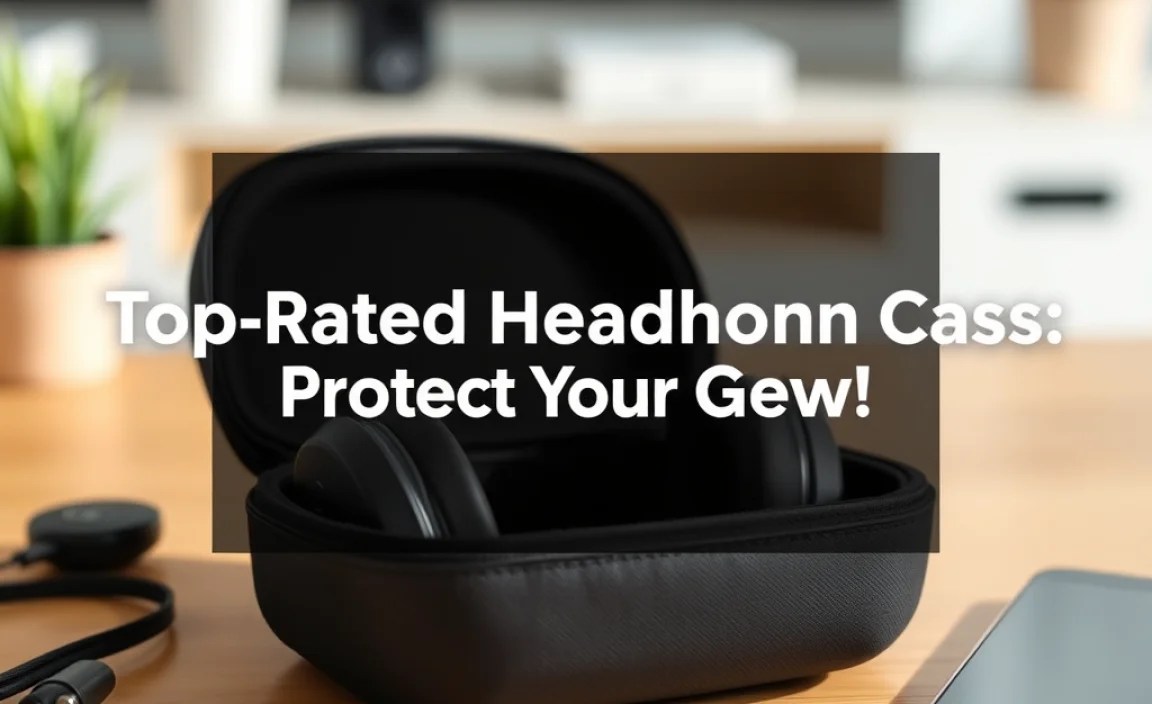
Cases for headphones are protective enclosures designed to encapsulate and safeguard headphones from potential damages during storage or transit. They come in various shapes, sizes, and materials to cater to the diverse range of headphones available in the market. Understanding what constitutes a good headphone case can greatly influence the user’s overall experience.
Types of Headphone Cases
- Hard Cases: Made from tough materials like plastic or metal, offering maximum protection.
- Soft Pouches: Fabric-based, lightweight, and easy to carry, but less protective.
- Water-resistant Cases: Built to protect against moisture, ideal for outdoor use.
- Custom-fit Cases: Designed specifically for certain headphone models, ensuring a snug fit.
- Multi-purpose Cases: Include compartments for cables and accessories.
Headphone cases come in various forms, from hard cases that provide robust protection to soft pouches that offer convenience and portability. Choosing the right type depends on the specific needs and usage patterns of the user.
Why Cases for Headphones is Important?

Investing in a case for your headphones is not merely about convenience; it is about safeguarding a valuable investment. Headphone cases provide a myriad of benefits that enhance the overall user experience and ensure that headphones remain in top condition for longer periods.
Benefits of Using Headphone Cases
- Damage Prevention: Protects against drops, bumps, and scratches.
- Moisture Shield: Keeps headphones safe from rain or humidity.
- Portability Enhancement: Easier to pack and carry during travel.
- Cable Management: Prevents tangling and damage to cables.
- Style and Personalization: Customizable options to match personal aesthetics.
- Cost Efficiency: Reduces the likelihood of repairs and replacements.
Headphone cases not only safeguard the device from physical and environmental factors but also offer solutions for organization and style. By choosing the appropriate case, users can enhance the functionality and aesthetic appeal of their headphones.
Step-by-Step Guide to Choosing Cases for Headphones
Step 1: Assess Your Headphone Type
- Identify: Determine if your headphones are in-ear, on-ear, or over-ear.
- Consider Size: Measure your headphones to ensure a proper fit.
Understanding the type and dimensions of your headphones is the first step in selecting the most suitable case, ensuring compatibility and proper protection.
Step 2: Determine Protection Needs
- Usage Environment: Consider if you’ll need water-resistant or hard-shell protection.
- Frequency of Use: Identify whether you need a case for daily use or occasional travel.
Evaluating your typical usage environment helps in selecting a case that meets specific protection requirements, whether against physical impacts or environmental factors.
Step 3: Explore Material Options
- Hard Materials: Look for plastic or metal for maximum protection.
- Soft Materials: Consider fabric or leather for lightweight options.
Materials play a crucial role in the durability and weight of the case. Select a material that balances protection with portability.
Step 4: Consider Additional Features
- Extra Compartments: Useful for storing cables and accessories.
- Carrying Options: Check for handles or shoulder straps for convenience.
Additional features can enhance usability, providing extra convenience and organization for headphone accessories.
Step 5: Check Reviews and Ratings
- User Feedback: Read reviews to understand user experiences.
- Expert Recommendations: Look for expert reviews for quality assurance.
Reviews and ratings offer insights into the real-world performance and durability of the case, aiding in making an informed decision.
Alternative Methods / Tools
DIY Headphone Cases
- Materials Needed: Fabric, cushioning material, zipper.
- Steps: Cut fabric to size, sew sides, add cushioning, attach zipper.
Creating a DIY headphone case can be a cost-effective and personalized alternative, allowing for customization according to specific needs and preferences.
Multi-purpose Bags
- Convenience: Offer room for multiple gadgets and accessories.
- Protection: Less specialized, but provide basic protection.
Multi-purpose bags are ideal for users who need to carry a variety of electronics and accessories, though they may lack the tailored protection of dedicated cases.
Troubleshooting Common Issues
Damaged Zipper on Case
- Solution: Use zipper lubricant or replace the zipper.
If a case’s zipper becomes stuck or damaged, applying a zipper lubricant can often restore functionality, or the zipper may need replacing for a more permanent fix.
Case Does Not Fit Properly
- Solution: Check dimensions and consider a custom-fit case.
If your case doesn’t fit your headphones properly, double-check the dimensions and seek a custom-fit option to ensure maximum protection.
Advanced Techniques
For those seeking to optimize the protection and functionality of their headphone cases, advanced techniques can be employed. Consideration of clean installation processes, rolling back to previous versions, and optimizing storage compartments can enhance the user experience.
Prevention & Maintenance Tips
- Regular Cleaning: Wipe down cases to remove dust and debris.
- Proper Storage: Store cases in a cool, dry place to prevent material degradation.
- Avoid Overloading: Do not overstuff cases to maintain zipper integrity.
- Periodic Inspection: Check for signs of wear and repair as needed.
Maintaining headphone cases involves regular cleaning and inspections to prevent material degradation and ensure continued functionality, helping to extend the life of both the case and the headphones.
According to a report by Allied Market Research 2025, the global headphone accessories market is projected to grow by 5.2% annually, underscoring the increasing demand for quality headphone cases.
Pew Research Center 2024 found that 70% of headphone users consider protection as a primary reason for their purchase decisions, highlighting the importance of investing in a good case.
Comparison of Headphone Case Materials
| Material | Protection Level | Weight | Durability | Best For |
|---|---|---|---|---|
| Hard Plastic | High | Medium | Long-lasting | Daily Use |
| Leather | Moderate | Heavy | Moderate | Style & Aesthetics |
| Fabric | Low | Light | Short-term | Travel |
Conclusion
Investing in the right case for your headphones is crucial for ensuring their longevity and optimal performance. With various options available, understanding your specific needs and selecting a suitable case can make a significant difference. Protecting your headphones not only enhances their lifespan but also provides peace of mind, knowing that they are safeguarded against potential damage. Consider your lifestyle, usage patterns, and aesthetic preferences to make an informed choice.
Frequently Asked Questions
Question 1: What Type of Case is Best for In-ear Headphones?
Answer: Hard cases are generally recommended for maximum protection.
Question 2: Can I Use a Multi-purpose Bag for My Headphones?
Answer: Yes, but specialized cases offer better protection.
Question 3: How Do I Clean My Headphone Case?
Answer: Use a damp cloth for cleaning the exterior and interior.
Question 4: Are There Waterproof Cases Available?
Answer: Yes, many manufacturers offer water-resistant models.
Question 5: What’s the Average Cost of a Quality Headphone Case?
Answer: Prices range from $15 to $50, depending on material and features.
Question 6: How Often Should I Replace My Case?
Answer: Replace when signs of wear become apparent or every few years.
Question 7: Can I Customize My Headphone Case?
Answer: Many brands offer customizable options including colors and designs.
Question 8: Are Soft Pouches Reliable?
Answer: Soft pouches are convenient but offer less protection than hard cases.
Question 9: Do Headphone Cases Affect Sound Quality?
Answer: No, they do not affect the sound quality of headphones.
