
Quick Summary: Discover affordable Bluetooth headphones that don’t compromise on sound quality. This guide helps beginners find reliable, budget-friendly options for essential audio experiences, covering key features, how to choose, and simple tips for great sound on a dime.
Cheap Best Bluetooth Headphones: Essential Audio for Everyone

Hey audio adventurers! Edward Cavitt here from Headphone Horizon, your go-to spot for making sense of the wonderful world of sound. If you’ve ever wished for crystal-clear music, immersive podcasts, or hassle-free calls without breaking the bank, you’re in the right place. Today, we’re diving deep into the realm of “cheap best Bluetooth headphones.
” Forget those fancy, over-priced gadgets. We’re talking about finding fantastic audio companions that are kind to your wallet. You don’t need to be an audiophile to appreciate great sound, and with a little know-how, you can snag some truly amazing Bluetooth headphones that deliver on quality, comfort, and value. Let’s get started on your journey to essential audio!
Why Go Bluetooth? The Wireless Advantage
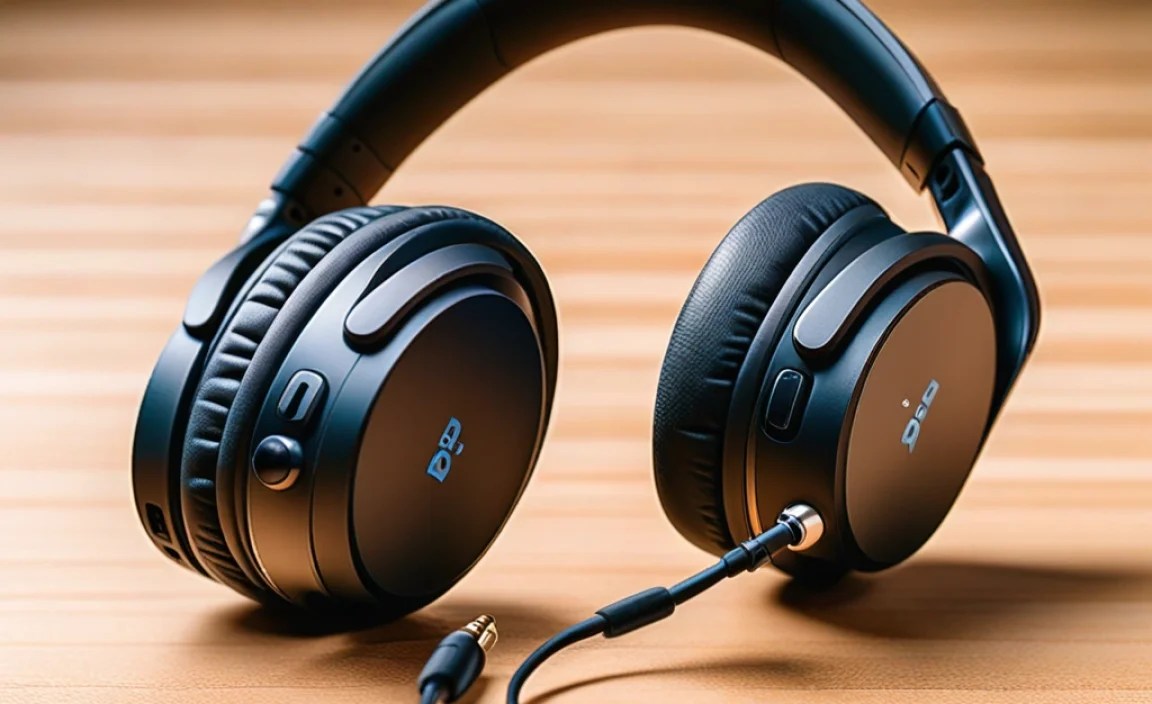
Before we hunt for the best deals, let’s quickly touch on why Bluetooth headphones have become so popular. The biggest perk? Freedom! No more tangled wires getting in your way when you’re on a run, working out, commuting, or even just moving around your home. Bluetooth technology allows your headphones to connect wirelessly to your phone, tablet, laptop, or any other compatible device. This means less fuss and more convenience, letting you focus on what you’re listening to.
- Freedom of Movement: No cables to get caught or tangled.
- Convenience: Easy to pair and switch between devices.
- Modern Appeal: Sleek and streamlined designs are common.
- Reduced Wear and Tear: No wires means less chance of physical damage to cables.
Decoding the Jargon: What to Look For

When you’re shopping for headphones, especially on a budget, you’ll see a lot of technical terms. Don’t let them overwhelm you! Here’s a breakdown of the most important features to keep an eye on:
Sound Quality: The Heart of the Matter
This is what it’s all about, right? While “cheap” might sound like it means “bad sound,” that’s not always the case. For budget-friendly headphones, you’re looking for a balanced sound profile. This means no single part of the audio (like bass or treble) is overpowering the others. Look for terms like:
- Clear Mid-range: Essential for vocals and most instruments.
- Decent Bass: Enough to give music impact, but not so much it sounds muddy.
- Crisp Highs: For detail and clarity without being harsh.
Honestly, the best way to judge sound quality is to try them if possible, or at least read reviews from trusted sources. For budget headphones, aiming for “balanced” and “clear” is a solid strategy.
Comfort and Fit: You’ll Be Wearing Them a Lot!
Whether you choose earbuds, on-ear, or over-ear headphones, comfort is key. If they hurt your ears or feel heavy, you won’t want to use them, no matter how cheap they were. Consider:
- Earcups (Over-ear/On-ear): Look for plush padding that doesn’t press too hard.
- Ear Tips (Earbuds): Most come with different sizes. A good seal is crucial for both comfort and sound isolation.
- Headband (Over-ear/On-ear): Should be adjustable and padded.
- Weight: Lighter is generally better for extended listening sessions.
Battery Life: Keeping the Music Playing
This is where Bluetooth headphones can really shine. Most offer several hours of playback on a single charge. For everyday use, aim for at least 4-6 hours, but many affordable options easily exceed 10-20 hours. It’s also worth checking how long they take to recharge.
Connectivity: A Stable Link
Bluetooth versions (like 4.0, 4.2, 5.0, 5.1, 5.2) matter for stability, range, and power efficiency. Simply put, newer versions generally offer a more reliable connection with less dropouts and a longer range from your device. Bluetooth 5.0 and later are excellent for budget headphones. Check that the headphones have a good range, meaning you can walk a reasonable distance from your device without losing the signal.
Durability and Build Quality: Investing for the Long Haul
Even cheap headphones should be built to last. Look for sturdy materials. While plastic is common in budget models, it shouldn’t feel flimsy. Check hinges, adjusters, and any moving parts for robustness.
Microphone Quality: For Calls and Voice Assistants
If you plan to use your headphones for calls or to interact with voice assistants (like Siri or Google Assistant), the microphone is important. Read reviews specifically mentioning mic performance. Cheaper headphones may have less clear microphones, so if this is a priority, factor it in.
Types of Cheap Bluetooth Headphones
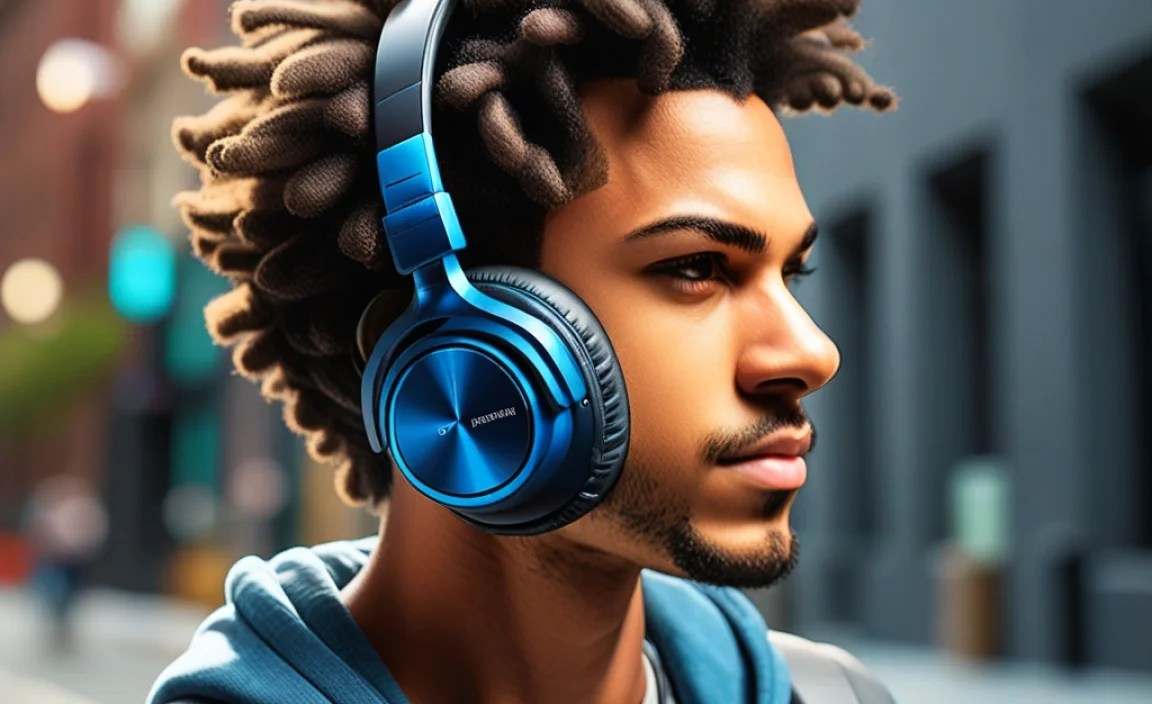
When searching for budget-friendly options, you’ll find a few common styles:
1. True Wireless Earbuds (TWS)
These are completely wire-free, with each earbud being separate. They usually come with a charging case that tops them up. They’re incredibly popular for their compact size and convenience.
- Pros: Ultra-portable, no wires at all, often come with charging cases for multiple recharges.
- Cons: Can be tiny and easy to lose, battery life per bud might be shorter than other types, fit can be tricky for some.
2. Wireless Neckband Earbuds
These have two earbuds connected by a wire that rests around your neck. The control module is usually on one of the wires.
- Pros: Earbuds are tethered, so less likely to lose them; often have longer battery life than TWS; controls are easy to find.
- Cons: The neckband can sometimes be a bit distracting; not as sleek as TWS.
3. On-Ear Bluetooth Headphones
These rest on top of your ears. They’re a good middle ground between earbuds and over-ear headphones.
- Pros: Generally more comfortable than earbuds for some; better sound isolation than earbuds often; don’t make your ears as hot as over-ears.
- Cons: Can press on ears uncomfortably for some users over long periods; may leak sound at higher volumes.
4. Over-Ear Bluetooth Headphones
These completely surround your ears with plush earcups. They often offer the best comfort and sound isolation for many people.
- Pros: Excellent comfort for long listening sessions; great noise isolation; often deliver richer sound.
- Cons: Can be bulky; may make ears warm; can be more expensive, but budget options exist.
Finding Your Perfect Pair: A Step-by-Step Guide
Ready to find your ideal budget Bluetooth headphones? Follow these steps:
Step 1: Assess Your Needs
What will you use your headphones for most?
- Commuting/Travel: Look for good noise isolation and long battery life.
- Exercise: Aim for a secure fit and possibly some water resistance (look for IP ratings).
- Work/Study: Comfort for long periods and a clear microphone for calls.
- Casual Listening: Focus on sound quality and comfort.
Step 2: Set Your Budget
“Cheap” can mean different things to different people. Generally, you can find decent Bluetooth headphones for anywhere from $20 to $70. Decide what you’re comfortable spending. Remember, the goal is the best for your money, not necessarily the absolute cheapest.
Step 3: Research Brands and Models
Several brands consistently offer good value in the budget category. Some popular ones include:
| Brand Examples | What They’re Known For (in Budget) | Typical Price Range (USD) |
|---|---|---|
| Anker (Soundcore) | Great battery life, decent sound, durable builds. | $25 – $70 |
| JLab | Fun designs, good features for the price, especially for workouts. | $20 – $60 |
| Skullcandy | Bold styling, solid bass, good value. | $30 – $70 |
| Sennheiser (Entry-Level Models) | Reputation for great sound quality, even in their more affordable lines. | $40 – $80 (may push budget slightly depending on sales) |
| AmazonBasics | Simple, no-frills reliable options. | $20 – $50 |
*Note: Prices are approximate and can fluctuate, especially with sales and discounts.
Step 4: Read Reviews
Once you have a few models in mind, dive into written and video reviews from reputable tech sites and user testimonials. Look for consistent feedback on sound, comfort, battery, and connectivity. Sites like Rtings.com, CNET, and TechRadar often have in-depth reviews. For a deeper dive into sound principles, check out resources from academic institutions like Stanford’s audio research, which highlights the importance of acoustics and psychoacoustics in perceived sound quality.
Step 5: Purchase Smartly
Compare prices across different retailers. Online marketplaces like Amazon, Best Buy, and Walmart are great places to find deals. Keep an eye out for sales events like Prime Day, Black Friday, or holiday promotions, which can offer significant discounts on even currently popular models.
Essential Features to Prioritize on a Budget
When your budget is tight, you might have to make trade-offs. Here’s what I’d recommend prioritizing:
| Feature | Why It’s Important | What to Aim For on a Budget |
|---|---|---|
| Sound Quality | The primary reason you’re buying headphones! | Clear mids, balanced bass and treble. Avoid overly boomy or tinny sound. |
| Comfort & Fit | If they’re uncomfortable, you won’t use them. | Lightweight, good padding, secure fit (especially for earbuds). |
| Battery Life | Keeps your listening going without constant charging. | At least 6-8 hours per charge for earbuds, 15+ for over/on-ears. |
| Connection Stability | No one wants dropped audio. | Bluetooth 5.0 or newer is ideal; look for reviews mentioning stable connections. |
| Durability | You want them to last. | Sturdy build, good materials, well-constructed hinges (if applicable). |
Features You Might Compromise On (but can still find!)
While you might not get every premium feature, you can often still find good options for:
- Active Noise Cancellation (ANC): This is a premium feature. While some budget headphones advertise ANC, its effectiveness is usually limited compared to higher-end models. Passive noise isolation (achieved through a good seal) is often more effective on budget gear.
- High-Resolution Audio Codecs (like aptX HD, LDAC): These are great but not essential for most listeners. Standard SBC or AAC codecs are perfectly fine for everyday listening.
- Fast Charging: Most budget options will charge fully in 1-2 hours, which is usually sufficient.
- Multipoint Pairing (connecting to two devices simultaneously): This is a great convenience, but less common on the absolute cheapest models.
Making the Most of Your Cheap Bluetooth Headphones
Once you’ve got your new audio buddies, here are some tips to make them sound even better and last longer:
1. Ensure a Good Seal (Especially for Earbuds)
For earbuds, finding the right-sized ear tips is crucial. A good seal not only improves comfort but dramatically enhances bass response and sound isolation. Try all the included tips until you find the one that feels snug and secure without causing pressure.
2. Experiment with EQ Settings
Your smartphone or music player likely has an equalizer (EQ) app. You can use this to tweak the sound. If your headphones sound a bit bass-heavy, you can reduce the bass frequencies. If they lack sparkle, you can slightly boost the treble. Many audio apps, like Spotify or Apple Music, have built-in EQs. For a more technical understanding of audio equalization, the Audio Engineering Society (AES) offers resources on acoustics and signal processing.
3. Keep Them Clean
Regular cleaning can prevent issues and improve sound. For earbuds, gently wipe down the ear tips and the speaker grilles. For over-ear headphones, clean the earcups and headband with a slightly damp cloth. Avoid harsh chemicals. Cleanliness also helps prevent ear infections, which is a good health practice. For more on ear health and hygiene related to audio devices, the National Institute on Deafness and Other Communication Disorders (NIDCD) provides excellent guidance on safe listening practices.
4. Proper Charging Habits
To maximize battery longevity, avoid leaving your headphones plugged in for days after they’re fully charged, and try not to let them drain completely to 0% constantly. Most modern batteries handle this better than older ones, but it’s still a good general practice.
5. Protect Them from the Elements
Avoid exposing your headphones to extreme heat, cold, or moisture unless they are specifically rated for it (e.g., with an IPX rating for water resistance). Sweat, rain, and direct sun can damage components over time.
Frequently Asked Questions
Q1: How much should I expect to spend on good cheap Bluetooth headphones?
You can find very capable and well-reviewed Bluetooth headphones for anywhere between $30 and $70. While cheaper options exist, this range generally balances affordability with solid performance, comfort, and battery life.
Q2: Can I get noise cancellation on cheap Bluetooth headphones?
Some budget headphones advertise Active Noise Cancellation (ANC), but its effectiveness is usually minimal compared to premium models. You’re often better off looking for headphones with good passive noise isolation, which comes from the physical design and a secure fit (especially with earbuds).
Q3: Are brand names important for cheap headphones?
While established brands often have a good reputation for quality control and customer support, there are many lesser-known brands that offer excellent value. Focusing on reviews for specific models is more important than sticking to a big brand name when shopping on a budget.
Q4: How do I pair my Bluetooth headphones for the first time?
Most headphones enter pairing mode automatically when you first turn them on. If not, there’s usually a button you hold down to activate it. Then, go into your device’s Bluetooth settings (phone, tablet, computer), scan for new devices, and select your headphones from the list. The process is fairly uniform across most devices and headphone models.
Q5: My Bluetooth headphones keep disconnecting. What can I do?
First, ensure your headphones are fully charged. Then, try unpairing and re-pairing them with your device. If the issue persists, check for interference from other devices (like microwaves or other strong wireless signals) and try moving closer to your audio source. Outdated firmware on your headphones or device can also cause issues; check the manufacturer’s app or website for updates.
Q6: Can I use my cheap Bluetooth headphones for gaming?
You can, but there might be a slight delay (latency) between the video and audio. This is more noticeable with budget headphones. For serious gaming where precise timing is critical, wired headphones or specialized wireless gaming headsets are often preferred. However, for casual mobile gaming or watching videos, they’ll likely be perfectly fine.
Q7: How long should the battery on my cheap Bluetooth headphones last?
Battery life varies greatly, but for earbuds, expect anywhere from 4 to 10 hours per charge depending on the model and listening volume. Over-ear and on-ear headphones can last much longer, often 20 to 40 hours or more. Always check the product specifications for exact details.
