
Quick Summary: Discover how cloth covers for headphones offer essential protection against dust, dirt, and minor scuffs, extending their lifespan. Learn why they’re a simple yet effective accessory for safeguarding your audio investment, keeping them clean and looking new with minimal effort.
Cloth Covers for Headphones: Essential Protection for Your Audio Gear
Hey audio adventurers! Edward Cavitt here from Headphone Horizon, your friendly guide to all things sound. We all love our headphones, right? They’re our gateway to incredible music, immersive podcasts, and crystal-clear calls. But just like any beloved gadget, they need a little TLC to keep performing at their best and looking fantastic. Today, we’re diving into a simple, often overlooked accessory: cloth covers for headphones. Think of them as tiny, stylish jackets for your cans, offering essential protection against the everyday wear and tear that can sneak up on even the most careful listeners. Let’s explore why these covers are more than just an afterthought – they’re a smart investment in extending the life and improving the experience of your cherished headphones.
Why Bother With Headphone Covers?
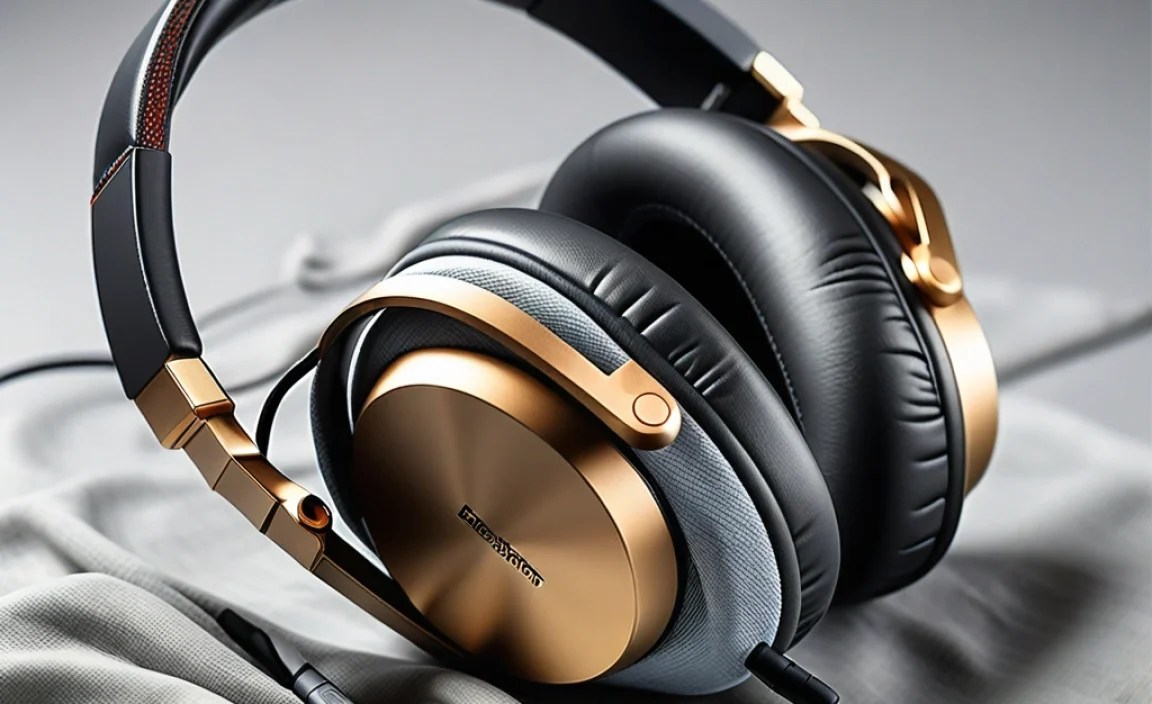
It might seem like a small detail, but protecting your headphones can make a big difference. They’re constantly exposed to the elements, whether you’re on your daily commute, working at your desk, or just relaxing at home. Dust bunnies love settling into earcups, accidental brushes can leave unsightly marks, and sweat can degrade materials over time. This is where cloth covers step in, offering a surprisingly robust line of defense.
Consider the common culprits of headphone wear:
- Dust and Debris: Tiny particles can accumulate on earcups and headbands, making them look old and dirty, and potentially clogging speaker grilles.
- Scratches and Scuffs: Accidental bumps against desks, bags, or walls can leave permanent marks.
- Skin Oils and Sweat: Natural oils and perspiration from your skin can degrade padding materials over time, leading to a greasy feel and eventual breakdown.
- Environmental Factors: Light exposure can fade colors, and ambient humidity can sometimes affect delicate electronics if not properly stored.
Cloth covers act as a first barrier against these common enemies of headphone longevity. They are easy to clean, inexpensive to replace, and come in a variety of styles to match your personal aesthetic. It’s a small step that pays dividends in keeping your headphones functioning optimally and looking great for longer.
The Anatomy of a Headphone Cover

When we talk about “cloth covers for headphones,” we’re usually referring to a few different types, each designed for a specific part of your headphones:
Earcup Covers
These are arguably the most common type. They are typically slip-on sleeves made from soft, breathable fabrics like cotton, velour, or spandex. They are designed to fit snugly over your headphone earcups, protecting the original padding.
- Purpose: Primary protection for the earcup surfaces against dust, sweat, and direct skin contact. They can also add a layer of comfort.
- Material: Often made from soft, washable fabrics.
- Application: Simply slide them over the existing earcups.
Headband Covers
Similar to earcup covers, these are also slip-on sleeves, but shaped to fit the contour of your headphone’s headband. They protect the headband padding from pressure, sweat, and wear.
- Purpose: Protects the headband from sweat, oils, and friction, preventing cracking or material breakdown.
- Material: Can be made from similar fabrics as earcup covers, sometimes with a bit more padding.
- Application: Slides over the headband, often secured with Velcro or elastic.
Full Headphone Sleeves
Less common for everyday use but great for storage or travel, these are larger covers designed to encase most of the headphone, often with openings for controls or cables. They offer more comprehensive protection in a single piece.
- Purpose: Offers full-body protection, especially during transit or long-term storage.
- Material: Can range from simple cloth to padded materials.
- Application: Drapes over the entire headphone.
Benefits of Using Cloth Covers for Headphones

Let’s break down exactly why investing a few dollars in cloth covers is a smart move for any headphone owner.
Extended Lifespan
This is the big one! By acting as a sacrificial layer, headphone covers shield your original earcups and headband padding from constant contact with skin, hair products, and environmental grime. This significantly reduces wear and tear, helping your headphones last much longer. The original padding stays cleaner and is less likely to develop tears or become compressed prematurely.
Enhanced Hygiene
Our ears can produce oils and sweat, and contact with hair can introduce dirt. Earcup covers absorb these substances, keeping the actual headphone material cleaner. They are also easily removable and machine washable, allowing you to maintain a hygienic listening experience more effectively. For shared headphones, this is a huge plus for hygiene.
Improved Comfort
Some materials can feel less pleasant against the skin, especially after prolonged use or exposure to heat. A soft, breathable cloth cover can often feel more comfortable than the original material, particularly during long listening sessions. They can also help manage moisture, keeping your ears feeling drier.
Aesthetic Preservation
Want your headphones to look as good as they sound, even after years of use? Cloth covers are fantastic for preventing scratches, scuffs, and discoloration. They act like a protective film, keeping the original finish pristine. Plus, they offer a fun way to customize the look of your headphones!
Cost-Effectiveness
Compared to the cost of replacing earpads or the headphones themselves, a set of cloth covers is incredibly affordable. It’s a small preventative measure that can save you significant money in the long run.
Choosing the Right Cloth Cover for Your Headphones

Not all covers are created equal, and the best choice depends on your headphones and how you use them. Here are some factors to consider:
Compatibility and Fit
This is paramount. Measure your earcups and headband to ensure the covers you choose will fit snugly and securely. Too loose, and they’ll slip off; too tight, and they might stretch or damage your headphones. Check product descriptions carefully for recommended headphone models or measurements.
Material Matters
Different fabrics offer different benefits:
- Cotton: Soft, breathable, and generally easy to wash. Good for everyday comfort.
- Velour: Luxuriously soft, often adding a plush feel. Can be warmer for extended wear.
- Spandex/Polyester Blends: Stretchy and durable, offering a very snug fit. Often quick-drying.
- Mesh: Highly breathable, good for preventing heat buildup, but might offer less plush comfort.
Durability and Washability
You’ll want covers that can withstand regular use and washing. Look for seams that are well-stitched and materials that are known for their resilience. Check the care instructions; most cloth covers are machine washable (on a gentle cycle, likely cold water), but it’s always best to confirm.
Style and Color
This is where you can have fun! Covers come in a rainbow of colors, patterns, and designs. Whether you want something subtle and professional or bold and eye-catching, there’s likely a cover out there for you.
How to Install and Maintain Your Headphone Covers
Putting on and caring for your new headphone covers is refreshingly simple. Here’s a quick guide:
Installation
- Start with Clean Headphones: Before applying any covers, it’s a good idea to gently clean your headphones themselves. Use a slightly damp microfiber cloth to wipe down earcups and the headband. Allow them to dry completely.
- Prepare the Cover: If the cover has any tags or packaging, remove them. Gently stretch the opening of the cover slightly.
- Earcup Covers: Carefully align the opening of the cover with the edge of your headphone earcup. Gently and evenly pull the fabric over the earcup, ensuring it lies flat and without wrinkles. Work your way around the earcup until the cover is fully seated.
- Headband Covers: For headband covers, locate the opening and slide it over one end of the headband. Evenly distribute the fabric as you slide it towards the center and over the other end. If there’s Velcro or a closure, secure it once the cover is in place.
- Adjust for Fit: Once installed, gently smooth out any wrinkles or bunches. Ensure the cover isn’t obstructing any buttons, ports, or audio drivers.
Maintenance
The beauty of cloth covers is their ease of care.
- Regular Cleaning: For general dust and light dirt, a quick wipe with a dry or lightly damp microfiber cloth might suffice.
- Washing: When they start to look or feel grimy, it’s time for a wash. Check the manufacturer’s instructions, but typically, you can machine wash them on a gentle cycle using cold water. It’s often recommended to place them in a mesh laundry bag to prevent snagging or damage.
- Drying: Air drying is usually the best method to preserve the fabric and ensure they don’t shrink or get damaged by heat. Lay them flat or hang them to dry away from direct sunlight or heat sources.
- Frequency: How often you wash them depends on your usage. For daily commuters or those who sweat a lot, weekly or bi-weekly washing might be ideal. For less frequent users, a monthly wash might be enough.
Headphone Covers: Pros and Cons
To give you a balanced view, let’s look at the advantages and disadvantages of using cloth covers for your headphones.
Pros
- Enhanced Protection: Shields against dust, dirt, sweat, and minor abrasions.
- Hygiene: Easy to wash and maintain cleanliness, especially for shared headphones.
- Comfort: Can add a softer, more pleasant feel against the skin.
- Aesthetic Customization: Allows for personalization of headphone appearance.
- Cost-Effective: Inexpensive way to prolong headphone life and maintain appearance.
- Breathability: Many materials are breathable, helping to reduce heat buildup.
Cons
- Fit Issues: Can be difficult to find the perfect fit for all headphone models.
- Potential for Snagging: Some fabrics might snag on rough surfaces.
- Added Bulk: May introduce a slight increase in the overall size of the earcups.
- Impact on Sound (Minimal): In very rare cases, extremely thick or poorly fitted covers could subtly alter soundstage or acoustics, though this is highly unlikely with standard cloth covers.
- Aesthetic Degradation: Covers themselves can wear out, fade, or get damaged over time, requiring replacement.
Alternatives to Cloth Covers
While cloth covers are excellent, it’s good to know about other options for protecting your headphones, especially for travel or more robust storage.
Leather or Pleather Earpad Replacements
These aren’t “covers” in the slip-on sense but are direct replacements for your existing earpads. They offer a fresh look and feel, and can be more resistant to sweat than standard velour or fabric pads. However, cleaning can be more involved, and they are a more significant investment.
Hard-Shell Headphone Cases
For travel or storage, a dedicated hard-shell case provides the best protection against impact, crushing, and the elements. Many cases are custom-molded for specific headphone models or offer universal designs with foam padding. This is ideal for transporting headphones outside of daily use.
Silicone Earbud Covers
If you use in-ear monitors (IEMs) or earbuds, silicone tips are standard. Beyond that, some specialized silicone covers exist to improve fit and provide a bit more comfort and protection for the housing itself, though they are less common for over-ear or on-ear headphones.
For everyday use and protection against the common culprits of wear and tear, cloth covers remain the most accessible and practical solution.
A Look at Materials and Durability
The material of your cloth headphone covers plays a significant role in their performance and how long they last. Let’s delve into some common options you’ll encounter when searching for “cloth covers for headphones”:
| Material Type | Common Traits | Best For | Considerations |
|---|---|---|---|
| Cotton & Cotton Blends | Soft, breathable, absorbent, machine washable. Can sometimes hold moisture if heavily saturated. | Everyday comfort, general protection, sensitive skin. | May not be as stretchy or form-fitting as synthetic blends. Can take longer to dry. |
| Velour | Luxurious soft feel, adds a plush texture, good insulation. | Premium comfort, adding a softer feel to headphone pads. | Can trap heat more than other materials, potentially less durable than synthetics for heavy use. |
| Spandex / Lycra / Elastane | Highly stretchy, provides a very snug and secure fit, durable, quick-drying. | Headphones with rounded or uniquely shaped earcups, active use where a secure fit is vital. | Can sometimes feel less “natural” against the skin than cotton; the stretch can wear out over many wash cycles. |
| Polyester Blends | Durable, resistant to stretching and shrinking, colorfast, good for printing designs. | Long-lasting covers, vibrant designs, general protection. | Breathability can vary; often blended with other fibers for better feel. |
| Mesh / Micro-Mesh | Extremely breathable, lightweight, excellent for heat dissipation. | ProAudio use, gaming, or environments where ear heat is a major concern. | May offer less cushioning or a coarser feel than softer fabrics. |
When selecting covers, consider the environment in which you use your headphones most. If you’re in a warm climate or prone to sweating during listening sessions, prioritize breathable materials like cotton or mesh blends. For a secure, almost custom fit, spandex or Lycra blends are excellent. For a touch of luxury and added softness, velour is hard to beat. Most commercially available covers will be blends, aiming to combine the best properties of different fibers for optimal performance and durability.
How Cloth Covers Contribute to Better Headphone Care
Beyond just physical protection, using cloth covers can actually improve your overall headphone care routine. For instance, think about hygiene. According to the Centers for Disease Control and Prevention (CDC), frequent cleaning of frequently touched items can help reduce the spread of germs. While headphones aren’t typically considered high-touch surfaces in the same way as doorknobs, they do come into contact with our skin and hair. Regularly washing your headphone covers (just like you would wash your clothes)
