
Understanding the nuances of DAC and amp for headphones can significantly elevate your audio experience by delivering clearer sound and enhancing overall quality. Whether you’re an audiophile or a casual listener, grasping these concepts is key to unlocking the true potential of your headphones.
In the realm of personal audio, the terms DAC (Digital-to-Analog Converter) and amp (amplifier) are frequently mentioned, yet often misunderstood. A DAC converts digital audio signals into analog, which is crucial because headphones cannot interpret digital signals. An amp, on the other hand, increases the power of these analog signals. Together, they ensure that your headphones deliver sound as intended, making these components indispensable for anyone serious about sound quality.
Key Takeaways
– **DAC and Amp Importance:** They convert and amplify signals for better sound quality.
– **Enhanced Audio Clarity:** Significant improvement in sound detail and richness.
– **Customizability:** Options available to suit different preferences and needs.
– **Investment in Quality:** Higher quality audio equipment can enhance the listening experience.
– **Essential for Audiophiles:** Critical for those who demand superior audio fidelity.
What is dac and amp for headphones?

Understanding the function and relevance of a DAC and amp is essential for anyone looking to enhance their auditory experience. A DAC transforms digital signals into analog ones, enabling your headphones to produce sound. Without a DAC, digital audio files would remain inaudible through analog devices like headphones. An amp then powers this sound, ensuring it’s delivered with sufficient volume and clarity.
Causes / Definition
– **Digital-to-Analog Conversion:** DACs change digital audio into analog signals for playback.
– **Amplification:** Amps boost the analog signal to drive headphones properly.
– **Signal Integrity:** Both components work to preserve the audio quality.
– **Noise Reduction:** Quality DACs and amps minimize distortions and noise.
– **Device Compatibility:** Not all headphones require external DACs and amps, but they can greatly enhance performance.
In essence, DACs and amps serve as the intermediaries between your digital music library and your ears, ensuring that every note is heard as intended by the artist.
Why dac and amp for headphones is Important?

The importance of a DAC and amp becomes apparent when striving for true sound reproduction. These tools are not merely luxury gadgets; they are vital for achieving a level of audio fidelity that many standard audio outputs can’t provide.
Benefits
– **Improved Sound Quality:** Delivers crisper, clearer audio.
– **Greater Volume Control:** Enables better management of sound levels.
– **Enhanced Detail:** Reveals nuances and subtleties in music.
– **Better Impedance Matching:** Ideal for high-impedance headphones.
– **Noise Isolation:** Reduces interference and background noise.
Ultimately, investing in a DAC and amp can be transformative, especially if you demand precision and clarity from your audio equipment.
Step-by-Step Guide to dac and amp for headphones

Step 1: Assess Your Needs
– **Evaluate Your Headphones:** Determine if they require a DAC/amp.
– **Consider Sound Preferences:** Identify your audio quality expectations.
– **Research Compatibility:** Ensure the DAC/amp works with your current setup.
Understanding your audio needs is the first step in choosing the right DAC and amp. Not every headphone will necessitate these components, but for many, they are essential upgrades.
Step 2: Choose the Right DAC
– **Check Bit Rate Support:** Look for DACs supporting high-resolution audio.
– **Consider Portability:** Decide if you need a portable or desktop DAC.
– **Budget Considerations:** Determine how much you’re willing to invest.
The right DAC should match your audio source’s bit rate and your lifestyle, whether you’re on the go or stationary.
Step 3: Select an Appropriate Amp
– **Match with Headphones:** Ensure the amp supports your headphone’s impedance.
– **Decide on Features:** Some amps offer extra controls like EQ settings.
– **Power Source:** Consider if you prefer battery-operated or plug-in amps.
Choosing the correct amp is crucial for providing the necessary power to your headphones without distortion.
Step 4: Setup and Connect
– **Follow Manufacturer Instructions:** Adhere to the setup guide for each device.
– **Check Connections:** Ensure secure connections between your devices.
– **Test Sound Quality:** Play music to verify improvements in sound.
With your DAC and amp selected, the setup process is straightforward. Ensure all connections are secure to enjoy optimal audio quality.
Alternative Methods / Tools
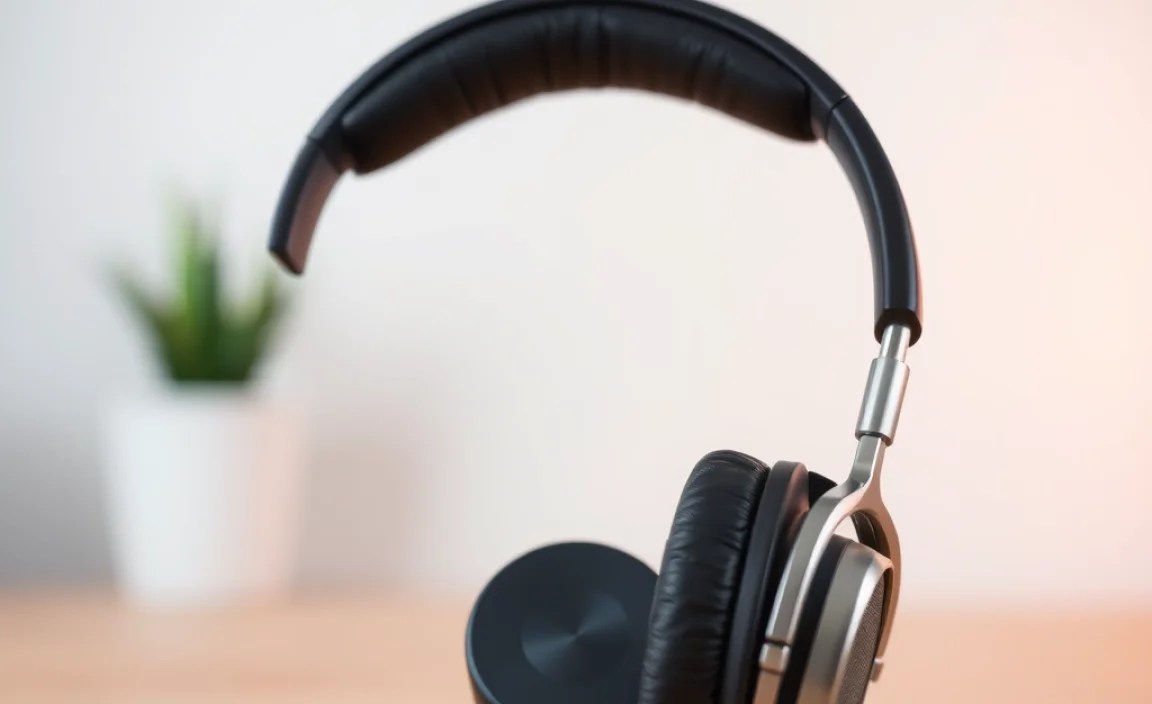
Integrated DAC/Amp Combos
– **Convenience:** Combines both functions in one unit.
– **Cost-effective:** Often cheaper than separate components.
– **Space-saving:** Ideal for compact setups.
Integrated DAC/amp combos are excellent for those looking for a simpler, more streamlined solution without compromising on quality.
USB DACs
– **Portability:** Easy to connect and use with laptops.
– **Plug and Play:** Requires minimal setup.
– **Budget-friendly:** Many options available at various price points.
USB DACs are perfect for laptop users who need a quick and portable audio solution.
Troubleshooting Common Issues
Distorted Sound
– **Check Connections:** Ensure all cables are securely connected.
– **Power Supply Issues:** Verify that your amp is receiving adequate power.
– **Component Mismatch:** Ensure your DAC and amp are compatible with your headphones.
Distorted sound often results from improper connections or power issues. Addressing these can quickly resolve the problem.
No Sound Output
– **Verify Device Settings:** Ensure your audio output settings are correct.
– **Inspect Cables:** Check for any damaged cables.
– **Check Volume Levels:** Ensure the volume is turned up on all devices.
No sound output can be frustrating, but it’s usually a simple fix. Double-checking settings and connections often resolves the issue.
Advanced Techniques
Advanced users can further enhance their setup through clean installations of firmware, which can improve device stability and performance. Rolling back to previous firmware versions may also help if newer updates introduce issues. Additionally, optimizing your audio settings by experimenting with different EQ settings can fine-tune your listening experience to perfection.
Prevention & Maintenance Tips
Regular maintenance can extend the life of your DAC and amp. This includes periodically checking connections and cleaning ports to prevent dust buildup. Keeping your firmware updated will ensure optimal performance. Always store your devices in a dry, safe location to avoid damage from environmental factors.
For example, John, a professional musician, regularly cleans his DAC’s connections and updates its firmware, ensuring pristine performance during recording sessions.
Comparison of DAC and Amp Options
| Option | Difficulty | Speed | Best For | Notes |
|---|---|---|---|---|
| External DAC and Amp | Moderate | Varies | Audiophiles | High-quality sound, more control |
| Integrated Combo | Easy | Fast | Beginner | Less setup, space-saving |
| USB DAC | Easy | Fast | Portable Needs | Great for laptops |
Conclusion
Embracing the world of high-quality audio with the right DAC and amp can transform your listening experience. By understanding your needs and selecting the appropriate equipment, you can enjoy richer, clearer, and more immersive sound. Take the time to research and invest in quality components—it’s a decision your ears will thank you for.
Frequently Asked Questions
Question 1: What Is a DAC?
Answer: A DAC, or Digital-to-Analog Converter, transforms digital audio signals into analog for playback through headphones.
Question 2: Why Do I Need an Amp?
Answer: An amp provides the power necessary for headphones to reach optimal sound levels and quality.
Question 3: Can I Use a DAC Without an Amp?
Answer: Yes, some headphones may not require an amp, but using both can enhance sound quality significantly.
Question 4: What Is the Benefit of an Integrated DAC/Amp?
Answer: An integrated DAC/amp offers a simplified setup and is often more cost-effective.
Question 5: How Do I Know If My Headphones Need an Amp?
Answer: High-impedance headphones typically benefit from an amp to achieve adequate volume and clarity.
Question 6: Are USB DACs Any Good?
Answer: Yes, USB DACs are excellent for portable setups and can greatly improve sound quality on laptops.
Question 7: What Should I Look for in a DAC?
Answer: Consider bit rate support, compatibility, and whether you need a portable or stationary model.
Question 8: How Do I Maintain My DAC and Amp?
Answer: Regular cleaning, firmware updates, and proper storage conditions can prolong their life.
Question 9: Do All Headphones Work with DACs and Amps?
Answer: Most headphones can benefit, but ensure compatibility for the best performance.
