
Understanding the role of a digital to analog converter (DAC) for headphones is crucial for audiophiles and music enthusiasts who seek to enhance their audio experience. A DAC converts digital audio signals into analog, improving sound quality significantly when compared to standard outputs from digital devices.
Digital-to-Analog Converters (DACs) for headphones are devices that transform digital audio signals into analog signals, thereby enhancing the audio output from digital devices. This is particularly important as most digital devices, like computers and smartphones, do not have high-quality internal DACs. Using an external DAC can significantly improve the sound quality, making it a valuable addition for anyone who values high-fidelity audio.
Key Takeaways
- Improved Audio Quality: External DACs provide superior sound quality compared to internal converters.
- Compatibility: DACs are compatible with various devices, enhancing versatility.
- Portability: Many DACs are portable, making them convenient for travel and daily commutes.
- Customization: Users can choose DACs that cater to their specific audio preferences.
- Cost-Effective: Investing in a DAC can be more affordable than upgrading entire audio systems.
- Enhanced Listening Experience: Ideal for audiophiles who demand the best sound reproduction.
What is digital to analog converter for headphones?

A digital to analog converter (DAC) for headphones is a device that converts digital audio signals from digital devices into analog signals. This process is essential because headphones and speakers require analog signals to produce sound. The quality of a DAC can significantly impact the audio output, making it a critical component for anyone serious about audio quality.
Causes / Definition
- Signal Conversion: Transforms digital signals into analog signals.
- Enhanced Sound Quality: Offers superior sound fidelity compared to built-in DACs.
- Compatibility: Works with a wide range of audio devices.
- Portability: Many models are compact and easy to transport.
- Customizable Sound: Allows users to tailor their listening experience.
DACs are essential for converting digital data into audible sound. They provide enhanced audio quality, compatibility with multiple devices, and the ability to customize listening experiences.
Why digital to analog converter for headphones is Important?

Digital to analog converters are vital for ensuring high-quality audio output from digital devices. Built-in DACs in smartphones and laptops often compromise on sound quality due to space and cost constraints. An external DAC bypasses these limitations, providing a significant improvement in audio fidelity and offering a richer, more immersive listening experience.
Benefits
- Superior Sound Quality: External DACs deliver clearer and more detailed audio.
- Device Compatibility: Compatible with a variety of digital devices, including computers and smartphones.
- Portable Designs: Allows easy transportation for use on-the-go.
- Cost Efficiency: A cost-effective way to upgrade audio without replacing existing equipment.
- Enhanced Customization: Users can choose DACs that meet their specific audio needs.
External DACs offer noticeable improvements in audio quality, compatibility with numerous devices, and are a budget-friendly way to significantly enhance one’s listening experience.
Step-by-Step Guide to digital to analog converter for headphones
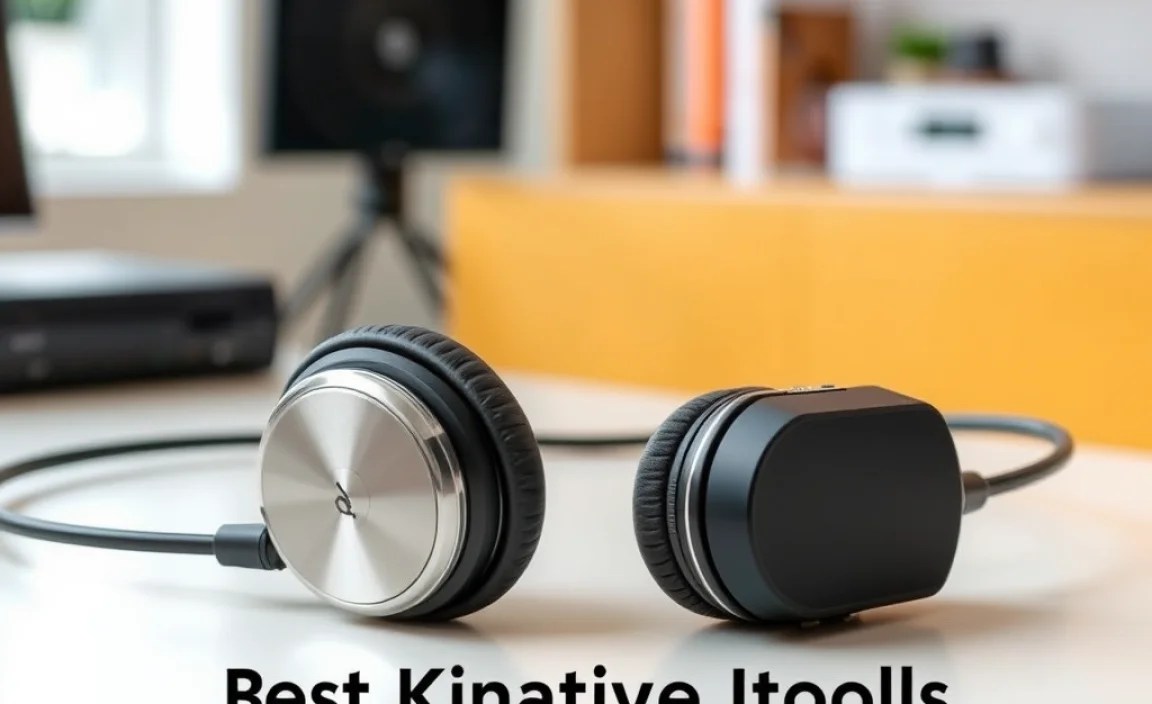
Step 1: Select a Suitable DAC
- Research: Look into different DACs and read reviews.
- Determine Needs: Decide whether you need a portable or a home DAC.
- Budget: Set a budget for your DAC purchase.
Choosing the right DAC involves research and understanding your specific audio needs, ensuring you select one that suits your style and budget.
Step 2: Connect the DAC
- Check Compatibility: Ensure the DAC is compatible with your device.
- Connect: Use the appropriate cables to connect the DAC to your device.
- Power Up: Some DACs need to be powered, so make sure to connect to power if required.
Connecting a DAC is straightforward. Ensure compatibility, use the right cables, and power the device if necessary.
Step 3: Configure Settings
- Device Settings: Adjust the audio settings on your digital device.
- DAC Settings: Configure any available settings on the DAC itself.
- Test Audio: Play some audio to ensure proper functionality.
Once connected, configure audio settings on both your device and DAC to maximize sound quality. Testing will ensure everything is working correctly.
Alternative Methods / Tools
Bluetooth Headphone Amplifiers
- Wireless Convenience: Eliminates cable clutter.
- Compatibility: Works with Bluetooth-enabled devices.
- Enhanced Sound: Improves sound quality over standard Bluetooth.
Bluetooth amplifiers offer a wireless solution for enhancing sound. They are ideal for those who prefer a cable-free experience while still enjoying improved audio quality.
Integrated DAC / AMP Units
- Compact Design: Combines DAC and amplifier in one unit.
- Powerful Output: Offers amplification for more robust sound.
- Versatile Connections: Supports various input and output options.
Integrated DAC/AMP units are perfect for those looking to simplify their audio setup. They provide powerful sound output in a compact design, supporting various connection types.
Troubleshooting Common Issues
No Audio Output
- Check Connections: Ensure all cables are securely connected.
- Device Settings: Verify device audio settings are correct.
- Power Supply: Ensure the DAC is powered if required.
When no audio is outputted, first check connections and device settings. Ensure the DAC is powered and properly connected.
Distorted Sound
- Volume Levels: Check both device and DAC volume settings.
- Interference: Ensure cables are away from potential interference sources.
- Reset DAC: Some DACs allow resetting to factory settings.
Distorted sound can often be fixed by adjusting volume levels and ensuring there’s no interference. A DAC reset may also help resolve issues.
Advanced Techniques
Optimize DAC Settings
- Firmware Updates: Keep DAC firmware up-to-date for optimal performance.
- Custom Profiles: Create audio profiles tailored to different music genres.
- Software Integration: Use software that pairs well with your DAC for more control.
Optimizing your DAC settings can greatly enhance your listening experience. Regular firmware updates and custom profiles ensure optimal performance.
Prevention & Maintenance Tips
Regular Checks
- Inspect Connections: Regularly check cables and connections for wear and tear.
- Clean Device: Keep the DAC free from dust and debris.
- Update Software: Ensure all related software is up-to-date.
Regular maintenance checks help prevent issues and prolong the life of your DAC. Keeping connections clean and software updated ensures continuous high-quality audio.
Driver Update Methods Compared
| Method | Difficulty | Speed | Best For | Notes |
|---|---|---|---|---|
| Manual Update | Moderate | Slow | Experienced Users | Requires technical knowledge |
| Automatic Software | Easy | Fast | All Users | Requires installation of third-party software |
| Manufacturer Tool | Easy | Moderate | Brand-Specific Devices | Limited to manufacturer’s devices |
Conclusion
Digital to analog converters for headphones are essential for anyone seeking high-quality audio. They transform digital signals into superior analog sound, enhancing the listening experience for music lovers and audiophiles alike. By choosing the right DAC, you can significantly improve your audio setup without replacing existing equipment. Explore the options available and invest in a DAC today to enjoy superior sound quality.
Frequently Asked Questions
Question 1: What is a DAC for headphones?
Answer: A DAC converts digital audio signals to analog, improving sound quality for headphones.
Question 2: Do I need a DAC for my headphones?
Answer: If you’re seeking better sound quality than what’s offered by your device’s built-in DAC, an external DAC can be beneficial.
Question 3: Can I use a DAC with any headphones?
Answer: Yes, DACs are compatible with most headphones as they convert digital signals for analog playback.
Question 4: Do DACs require power?
Answer: Some DACs are powered through USB or require an external power source, while others are battery-operated.
Question 5: Is a more expensive DAC always better?
Answer: Not necessarily. The best DAC depends on your specific needs and audio preferences.
Question 6: Can a DAC improve Bluetooth headphone sound quality?
Answer: Yes, using a DAC with a Bluetooth amplifier can enhance audio quality.
Question 7: How do I update my DAC firmware?
Answer: Check the manufacturer’s website for firmware updates and follow their instructions.
Question 8: Are DACs only for audiophiles?
Answer: While popular with audiophiles, anyone looking to improve their audio experience can benefit from a DAC.
Question 9: Can a DAC fix all audio issues?
Answer: While a DAC can improve quality, it may not resolve issues caused by poor recordings or faulty hardware.
