
Quick Summary: Discover top-rated in-ear headphones that deliver impressive sound without breaking the bank. This guide simplifies choosing the best budget options, focusing on durability, comfort, and audio quality for everyday listening. Make a smart, affordable choice for your music and calls.
Top In-Ear Headphones Best Budget: Your Essential Choice for Amazing Sound on a Dime
Hey there, audio adventurers! Edward Cavitt here from HeadphoneHorizon. If you’re on the hunt for fantastic sound that doesn’t cost a fortune, you’ve landed in the right spot. In-ear headphones, often called earbuds, are perfect for life on the go, whether you’re commuting, working out, or just chilling with your favorite tunes. But with so many options out there, finding the “best budget” pair can feel a bit overwhelming. Don’t worry! I’m here to make it super simple. We’ll dive into what really matters when choosing affordable in-ear headphones and highlight some gems that offer amazing value. Get ready to amp up your listening experience without emptying your wallet!
Why Choose In-Ear Headphones?

In-ear headphones are incredibly popular for a reason. They offer a discreet and portable way to enjoy your audio. Unlike over-ear headphones, they fit snugly inside your ear canal, creating a seal that not only enhances sound but also helps block out external noise. This makes them ideal for noisy environments, like public transport or busy offices, allowing you to focus on your music or podcasts. Plus, their compact size means they fit easily into any pocket or small bag, making them the ultimate travel companion.
The seal created by in-ear headphones also contributes to a richer bass response and a more immersive listening experience. Because they sit directly in your ear, the sound waves travel a shorter distance to your eardrum, leading to a more direct and impactful audio delivery. This is especially appealing for music genres that rely on strong basslines, such as electronic dance music or hip-hop.
What Makes a “Best Budget” In-Ear Headphone Great?

When we talk about “best budget” in-ear headphones, we’re looking for that sweet spot where quality meets affordability. It’s not just about being cheap; it’s about getting excellent value for your money. Here’s what I always keep an eye on:
Key Features to Consider:
- Sound Quality: Even on a budget, you deserve clear highs, well-defined mids, and decent bass. We’re not aiming for audiophile perfection, but audio that sounds engaging and enjoyable.
- Comfort and Fit: If they’re not comfortable, you won’t wear them. Look for multiple ear tip sizes (usually silicone or foam) to ensure a secure and comfortable fit for your unique ear shape. A good fit also improves passive noise isolation.
- Durability and Build Quality: Cheap doesn’t have to mean flimsy. We want headphones that can withstand daily use, a bit of jostling, and maybe even a bit of sweat if you plan to use them for workouts. Look for sturdy cables and well-constructed housing.
- Microphone and Controls: For many, headphones are for more than just music. A built-in microphone for calls and simple inline controls for play/pause, skipping tracks, and adjusting volume are essential for convenience.
- Wired vs. Wireless (Budget Focus): While wireless options are convenient, they often come at a higher price. For the absolute best budget, wired headphones usually offer superior sound quality for the price. However, some affordable wireless earbuds are starting to impress.
Navigating the Budget Market: What to Expect

When you’re shopping for in-ear headphones under a certain price point (let’s say, generally under $50 USD), it’s important to set realistic expectations. You might not get active noise cancellation like on premium models, or the most advanced audio codecs if you venture into wireless. However, you can absolutely find headphones that deliver a satisfying listening experience for everyday use. The key is to prioritize the features that matter most to you.
For instance, if you primarily listen to podcasts or audiobooks, crystal-clear vocal reproduction might be your top priority over booming bass. If you’re a fitness enthusiast, sweat resistance and a secure fit will be paramount. Understanding your personal needs helps you sift through the options and find the perfect budget-friendly pair.
Top Picks: Best Budget In-Ear Headphones (Under $50)

Alright, let’s get down to the exciting part – some of the top contenders in the budget in-ear headphone market that consistently receive praise for their performance and value. Please note that prices can fluctuate, but these models generally offer fantastic bang for your buck.
1. KZ ZSN Pro X
The Knowledge Zenith (KZ) brand has become a powerhouse in the budget audiophile scene, and the ZSN Pro X is a prime example. These wired in-ear monitors (IEMs) offer a surprisingly detailed and energetic sound signature that punches well above its weight class. They feature a hybrid driver system, combining a dynamic driver with a balanced armature driver, which helps deliver crisp highs and punchy bass.
- Sound Profile: V-shaped, with boosted bass and treble, making music sound lively and exciting.
- Build: Metal alloy housing with detachable, braided cables. The cables are typically standard 2-pin, meaning you can replace them if they get damaged.
- Comfort: Over-ear cable design helps keep them secure and reduces microphonics (that rustling sound you sometimes hear). Multiple ear tips are usually included.
- Best For: Listeners who enjoy a dynamic and energetic sound, ideal for rock, pop, and electronic music.
2. Moondrop Quarks
Moondrop is another brand that has gained significant respect for delivering high-quality sound at accessible prices. The Quarks are incredibly lightweight and minimalist wired earbuds, focusing on a clean and balanced sound. They don’t boast the flashiest looks, but their audio fidelity is truly impressive for their price point.
- Sound Profile: Balanced and neutral, with clear mids and pleasant highs. Bass is present but not overpowering.
- Build: Lightweight plastic housing with a non-detachable, relatively thin cable.
- Comfort: Small and unobtrusive, they fit easily for long listening sessions.
- Best For: Those who appreciate a more natural and accurate sound signature, perfect for vocal-heavy music, classical, and spoken word.
3. Anker Soundcore Life P2 Mini (True Wireless)
If you’re looking for true wireless convenience without overspending, the Anker Soundcore Life P2 Mini is a solid choice. Anker has a reputation for reliable tech at good prices, and these earbuds deliver on sound, battery life, and call quality for their segment.
- Sound Profile: Punchy bass with clear mids. EQ options are available via the Soundcore app for customization.
- Build: Compact earbuds and charging case, designed for portability.
- Comfort: Lightweight and come with multiple ear tip sizes for a secure fit.
- Battery: Offers good playtime on a single charge and multiple recharges from the case. Total playtime can reach up to 32 hours.
- Features: USB-C charging, IPX5 water resistance (good for sweat and light rain), and decent microphone performance for calls.
- Best For: Users seeking true wireless freedom for commuting, general listening, and light exercise.
4. Sennheiser CX 300S
Sennheiser is a legendary name in audio, and even their more budget-friendly offerings tend to be well-engineered. The CX 300S are wired in-ear headphones that provide a refined and clear sound. They offer a more mature listening experience compared to some bass-heavy budget options.
- Sound Profile: Balanced and detailed, with good clarity across the frequency range. Bass is present but controlled.
- Build: Durable build quality typical of Sennheiser products, with a comfortable, ergonomic design.
- Comfort: Comes with multiple ear adapter sets to ensure a snug and comfortable fit, enhancing passive noise isolation.
- Features: Inline remote and microphone for easy control of music and calls.
- Best For: Audiophiles on a budget who value clarity, detail, and a well-balanced sound for a variety of genres.
5. JLab Go Air Pop (True Wireless)
For absolute beginners or those who demand the lowest possible price for true wireless functionality, the JLab Go Air Pop is incredibly compelling. They offer essential features and surprisingly decent sound for their extremely low cost.
- Sound Profile: Bass-forward, which many users enjoy for casual listening. Sound can be tweaked slightly with EQ presets.
- Build: Lightweight and compact, with a small charging case.
- Comfort: Simple design, with three ear tip sizes included; generally comfortable for most.
- Battery: Impressive battery life for the price, offering around 8 hours per charge and 32+ hours with the case.
- Features: IPX4 water-resistant, touch controls, and dual device connection.
- Best For: Absolute beginners to true wireless, very budget-conscious buyers, or as a secondary pair of earbuds.
Table: Budget In-Ear Headphone Comparison
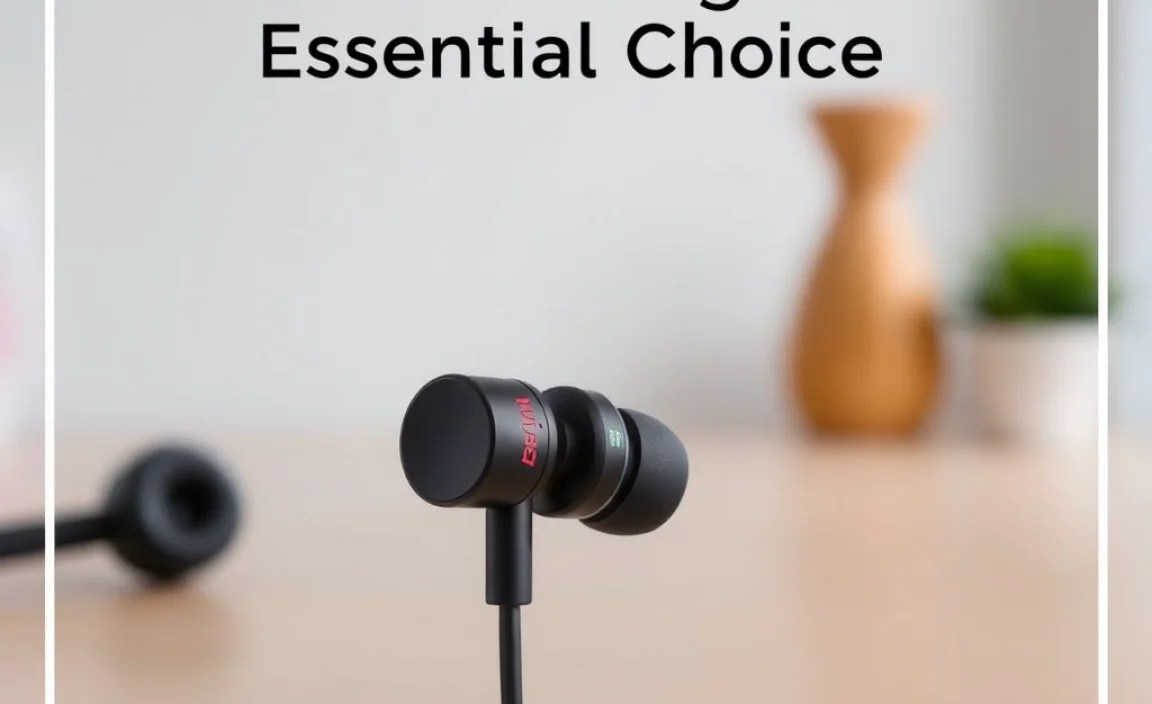
Here’s a quick look at how some of these top budget contenders stack up. This is a simplified comparison to help you see key differences at a glance.
| Model | Type | Sound Profile | Key Strength | Approximate Price Range (USD) |
|---|---|---|---|---|
| KZ ZSN Pro X | Wired IEM | Energetic, V-shaped | Detailed sound, punchy bass | $20 – $30 |
| Moondrop Quarks | Wired | Balanced, Neutral | Clarity, accuracy | $15 – $25 |
| Anker Soundcore Life P2 Mini | True Wireless | Bass-forward, Customizable | True wireless convenience, battery life | $35 – $50 |
| Sennheiser CX 300S | Wired | Refined, Balanced | Build quality, detailed sound | $30 – $45 |
| JLab Go Air Pop | True Wireless | Bass-forward | Extreme affordability, battery life | $20 – $30 |
How to Get the Best Fit and Sound
No matter how good your headphones are, they won’t sound their best if they don’t fit properly. This is crucial for both comfort and for the passive noise isolation that enhances your listening experience, especially the bass response.
Step-by-Step Fitting Guide:
- Select the Right Ear Tips: Most budget headphones come with a few sizes of silicone ear tips. Start with the medium size.
- Insert Gently: Roll the ear tip between your fingers to compress it slightly. Then, gently insert the earphone into your ear canal.
- Twist and Seal: For silicone tips, gently twist the earphone as you insert it. You should feel a slight seal form.
- Test the Fit: Wiggle your jaw. If the seal breaks or the earphone loosens, the tip is likely too big or too small.
- Experiment: Try the other sizes. A good fit should feel snug but not painful, and it should stay put when you move your head or talk. The external world should sound noticeably quieter.
- Cable Management (for wired): If your wired headphones have a thin, flimsy cable that generates noise when it rubs on your clothes, try routing the cable up and over your ears (if they have an over-ear design) or securing it with a small clip.
A proper seal is also important for maximizing bass response. If you feel like the bass is weak or tinny, it’s a strong indicator that you’re not getting a good seal. Don’t be afraid to try different ear tip materials too; foam tips can sometimes offer a more secure and comfortable fit for certain ear shapes, though they may not always be included in the budget packages.
Maintaining Your Budget In-Ear Headphones
Even budget gear deserves a little care to keep it sounding great and lasting longer. Here’s how to keep your trusty earbuds in top shape:
Simple Maintenance Tips:
- Clean Them Regularly: Earwax and debris can accumulate in the mesh grilles, affecting sound quality and potentially causing blockages. Use a dry, soft brush (like an old toothbrush or a dedicated headphone cleaning tool) or a slightly damp cloth to gently clean the ear tips and the nozzle area. For stubborn gunk, a cotton swab lightly dampened with Isopropyl alcohol can be very effective, but be very careful not to let any liquid enter the drivers.
- Handle Cables with Care (Wired): Avoid yanking on the cable, especially where it connects to the earbuds or the jack. When coiling them for storage, don’t wrap them too tightly; loose loops are better than tight kinks.
- Store Them Properly: When not in use, store your headphones in a small pouch, case, or a dedicated compartment in your bag. This protects them from dust, damage, and tangled cables.
- Avoid Moisture: While some earbuds have basic water resistance, it’s best to keep them away from excessive moisture, sweat (if not designed for workouts), and rain. If they do get wet, dry them thoroughly before use.
- Check Connections: For wired headphones, occasionally inspect the 3.5mm jack and the cable for any signs of damage. For true wireless earbuds, ensure the charging contacts on both the buds and the case are clean for a reliable charge. You can use a pencil eraser to gently clean the contacts.
Taking these small steps can significantly extend the lifespan of your headphones and ensure they continue to deliver the best possible sound.
Are In-Ear Headphones Safe for Your Hearing?
This is a really important question, and the answer is yes, as long as you use them responsibly! The primary concern with any personal listening device is listening at excessively high volumes for prolonged periods, which can lead to noise-induced hearing loss. The World Health Organization (WHO) recommends listening at no more than 60% of the maximum volume for no more than 60 minutes per day to minimize risks. For more in-depth information on preventing hearing damage, you can consult resources from the National Institute on Deafness and Other Communication Disorders (NIDCD), part of the National Institutes of Health: NIDCD Hearing Loss Information.
In-ear headphones, thanks to their ability to create a seal, often allow you to achieve a satisfying listening volume at lower overall device settings compared to open-back or on-ear headphones. This can, paradoxically, make them safer if used wisely, as you might not feel the need to crank the volume to overcome ambient noise. Always be mindful of the volume, take listening breaks, and listen to your body – if something sounds uncomfortable or painful, turn it down!
Frequently Asked Questions (FAQ)
Q1: What does “V-shaped” sound signature mean for budget headphones?
A “V-shaped” sound profile means that the bass (low frequencies) and treble (high frequencies) are boosted, while the midrange frequencies (where vocals and many instruments sit) are relatively lower. For budget headphones, this can make music sound more exciting, energetic, and fun, with strong impact and sparkle. It’s great for genres like pop, rock, and electronic music, but can sometimes make vocals or acoustic instruments sound a bit recessed.
Q2: Can I use my budget wired headphones with my smartphone?
Many smartphones still come with a 3.5mm headphone jack, so you can plug them in directly. However, newer smartphones are increasingly omitting this jack. If your phone doesn’t have a headphone jack, you’ll likely need an adapter, such as a USB-C to 3.5mm or Lightning to 3.5mm adapter, to connect your wired headphones. These adapters are usually inexpensive.
Q3: How do I know if my true wireless earbuds are charging properly?
Most true wireless earbuds will have an indicator light on the earbuds themselves and/or on the charging case that shows charging status. Look for lights that turn solid or change color when charging and indicate a full charge. Also, ensure the charging contacts on both the earbuds and inside the case are clean, as dirt or debris can prevent a proper connection. Most charging cases will also indicate their own battery level.
Q4: Are foam ear tips better than silicone for budget earbuds?
It’s more about personal preference and fit! Silicone tips are typically durable, easy to clean, and offer a good seal. Foam tips, on the other
