
Essential Over Ear Headphones For Big Ears: Your Comfort Guide
Hey there, fellow music lovers and podcast enthusiasts! Edward Cavitt here from Headphone Horizon. If you’ve ever felt like your ears just don’t quite fit the standard headphone mold, you’re definitely not alone. Many of us have ears that are a little more…generous. This can make finding a comfortable pair of over-ear headphones a real challenge. That pinching feeling, the hot spots, or even just not being able to get a good seal can turn an enjoyable listening session into a frustrating experience. But fear not! The good news is that with a little know-how, you can absolutely find over-ear headphones designed to accommodate and comfortably envelop bigger ears. It’s all about understanding the right design elements and features. Let’s dive in and find your perfect fit!

Why Ear Cup Size Matters for Comfort

It might seem obvious, but the size and shape of headphone earcups are critical for comfort, especially if your ears are on the larger side. Over-ear headphones, also known as circumaural headphones, are designed to completely surround your ears. If the earcups are too small, they won’t just sit on your ears; they’ll press against them. This can lead to:
- Discomfort and Pressure: Constant pressure on your ears, especially during long listening sessions, can cause pain and irritation.
- Poor Seal and Sound Leakage: A good seal is vital for bass response and noise isolation. If the cups don’t cover your ears fully, you won’t get the intended sound quality, and others might hear what you’re listening to.
- Heat Buildup: Smaller cups, or those that don’t allow for good airflow, can trap heat, making your ears feel uncomfortably warm.
For those with bigger ears, the goal is to find headphones with spacious earcups that can fully encompass your entire ear without touching the sides or top. This ensures a comfortable fit, a better seal for optimal sound, and improved passive noise isolation.
Key Features to Look For in Over Ear Headphones for Big Ears

When you’re shopping for headphones that need to accommodate larger ears, there are specific features to prioritize. It’s not just about the overall size, but how that size is implemented in the design. Here’s what to keep your eyes (and yours!) peeled for:
Spacious Earcups: The Main Event
This is the most crucial factor. Look for headphones that advertise deep and wide earcups. Manufacturers sometimes provide internal dimensions, but often you’ll have to rely on visual cues and reviews. Generally, headphones with plush, thick ear pads often have more internal space. Avoid on-ear headphones, as their pads sit directly on your ears, which is rarely comfortable for larger ears.
Earpad Material and Depth
The material of the earpads plays a significant role.
- Plush Memory Foam: This is your best friend. Memory foam conforms to the shape of your head and ears, providing a comfortable, personalized fit. It also helps create a good seal.
- Leatherette (Vegan Leather): Often used, it’s soft and can offer a good seal. However, it can sometimes trap heat more than other materials.
- Velour: This fabric option is breathable and very soft, reducing heat buildup, but it might not offer as strong a seal as leatherette or memory foam.
Depth matters too. Deeper earcups allow your ears to sit inside without touching the driver housing, which is a common source of discomfort.
Headband Adjustability and Padding
While earcup size is paramount, the headband needs to distribute weight evenly across your head. Look for:
- Ample Adjustment: The headband should extend enough to comfortably fit larger head sizes without feeling too tight.
- Generous Padding: A well-padded headband prevents pressure points on your scalp, making the headphones comfortable to wear for extended periods.
Weight and Balance
Larger headphones can sometimes be heavier. While comfort is key, a well-balanced pair will feel less cumbersome. Look for reviews that mention how the weight is distributed. Headphones that are front-heavy or side-heavy can cause discomfort over time, regardless of earcup size.
Open-Back vs. Closed-Back Designs
This distinction affects sound and isolation, and can subtly impact fit:
- Closed-Back: These have solid earcups that block out external noise and prevent sound from leaking out. They can sometimes feel warmer due to less airflow. Many comfortable options exist in this category.
- Open-Back: These have grilles or perforated earcups that allow air to pass through, offering a more natural, open soundstage. They tend to be cooler and lighter but offer less noise isolation. If heat is a significant concern, open-back designs are worth considering, and their earcups often have ample space.
Top Over Ear Headphones That Tend to Fit Bigger Ears Well

While no headphone is universally perfect for every ear shape, certain models are consistently praised for their spacious earcups and overall comfort. These are often favored by users with larger ears. Remember that “big ears” is subjective, so always check dimensions and read reviews if possible!
1. Beyerdynamic DT 990 Pro (250 Ohm or 80 Ohm)
The Beyerdynamic DT 990 Pro is a legendary studio headphone known for its comfort and excellent sound. The earcups are notoriously spacious and deep, easily accommodating most ears. The velour earpads are soft and breathable, contributing to long-wearing comfort. The open-back design allows for excellent air circulation.
- Pros: Exceptionally spacious and deep earcups, comfortable velour pads, excellent sound quality, durable build.
- Cons: Open-back design means poor noise isolation and sound leakage, requires a dedicated headphone amplifier for the 250 Ohm version (though the 80 Ohm version is easier to drive).
2. Sennheiser HD 600 / HD 650 / HD 660 S
These Sennheiser classics are often recommended for their comfort and premium sound. While not as cavernous as the DT 990 Pro, their elliptical earcups are well-shaped and accommodating for many larger ears. The circumaural design and comfortable drivers mean ears are well-enclosed without undue pressure. The velour earpads are a plus.
- Pros: Excellent, natural soundstage, very comfortable for long sessions, well-built, earpads are generally accommodating.
- Cons: Semi-open design (some sound leakage/isolation), can be pricier, might still feel snug for extremely large ears.
3. Audio-Technica ATH-M50x
A very popular choice for both professionals and consumers, the M50x offers a balanced sound and a robust build. Its earcups are often found to be quite accommodating. While they are closed-back, the padding is generous, and many users report being able to wear them for hours without discomfort, even with larger ears.
- Pros: Great value, good all-around sound, very good passive noise isolation, relatively deep earcups.
- Cons: Can feel a bit tight initially for some, earpads are pleather and can get warm, not as spacious as some audiophile-grade options.
4. Philips Fidelio X2HR
The Fidelio X2HR is an open-back headphone celebrated for its comfort and engaging sound signature. The earcups are large and ergonomically shaped, designed to fully enclose the ear. The memory foam-covered velour earpads are incredibly plush and contribute to a fatigue-free listening experience.
- Pros: Very comfortable, large and spacious earcups, excellent soundstage for an open-back, good bass response.
- Cons: Open-back design (limited isolation), not the most portable.
5. Sony WH-1000XM Series (XM4, XM5)
For those looking for wireless, noise-canceling options, Sony’s WH-1000XM series is a top contender. While these are consumer-focused, their earcups are generally well-sized and designed for comfort. The active noise cancellation (ANC) means a good seal is important, and Sony has done a great job balancing that with comfort. The plush earcups often provide enough room for many users with larger ears.
- Pros: Industry-leading ANC, excellent sound quality, very comfortable for ANC headphones, good battery life, useful smart features.
- Cons: Premium price point, earcups might not be as deep as some dedicated audiophile open-backs.
Comparing Cup Dimensions: What to Look For

When trying to gauge if a headphone will fit, looking at dimensions can be helpful, though these aren’t always readily available. If you find them, focus on these:
- Internal Width: This is perhaps the most important. A wider internal cup means more room side-to-side. Aim for at least 45mm, and ideally 50mm+.
- Internal Depth: This refers to how far your ear sits from the driver. A depth of 20mm or more is generally good for preventing your ear from touching the driver.
- Earcup Height: While less critical than width, a taller earcup can also contribute to overall space.
It’s also useful to check the shape. Elliptical or oval shapes tend to be more accommodating than perfectly round ones for most ear shapes.
| Headphone Model | Earcup Type | Typical Internal Width (approx.) | Typical Internal Depth (approx.) | Key Comfort Features |
|---|---|---|---|---|
| Beyerdynamic DT 990 Pro | Circumaural (Open-Back) | ~55-60 mm | ~25 mm | Very spacious, deep velour pads |
| Sennheiser HD 600 / 650 / 660 S | Circumaural (Semi-Open) | ~50-55 mm | ~20-25 mm | Elliptical shape, quality velour |
| Audio-Technica ATH-M50x | Circumaural (Closed-Back) | ~45-50 mm | ~20 mm | Plush pleather pads, good seal |
| Philips Fidelio X2HR | Circumaural (Open-Back) | ~55-60 mm | ~25 mm | Large, ergonomic, memory foam velour |
| Sony WH-1000XM5 | Circumaural (Closed-Back, ANC) | ~45-50 mm | ~20 mm | Soft, plush pads, well-designed for ANC comfort |
Note: Internal dimensions can vary slightly based on measurement methods and pad compression. Always consult professional reviews for detailed measurements if available.
Step-by-Step Guide: Finding Your Perfect Fit
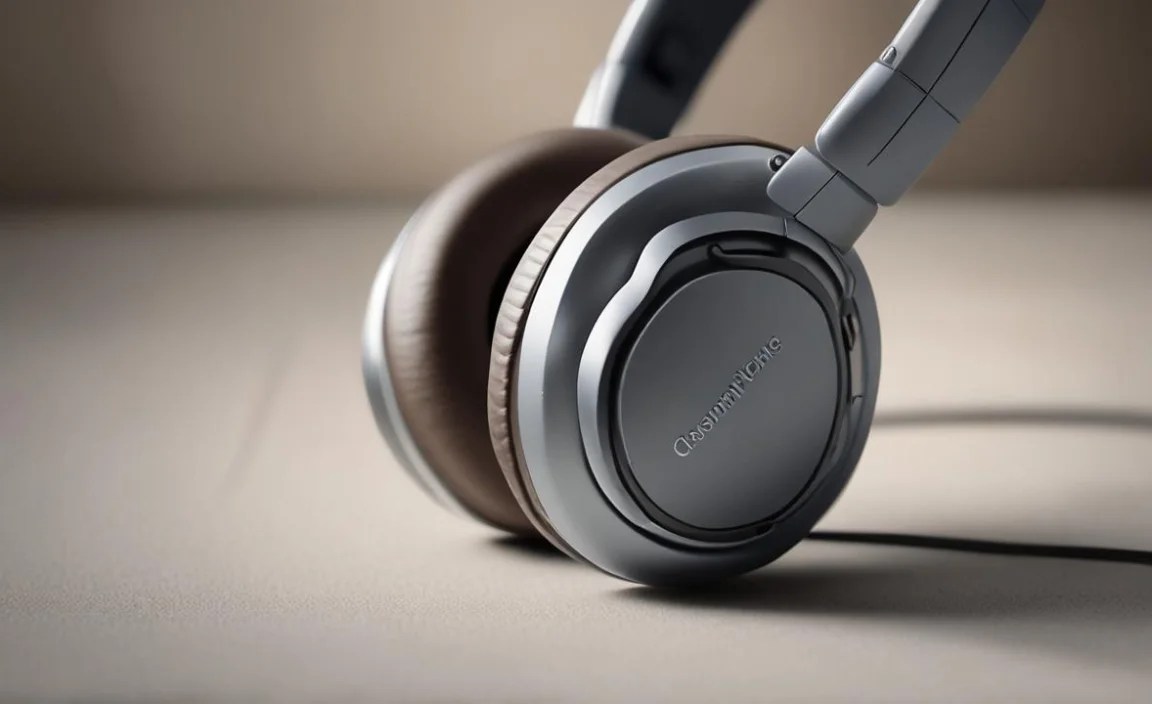
Ready to find a pair that feels like a cloud for your ears? Here’s how to approach the search:
Step 1: Define Your Priorities
Before you even start browsing, ask yourself:
- What will you use them for? (e.g., critical listening, gaming, commuting, general music enjoyment)
- Is sound isolation important? (if yes, lean towards closed-back, active noise cancelling)
- Is portability a factor? (wireless may be key)
- What’s your budget?
This will help narrow down your options considerably.
Step 2: Research Brands Known for Comfort
Certain brands consistently get praise for their comfort, and often these are good places to start if you have larger ears. Think Beyerdynamic, Sennheiser, Philips, and even Sony for their consumer lines. Look for models that specifically mention spacious earcups or deep drivers in their descriptions or reviews.
Step 3: Read Reviews from People with Similar Ear Sizes
This is gold! Search for reviews that mention comfort for large ears, big ears, or even “flappy ears” (a term some users humorously use!). Look for forum discussions on sites like Reddit’s r/headphones or Head-Fi. These communities are invaluable for real-world user experiences.
Step 4: Check Earcup Dimensions (If Available)
As we discussed, look for internal width and depth. If a manufacturer doesn’t provide these, reviewers often measure them. A quick Google search like “[Headphone Model] internal earcup dimensions” can yield results.
Step 5: Consider Earcup Shape and Material
As mentioned, deeper, wider, and more accommodating shapes like ovals are generally better. Memory foam and velour are excellent choices for comfort and breathability.
Step 6: Look at Headband Design
Ensure the headband has ample extension and good padding. A poorly designed headband can ruin the comfort experience, even with perfect earcups.
Step 7: Try Them On (If Possible)
This is the ultimate test. If you have a local electronics store that allows demos, take advantage of it. Even a few minutes of wear can tell you a lot about fit and comfort. If buying online, check the return policy – many retailers offer generous return windows.
Step 8: Consider Aftermarket Earpads
Sometimes, a headphone you love might have slightly shallow earcups. For some models, you can purchase aftermarket earpads (from brands like Dekoni Audio or Wicked Cushions) that are deeper, made of different materials, or offer a slightly different fit. This can sometimes salvage a headphone that’s just almost perfect.
For example, if you find a great pair of Audio-Technica ATH-M50x but wish the earcups were a bit deeper, looking into Dekoni Audio’s sheepskin or velour replacement pads could offer that extra millimeter you need. Always ensure the aftermarket pads are compatible with your specific headphone model.
Understanding Headphone Fit: Beyond Just Size
While earcup size is central to accommodating bigger ears, it’s not the only factor contributing to a great fit. Think of it as a holistic approach to comfort:
The Seal: Your Gateway to Great Sound
A proper seal around your ear is crucial for several reasons:
- Bass Response: Bass frequencies are generated by air pressure. If your ear isn’t sealed, the bass will leak out, resulting in a thin, weak sound.
- Noise Isolation: A good seal blocks out ambient noise, allowing you to focus on your audio. This is especially important for open-back headphones where the seal is less about blocking outside sound and more about keeping the sound you want inside the earcup.
- Soundstage Consistency: The way sound is presented (the soundstage) can be influenced by whether the earcups are sealing properly.
For larger ears, a spacious earcup that fully encloses the ear is the first step to achieving a good seal. The earpad material then helps to create that airtight fit without discomfort.
Clamping Force
This is the pressure the headphone headband exerts to keep the headphones on your head. All headphones have some clamping force. Too little, and they’ll slide off; too much, and they can cause headaches or jaw pain. For headphones with large earcups, optimal clamping force is key to keeping them stable without feeling like they’re squeezing your head. Brands known for comfort often strike a good balance, and for some headphones with high clamping force, gentle bending of the headband (with extreme caution and research!) can sometimes adjust it. However, this is generally not recommended for newer or expensive models unless you know what you’re doing.
Weight Distribution
A heavy headphone can feel cumbersome, especially if the weight isn’t distributed well. Brands that use premium, lightweight materials and have ergonomically designed headbands distribute weight evenly across the crown of your head. This prevents hot spots and fatigue, making longer listening sessions enjoyable even with slightly larger or heavier over-ear models.
Caring for Your Headphones for Lasting Comfort
Once you’ve found your perfect pair, keeping them in good condition ensures they continue to fit and sound great. Simple maintenance goes a long way.
Cleaning Earpads
Earpads can accumulate sweat, oils, and debris. Regularly wipe them down with a slightly
