
Over Ear Headphones for Jogging: Your Essential Guide
Hey there, fellow runners and music lovers! Edward Cavitt here from Headphone Horizon. I know what you might be thinking: “Over-ear headphones for jogging? Aren’t those bulky and likely to fall off?” It’s a fair question! For a long time, the go-to audio companions for runners were smaller earbuds or nothing at all. But technology has come a long way, and today, over-ear headphones can be a fantastic option for your runs, offering superior sound quality and comfort. If you crave immersive audio experiences while you pound the pavement or trail, and you’re curious about making over-ear headphones work for your active lifestyle, you’ve come to the right place. Let’s dive in and make sure your runs are as enjoyable and safe as possible!

Why Consider Over Ear Headphones for Jogging?

While earbuds have dominated the “sports audio” market for years, there are compelling reasons why more runners are looking at over-ear options. The primary draws are sound quality and comfort. Over-ear designs naturally provide a more immersive listening experience, with richer bass and clearer highs. For those who find in-ear buds uncomfortable or irritating after extended wear, a well-designed over-ear headphone can feel much more pleasant, especially for longer jogging sessions. Plus, some models offer excellent passive noise isolation, which, when managed correctly, can enhance your focus on your music or podcast. However, we’ll also need to address the unique challenges they present for an activity like jogging – namely, staying put and managing sweat and heat.
Key Features to Look For
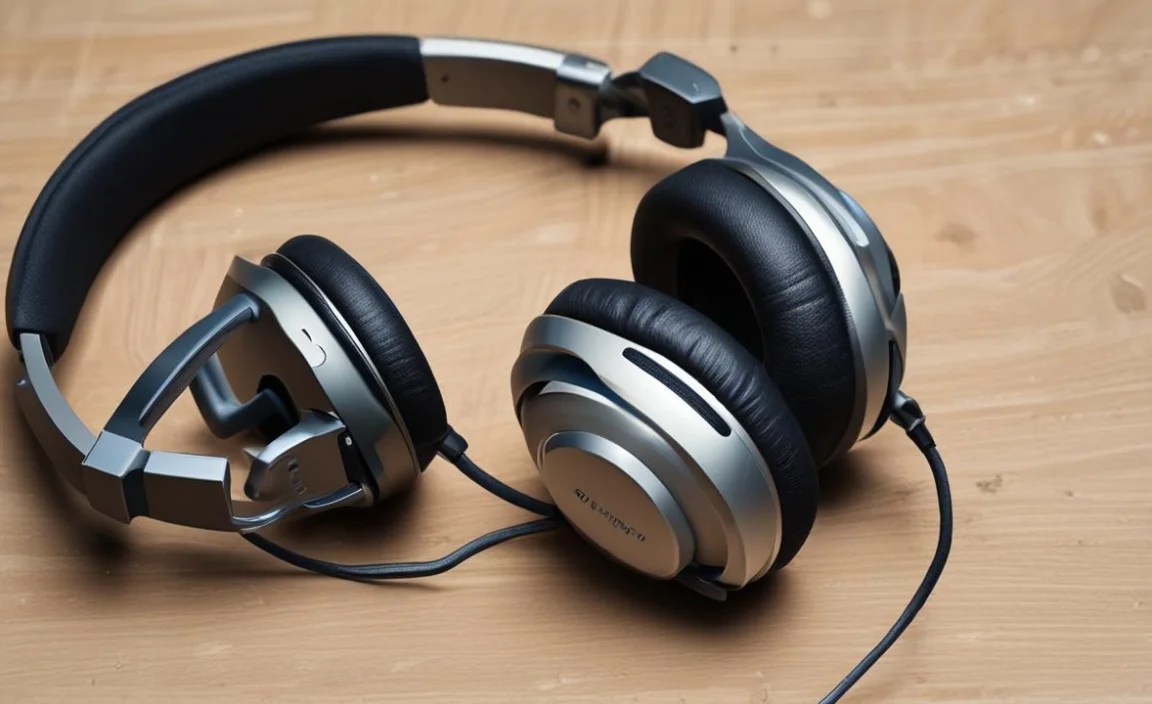
Not all over-ear headphones are created equal, especially when it comes to use during exercise. Here’s what you should prioritize:
1. Secure Fit and Stability
This is paramount. You don’t want your headphones bouncing around or falling off with every stride. Look for:
- Adjustable Headbands: A good range of adjustments ensures a snug fit on different head sizes.
- Padded Earcups: Soft, breathable padding helps create a seal without being too tight.
- Lightweight Design: Heavy headphones will amplify movement and can become uncomfortable.
- Sport-Specific Bands: Some brands offer optional elastic or silicone bands that wrap around the head for extra security.
- Ergonomic Design: Headphones designed to contour to the head shape will naturally be more stable.
2. Durability and Water/Sweat Resistance
Jogging gets you sweaty, and you might encounter unexpected rain. You need headphones that can handle it. Look for:
- IPX Rating: This is a crucial rating for water and dust resistance. For jogging, aim for at least an IPX4 rating, which signifies resistance to splashes and sweat. Higher ratings (IPX5, IPX6, IPX7) offer even more protection. You can learn more about IP ratings from the International Electrotechnical Commission (IEC).
- Robust Materials: Check for sturdy plastics and durable headband materials.
- Sealed Construction: Well-built headphones will have fewer openings where sweat or moisture can penetrate.
3. Comfort and Breathability
This is where over-ear headphones shine but also present a challenge. Your ears will get warm. Seek out:
- Breathable Earpad Materials: Look for velour or perforated leatherette instead of solid, non-breathable synthetic leather. Some sport-specific headphones use moisture-wicking fabrics.
- Clamping Force: The headphones should have a firm but not painful grip. Too much pressure leads to discomfort and headaches over time.
- Weight Distribution: Evenly distributed weight helps prevent pressure points.
4. Sound Quality and Awareness Features
While immersive sound is a plus, you also need to be aware of your surroundings for safety. Consider:
- Open-Back vs. Closed-Back: Open-back headphones generally offer a more natural soundstage and allow some ambient sound in, which can be good for awareness. Closed-back headphones isolate better but can completely block out your surroundings. For jogging, a slightly open design or specific awareness modes are preferable.
- Ambient Sound/Transparency Mode: Many modern wireless headphones have a mode that amplifies external sounds so you can hear traffic, cyclists, or your own breathing. This is an invaluable safety feature.
- Sound Profile: Some prefer a balanced sound, while others like more bass. For jogging, a good, energetic sound can be motivating!
5. Battery Life and Connectivity
Since most suitable over-ear jogging headphones will be wireless, these are important:
- Long Battery Life: Aim for at least 15-20 hours of playback on a single charge. More is always better for long runs or if you forget to charge them regularly.
- Stable Bluetooth Connection: Look for Bluetooth 5.0 or higher for a reliable, skip-free connection to your phone or MP3 player.
- Fast Charging: A quick 10-15 minute charge can give you hours of listening time, which is a lifesaver.
The Pros and Cons of Over Ear Headphones for Jogging

Let’s break down the good and the not-so-good to help you decide:
| Pros | Cons |
|---|---|
| Superior sound quality with richer bass and clearer audio. | Can get hot and cause ears to sweat more than earbuds. |
| More comfortable for extended wear for some users. | Potentially less secure fit if not designed for activity; higher risk of falling off. |
| Better passive noise isolation (can be a pro or con depending on usage). | Bulkier and can be more noticeable when worn. |
| Larger drivers can deliver a more powerful and immersive listening experience. | May not be suitable for very intense or high-impact sports where extreme movement occurs. |
| Less internal ear canal pressure compared to in-ear earbuds. | Increased risk of damage from sweat or water if not rated for it. |
Finding Your Perfect Fit: A Step-by-Step Approach

Ready to find the right pair? Here’s how to go about it:
Step 1: Define Your Running Needs
Ask yourself:
- How long are your typical runs? (Short jogs vs. marathons)
- What kind of weather do you usually run in? (Dry, humid, rainy)
- What’s your priority: sound quality, comfort, or safety?
- What’s your budget?
Step 2: Research Sport-Specific Models
Don’t just grab any over-ear headphone. Look for models that are explicitly marketed for sports or exercise. These often incorporate the features we discussed earlier, like sweat resistance and more secure designs.
brands like Jabra, Bose (with their Sport series), and Sony often have models with good sport-oriented features. Even some more ruggedized general consumer headphones can be adapted.
Step 3: Check the IPX Rating
As mentioned, this is vital. Even if a headphone sounds amazing, if it’s not at least IPX4 rated, it’s probably not a good choice for regular jogging. Read reviews specifically mentioning sweat and water performance.
Step 4: Read Reviews Focusing on Fit and Comfort
Search for reviews that specifically mention using the headphones for workouts or running. Pay attention to feedback on:
- How well they stay on during movement.
- If they get too hot or cause excessive sweating.
- Long-term comfort during active use.
Look for user-generated content, such as videos or detailed forum discussions, if available.
Step 5: Consider the “Awareness” Factor
If you run in areas with traffic or need to be aware of your surroundings, prioritize headphones with an ambient sound or transparency mode. If the headphones are purely for noisy environments or track running where safety isn’t as much of a concern, this might be less critical.
Step 6: Try Them On (If Possible)
This is the gold standard. If you can visit a store and try on headphones, do it! Move around, tilt your head, and see how they feel. While you can’t truly test them for jogging in a store, you can get a good sense of the fit, clamping force, and initial comfort.
Step 7: Evaluate Durability Against Your Needs
If you’re a hardcore runner in all weather conditions, you’ll need something tougher than someone who jogs on a dry, sunny track a few times a week. Materials, build quality, and the earcups’ resistance to moisture are key indicators.
Tips for Jogging Comfortably with Over Ear Headphones

Even with the perfect pair, a few tricks can enhance your comfort and performance:
- Ensure a Snug, Not Tight, Fit: Find that sweet spot where they’re secure but not squeezing your head, which can cause headaches. Adjust the headband and earcups until they feel balanced.
- Keep Them Clean: After every run, wipe down the earcups and headband with a clean, slightly damp cloth. If they have removable earpads, consider gently cleaning those as per the manufacturer’s instructions. This prevents sweat buildup and odors.
- Manage Heat: If your ears get too hot, take short breaks. If possible, choose those with breathable earcups. Sometimes, a light, moisture-wicking headband worn underneath can help absorb some sweat.
- Utilize Transparency Mode: Even if you think you know your route well, activating transparency mode can alert you to unexpected dangers like a cyclist coming up behind you or a car pulling out. The National Highway Traffic Safety Administration (NHTSA) emphasizes the importance of driver and pedestrian awareness, which extends to headphone users.
- Secure Cables (If Wired): If you opt for a wired pair (less common now but still an option), use a good quality cable clip to secure the cord to your shirt. This prevents it from bouncing, catching on things, or pulling the earcup off your head.
- Test Battery Life: Before a long run, make sure your headphones are fully charged. Nothing dampens your spirits like a dead battery mid-stride.
- Protect from Extreme Elements: While IPX ratings are great, avoid prolonged exposure to heavy rain or submersion. If a sudden downpour hits, it might be wise to tuck your headphones away and finish your run without music.
When to Stick with Earbuds (Or Go Cordless)
Despite the benefits, over-ear headphones might not be for everyone or every run. Consider these scenarios:
- Extreme Heat and Humidity: If you live in a very hot and humid climate, the heat buildup around your ears might simply be too much, even with breathable pads.
- Very Intense or High-Impact Sports: For activities like trail running with significant obstacles, jumping, or very fast sprints where your head might move erratically, even the most secure over-ear headphones could be a liability.
- Maximum Environmental Awareness Needed: If your primary concern is hearing every rustle and sound around you (e.g., ultra-marathons in remote wilderness), earbuds or even open-ear designs might be safer.
- Portability is Key: Over-ear headphones are undeniably bulkier to carry when not in use.
In these cases, true wireless earbuds with a secure fit or bone conduction headphones (which sit on your cheekbones, leaving your ears open) might be better alternatives.
Popular Over Ear Headphones with Sport-Conscious Features (Examples)
While specific models change, here are types of features to look for and some brands that often deliver:
| Brand/Model Type | Key Features for Runners | Considerations |
|---|---|---|
| Bose Sport Headphones (e.g., Bose QuietComfort 45/Sport Earbuds, though we’re focusing on over-ear) | Often feature “Aware Mode” for ambient sound. Known for comfort and sound quality. Look for any over-ear models with similar features. | Can be pricey. Ensure the over-ear design has an athletic grip. Bose often leans towards comfort and noise cancellation, which needs to be balanced with awareness. |
| Sony WH-CH Series / WH-1000XM Series (with Sport Use in Mind) | Some models offer ambient sound modes. Excellent battery life and sound quality. | The XM series is primarily for travel/noise cancellation, so ensure they aren’t too isolating and consider heat. Look for lighter, sportier designs if available. |
| Jabra Elite 45h (on-ear, but relevant for comfort focus) | Lightweight, long battery life, good call quality. Often more affordable. | This is an on-ear model, but its lightweight nature and secure fit are principles to look for in over-ear designs. Over-ear versions might exist or comparable brands focusing on lightness. |
| Shokz OpenRun Pro (Bone Conduction) | Not strictly over-ear in the traditional sense, but a prime example of active-use audio. Leaves ears open for full environmental awareness. Secured with a band. | Sound quality won’t match premium over-ear headphones for music fidelity. Bass can be limited. Excellent for safety-conscious runners. |
Note: Always check the latest model specifications and reviews for the most up-to-date features and suitability for running.
Frequently Asked Questions (FAQ)
Q1: Can I really use over ear headphones for jogging without them falling off?
Yes, absolutely! While it’s a concern, many modern over-ear headphones are designed with secure, adjustable headbands and ergonomic shapes that keep them in place during moderate activity. Always look for models specifically designed with sports or active use in mind, or those that reviewers confirm have a stable fit.
Q2: Will my ears get too hot and sweaty with over ear headphones?
This is one of the biggest challenges. Over-ear headphones naturally cover your ears, which can lead to increased heat and sweat. However, models with breathable earpad materials (like velour or perforated fabrics) and good ventilation systems can significantly mitigate this. You might still experience more heat than with earbuds, but for many, the comfort and sound quality make it a worthwhile trade-off.
Q3: How important is the IPX rating for jogging headphones?
It’s very important! Your headphones will be exposed to sweat and potentially light rain. An IPX4 rating means they are protected against splashes and sweat, which is the minimum recommended. Higher ratings offer even better protection against moisture and dust, ensuring your headphones last longer and continue to function correctly.
Q4: What if I need to hear traffic for safety?
This is where features like “Ambient Sound Mode” or “Transparency Mode” come in. Many wireless over-ear headphones have a setting that amplifies external sounds, allowing you to hear your surroundings without taking the headphones off. This is a crucial safety feature for runners who exercise in traffic or shared spaces.
Q5: Are there any specific maintenance tips for using over ear headphones when jogging?
Yes, regular cleaning is key! After each run, wipe down the earcups and headband with a soft, slightly damp cloth to remove sweat and dirt. If the earpads are removable, you might be able to clean them more thoroughly according to the manufacturer’s instructions. Proper cleaning helps maintain hygiene and prolongs the life of your headphones.
Q6: Should I choose open-back or closed-back over ear headphones for jogging?
For jogging, closed-back designs are generally preferred. They offer better passive noise isolation, which can give you a more immersive sound experience, and they’re less likely to let all your music leak out for others to hear. However, if maximum awareness is your absolute top priority, and you’re okay with slightly less sound isolation, an open-back design or headphones with excellent ambient sound modes would be the way to go.
Q7: Can I use my existing non-sport over ear headphones for jogging?
You can, but it’s generally not recommended for frequent or intense use. Non-sport headphones may not have sufficient sweat resistance (risking damage), might not fit securely enough (leading to them falling off), and can become uncomfortably hot. Their primary design is for stationary listening, not for the rigors of exercise.
Conclusion
There you have it! Over-ear headphones
