
Finding comfortable over-ear headphones for smaller ears is possible! This guide breaks down key features like earcup size, headband adjustability, and material choice. Learn how to assess fit, explore recommended models, and understand what makes headphones a great choice for a snug, enjoyable listening experience, even with smaller ear dimensions.
Over Ear Headphones for Small Ears: Your Essential Guide

Hey there, headphone enthusiasts! Edward Cavitt here from headphonehorizon. Ever felt like over-ear headphones were designed for giants, leaving your ears feeling lost or squished? You’re not alone! Many people with smaller ears struggle to find over-ear cans that fit just right.
The good news is, it’s totally achievable to find a pair that delivers fantastic sound and, more importantly, supreme comfort. This guide is here to demystify the process, helping you navigate the world of over-ear headphones and discover models that feel made for you, no matter your head or ear size. Let’s dive in and find your perfect fit!
Why Finding the Right Fit Matters for Smaller Ears

When it comes to headphones, comfort is king. For those with smaller ears, an ill-fitting pair of over-ear headphones can go from a delightful listening experience to a painful ordeal faster than you can say “treble boost.” Poor fit can lead to several issues:
- Sound Leakage: If the earcups don’t create a good seal around your ears, sound can escape, diminishing bass response and allowing ambient noise to interfere with your audio.
- Discomfort and Pressure: Headphones that are too large or heavy can press uncomfortably on your ears or head, leading to fatigue and headaches, especially during long listening sessions.
- Poor Noise Isolation: A good seal is crucial for passive noise isolation. If there are gaps, you’ll hear more of the outside world, which can be distracting.
- Aesthetic Concerns: Sometimes, overly large earcups can simply feel and look disproportionate on smaller heads.
The goal is to find headphones that are snug but not tight, completely enclosing your ears without pressing on them, and sitting comfortably on your head without feeling like they’ll slip off.
Key Features to Look For in Over Ear Headphones for Small Ears
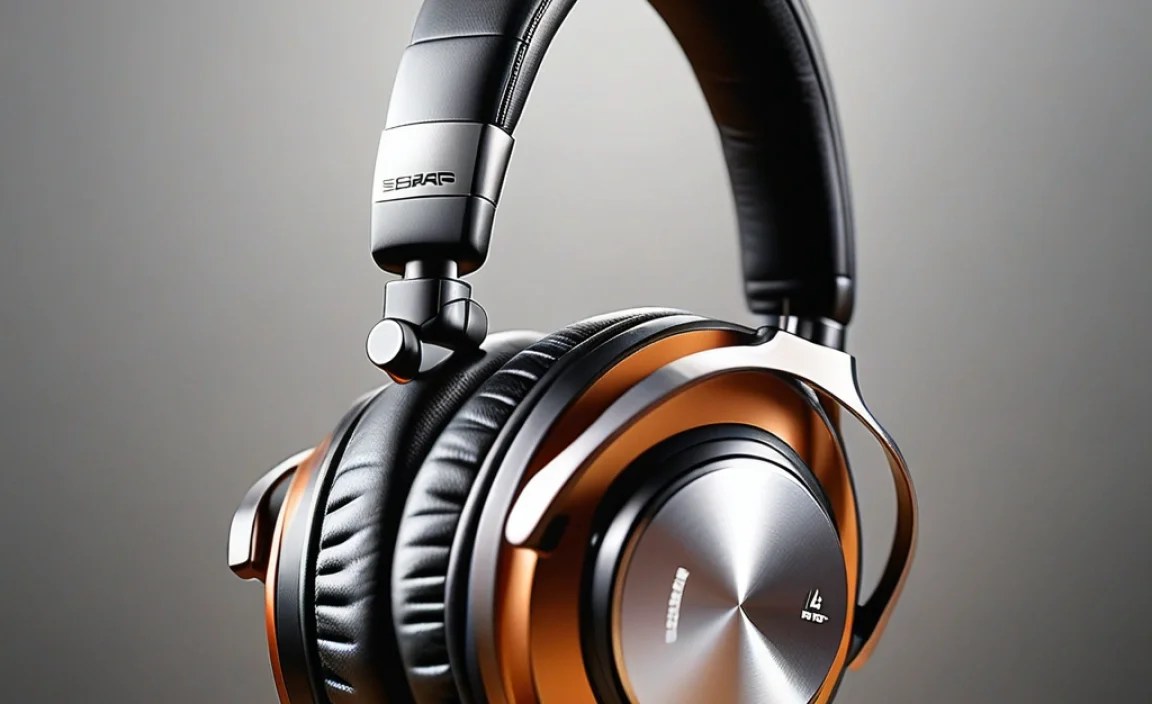
Not all over-ear headphones are created equal. When you have smaller ears, you need to be a bit more discerning. Here are the critical features to keep an eye on:
1. Earcup Size and Shape
This is perhaps the most critical factor. You want earcups that are:
- Not overly deep: Deep earcups can sometimes push your ears further into the headphone, causing discomfort.
- Not excessively wide: While you want your ears to fit inside the earcup, you don’t want a massive amount of empty space around them, as this can affect the seal and comfort.
- Rounded or slightly oval: Most ears are not perfectly circular. Look for earcup shapes that mimic the natural contour of your ear for a better fit.
Some manufacturers offer headphones with “compact” or “youth” versions, but don’t let those labels deter you; smaller adult ears can benefit greatly from these designs. The internal dimensions of the earcups are more important than the external.
2. Headband Adjustability
A highly adjustable headband is your best friend. Look for models that offer:
- A wide range of adjustment: The slider mechanism should allow for significant extension and retraction.
- Secure clicks: When you adjust the headband, it should stay in place. Losing that perfect fit mid-song is frustrating.
- Contoured padding: The padding on the headband should be comfortable against the crown of your head.
A well-designed headband distributes the weight evenly and allows you to achieve a snug fit without over-tightening the earcups against your head.
3. Earcup Swivel and Pivot
The ability for earcups to swivel and pivot is often overlooked but vital for comfort, especially for smaller faces or ears. This feature allows the earcups to:
- Angle to your head: They can conform better to the unique shape of your head and jawline.
- Sit flush: This creates a better seal and reduces pressure points.
- Adjust to different jaw/ear alignments: Everyone’s head is slightly different, and this feature accommodates that variability.
Look for headphones where the earcups can tilt inward and outward, as well as rotate flat.
4. Earcup Material and Padding
The material of the earcup pads can significantly impact comfort and the seal.
- Soft Protein Leather (or vegan leather): This is common and generally comfortable, offering a good balance of softness and durability. It can mold well to your head.
- Velour: These are softer and more breathable, which can be great for long listening sessions, though they might offer slightly less passive noise isolation than leather.
- Memory Foam: Many modern headphones use memory foam, which conforms to the shape of your ear and head and provides excellent cushioning.
The thickness of the padding also plays a role. Too thin, and you might feel the drivers inside; too thick, and the earcups might feel bulky. The key is for the padding to create a gentle, encompassing seal without digging into or pressing against your ears.
5. Weight and Clamping Force
Even with adjustable headbands and swivel cups, the overall weight of the headphones and the force with which they grip your head (clamping force) are important:
- Weight: Lighter headphones are generally more comfortable for extended wear, especially on smaller heads.
- Clamping Force: This refers to how tightly the headphones squeeze your head. You want a force that’s secure enough to keep them in place but not so strong that it causes discomfort. Some brands are notorious for higher clamping forces.
Reviews often mention clamping force, so it’s worth checking those out.
Measuring and Assessing Earcup Fit

How can you tell if an earcup is the right size before buying? Here’s a practical approach:
1. Measure Your Ears (If You’re Seriously Concerned):
This might sound a bit extreme, but if you’ve had persistent problems, a quick measurement can help. Use a flexible tape measure to get the:
- Height of your ear (from the top curve to the bottom lobe).
- Width of your ear at its widest point.
Compare these measurements to the internal dimensions of headphone earcups if manufacturers provide them. Often, you’ll find this information in detailed reviews or technical specifications, though not always directly on product pages.
2. Look for “Compact” or “On-Ear” Style Over-Ears:
While this guide is about over-ear headphones, some manufacturers design their “over-ear” models to be more compact, or some “on-ear” models actually fit more like small over-ears on people with smaller ears. This can be a bit of trial and error. However, true over-ear designs for smaller ears often excel in the features mentioned above.
3. Consider Brands Known for Comfort and Adjustability:
Certain brands have reputations for designing comfortable, well-fitting headphones. Researching these brands can be a good starting point.
Top Features for Ensuring a Snug Fit on Smaller Ears
To reiterate, when looking for over-ear headphones for smaller ears, prioritize these key features that directly impact comfort and fit:
- Adjustable Headband with a Wide Range: Essential for dialing in the perfect height and fit without relying solely on earcup size.
- Pivoting and Swiveling Earcups: Crucial for conforming to the unique contours of your head and ears, ensuring a better seal and reducing pressure points.
- Moderate Earcup Depth: Avoid very deep earcups that might push your ears uncomfortably inward.
- Comfortable, Conforming Earpad Material: Soft materials like memory foam or plush protein leather that can mold to your shape are ideal.
- Relatively Lightweight Design: Less weight means less strain and more comfort during long listening sessions.
- Moderate Clamping Force: Secure enough to stay put, but not so tight that it causes pain or headaches.
Recommended Brands & Potential Models to Explore
While specific model recommendations can change with new releases, certain brands consistently offer headphones with good adjustability and comfort that might suit smaller ears. It’s always best to read recent reviews for the latest models. Here are some brands and types of headphones that often get positive marks for fit and comfort:
Brands Known for Comfort & Adjustability:
- Sony: Often praised for their comfortable headband padding and earcups that can swivel nicely. Models like the WH-1000XM series, while premium, are generally well-regarded for comfort across various head sizes.
- Bose: Renowned for their lightweight designs and plush earcups. The QuietComfort line is a classic example of prioritizing comfort.
- Sennheiser: Many Sennheiser models feature excellent adjustability and well-padded headbands.
- Audio-Technica: They offer a wide range of headphones, and many of their more popular models are noted for their comfortable fit.
- Beyerdynamic: While some models can have a firmer clamp, many Beyerdynamic headphones offer excellent padding and robust build quality that can feel secure and comfortable.
Specific Considerations (Not direct recommendations, but features to look for):
- Compact Over-Ear Designs: Some brands release “compact” versions of their popular headphones. For example, you might find a smaller variant of a popular model.
- Gaming Headsets: Many gaming headsets are designed for long wear and often have very forgiving headbands and swiveling earcups. Some smaller models might be suitable.
- Travel Headphones: Often designed to be lighter and more compact, these could be a good starting point.
Pro Tip: If possible, try headphones on in a store. Nothing beats a hands-on test of fit and comfort!
A Quick Comparison Table: Features for Small Ears
This table highlights the features we’ve discussed and how they translate to finding the perfect fit for smaller ears. Not all headphones will tick every box, but prioritizing the most important ones will lead you to a better choice. Keep in mind that “earcup size” here refers to the typical external dimensions that often result in a good internal fit ratio for smaller ears, not a rigid dimension.
| Feature | Importance for Small Ears | What to Look For |
|---|---|---|
| Headband Adjustability | High | Wide range, secure clicks, good coverage on the head. |
| Earcup Swivel/Pivot | High | Ability to angle inward/outward and lie flat to conform to head shape. |
| Earcup Depth & Size | High | Avoid excessively deep or wide earcups. Aim for models that feel snug rather than cavernous. |
| Earpad Material & Comfort | Medium-High | Soft, conforming materials like memory foam or plush synthetic leather. |
| Weight | Medium | Lighter models generally offer more comfort for extended wear. |
| Clamping Force | Medium | Moderate force—secure but not painfully tight. |
Troubleshooting Common Fit Issues
Even after buying, you might encounter minor fit issues. Here are some common problems and simple fixes:
Issue: Earcups Don’t Seal Completely
Fix: Ensure the headband is adjusted correctly and the earcups are positioned flush against your head. Sometimes, hair getting trapped between the earcup and your ear can cause a gap. If the headphones have a high clamping force, they might press your ears too hard, creating discomfort and an imperfect seal. Try adjusting the headband to sit slightly higher or lower to find a sweet spot. Some aftermarket earpads offer different depths and materials that could improve the seal and comfort.
Issue: Too Much Pressure on Ears or Head
Fix: Adjust the headband to reduce the clamping force. Try positioning the headphones slightly differently on your head; sometimes shifting them a millimeter can make a big difference. If the padding is too firm, consider replacing the earpads with a softer aftermarket option (ensure they are compatible!). Newer headphones often have a break-in period where they become more comfortable.
Issue: Headphones Slip Off Easily
Fix: This usually means the clamping force is too low or the headband needs a more precise adjustment. Ensure there’s enough upwards pressure from the headband. If the headband itself is too wide or smooth, it might not grip well. Sometimes, a small headband extender with some grip can help, or you can try adding a thin layer of grip tape to the headband. However, for a permanent solution, it might indicate the headphones aren’t the best fit for your head shape.
Issue: Ear is Pressed Against the Driver Grill
Fix: This suggests the earcups are too shallow or the earpads are too thin. Look for thicker earpads or consider a different model with deeper acoustic chambers. Some manufacturers sell thicker earpads as accessories. You can sometimes get a better fit by slightly tilting the earcups using their swivel function – this might move your ear away from the grill.
For more in-depth troubleshooting, resources like RTINGS.com offer detailed reviews and measurements, including comfort assessments and fit information, which can be invaluable.
Frequently Asked Questions (FAQ)
Q1: Can I wear any over-ear headphones if I have small ears?
While you can wear them, not all over-ear headphones will be comfortable or provide an optimal listening experience for smaller ears. The key is to look for specific features like highly adjustable headbands, swiveling earcups, and earcups that don’t overwhelm your ears. Not all models are designed with smaller head/ear sizes in mind.
Q2: What’s the difference between over-ear and on-ear headphones for small ears?
Over-ear headphones are designed to fully encompass your ears, while on-ear headphones rest on your ears. For small ears, true over-ear headphones are generally preferred because they provide a better seal and avoid direct pressure on the ear itself, which can be uncomfortable. However, be mindful that “over-ear” can still vary greatly in size.
Q3: Are there specific “kids’” headphones that work for adults with small ears?
Yes, some “kids’” or “youth” over-ear headphones from reputable brands are designed with smaller head circumferences and earcups. While they might not have the premium features of adult audiophile headphones, their scaled-down design can offer excellent comfort and fit for adults with smaller ears. Always check reviews to ensure sound quality and durability are acceptable to you.
Q4: My new headphones are a bit tight. Will they loosen up over time?
Yes, to an extent. Most headphones, especially those with strong clamping force or new memory foam earpads, will loosen up slightly with use. This “break-in” period can make them more comfortable. However, don’t rely on this entirely. If they are painfully tight from the start, they are likely not the right fit, and significant loosening might not occur.
Q5: What does “clamping force” mean, and why is it important for small ears?
Clamping force is the outward pressure exerted by the headphone’s headband, which determines how tightly it grips your head. For smaller ears and heads, moderate clamping force is ideal. Too little, and they might slip off; too much, and they can cause discomfort, headaches, and pressure on the ears and temples. Finding headphones with a secure but gentle grip is crucial.
Q6: Should I prioritize noise cancellation over fit for smaller ears?
Comfort and a good seal are paramount, especially for over-ear headphones. Noise cancellation (both active ANC and passive isolation) is significantly more effective when the headphones fit properly and create a good seal around your ears. An ill-fitting pair, even with ANC, won’t perform as well. Therefore, prioritize a comfortable, secure fit first and foremost.
Conclusion: Your Journey to Comfortable Listening
Finding the right over-ear headphones when you have smaller ears doesn’t have to be a daunting task. By focusing on key features like earcup size and depth, headband adjustability, swiveling earcups, and comfortable padding, you can significantly narrow down your options. Remember to read reviews, pay attention to comfort ratings, and if possible, try before you buy.
The goal
