
Quick Summary: Discover how to select durable, sweat-resistant over-ear headphones perfect for your workouts. This guide covers essential features like secure fit, IP ratings, battery life, and sound quality, ensuring you find the perfect audio companion for every fitness session. Learn maintenance tips to keep your gear in top shape.
Over Ear Headphones For Working Out: Your Essential Guide
Getting the right soundtrack for your sweat session can make all the difference, transforming a tough workout into an energizing experience. While many opt for earbuds, don’t underestimate the immersive sound and comfort of over-ear headphones, even when you’re on the move. If you’re wondering if big headphones can handle the hustle and bustle of a gym or outdoor run, the answer is a resounding yes! With the right features and a little care, over-ear headphones can be your ultimate workout partner. This guide is here to help you navigate the world of over-ear headphones for working out, ensuring you get great sound, a secure fit, and lasting durability for all your fitness endeavors.
Why Over-Ear Headphones for Your Workout?

It might sound counterintuitive – bulky headphones and intense exercise? But hear me out! Over-ear headphones, when chosen correctly, offer some distinct advantages for workouts that earbuds can’t always match. Beyond just providing a powerful audio experience, they can offer better passive noise isolation, which can be great for tuning out gym distractions or simply enjoying your music at a slightly lower volume, protecting your hearing. Plus, for those who find earbuds uncomfortable or prone to falling out, a well-designed over-ear pair can provide a surprisingly stable and secure fit.
Comfort and Secure Fit: The Non-Negotiables
The first hurdle for any workout headphones is comfort and staying put. For over-ear models, this translates to a few key design elements:
- Adjustable Headband: A good headband should be easily adjustable to fit your head size snugly without feeling tight or causing pressure points. Look for a padded headband that distributes weight evenly.
- Earcup Design: Earcup material is crucial. For workouts, breathable materials like mesh or certain synthetic fabrics are better than pure leather, which can get hot and sticky. The earcup should also create a good seal around your ear without being overly constricting.
- Weight Distribution: Even if they seem heavier initially, well-balanced over-ear headphones won’t feel as cumbersome as you might expect once you start moving. The weight should be distributed evenly across your head.
- Clamping Force: This refers to how tightly the headphones grip your head. For workouts, you want a firm clamping force that keeps them in place during vigorous movements, but not so tight that it causes discomfort or headaches. Some models even feature sporty designs with additional straps or clips for extra security.
Durability and Sweat Resistance: Your Workout’s Best Friend
Sweat is the enemy of electronics. When you’re pushing your limits, your headphones will inevitably get a workout of their own. Looking for headphones with specific ratings makes a huge difference:
- IP Rating (Ingress Protection): This is your most important indicator of sweat and water resistance. A rating like IPX4 means the headphones can withstand splashes of water from any direction, which is essential for sweat. Higher ratings (IPX5, IPX6, IPX7) offer even more protection against powerful water jets or submersion, though the latter is rarely necessary for headphones. For workouts, aim for at least an IPX4 rating. You can learn more about IP ratings from organizations like the International Electrotechnical Commission (IEC).
- Robust Construction: Beyond water resistance, the materials used in the headphones’ construction matter. Look for sturdy plastics, reinforced joints, and durable earcups that can withstand the occasional bump or drop.
- Cable Management (for wired models): If you opt for wired workout headphones, tangled or damaged cables can be a workout killer. Look for reinforced cables or features like Y-splitters that help keep the wire tidy.
Key Features to Look For
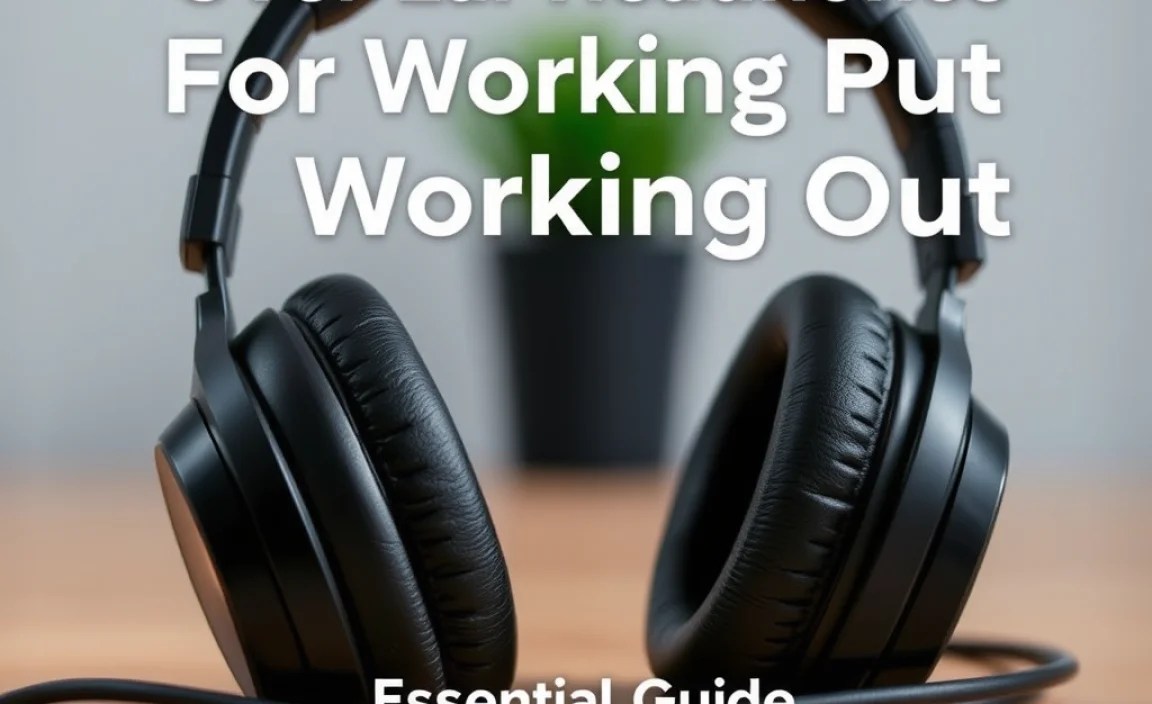
Beyond the basic fit and durability, several features can elevate your workout experience with over-ear headphones:
Sound Quality for Motivation
While not strictly a “workout” feature, good sound is what makes headphones enjoyable. For exercise, you might prefer:
- Dynamic Sound Profile: Many people enjoy a sound signature with a bit more bass emphasis during workouts to provide an extra energy boost.
- Clarity: Even with strong bass, you still want clear mids and highs so you can enjoy the nuances of your music or podcasts.
- Noise Isolation/Cancellation: While passive noise isolation from well-fitting earcups is great, active noise cancellation (ANC) can be a double-edged sword. It’s fantastic for blocking out ambient gym noise, but it can also prevent you from hearing important surroundings if you’re exercising outdoors (like traffic). Consider whether you need ANC or prefer to hear your environment.
Battery Life and Charging
For wireless models, battery life is paramount. You don’t want your music cutting out mid-sprint!
- Long Playtime: Aim for headphones that offer at least 20-30 hours of playback on a single charge to get you through multiple workouts.
- Quick Charging: Many headphones offer a quick charge feature, giving you a few hours of playback from just a 10-15 minute charge – a lifesaver when you’re in a hurry.
- Rechargeable Battery: Most modern headphones use built-in rechargeable batteries. Ensure it’s easy to charge via USB-C or a similar common port.
Connectivity
For wireless headphones, stable connectivity is essential.
- Bluetooth Version: Newer Bluetooth versions (like 5.0 or 5.2) offer better stability, range, and power efficiency.
- Multipoint Connectivity: This allows you to connect to two devices simultaneously, which is handy if you’re listening to music from your phone and want to take calls from your smartwatch or laptop.
Controls and Ease of Use
You want to adjust volume or skip tracks without breaking your stride or flow.
- On-Ear Controls: Intuitive buttons or touch controls on the earcups for play/pause, volume adjustment, track skipping, and call management are crucial.
- Voice Assistant Access: Easy access to your phone’s voice assistant can be helpful for changing settings or getting information without touching your device.
Choosing the Right Fit for Your Workout Type

The sort of exercise you do can also influence your headphone choice:
- High-Intensity Interval Training (HIIT) & Running: You’ll need headphones with a very secure fit and high sweat resistance (IPX4 or above). Look for models with extra grip or a tighter clamping force.
- Weightlifting & Strength Training: Comfort is key here, as you’re often stationary for periods. Excellent padding and a secure but not overly tight fit are beneficial. Good noise isolation can help you focus.
- Cycling: For road cycling, it’s crucial to be aware of your surroundings. Consider headphones with adjustable ANC or ambient sound modes, or perhaps even wired headphones that let in more external noise naturally.
- Yoga & Pilates: Comfort and sound quality are likely top priorities. Lighter models with soft earcups work best. You might not need extreme sweat resistance unless your sessions are particularly intense.
Popular Brands and Models (A Brief Look)

While specific models change frequently, several brands have a reputation for durable, sport-focused audio gear. When looking for over-ear workout headphones, consider brands known for their robustness and features like:
Here’s a general overview of what to look for with some reputable brands, keeping in mind that specific “workout” models might be branded as sport or rugged.
| Brand Example | What to Look For in Workout Models | Typical Features |
|---|---|---|
| Jabra | Models often emphasize durability, secure fit, and good connectivity for active lifestyles. | IP55+ ratings, secure ear gels/wings, strong Bluetooth, good battery life. |
| Bose | Known for comfort and effective noise cancellation. Some models offer sport versions with enhanced sweat resistance. | Comfortable earcups, excellent ANC, good sound quality, often with IPX4 or higher on sport variants. |
| Sony | Offers a wide range, from feature-rich ANC headphones to more rugged, sport-oriented options. | High-quality sound, advanced ANC, long battery life, some models with enhanced durability and decent IP ratings. |
| Beats | Often feature prominent bass, stylish designs, and robust builds suitable for active use. | Durable construction, secure fit, often good sweat resistance, powerful sound. |
| Jaybird | While known for earbuds, they sometimes offer on-ear or over-ear options with a strong sport focus. | Extreme durability and sweatproof ratings (often IPX5+), secure fit, good audio for motivation. |
Note: Always check the specific product’s specifications for its IP rating and intended use. Not all models from these brands are designed for rigorous workouts.
Maintenance: Keeping Your Workout Headphones in Top Shape
Investing in a good pair of workout headphones means taking care of them. Proper maintenance will extend their life and ensure they perform optimally.
Cleaning Your Over-Ear Headphones
This is perhaps the most critical part of maintenance, especially for sweat-prone gear.
Step-by-Step Cleaning Guide:
- Gather Your Supplies: You’ll need a soft, lint-free cloth (like a microfiber cloth), a bowl of clean, lukewarm water, and optionally, a mild, non-alcoholic soap or cleaning solution specifically designed for electronics. Avoid harsh chemicals, alcohol-based cleaners, or abrasive materials.
- Disassemble if Possible: Many over-ear headphones have removable earcups or earpads. If yours do, gently remove them. This allows for a more thorough clean of both the pads and the headphones themselves.
-
Clean the Earpads:
- For fabric or synthetic pads: Lightly dampen your cloth with water (or a very diluted mild soap solution). Gently wipe down the earpads. Do NOT soak the pads.
- For leather or pleather pads: Use a slightly damp cloth with water. For tougher grime, use a very mild, specialized leather cleaner, applied sparingly to the cloth first, not directly to the pads.
- Important: Ensure the earpads are completely dry before reattaching them or using the headphones. You can let them air dry for several hours or gently pat them with a dry cloth. Avoid direct heat or sunlight, which can damage materials.
- Clean the Headband and Housing: Use a lightly dampened cloth to wipe down the headband and the exterior of the earcups. Pay attention to any crevices where sweat or debris might accumulate. Again, avoid getting moisture into any openings.
- Clean the Speaker Grilles: Use a dry toothbrush or a cotton swab to gently brush away any debris from the speaker grilles. If there’s stubborn buildup, a slightly damp (not wet!) cotton swab can be used very cautiously.
- Dry Thoroughly: After cleaning, use a clean, dry, lint-free cloth to wipe down all surfaces. Allow the headphones to air dry completely in a well-ventilated area for at least 24 hours before storing or using them.
Storage and Handling
Proper storage protects your headphones when not in use.
- Use a Case: If your headphones came with a protective case, use it! This shields them from dust, accidental drops, and scratches when you’re not using them.
- Avoid Extreme Temperatures: Don’t leave your headphones in a hot car, direct sunlight, or freezing conditions. Extreme temperatures can damage the battery, electronics, and materials.
- Untangle Cables (for wired): If you have wired headphones, loosely coil the cable rather than wrapping it tightly around the headphones. This reduces stress on the cable and connector.
Battery Care (Wireless)
To maximize the life of your wireless headphones’ battery:
- Avoid Complete Drains: While modern lithium-ion batteries are forgiving, it’s generally better to recharge before the battery hits 0% regularly.
- Don’t Overcharge: Most devices have built-in protection against overcharging, but unplugging them once fully charged is good practice.
- Store with Partial Charge: If storing your headphones for an extended period (weeks or months), aim for a charge level of around 50-70%.
Troubleshooting Common Issues
Even with the best care, you might run into minor problems. Here’s how to address them:
Common Problems and Solutions:
| Problem | Possible Cause | Solution |
|---|---|---|
| No Sound / One Side Not Working | Loose connection (wired), Bluetooth pairing issue, dirt in speaker grille, audio source muted. | Check cable connection, re-pair Bluetooth, clean speaker grille, check volume on device and headphones. Try different audio source. |
| Bluetooth Connectivity Issues | Out of range, interference, outdated firmware, device not recognized. | Move closer to device, turn off other nearby Bluetooth devices, restart headphones and device, “forget” and re-pair headphones. Check for firmware updates. |
| Low Volume | Volume setting too low on device or headphones, app-specific volume limits, dirty speaker grille. | Increase volume on both device and headphones. Check app settings. Clean speaker grilles. |
| Uncomfortable Fit / Slipping | Incorrect adjustment, wrong headphone size for head, sweat accumulation, earcups not sealing properly. | Readjust headband and earcup position. Ensure earpads are clean and dry. Consider after-market earpads designed for grip or cooling. |
| Battery Not Holding Charge | Old battery, exposure to extreme temperatures, or damage. | If headphones are old and battery life has significantly degraded, it might be time for replacement. Ensure they haven’t been exposed to extreme heat/cold. |
Frequently Asked Questions (FAQ)
Q1: Can over-ear headphones be too heavy for working out?
It depends on the design. While some over-ear headphones can be heavy, many models designed for active use are made with lightweight materials and feature ergonomic designs to distribute weight evenly. Look for adjustable padded headbands and comfortable, secure earcups. If weight is a major concern, you might lean towards smaller, foldable models or those specifically marketed as sport over-ear headphones.
Q2: How do I know if over-ear headphones are sweatproof enough for my workout?
Look for an official IP rating on the product specifications. An IPX4 rating means they can withstand splashes, including sweat. Higher ratings like IPX5 or IPX6 indicate protection against more direct water jets. Always check the manufacturer’s details, as not all over-ear headphones are built for intense sweat sessions.
Q3: Will my ears get too hot with over-ear headphones during a workout?
This is a common concern. For workouts, opt for headphones with breathable earpads made from materials like mesh or certain synthetic fabrics rather than pure leather or thick foam. Some sport-specific models also incorporate cooling gel or ventilation systems. If heat is still an issue, you might consider a break between sets or a shorter workout duration with them on.
Q4: How should I clean my sweat-covered over-ear headphones?
Always clean them after sweaty use. Use a soft, slightly damp cloth with lukewarm water to wipe down the earpads and exterior. Ensure earpads are removable for a more thorough clean and are completely dry before reattaching. Avoid harsh chemicals or soaking them. Refer to the maintenance section above for a detailed guide.
Q5: Can active noise cancellation (ANC) be dangerous during outdoor workouts?
Yes, ANC can reduce your awareness of surrounding noises like traffic, cyclists, or other hazards. If you primarily work out outdoors where situational awareness is important, consider headphones with adjustable ANC levels, an ambient sound mode, or simply stick to passive noise isolation from good ear seals. For gym use, ANC can be a great way to focus.
Q6: What kind of sound signature is best for workout headphones?
This is subjective, but many people prefer a sound profile with a bit more emphasis on bass during workouts to provide an energizing rhythm. However, it’s also important that the mids and highs
