
Quick Summary: Choosing over-ear headphones for your workout means finding a balance between comfort, sound quality, and durability. Look for features like sweat resistance, a secure fit, and good battery life to enhance your exercise routine without distraction. This guide helps you navigate the options to find the perfect pair.
Over-Ear Headphones for Workout: Your Essential Gym Companion
Getting pumped up at the gym or hitting the trails for a run often involves a killer playlist. But let’s be honest, your earbuds can be a real hassle when you’re breaking a sweat, right? They slip out, the wires get tangled, and sometimes they just don’t deliver the immersive sound you crave. That’s where a fantastic pair of over-ear headphones can truly transform your workout experience. Think robust sound, a comfy fit that stays put, and the freedom to move. In this guide, we’ll dive into why over-ear headphones are more than just a music player; they’re essential gear for anyone serious about enjoying their fitness routine. We’ll break down what to look for, how to pick the best set for your needs, and some tips to keep them in top shape. Get ready to elevate your workouts with sound that moves with you!
Why Over-Ear Headphones for Your Workout?

For years, the image of a runner with tiny earbuds seemed standard. But fitness enthusiasts are increasingly discovering the advantages of over-ear headphones, especially for specific types of workouts. They offer a different kind of listening experience that many find superior when physical activity is involved. Let’s explore the key benefits:
Superior Sound Quality and Immersion
Over-ear headphones, by design, create a seal around your ears. This passive noise isolation is excellent for blocking out gym chatter or traffic noise, allowing you to focus on your pace and your music. The larger drivers often found in over-ear models also tend to produce richer bass, clearer mids, and crisper highs, making your workout playlist sound more vibrant and engaging. This immersive audio experience can be a powerful motivator.
Comfort and Secure Fit
While it might seem counterintuitive, many well-designed over-ear headphones offer a remarkably secure and comfortable fit for workouts. Look for models with plush earcups that mold gently around your ears and adjustable headbands that distribute weight evenly. Features like memory foam padding and breathable materials can prevent discomfort during longer sessions. When properly fitted, they stay in place, even during more dynamic movements.
Durability and Robustness
A significant number of over-ear headphones designed for active use are built with tougher materials and more resilient construction. They can often withstand more bumps, drops, and exposure to the elements than their in-ear counterparts. Many also come with advanced features to combat the effects of sweat and moisture.
What to Look for in Workout-Ready Over-Ear Headphones

Not all over-ear headphones are created equal, especially when they’re destined for your sweaty gym sessions. Here are the crucial features to keep an eye out for:
Sweat and Water Resistance (IP Rating)
This is arguably the most important factor. Sweat can damage the delicate electronics inside headphones. Look for an Ingress Protection (IP) rating. An IPX4 rating means the headphones are protected against splashes of water from any direction, which is generally sufficient for workouts. Higher ratings (like IPX5 or IPX7) offer even greater protection against more vigorous spraying or even submersion, though this is less common and often unnecessary for standard gym use. You can find more detailed information on IP ratings and what they mean for electronics at resources like the International Electrotechnical Commission (IEC).
Secure and Comfortable Fit
A loose fit is a workout killer. For over-ear headphones, this means considering:
- Adjustable Headband: It should be able to extend or retract to fit your head size comfortably without excessive pressure.
- Earcups: Look for deep earcups that fully enclose your ears without pressing on them. Materials like breathable mesh or moisture-wicking fabric are a bonus.
- Clamping Force: The headphones shouldn’t clamp too tightly, which can cause headaches, but they need enough grip to stay put during movement.
- Weight: While sound drivers require space, lighter headphones generally feel more comfortable during extended wear and intense activity.
Wireless Connectivity (Bluetooth)
Wires are a workout hazard. Bluetooth connectivity offers freedom of movement, eliminating the frustration of tangled cords. Look for modern Bluetooth versions (like 5.0 or higher) for stable connections, better power efficiency, and a wider range.
Battery Life
You don’t want your music to die mid-set. Aim for headphones that offer at least 10-20 hours of playback on a single charge. Many models also feature quick-charge capabilities, giving you a few hours of listening time from just a 10-15 minute charge.
Noise Cancellation (Optional, but Beneficial)
Active Noise Cancellation (ANC) can be a game-changer for noisy environments like busy gyms or public transport. It uses microphones to detect ambient sound and generates anti-noise waves to cancel it out. While great for focus, be mindful that completely eliminating ambient sound could be a safety concern if you’re exercising outdoors and need to hear traffic. Some headphones offer adjustable ANC levels or a “transparency mode” that lets in external sounds.
Portability and Design
Consider how you’ll transport your headphones. Some models are foldable and come with carrying cases, which are very convenient for gym bags. The overall design should be robust enough to withstand being tossed around a bit.
Top Features to Prioritize
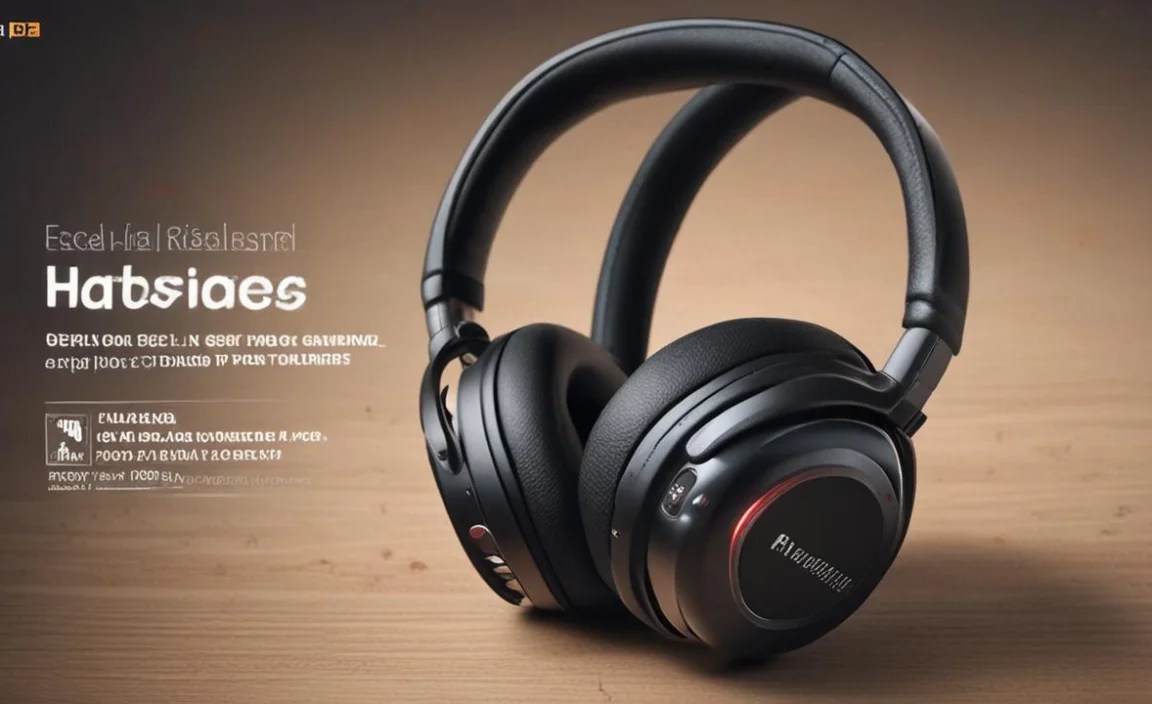
When narrowing down your choices, focus on these core functionalities:
- Sweat Resistance: Without this, your investment is at risk. Look for a minimum IPX4 rating.
- Secure Fit: Test them (if possible) or read reviews specifically mentioning how well they stay on during exercise.
- Wireless Freedom: Bluetooth is essential for unrestricted movement.
- Long Battery Life: Enough for multiple workouts on a single charge.
- Comfortable Earcups: Breathability and plushness matter for longer sessions.
Featured Workout Over-Ear Headphones: A Comparative Look

To give you a clearer picture, here’s a look at some popular types and what they offer. Please note that specific models change, but these categories represent common features.
| Feature | Highly Recommended for Workouts | Good, but Consider Trade-offs | Less Ideal for Workouts |
|---|---|---|---|
| Sweat Resistance (IP Rating) | IPX4 or higher (e.g., IPX5, IPX7) | No official rating, but materials seem resistant | No resistance mentioned; susceptible to damage |
| Fit & Stability | Secure, adjustable headband, deep earcups, good clamping force | Comfortable for casual wear, might shift with intense movement | Loose fit, likely to fall off during exercise |
| Connectivity | Reliable Bluetooth 5.0+ with multipoint support | Older Bluetooth versions, occasional connection drops | Wired (tangled, restrictive) |
| Battery Life | 20+ hours per charge with quick charge | 10-15 hours per charge | Less than 10 hours, frequent charging needed |
| Comfort | Breathable, moisture-wicking earcups, balanced weight | Standard padding, can get warm or heavy | Hard earcups, excessive pressure points |
| Durability | Robust build, reinforced joints, impact-resistant materials | Standard build, fine for careful use | Flimsy construction, easily breakable |
Setting Up Your Over-Ear Headphones for Success

Once you’ve chosen your perfect pair, getting them ready for your workout is simple.
Step 1: Initial Charge
Before your first workout, fully charge your headphones. Most come with a USB cable; connect them to a power source like a wall adapter, computer, or power bank. Refer to your user manual for expected charging times.
Step 2: Pairing with Your Device
This usually involves putting the headphones into pairing mode (often by holding the power button until a light flashes or you hear an audio cue) and then selecting them from the Bluetooth menu on your smartphone, tablet, or smartwatch.
- Turn on your headphones.
- Activate Bluetooth on your smartphone/device.
- Navigate to your device’s Bluetooth settings and search for available devices.
- Select your headphones from the list.
- You’ll typically hear a confirmation sound or see a “Connected” message once paired.
Step 3: Adjusting for a Secure Fit
Put the headphones on and adjust the headband until they sit snugly but comfortably. The earcups should fully surround your ears. Do a few light movements – a quick jog in place, a head nod – to ensure they don’t loosen. If there’s a specific adjustment mechanism (like rotating earcups), use it to find the optimal position.
Step 4: Testing Your Music and Controls
Play a track and get a feel for the sound. Familiarize yourself with the on-ear controls for volume, track skipping, and play/pause. Knowing these by feel means you won’t have to break your stride to adjust settings.
Workout-Specific Considerations
Beyond the basic setup, think about how you’ll use them during your sweat sessions.
Outdoor Workouts and Safety
If you jog or cycle outdoors, prioritizing safety is paramount. Over-ear headphones can block out crucial sounds like approaching cars or cyclists. In these scenarios, consider using headphones with:
- Transparency Mode: Allows external sounds to pass through.
- Lower Volume: Keep your music loud enough to enjoy but not so loud that you can’t hear your surroundings.
- Open-Back Designs (Less Common for Workouts): These let in more ambient sound but may not offer the same bass impact or noise isolation.
For serious safety, especially in traffic, consulting guidelines from organizations like the National Highway Traffic Safety Administration (NHTSA) on distracted driving is always recommended, and being aware of your auditory environment is a key part of that.
Gym Etiquette and Hygiene
Sweat is a concern for everyone. To maintain hygiene:
- Wipe Down After Use: Use a slightly damp cloth (water or a very mild, alcohol-free cleaner) to wipe down the earcups and headband after each workout.
- Replace Earcups: If your earcups are heavily soiled or worn, look for replacement pads. Many brands offer these separately.
- Store Properly: Avoid leaving them in damp gym bags for extended periods. Let them air out first.
Managing Heat and Comfort
Over-ear headphones can sometimes make your ears feel warm, especially during intense cardio. Look for models with breathable materials like velour or mesh earcups. Some users find that wearing a sweatband can help manage sweat accumulation around the ear area.
Troubleshooting Common Workout Headphone Issues
Even the best gear can act up sometimes. Here are some common fixes:
Issue: Headphones Won’t Pair
- Solution: Ensure both devices are charged and within range (usually about 30 feet or 10 meters). Turn both off and on again. Clear the Bluetooth pairing list on your device and try re-pairing. Consult your headphone manual for specific reset procedures.
Issue: Sound is Distorted or Cutting Out
- Solution: Check battery levels. Move closer to your audio source. Too many Bluetooth devices connected nearby can cause interference; try disconnecting other devices. Ensure the headphones aren’t physically damaged.
Issue: Uneven Sound or No Sound in One Ear
- Solution: This often indicates a physical issue. Check if the speaker grill is blocked by debris. Ensure the headphone cable (if applicable) is securely plugged in. If it’s a wireless model, try resetting it. If the problem persists, it might require professional repair or replacement.
Issue: Headphones Feel Uncomfortable After a Short Time
- Solution: Adjust the headband for better weight distribution. Ensure the earcups are positioned correctly around your ears, not on them. Some earcups are replaceable; consider memory foam or cooling gel options from third parties if the originals are too warm.
Frequently Asked Questions (FAQ)
Q1: Are over-ear headphones too bulky for workouts?
While some over-ear models can be large, many are designed specifically for active use with foldable designs and lighter materials. The key is finding a model with a secure fit and a good weight distribution rather than just assuming all over-ears are too big.
Q2: Can I use my regular non-sports over-ear headphones for workouts?
You can, but it’s not ideal. Standard over-ear headphones often lack sweat resistance, meaning sweat can corrode internal components and damage the audio drivers. They might also not have a secure enough fit to stay put during movement. For consistent workouts, investing in a sports-specific model is highly recommended.
Q3: How do I clean my over-ear headphones after a sweaty workout?
Gently wipe the earcups and headband with a clean, slightly damp cloth. For stubborn grime, use a water-based cleaner or a mild soap solution, ensuring no liquid seeps into the drivers. Avoid harsh chemicals or abrasive materials. Always let them air dry completely before storing.
Q4: How important is the IP rating for workout headphones?
It’s very important. An IP rating, especially IPX4 or higher, certifies that your headphones can withstand the splashes and moisture from sweat. Without it, your headphones are at high risk of damage, significantly shortening their lifespan.
Q5: Can I use over-ear headphones for running outdoors where I need to hear traffic?
It can be risky. Some workout over-ear headphones have a “transparency mode” that lets in ambient noise, which is ideal for outdoor safety. If yours don’t, consider using them at a lower volume or opting for bone-conduction or single-earbud solutions for outdoor activities where awareness is critical.
Q6: What’s the difference between active and passive noise cancellation for workouts?
Passive noise cancellation (or isolation) is achieved by the physical design of the headphones, like the earcups creating a seal. Active Noise Cancellation (ANC) uses electronics to cancel out ambient noise. For workouts, passive isolation is great for focus, but ANC can sometimes be too isolating for safety outdoors. Many workout headphones offer a balance or adjustable ANC.
Conclusion
Choosing over-ear headphones for your workout is a smart move for anyone looking to enhance their fitness experience with premium sound and comfort. By prioritizing sweat resistance, a secure fit, reliable wireless connectivity, and long battery life, you can find a pair that not only survives your toughest sessions but actively improves them. Don’t let tangled wires or slipping earbuds hold you back any longer. With the right pair of over-ear headphones, you can immerse yourself in your music, stay motivated, and focus on crushing your fitness goals. Happy sweating, and happy listening!
