
Extension cables for headphones are essential for enhancing audio experiences by providing increased mobility and flexibility. They are crucial for anyone desiring a seamless connection without compromising sound quality, especially in professional and personal settings.
Headphones are an indispensable part of our daily lives, whether for work, leisure, or exercise. However, the limited length of headphone cables often restricts our movement. This is where extension cables for headphones come into play. By understanding their importance and utility, you can make informed decisions to enhance your audio experience.
Key Takeaways
– **Flexible Mobility:** Extension cables allow users to move freely without being tethered to a device.
– **Improved Accessibility:** They make it easier to connect headphones to devices that are far away.
– **Enhanced Compatibility:** Suitable for various audio devices, ensuring a universal solution.
– **Sound Quality Preservation:** Designed to maintain audio integrity over extended lengths.
– **Durability and Longevity:** High-quality cables resist wear and tear.
– **Cost-Effective Solution:** Cheaper than purchasing new wireless headphones.
– **Variety in Lengths:** Options to suit different user needs, from short extensions to long reaches.
What is Extension Cable for Headphones?

Extension cables for headphones are accessories designed to increase the length of headphone wires. They facilitate a more flexible connection between the audio device and the user, ensuring ease of movement and accessibility.
Characteristics of Extension Cables
– **Length Variability:** These cables come in various lengths, typically ranging from a few feet to over 30 feet.
– **Connector Types:** Most have a 3.5mm jack at both ends, compatible with standard headphones and audio devices.
– **Shielding and Insulation:** Quality cables are shielded to prevent interference and maintain audio fidelity.
– **Durability:** Constructed to withstand bending and stretching, essential for long-term use.
– **Compatibility:** Designed to work with a wide range of devices, including smartphones, laptops, and sound systems.
Extension cables are vital for those who need to connect headphones to devices located at a distance, offering both flexibility and convenience.
Why Extension Cable for Headphones is Important?

The need for extension cables arises from the limitation of standard headphone cables, which often aren’t long enough to provide freedom of movement or reach distant audio sources.
Benefits of Using Extension Cables
– **Enhanced Mobility:** Users can move around freely without being glued to their devices.
– **Extended Reach:** Ideal for connecting headphones to devices positioned far from the user.
– **Improved Accessibility:** Facilitates easy connection to hard-to-reach audio ports.
– **Preserved Audio Quality:** Designed to minimize loss of sound quality over longer distances.
– **Universal Compatibility:** Works with various devices, ensuring wide usability.
– **Cost Efficiency:** Provides an affordable solution compared to purchasing new headphones or wireless setups.
By using extension cables, users can enjoy a more flexible and accessible audio experience without sacrificing quality.
Step-by-Step Guide to Using Extension Cables for Headphones

Step 1: Choose the Right Cable
– **Identify the Length Needed:** Measure the distance between your audio device and where you will be using the headphones.
– **Check Connector Compatibility:** Ensure both ends of the cable match your headphone and device ports.
– **Consider Cable Quality:** Look for shielding and insulation to preserve sound quality.
Choosing the right cable is crucial to meet your mobility needs and ensure compatibility with your devices.
Step 2: Connect the Extension Cable
– **Plug the Male End into Your Device:** Insert the 3.5mm jack into the audio port of your device.
– **Connect Your Headphones to the Female End:** Attach the headphones to the other end of the extension cable.
– **Secure Connections:** Ensure both connections are snug to prevent disconnection.
Properly connecting the cable ensures a stable and continuous audio connection.
Step 3: Test the Audio Quality
– **Play Audio to Check Sound:** Verify the audio quality remains high and there is no distortion.
– **Adjust Volume Levels:** Ensure the volume is set to an appropriate level for the extended reach.
– **Check for Interference:** Move around to test for any potential interference or sound loss.
Testing the connection guarantees you maintain optimal sound quality and functionality.
Alternative Methods / Tools
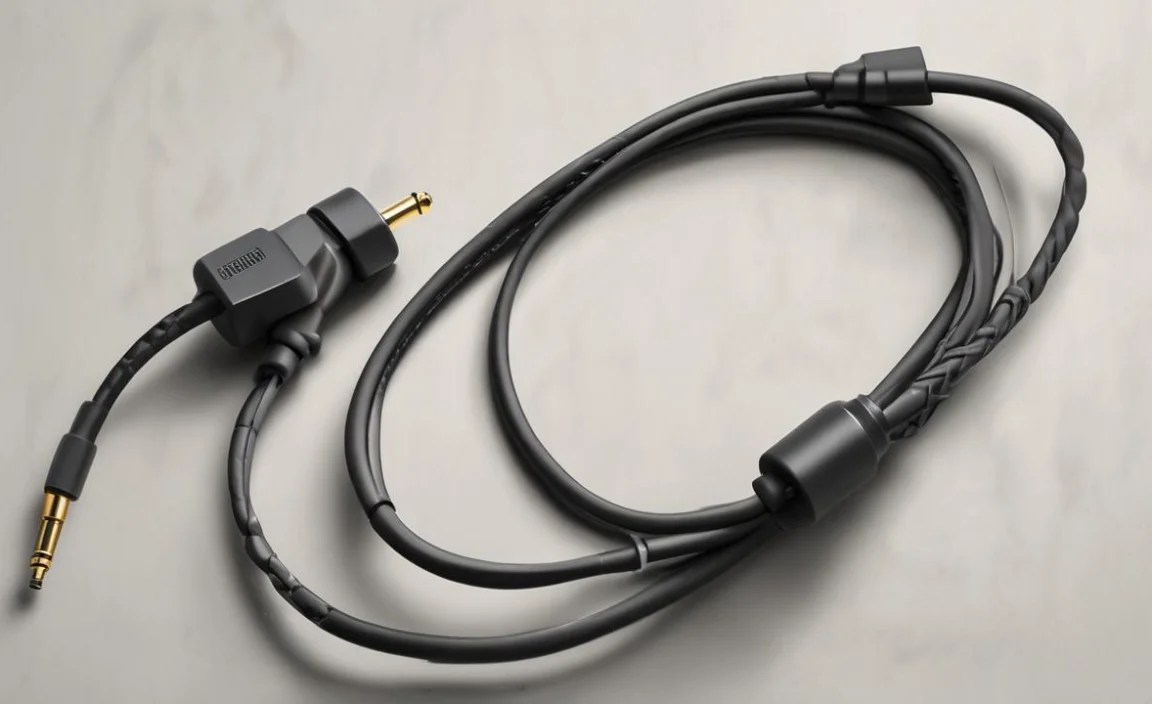
Wireless Headphones
– **Bluetooth Connectivity:** Eliminates the need for cables entirely by connecting via Bluetooth.
– **Rechargeable Battery:** Allows for mobility but requires charging.
– **Compatibility:** Ensure your devices support Bluetooth.
Wireless headphones offer a cable-free solution, but they can be more expensive and require regular charging.
Bluetooth Adapters
– **Convert Wired Headphones to Wireless:** Use a Bluetooth adapter to make your wired headphones wireless.
– **Portable and Rechargeable:** Often small and powered by a battery.
– **Sound Quality:** Some audio quality may be lost depending on the adapter.
Bluetooth adapters provide a middle ground, allowing for wireless capability while using existing headphones.
Troubleshooting Common Issues
Issue: Poor Sound Quality
– **Check Connections:** Ensure cables are securely connected.
– **Inspect for Damage:** Examine the cable for any visible damage.
– **Try Another Device:** Test the extension cable on a different device to rule out device-specific issues.
Proper inspection and testing can help identify and resolve sound quality issues related to extension cables.
Issue: Cable Disconnection
– **Secure Connections:** Double-check that both jacks are fully inserted.
– **Use Cable Clips:** Employ cable clips to prevent accidental disconnection.
– **Replace Loose Cables:** If problems persist, consider replacing the cable with a new one.
Ensuring secure connections can prevent disconnections and maintain a stable audio experience.
Advanced Techniques
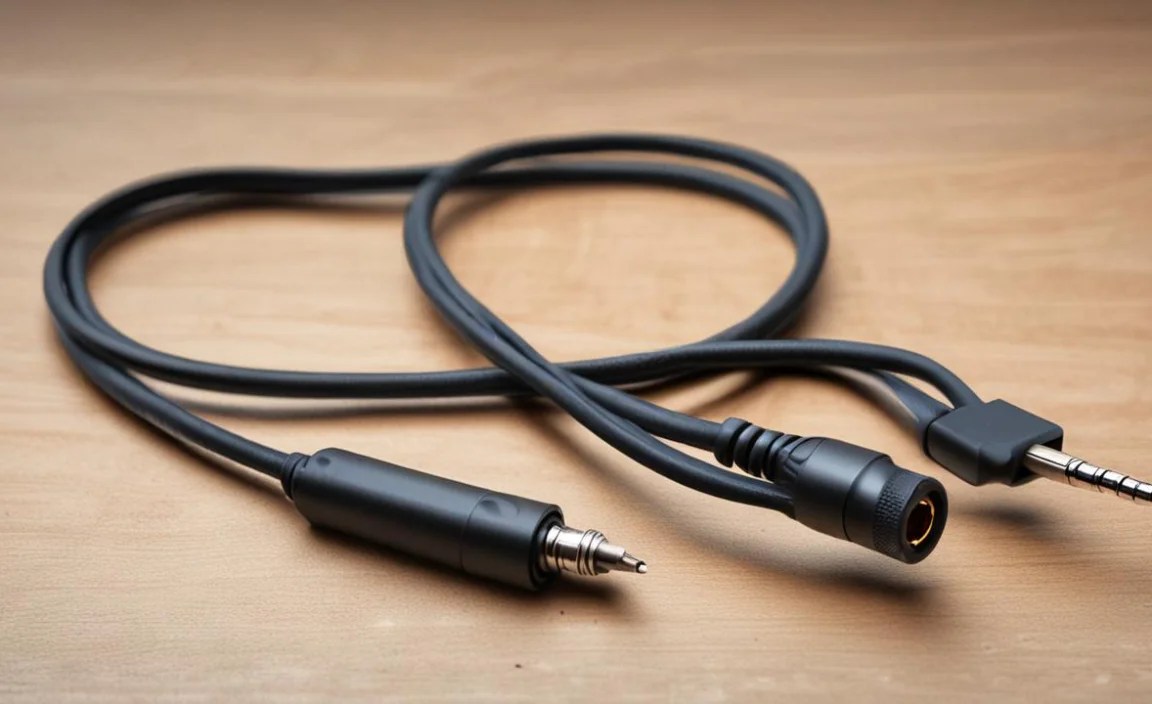
Optimize Cable Management
– **Use Cable Organizers:** Keeps cables tidy and prevents tangling.
– **Label Cables:** Helps in quickly identifying and differentiating between multiple cables.
– **Proper Storage:** Coil cables properly to avoid bending or damage.
Effective cable management enhances usability and longevity.
Enhance Sound Quality
– **Use High-Quality Cables:** Invest in cables with better shielding and connectors.
– **Employ Sound Enhancers:** Use apps or devices that enhance audio output quality.
– **Regular Maintenance:** Clean connectors regularly to avoid dirt interference.
Optimizing cable use and maintenance can significantly improve sound quality and cable longevity.
Prevention & Maintenance Tips
– **Regular Inspections:** Check for wear and damage periodically.
– **Proper Storage:** Coil cables loosely to prevent kinks.
– **Avoid Excessive Bending:** Prevent cables from bending at sharp angles.
– **Use Protective Cases:** Protect cables during travel.
– **Clean Connectors:** Use alcohol wipes to clean connectors and avoid corrosion.
Implementing these maintenance tips can prolong the life of your extension cables, ensuring consistent performance.
Real-Life Examples
– **John, a music producer,** utilized extension cables to connect his headphones to distant soundboards, enhancing his workspace efficiency.
– **Sarah, a student,** found that using an extension cable allowed her to study comfortably across her dorm room, connecting to her computer placed far from her desk.
– **Mark, a fitness enthusiast,** used an extension cable to connect his headphones to a stationary bike’s console, allowing him to enjoy music while exercising.
These examples demonstrate the practical applications and benefits of extension cables in various settings.
According to a report by Future Market Insights 2024, the demand for audio accessories, including headphone extension cables, is expected to grow by 5.5% annually, indicating the importance and continued relevance of these accessories.
Statista 2025 reports that over 70% of audio device users prefer using wired connections for superior sound quality, highlighting the ongoing need for reliable extension cables.
As per Consumer Reports 2025, the average lifespan of a high-quality headphone extension cable is approximately 5 years, emphasizing the importance of investing in durable options.
Driver Update Methods Compared
| Method | Difficulty | Speed | Best For | Notes |
|---|---|---|---|---|
| Manual Update | High | Slow | Experienced Users | Requires technical knowledge |
| Automatic Update Tools | Medium | Fast | General Users | Easy to use |
| Professional Service | Low | Varies | Large Businesses | Costly but efficient |
Conclusion
Extension cables for headphones are essential tools that enhance mobility and accessibility in audio experiences. By choosing the right cable, utilizing alternatives where needed, and maintaining your cables, you ensure a superior audio experience. Consider investing in high-quality extension cables to enjoy both flexibility and sound quality. Empower your audio setup by taking advantage of these versatile accessories.
Frequently Asked Questions
Question 1: How Do I Choose the Right Length for My Extension Cable?
Answer: **Measure the distance between your device and headphones, and choose a cable slightly longer for flexibility.**
Question 2: Can Extension Cables Affect Sound Quality?
Answer: **High-quality cables with good shielding maintain sound quality even over longer distances.**
Question 3: Are Wireless Headphones Better Than Using Extension Cables?
Answer: **It depends on your needs; wireless offers flexibility without cables, but extensions provide consistent quality without battery concerns.**
Question 4: How Often Should I Replace My Extension Cable?
Answer: **Typically every 3–5 years or when you notice wear and sound quality degradation.**
Question 5: Is There a Maximum Length for Headphone Extension Cables?
Answer: **Yes, beyond 30 feet, you may experience signal loss unless using amplified cables.**
Question 6: Can I Use Multiple Extension Cables Together?
Answer: **Yes, but each connection can introduce potential quality loss. Use high-quality connectors.**
Question 7: What Are the Best Brands for Headphone Extension Cables?
Answer: **Brands like UGREEN, AudioQuest, and Hosa are known for reliable and durable cables.**
Question 8: How Do I Prevent My Cable from Tangling?
Answer: **Use cable organizers and proper coiling techniques to avoid tangling.**
Question 9: Can I Use an Extension Cable with Any Hea
