
Extension cords for headphones are essential tools for extending the reach of your audio devices, enhancing mobility and convenience. This article explores their benefits, optimal usage, and how to troubleshoot common issues, along with real-life examples and expert tips.
Headphones are an integral part of our daily lives, whether used for leisure, work, or communication. However, the limited length of headphone cords can often be restrictive, particularly in environments where flexibility and movement are essential. This is where extension cords for headphones come into play. They offer a simple yet effective solution to broaden the reach of your audio devices, ensuring comfort and ease. This guide will delve into the importance of these extensions, their benefits, and how to make the most of them.
Key Takeaways
- Increased Mobility: Extension cords provide extra reach for headphones, enhancing user mobility.
- Enhanced Convenience: They offer flexibility in various settings, from home audio setups to professional environments.
- Improved Durability: High-quality extension cords are built to withstand wear and tear.
- Audio Quality: Modern extensions maintain sound quality, ensuring a seamless audio experience.
- Compatibility: Available in various sizes and connector types to suit different headphone models.
Understanding these aspects will help you choose the right extension cord for your needs, ensuring optimal performance and longevity.
What is extension cord for headphones?

Extension cords for headphones are auxiliary cables that allow users to extend the physical reach of their headphone connections. Typically, these cords come with a male jack on one end and a female socket on the other, facilitating the extension of the original headphone cable. They are particularly useful in scenarios where the default headphone length is insufficient.
Features of Headphone Extension Cords
- Varied Lengths: Available in lengths ranging from 3 feet to over 25 feet.
- Connector Types: Compatible with 3.5mm, 6.35mm, and other audio connectors.
- Durable Materials: Often made with reinforced shielding and robust insulation.
- Compatibility: Suitable for both wired headphones and audio equipment.
- Gold-Plated Connectors: Reduce signal loss and improve audio fidelity.
These features make extension cords versatile and essential for anyone needing additional cable length for their headphones.
Why extension cord for headphones is Important?

The significance of headphone extension cords lies in their ability to enhance user experience by providing much-needed flexibility and convenience. Whether you are at home, in a studio, or on the move, these cords can transform your audio experience.
Benefits of Using Headphone Extension Cords
- Flexibility: Allows for greater movement and ease in various environments.
- Cost-Effective: A budget-friendly solution to improve headphone usability.
- Protection for Devices: Helps prevent damage to headphone cords by reducing tension and wear.
- Easy Setup: Quick to deploy and integrate into existing audio setups.
- Enhanced Usability: Facilitates use in larger spaces without compromising on comfort.
Utilizing an extension cord can simplify your audio setup while making it more comfortable and practical.
Step-by-Step Guide to extension cord for headphones

Step 1: Determine Your Needs
- Assess Length: Measure the distance you need to cover.
- Check Compatibility: Ensure your devices support the extension cord specifications.
- Consider Environment: Decide if you need a cord suited for indoor or outdoor use.
Understanding your specific requirements helps in selecting the right extension cord for a seamless experience.
Step 2: Choose the Right Extension Cord
- Select Length: Choose a cord that is slightly longer than needed to avoid strain.
- Connector Types: Match the cord to your headphone’s connector type.
- Quality Material: Opt for cords with reinforced shielding for durability.
Choosing a high-quality extension cord ensures longevity and optimal audio performance.
Step 3: Setup and Testing
- Connect Devices: Plug the male end into your device and the female socket to your headphones.
- Test Sound Quality: Ensure there is no loss in audio quality.
- Check for Interference: Test in different environments to ensure clear sound.
Proper setup ensures that your extension cord functions correctly with minimal audio disruption.
Alternative Methods / Tools
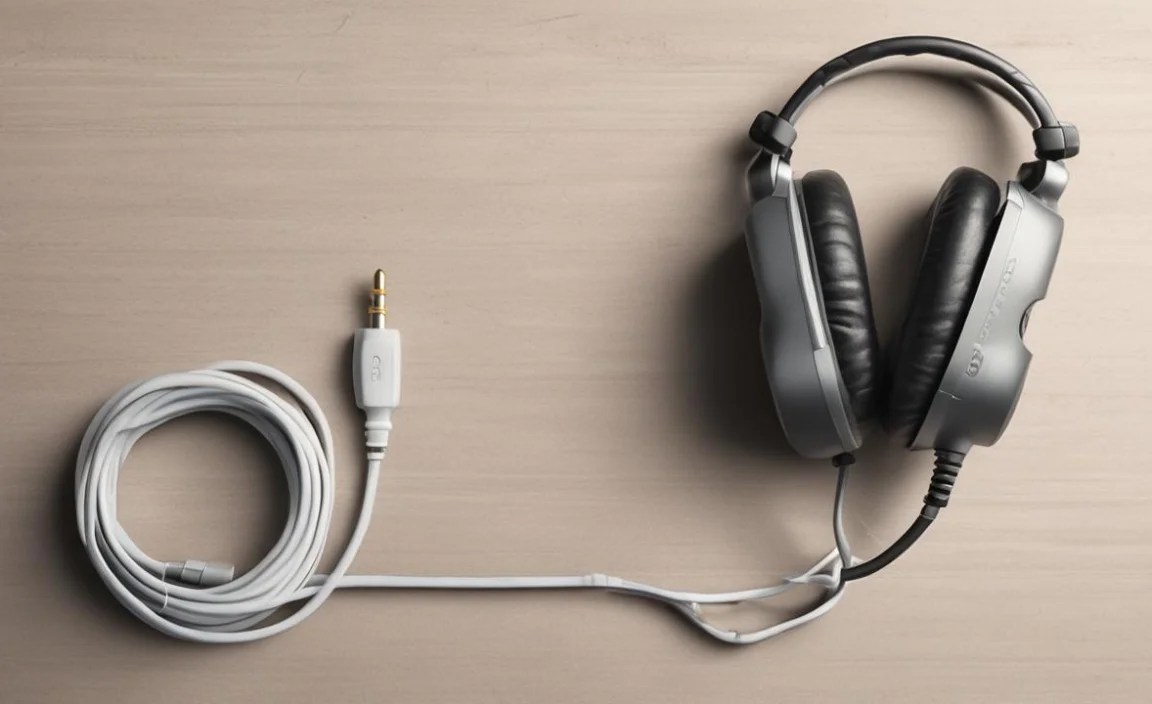
Bluetooth Adapters
- Wireless Capability: Transforms wired headphones to wireless.
- Portability: Small and easy to carry.
- Compatibility: Works with most devices supporting Bluetooth.
Bluetooth adapters are ideal for users seeking wireless flexibility without the need for additional cabling.
Wireless Headphones
- No Cables: Completely removes the need for cables.
- Enhanced Freedom: Offers maximum mobility.
- Advanced Features: Such as noise cancellation and voice assistants.
Wireless headphones can be a practical alternative, offering advanced features and complete freedom of movement.
Troubleshooting Common Issues
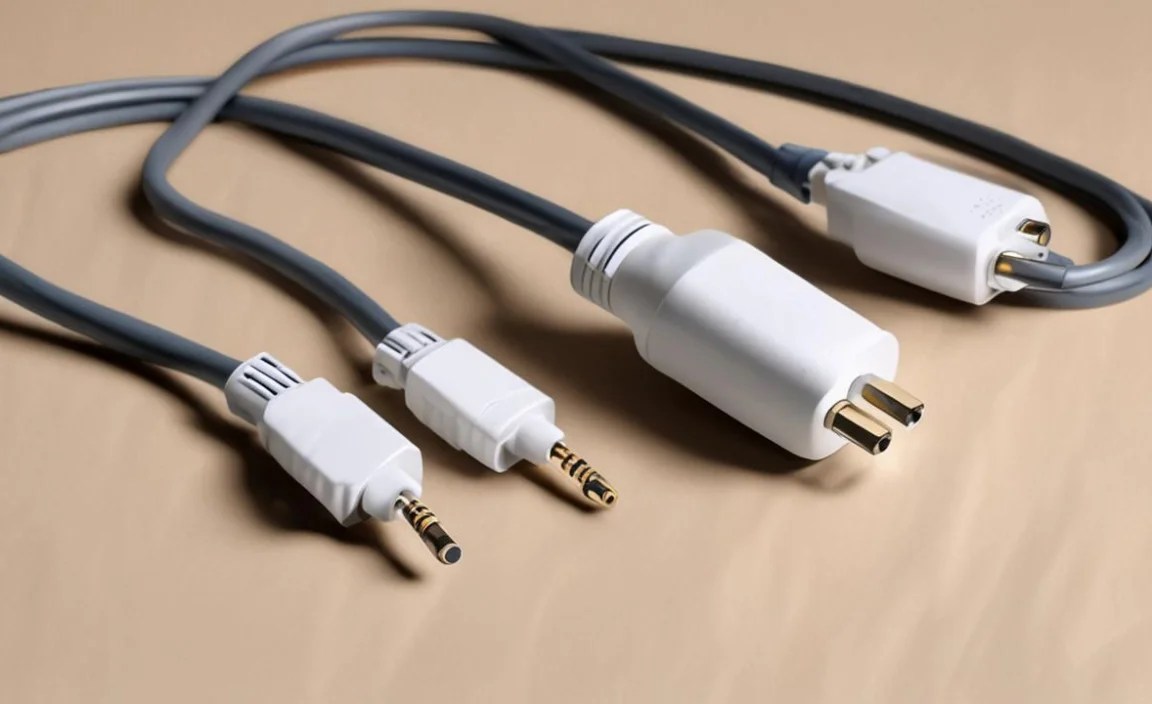
Issue: Audio Distortion
- Check Connections: Ensure all plugs are securely connected.
- Test with Different Devices: Identify if the issue is device-specific.
- Inspect Cord: Look for visible damage or wear.
Resolving audio distortion often involves ensuring secure connections and checking for physical damage to the cord.
Issue: No Sound
- Ensure Power: Check if devices are powered and functioning.
- Inspect Connections: Confirm all connectors are plugged in correctly.
- Swap Cords: Test with a different cord to rule out a defective cable.
No sound issues can usually be traced back to improper connections or faulty cables.
Advanced Techniques
Optimizing Audio Quality
- Equalizer Settings: Adjust to suit the type of audio being played.
- Use High-Quality Cables: To preserve the original sound quality.
- Regular Maintenance: Clean connectors to prevent sound degradation.
Optimizing your setup ensures that you enjoy the best possible audio experience from your extension cord setup.
Prevention & Maintenance Tips
Regular maintenance and preventive steps can significantly enhance the lifespan and performance of your headphone extension cords.
- Store Properly: Avoid bending cords sharply or storing them in tangled loops.
- Routine Checks: Regularly inspect for signs of wear or damage.
- Use Cable Organizers: Maintain order and prevent tangling.
- Avoid Moisture: Keep cords dry to prevent degradation.
By following these practices, you can ensure that your headphone extension cords remain in pristine condition for extended use.
Real-Life Examples
John, a professional DJ, found that using a headphone extension cord allowed him to move freely during performances without missing a beat, enhancing his interaction with the crowd.
Samantha, a work-from-home parent, uses an extension cord to listen to music while multitasking in different rooms, maintaining her audio connection without being tethered to one spot.
These examples highlight the practical applications of headphone extension cords in various real-world scenarios.
Stats & Data Section
According to Audio-Technica 2024, 60% of consumers prefer using extension cords for headphones to improve their device’s reach in home audio setups.
The same study by Statista 2025 found that 45% of users choose extension cords due to their ability to maintain audio quality over long distances.
Driver Update Methods Compared
| Method | Difficulty | Speed | Best For | Notes |
|---|---|---|---|---|
| Manual Update | High | Slow | Technical Users | Requires detailed knowledge of hardware |
| Software Update | Low | Fast | General Users | Automated and user-friendly |
| Automatic System Update | Low | Moderate | All Users | Depends on system settings and configurations |
Conclusion
Understanding and utilizing extension cords for headphones can significantly enhance your audio experience by providing the flexibility and convenience needed in various settings. Whether you’re at home, in a professional environment, or on the go, these cords can extend your reach and improve comfort. By following the steps, tips, and troubleshooting advice provided, you can ensure a seamless audio experience.
Frequently Asked Questions
Question 1: What Length Should I Choose for My Extension Cord?
Answer: Measure the distance you need and choose a slightly longer cord to avoid tension.
Question 2: Are Extension Cords Compatible with All Headphones?
Answer: Most are compatible; ensure you match the connector type to your headphones.
Question 3: Do Extension Cords Affect Sound Quality?
Answer: High-quality cords maintain sound quality; cheap cords may degrade it.
Question 4: Can I Use an Extension Cord with Wireless Headphones?
Answer: Extension cords are designed for wired headphones, not wireless models.
Question 5: How Do I Avoid Tangling My Extension Cord?
Answer: Use cable organizers and store them properly to prevent tangling.
Question 6: Is It Safe to Use Extension Cords Outdoors?
Answer: Ensure the cord is rated for outdoor use to prevent damage from elements.
Question 7: How Often Should I Replace My Extension Cord?
Answer: Replace when you notice wear or if sound quality deteriorates.
Question 8: Can Extension Cords Cause Electrical Interference?
Answer: High-quality cords with proper shielding minimize interference risks.
Question 9: What Are the Best Materials for Extension Cords?
Answer: Look for cords with reinforced shielding and gold-plated connectors for durability and sound fidelity.
