
Quick Summary: Elevate your gaming with audiophile-grade headphones. Discover essential choices that balance stunning audio fidelity with precise in-game sound cues. This beginner’s guide makes understanding key features and making the right purchase simple, ensuring a more immersive and responsive gaming experience.
Good Audiophile Headphones for Gaming: Essential Choices for Every Player

Hey gamers and audio lovers, Edward Cavitt here from headphonehorizon! So, you’ve mastered the art of the headshot, navigated countless virtual worlds, and maybe even crafted the perfect in-game strategy. But are you truly hearing your games? For many, the headset that came with a console or a budget pair of earbuds just doesn’t cut it when it comes to experiencing the full depth of a game’s soundscape.
That’s where audiophile headphones come in. They’re designed to deliver incredibly detailed and accurate sound, which can make a massive difference not just for enjoying music, but for pinpointing enemy footsteps, appreciating subtle environmental cues, and feeling truly immersed in the game.
If you’re new to this world and wondering what makes a pair of “good audiophile headphones for gaming,” you’ve come to the right place. Let’s break it down and find the perfect audio companion for your adventures.
Why Audiophile Headphones for Gaming? It’s All About the Details

You might be thinking, “Can’t I just use any pair of headphones for gaming?” The short answer is yes, but audiophile headphones offer a significant leap in quality that purists and serious gamers alike appreciate. Audiophile gear is engineered for sound reproduction that is as close to the original recording as possible. For gaming, this translates to:
- Pinpoint Accuracy: Hear exactly where that sniper shot came from or the subtle rustle of leaves that signals an approaching enemy.
- Immersive Soundscapes: Feel the rumble of explosions, the wind whistling through a digital forest, or the atmospheric music that pulls you deeper into the game’s story.
- Rich Detail: Discover sounds you never noticed before, enhancing your appreciation for the game’s artistry.
- Comfort for Long Sessions: Many audiophile headphones are built with premium materials and ergonomic designs for extended wear.
It’s not just about loudness; it’s about clarity, separation of sounds, and a wider soundstage – the sense of space the audio creates around you. This can give you a real competitive edge.
Understanding Key Features: What to Look For

When diving into the world of audiophile headphones for gaming, you’ll encounter a few terms and features that are important to understand. Don’t worry, we’ll keep it simple!
Open-Back vs. Closed-Back Design
This is one of the first major distinctions you’ll notice:
- Open-Back Headphones: These have grills or perforations on the earcups. They allow air and sound to pass through, creating a wider, more natural soundstage that can feel like you’re in the game’s environment. You’ll hear your surroundings a bit more, and others might hear your game audio.
- Closed-Back Headphones: These are sealed, preventing sound from leaking in or out. They offer better noise isolation, which is great if you’re in a noisy environment or don’t want to disturb others. They often provide more prominent bass and a more focused sound.
For gaming: Open-back headphones are often favored for their expansive soundstage, helping with positional audio. However, if you need to block out distractions, closed-back headphones are a better choice.
Drivers: The Heart of the Sound
Drivers are the small speakers inside your headphones that produce sound. Their size and type significantly impact the audio quality. Common types include:
- Dynamic Drivers: The most common type, they use a voice coil attached to a diaphragm. They offer good bass response and are generally efficient.
- Planar Magnetic Drivers: These use a thin, flat diaphragm suspended in a magnetic field. They are known for their speed, detail, and accuracy, often providing a more natural and less distorted sound. They can be larger and heavier, and often require a dedicated amplifier.
- Balanced Armature Drivers: More typical in in-ear monitors (IEMs), these use a balanced armature actuator. They are known for their precise mids and treble, but often require multiple drivers per earcup for a full sound range.
For gaming, dynamic drivers are prevalent and excellent. Planar magnetic drivers are a premium option offering exceptional detail if your budget allows.
Impedance and Sensitivity: Powering Your Cans
These two relate to how much power your headphones need to sound their best:
- Impedance (Ohms): Higher impedance headphones require more voltage to reach a certain volume. “Low-impedance” (under 32 Ohms) headphones usually work well directly from a PC or console. “High-impedance” (over 100 Ohms) headphones often benefit from a headphone amplifier to reach adequate volume and sound their best.
- Sensitivity (dB/mW or dB/V): This measures how loud the headphones will get with a given amount of power. Higher sensitivity means they’re easier to drive.
For beginners: Generally, headphones with lower impedance (around 32 Ohms or less) are easier to drive and will perform well with most devices without needing extra equipment. If you’re looking at high-impedance audiophile models, you might need to invest in a headphone amplifier, which is another piece of audio gear.
Frequency Response: The Range of Sound
This describes the range of audible frequencies (from deep bass to high treble) a headphone can reproduce. Human hearing typically ranges from 20 Hz to 20,000 Hz. While numbers on a spec sheet can look impressive (e.g., 5 Hz – 40,000 Hz), what matters more is how balanced and natural the sound is across that range.
For gaming, a good balance means you can clearly hear those deep, impactful explosions without them drowning out the subtle footsteps or dialogue. A wide frequency response with good extension in both the low and high ends can contribute to a more realistic and engaging audio experience.
Essential Choices: Top Recommendations for Audiophile Gaming Headsets

Choosing the “best” is subjective and depends on your budget, preferred sound profile, and whether you need isolation or an open soundstage. Here are some highly regarded options that consistently receive praise from audiophiles and gamers alike. We’ll categorize them to help guide your decision.
Budget-Friendly Audiophile Starters (Under $150)
You don’t need to break the bank to get a significant upgrade in audio quality for your gaming.
1. Audio-Technica ATH-M40x
These are a fantastic entry point into serious audio. While often marketed for studio monitoring, their clarity, detail, and balanced sound reproduction translate beautifully to gaming. They are closed-back, offering good isolation.
- Pros: Excellent detail and clarity for the price, good bass response, sturdy build, detachable cables, decent sound isolation.
- Cons: Can be a bit tight for some users initially, earpads might not be the most luxurious out-of-the-box.
2. Sennheiser HD 560S
A legendary brand in audio, Sennheiser delivers with the HD 560S. They are open-back, offering a wide soundstage perfect for positional audio in games. They provide a neutral, detailed sound that’s excellent for both gaming and critical listening.
- Pros: Superb clarity and detail, wide soundstage, comfortable for long sessions, relatively easy to drive.
- Cons: Open-back design means sound leakage and no noise isolation, less impactful bass for some preference.
Mid-Range Marvels (Around $150 – $300)
Stepping up in this range often means better materials, more refined sound, and enhanced comfort.
1. Philips Fidelio X2HR
These open-back headphones are a favorite for their superb comfort, rich and engaging sound, and excellent value. They offer a beautiful balance of detail and impact, making them great for immersive single-player games and competitive titles alike.
- Pros: Extremely comfortable velour earcups, wide and natural soundstage, warm and engaging sound signature, solid build quality.
- Cons: Open-back design (sound leakage, no isolation), cable is not detachable.
2. Beyerdynamic DT 770 PRO (80 Ohm Version)
A studio classic that gamers have adopted. The DT 770 PRO (specifically the 80 Ohm version) offers fantastic isolation with its closed-back design and a detailed, energetic sound. The comfort is legendary, with plush velour earpads.
- Pros: Excellent noise isolation, highly detailed and energetic sound, supreme comfort for long wear, robust build.
- Cons: Non-detachable cable, can sound a bit sharp in the treble to some ears, requires decent power to shine.
Premium Pursuits (Over $300)
At this level, you’re looking at top-tier components, exceptional clarity, and often planar magnetic drivers for unparalleled detail.
1. Hifiman Sundara
Often considered the benchmark for affordable planar magnetic headphones. The Sundara delivers incredible detail, astonishing clarity, and a wonderfully natural sound. Their open-back design provides an expansive soundstage that is a gamer’s dream for spatial awareness.
- Pros: Exceptional detail and clarity, fast and accurate transient response, wide and accurate soundstage, relatively comfortable.
- Cons: Open-back design (sound leakage, no isolation), can be somewhat power-hungry (though manageable on most PCs/consoles with good onboard audio).
2. Beyerdynamic DT 1990 PRO
These are Beyerdynamic’s flagship open-back studio headphones. They offer incredible detail, a vast soundstage, and impressive clarity across the frequency spectrum. They come with interchangeable ear pads (analytical and more balanced) allowing for some sound tuning.
- Pros: Stellar detail and soundstage, incredible clarity, premium build, swappable pads for sound customization, very comfortable.
- Cons: High impedance (often requires an amplifier), expensive, open-back design.
Table: Comparing Key Audiophile Headphone Features for Gaming
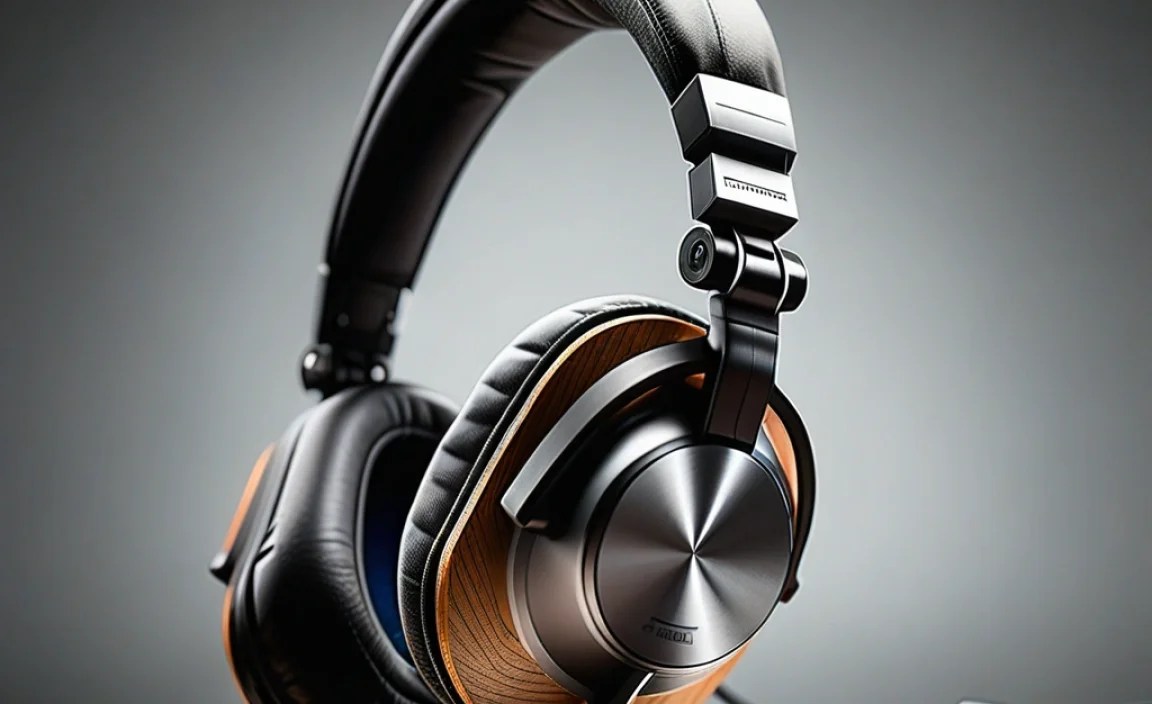
Here’s a quick glance at how some of these popular choices stack up:
| Headphone Model | Type | Impedance (Ohms) | Key Strengths for Gaming | Price Range (USD) |
|---|---|---|---|---|
| Audio-Technica ATH-M40x | Closed-Back | 35 | Detail, Bass, Isolation, Durability | $100 – $150 |
| Sennheiser HD 560S | Open-Back | 120 | Soundstage, Positional Audio, Clarity | $150 – $200 |
| Philips Fidelio X2HR | Open-Back | 30 | Comfort, Immersive Sound, Engaging Bass | $150 – $200 |
| Beyerdynamic DT 770 PRO (80 Ohm) | Closed-Back | 80 | Isolation, Detail, Comfort, Durability | $150 – $200 |
| Hifiman Sundara | Open-Back | 37 | Unrivaled Detail, Speed, Soundstage | $300 – $350 |
| Beyerdynamic DT 1990 PRO | Open-Back | 250 | Extreme Clarity, Vast Soundstage, Premium Build | $550 – $600 |
Beyond Headphones: Important Considerations
Getting great audiophile headphones is a fantastic first step, but a few other things can elevate your gaming audio experience.
The Role of Your Source (PC, Console, DAC/Amp)
The device you plug your headphones into matters. A good PC sound card or a modern console’s audio output will drive most lower-impedance headphones well. However, for higher-impedance audiophile headphones, especially open-back models or those with planar magnetic drivers, you might need a dedicated setup:
- DAC (Digital-to-Analog Converter): Converts digital audio signals from your PC or console into an analog signal that headphones can play.
- Headphone Amplifier: Boosts the analog signal from the DAC to provide enough power for demanding headphones, ensuring they reach their full sonic potential and sound their best.
Many modern devices offer combined DAC/Amps, often called an “amp” or “DAC/amp.” For less than $100-$150, you can find excellent entry-level DAC/amps like the Schiit Fulla 4 or the FiiO K3 that can significantly improve the sound quality for your headphones. For more information on audio sources and amplification, resources like Audio Science Review offer in-depth analysis and guides.
Microphones: Communication is Key
Most dedicated audiophile headphones don’t come with built-in microphones, as the focus is purely on audio reproduction. For gaming, you’ll likely need a separate microphone solution:
- Detachable Boom Microphone: Many gamers opt for a separate boom mic that attaches to their headphones. Brands like ModMic offer excellent attachable microphones that can dramatically improve your voice quality for team communication.
- Standalone USB Microphone: For a more professional setup, a dedicated USB microphone (like a Blue Yeti or Rode NT-USB+ ) can offer superior voice quality for streaming or communication.
- Console Controllers: Some console controllers have basic microphone inputs, but the quality is generally compromised.
Ensure your chosen microphone solution is compatible with your gaming platform. Websites like Rtings.com provide detailed reviews and comparisons of microphones.
Comfort and Fit for Long Gaming Sessions
You can have the best-sounding headphones in the world, but if they’re uncomfortable, you won’t want to wear them for your 8-hour raid or marathon streaming session. Look for:
- Earcup Material: Velour and breathable fabric pads are generally more comfortable for long periods than synthetic leather, which can get hot.
- Headband Padding: Adequate padding on the headband prevents pressure points on your head.
- Clamping Force: The pressure the headphones exert to stay on your head. Too tight is uncomfortable; too loose and they might fall off. Adjustable headbands and well-designed clamping force are crucial.
- Weight: Lighter headphones generally contribute to better long-term comfort.
Read reviews that specifically mention comfort for extended use. Some headphones also offer swappable earpads, allowing you to tailor the fit and feel.
Step-by-Step Guide: Making Your Audiophile Gaming Headphone Purchase
Ready to take the plunge? Here’s a simple process to help you find your perfect pair:
- Define Your Budget: Audiophile gear spans a wide price range. Decide how much you’re willing to spend, including potential costs for a DAC/amp or microphone.
- Consider Your Environment:
- Noisy room? You probably need closed-back headphones for isolation.
- Quiet room and want the most immersive, natural soundstage? Consider open-back.
- Research Key Features: Understand impedance, driver types, and what sound signatures you might prefer (e.g., neutral, bass-heavy, V-shaped).
- Read Reviews (and Watch Them!): Look for reviews from reputable audio sites and YouTube channels that focus on both audio quality and gaming performance. Pay attention to comments about comfort and soundstage.
- Check Compatibility: Ensure the headphones will work with your gaming platform (PC, PlayStation, Xbox, Switch). For high-impedance headphones, confirm you have or plan to get an appropriate amplifier.
- Consider a Microphone: Decide if you need an attachable mic or a standalone one based on your communication needs and setup.
- Purchase from Reputable Retailers: Buy from well-known audio shops or major online retailers to ensure authenticity and good return policies.
- Test Them Out (If Possible):
