
Quick Summary: Traveling by air? Find the perfect headphones to silence cabin noise and enjoy your entertainment in peace. We’ve curated easy-to-understand guides on noise-canceling, comfort, and essential features for a serene flight, making your journey more enjoyable.
Good Headphones For Airplane Travel: Essential Picks for a Peaceful Journey
Flying can be an incredible experience, but let’s be honest, the constant drone of engines, chatty passengers, and crying babies can significantly dampen the mood. If you’re looking to transform your travel time from a noisy ordeal into a tranquil escape, the right pair of headphones is your secret weapon. As an audio enthusiast at headphonehorizon, I understand how overwhelming it can be to navigate the world of headphones. That’s why I’m here to simplify things. This guide will walk you through what makes headphones “good” for airplane travel, covering everything from killer noise cancellation to incredible comfort, so you can arrive at your destination feeling refreshed, not frazzled. Let’s find you the perfect travel companions for the skies!
Why Invest in Good Headphones for Flying?

Think of your headphones as your personal oasis amidst the bustling airport and the enclosed environment of an airplane cabin. The primary reason flying demands specific headphone features is the pervasive ambient noise. Airplane cabins are notoriously loud. Studies, like those from the National Council on Alcohol, highlight the health impacts of prolonged exposure to noise, which can include stress and fatigue – precisely what you want to avoid on a trip. Good travel headphones achieve two main goals:
- Noise Annihilation: They actively combat the constant hum of engines and other disruptive sounds, creating a quieter space for you to enjoy your music, podcasts, audiobooks, or simply embrace silence.
- Personal Entertainment Enhancement: They deliver clear, immersive audio, making movies more engaging and music more vibrant, turning your flight into a more enjoyable experience.
- Comfort for Long Stretches: Airplane journeys can be long, so comfort is paramount. Headphones designed for travel often feature plush earcups and lightweight designs to prevent discomfort during extended wear.
Key Features to Look For in Travel Headphones

When choosing “good headphones for airplane travel,” a few critical features stand out. Prioritizing these will ensure you get the most bang for your buck and the most peace on your flight.
1. Active Noise Cancellation (ANC) is King
This is the undisputed champion feature for air travel. ANC headphones use tiny microphones to detect ambient noise and then generate an opposite sound wave to cancel it out. It’s like magic for your ears!
- How it Works: ANC targets consistent, low-frequency sounds like engine noise, making it incredibly effective on planes.
- Benefits:
- Drastically reduces cabin noise.
- Allows you to listen at lower volumes, protecting your hearing.
- Enhances focus and relaxation.
- Considerations: Not all ANC is created equal. Higher-end headphones generally offer more effective ANC. Some headphones also have adjustable ANC levels, which can be useful in different environments.
2. Comfort is Crucial
You’ll likely be wearing these for hours. Discomfort can ruin even the best audio experience. Look for:
- Over-Ear Design: These typically provide the best comfort for long listening sessions as the earcups surround your ears, distributing pressure evenly.
- Plush Earcups: Soft, breathable materials like memory foam or high-quality leatherette prevent your ears from feeling hot and sore.
- Adjustable Headband: A well-padded and adjustable headband ensures a snug but not painfully tight fit.
- Lightweight Build: Heavy headphones can cause neck strain over time.
3. Sound Quality Matters
While noise cancellation is key, you still want your audio to sound great! Look for:
- BalancedAudio Profile: Headphones that offer clear highs, solid mids, and satisfying bass without being overpowering are ideal for various content – music, movies, or podcasts.
- Good Driver Size: Larger drivers (the part that produces sound) often translate to richer, more detailed audio.
4. Battery Life
A long flight requires long battery life. Aim for headphones that offer at least 20-30 hours of playback with ANC on. Many good travel headphones also offer quick charging, so a short plug-in can give you hours of listening.
5. Portability and Durability
You’ll be packing these, so consider:
- Foldable Design: Many headphones fold up neatly into a compact carrying case, saving precious space in your carry-on.
- Sturdy Build: Look for materials that feel robust and can withstand the occasional bump.
- Carrying Case: A protective case is a must to keep your headphones safe from damage.
6. Connectivity Options
- Bluetooth: Wireless freedom is a huge plus. Ensure the Bluetooth version is stable (e.g., Bluetooth 5.0 or higher) for reliable connections.
- Wired Option: Many headphones still offer a 3.5mm jack. This is great as a backup if the battery dies, and it’s essential for older in-flight entertainment systems that may not support Bluetooth.
- Multipoint Pairing: Allows you to connect to two devices simultaneously (e.g., your phone and laptop), seamlessly switching between them.
Top Picks for Good Headphones for Airplane Travel

Choosing the “best” can be subjective and depend on your budget and specific needs. However, here are some consistently recommended options known for delivering excellent performance for air travel:
1. Sony WH-1000XM5 (Premium Choice)
Often heralded as the king of noise-canceling headphones, the Sony WH-1000XM5 series continues to impress. They offer industry-leading ANC, exceptional comfort, and fantastic sound quality.
- Pros:
- Superb active noise cancellation.
- Rich, detailed sound quality.
- Extremely comfortable for long wear.
- Excellent battery life (30 hours with ANC).
- Great features like Speak-to-Chat and multipoint pairing.
- Cons:
- Premium price point.
- Can get warm on longer flights for some users.
2. Bose QuietComfort Ultra Headphones (Premium Choice)
Bose has been a long-time leader in noise cancellation, and the QuietComfort series remains a top contender. These headphones are renowned for their comfort and effective ANC.
- Pros:
- World-class noise cancellation.
- Luxurious comfort, often cited as the most comfortable.
- Clear, balanced audio.
- Good battery life (up to 24 hours with ANC).
- Immersive audio option with Bose Immersive Audio.
- Cons:
- Higher price tag.
- ANC might be slightly less effective than the latest Sony models in some scenarios.
3. Sennheiser Momentum 4 Wireless (Excellent All-Rounder)
Sennheiser offers a fantastic balance of sound quality, comfort, and impressive battery life, all wrapped in a stylish design. Their ANC is very capable.
- Pros:
- Superior sound quality with a detailed and dynamic profile.
- Exceptional battery life (up to 60 hours with ANC).
- Comfortable for extended wear.
- Effective adaptive ANC.
- Supports aptX HD for high-resolution audio over Bluetooth.
- Cons:
- Design might not fold as compactly as some competitors.
- ANC, while good, might not quite reach the absolute peak of Sony or Bose for some.
4. Apple AirPods Max (for Apple Users)
If you’re deeply embedded in the Apple ecosystem, the AirPods Max offer seamless integration, premium build, and excellent ANC.
- Pros:
- Superb noise cancellation.
- Excellent audio quality with spatial audio support.
- Premium build quality (aluminum and stainless steel).
- Effortless pairing and switching within the Apple ecosystem.
- Cons:
- Very expensive.
- Heavy compared to most other over-ear headphones.
- Battery life is good but not class-leading (around 20 hours with ANC).
- No 3.5mm jack (requires a separate adapter, sold by Apple).
5. Wyze Noise-Cancelling Headphones (Budget-Friendly)
For those on a tighter budget, Wyze proves you don’t have to break the bank to get decent ANC and good sound for travel.
- Pros:
- Excellent value for money.
- Decent active noise cancellation for the price.
- Comfortable earcups.
- Good battery life (up to 20 hours with ANC).
- Cons:
- ANC and sound quality not as refined as premium options.
- Build quality is good for the price but not as premium.
Noise-Cancelling Earbuds vs. Over-Ear Headphones for Travel

Deciding between in-ear earbuds and over-ear headphones is another important choice for travel. Both have their place.
Noise-Cancelling Earbuds
Compact and convenient, ANC earbuds are great for portability. While historically not as powerful as their over-ear counterparts, top-tier ANC earbuds are now incredibly effective.
- Pros:
- Extremely portable and lightweight.
- Discreet.
- Many modern options offer excellent ANC.
- Good for people who find over-ear headphones too bulky or warm.
- Cons:
- Can sometimes feel less secure in the ear for some users.
- Battery life is generally shorter than over-ear models.
- May not offer the same level of comfort for extremely long flights for everyone.
- Top Picks: Sony WF-1000XM5, Bose QuietComfort Earbuds II, Apple AirPods Pro 2.
Over-Ear Headphones
As discussed, these usually provide superior comfort and more effective ANC due to their larger size and seal around the ear.
- Pros:
- Typically offer the best noise cancellation.
- Superior comfort for extended listening sessions for most people.
- Often better sound quality due to larger drivers.
- Longer battery life.
- Cons:
- Bulkier and take up more space.
- Can be warmer to wear for some people.
- Can be pricier.
A Practical Comparison Table
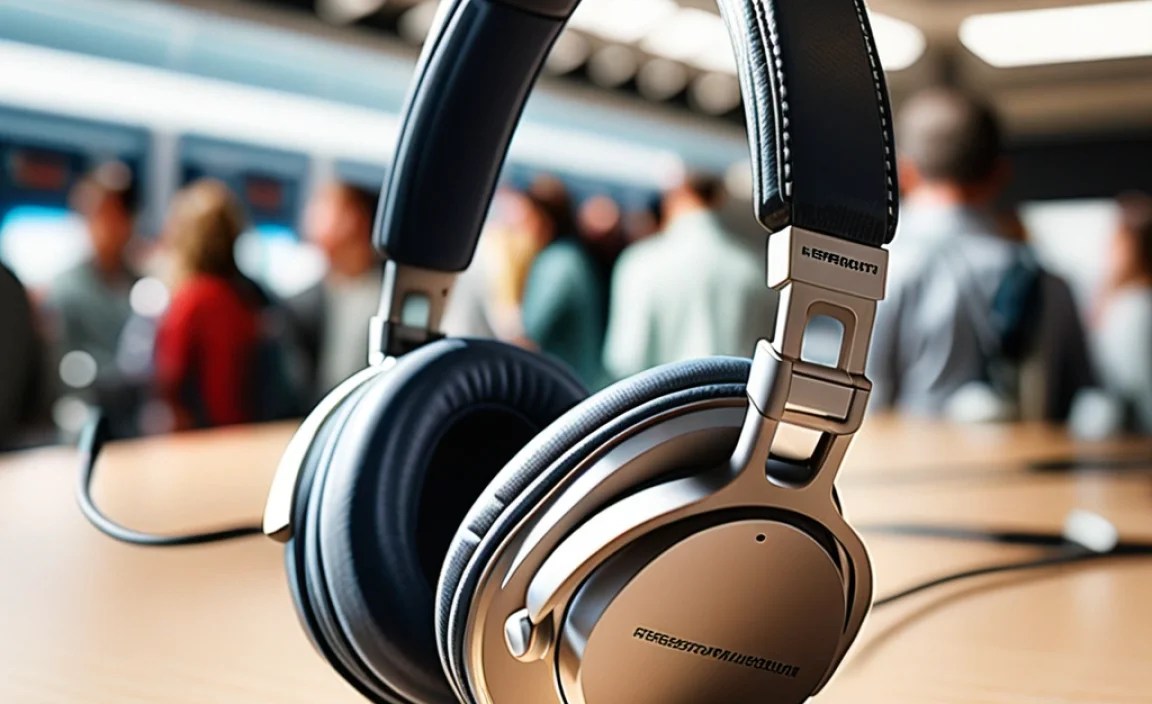
Here’s a quick look at how some popular models stack up, focusing on their travel-friendliness:
| Headphone Model | Noise Cancellation | Comfort | Battery Life (ANC On) | Portability | Price Range ($) |
|---|---|---|---|---|---|
| Sony WH-1000XM5 | Excellent | Very Good | 30 Hours | Good (Foldable w/ Case) | $$$ |
| Bose QuietComfort Ultra | Excellent | Exceptional | 24 Hours | Good (Foldable w/ Case) | $$$ |
| Sennheiser Momentum 4 Wireless | Very Good | Very Good | 60 Hours | Good (Foldable w/ Case) | $$$ |
| Apple AirPods Max | Excellent | Good | 20 Hours | Fair (Smart Case) | $$$$ |
| Wyze Noise-Cancelling Headphones | Good | Good | 20 Hours | Good (Foldable w/ Case) | $$ |
Tips for Using Your Headphones on a Flight
Once you’ve picked your perfect travel headphones, here’s how to get the most out of them:
- Charge Them Fully Before You Go: This seems obvious, but it’s essential. A dead battery on a long flight is a traveler’s worst nightmare.
- Bring a Backup Audio Cable: Even with wireless headphones, always pack a 3.5mm audio cable and adapter (if needed for your headphones). This is a lifesaver if your battery dies or the airplane’s entertainment system doesn’t support Bluetooth.
- Familiarize Yourself Before You Fly: Play with the controls, ANC settings, and connectivity options at home. Don’t wait until you’re on the plane to figure things out.
- Use ANC Even if You’re Not Listening to Anything: Sometimes, the greatest luxury is just the silence ANC provides. Turning on ANC without audio can be incredibly relaxing.
- Adjust for Comfort: During the flight, take them off for a few minutes every couple of hours to give your ears a break. Ensure the fit is still comfortable and adjust if needed.
- Clean Them Regularly: Earwax and debris can build up. A quick wipe-down with a slightly damp microfiber cloth (and a dry brush for crevices) will keep them hygienic and sounding their best. For more detailed cleaning tips, check out resources like iFixit’s guide to cleaning Bluetooth headphones.
- Pack Them Safely: Always keep your headphones in their protective case when not in use, especially in your carry-on bag, to prevent damage.
Frequently Asked Questions (FAQ)
Q1: Do I really need noise-cancelling headphones on a plane?
While not strictly necessary, noise-cancelling headphones significantly enhance your travel experience. They reduce fatigue, allow you to enjoy audio at lower volumes, and create a much more peaceful environment. For many, they turn a stressful flight into a relaxing one.
Q2: Can I use my regular headphones on a plane?
Yes, you can use any headphones on a plane. However, non-noise-cancelling headphones won’t do much to combat the constant engine noise and cabin chatter, meaning you’ll likely have to turn the volume up higher to hear your audio, which can be damaging to your hearing and still won’t entirely drown out the ambient sounds.
Q3: Are over-ear or in-ear headphones better for airplane travel?
It depends on personal preference and the specific model. Generally, over-ear headphones offer superior comfort and more effective noise cancellation due to their design. However, high-quality noise-cancelling earbuds are much more portable and can provide an excellent experience if comfort and fit are right for you.
Q4: How long should the battery life of my travel headphones be?
For a comfortable flight, aim for headphones with at least 20-30 hours of battery life with active noise cancellation turned on. Most premium travel headphones easily meet or exceed this, and quick-charging features can be a lifesaver for short top-ups.
Q5: Can I connect Bluetooth headphones to the airplane’s entertainment system?
This is becoming more common, but not all airlines or entertainment systems support Bluetooth. It’s best to check with your airline beforehand. Many headphones come with a 3.5mm audio jack and a compatible cable, which will work with older systems. You might also need a specialized Bluetooth audio transmitter that plugs into the headphone jack. The Federal Aviation Administration (FAA) generally permits Bluetooth devices during flight, but always follow crew instructions.
Q6: Are expensive noise-cancelling headphones worth the investment for travel?
For frequent flyers, they are often considered an essential travel upgrade. The difference in noise cancellation effectiveness, comfort, and overall listening experience between budget and premium
