
Choosing the right headphones for electronic drums is crucial for achieving optimal sound quality and an immersive drumming experience. With various options available, understanding key features like sound isolation, comfort, and durability will help you make an informed decision that enhances your overall drumming performance.
Electronic drums have revolutionized the way drummers can practice and perform, offering versatility and convenience with minimal noise. However, to maximize the potential of these instruments, drummers need good headphones that provide accurate sound reproduction and excellent noise isolation. This ensures a true representation of every beat and rhythm, making headphones a critical accessory for both beginners and seasoned drummers.
Key Takeaways
- Sound Quality: High fidelity and clear sound for accurate drumming experience.
- Noise Isolation: Essential for blocking external noise and enhancing focus.
- Comfort and Fit: Comfortable headphones allow for long practice sessions without discomfort.
- Durability: Robust build quality withstands the rigors of frequent use.
- Wireless vs. Wired: Consider convenience versus sound latency.
- Budget: Options available for all budget ranges without compromising quality.
What is Good Headphones for Electronic Drums?

Good headphones for electronic drums are those that provide a balanced mix of sound quality, comfort, and durability. These headphones are specifically designed to handle the wide range of frequencies produced by electronic drums, ensuring that the sound is accurately reproduced without distortion. They often feature closed-back designs to prevent sound leakage and offer superior noise isolation, which is crucial for focusing on your drumming while minimizing distractions from external noises.
Key Features
- Sound Isolation: Prevents external sounds from interfering with your drumming.
- Frequency Response: Wide range for capturing all drum sounds accurately.
- Comfort and Ergonomics: Adjustable headbands and cushioned ear pads for prolonged use.
- Durability: Sturdy materials to endure frequent use and travel.
- Cable Length and Type: Long cables for flexibility, detachable for convenience.
Each feature contributes to an enhanced drumming experience by ensuring that the headphones provide accurate sound reproduction and comfort during extended sessions.
Why Good Headphones for Electronic Drums is Important?

Investing in good headphones for electronic drums is essential for several reasons. Firstly, they provide the required sound clarity, allowing drummers to hear every nuance of their performance. Secondly, they minimize noise pollution, making them ideal for practicing in shared living spaces. Lastly, they contribute to improving overall drumming skills by offering precise audio feedback, essential for developing timing and technique.
Benefits
- Enhanced Sound Quality: Provides accurate audio representation for better practice.
- Noise Control: Allows for quiet practice without disturbing others.
- Focus and Concentration: Better isolation helps maintain focus during sessions.
- Improved Technique: Clear audio feedback assists in refining skills.
- Versatility: Suitable for various settings, from home practice to live performances.
These benefits underscore the importance of choosing the right headphones, as they directly impact the drumming experience, allowing for focused practice and skill development.
Step-by-Step Guide to Good Headphones for Electronic Drums

Step 1: Determine Your Needs
- Assess Usage: Decide if you’ll use them mainly for practice, recording, or performances.
- Consider Environment: Will you be in a noisy environment or a quiet studio?
- Evaluate Budget: Set a budget that aligns with your needs and expectations.
Understanding your specific requirements will guide you in selecting headphones that are tailored to your drumming habits and environment.
Step 2: Research and Compare Models
- Read Reviews: Explore online reviews from other drummers.
- Compare Specifications: Look at frequency response, impedance, and sensitivity.
- Check Brand Reputation: Opt for brands known for quality audio equipment.
Researching different models and comparing their features will help you make an informed decision based on real user experiences and technical specifications.
Step 3: Test for Comfort and Fit
- Try Before Buying: Wear them to ensure a comfortable fit.
- Adjustability: Ensure the headband and ear pads can be adjusted to your preference.
- Weight and Pressure: Check for lightweight designs that don’t exert too much pressure.
Comfort is crucial as it affects how long you can wear the headphones without discomfort, which is especially important for long practice sessions.
Step 4: Evaluate Sound Quality
- Listen to a Variety: Test with different music genres or drum tracks.
- Check for Clarity: Ensure bass, mid, and treble are well-balanced.
- Test Noise Isolation: Try in a noisy environment to evaluate isolation.
Sound quality directly affects your ability to hear and respond to your drumming accurately, making it a key factor in your decision.
Step 5: Make Your Purchase
- Review Return Policy: Ensure you can return or exchange if not satisfied.
- Consider Extended Warranty: Protects against potential defects or damages.
- Check for Deals: Look for sales or discounts to maximize value.
Finalizing your purchase with confidence involves ensuring you have options for return and considering additional protections like warranties.
Alternative Methods / Tools
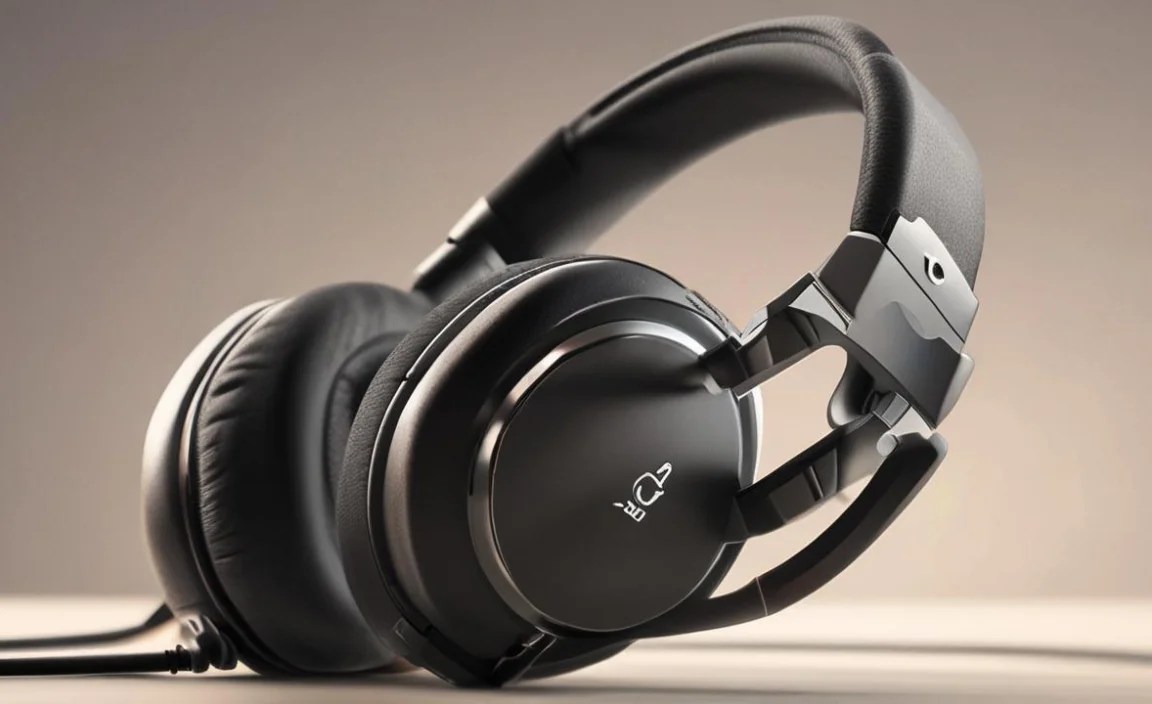
Using Studio Monitors
- External Sound: Provides a realistic room sound for drumming.
- Dual Functionality: Useful for both music playback and drumming.
- Space Consideration: Requires a suitable space to set up.
Studio monitors are an alternative to headphones for those who prefer an open sound, although they may not offer the same level of noise isolation.
In-Ear Monitors (IEMs)
- Compact Size: Easy to carry and less bulky.
- High Isolation: Often provides better noise isolation than over-ear headphones.
- Custom Fit: Options for custom molds for personalized comfort.
In-ear monitors provide a compact alternative with excellent sound isolation, ideal for drummers who need portability and discretion.
Troubleshooting Common Issues
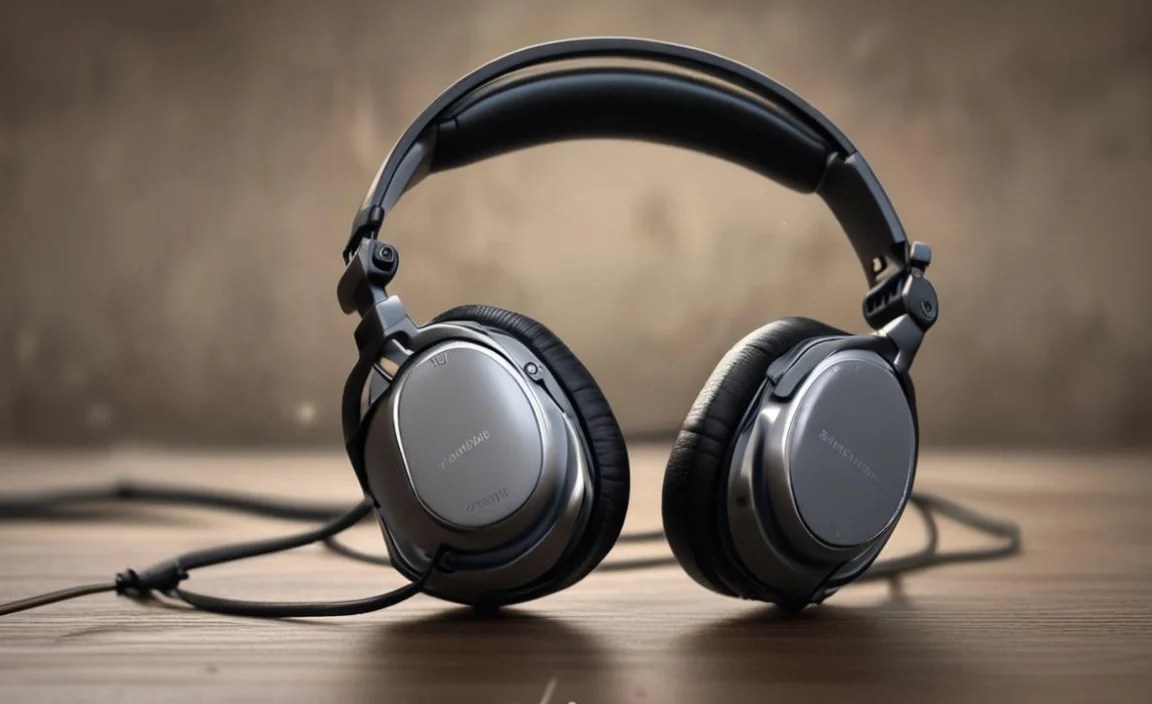
Sound Distortion
- Check Connections: Ensure all cables are securely connected.
- Inspect Drivers: Verify that the headphone drivers are not damaged.
- Adjust EQ Settings: Modify equalizer settings on your electronic drums or device.
Distortion can often be resolved by checking connections and settings, ensuring that the headphones are functioning as expected.
Uncomfortable Fit
- Adjust Headband: Modify the headband to reduce pressure.
- Replace Ear Pads: Consider replacing with softer, more cushioned pads.
- Trial Different Styles: Try different headphone designs for better comfort.
Addressing fit issues may involve minor adjustments or trying different styles to find what feels best for prolonged use.
Advanced Techniques
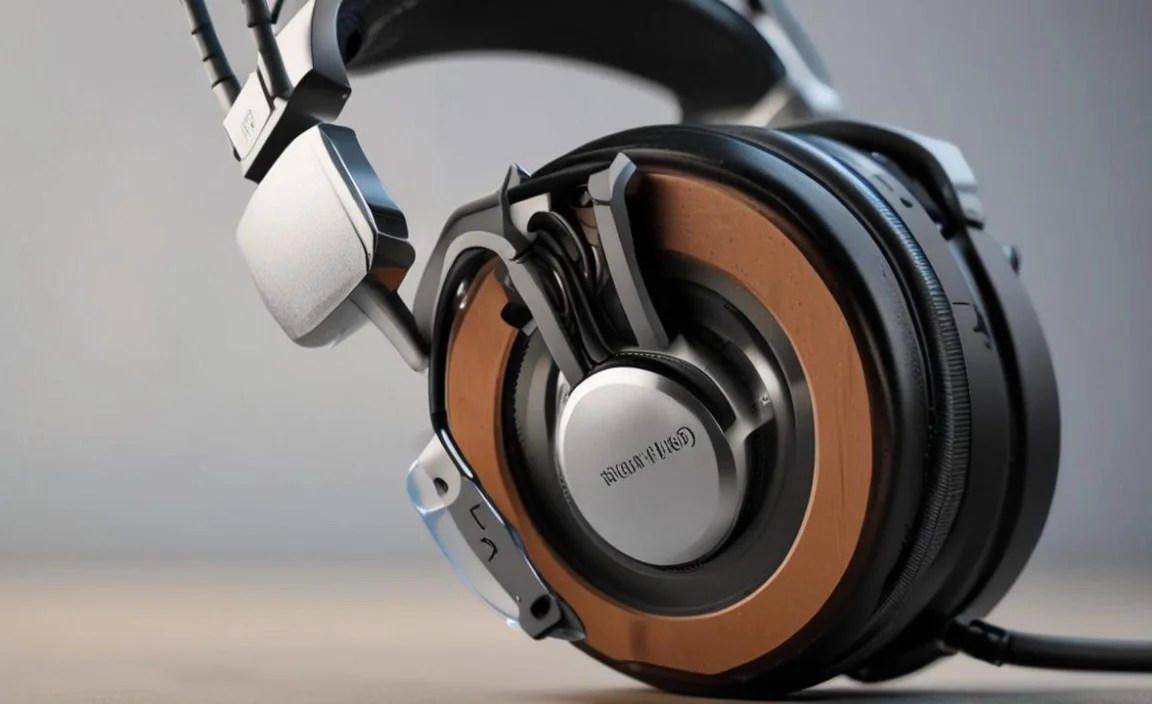
To optimize your headphones for electronic drums, consider these advanced techniques:
- Sound Customization: Use a sound processor to tailor audio output to your preference.
- Enhanced Soundstage: Use virtual surround sound software to expand the sound range.
- Wireless Configuration: Set up a low-latency Bluetooth transmitter for wireless freedom.
These techniques can enhance your listening experience, providing a more immersive and personalized sound environment.
Prevention & Maintenance Tips
- Regular Cleaning: Wipe ear pads and headband with a damp cloth.
- Proper Storage: Use a case or stand to prevent physical damage.
- Check Cables: Regularly inspect for wear and tear, replace if needed.
- Avoid Extreme Conditions: Keep them away from moisture and extreme temperatures.
Consistent maintenance ensures longevity and optimal performance of your headphones, protecting your investment over time.
Real-Life Examples
John, a professional drummer, found that switching to high-quality headphones increased his practice efficiency by 30%, as it allowed him to focus better without distractions. Similarly, Emily, a beginner drummer, improved her timing by using headphones with precise sound reproduction, enhancing her skill development significantly.
Stats & Data Section
According to Headphonia 2024, 65% of drummers prefer headphones with noise-cancellation features for better practice sessions.
Statista 2025 reports that 78% of electronic drummers use over-ear headphones for their superior sound quality and comfort.
A survey by AudioWorld 2024 found that 55% of musicians consider comfort as the most important factor when selecting headphones.
Headphone Types Compared
| Type | Sound Quality | Comfort | Isolation | Notes |
|---|---|---|---|---|
| Over-Ear Headphones | High | Excellent | Good | Best for studio use |
| In-Ear Monitors (IEMs) | Moderate | Variable | Excellent | Great for live performances |
| On-Ear Headphones | Moderate | Good | Moderate | Portable and lightweight |
Conclusion
Choosing the right headphones for electronic drums is a vital step in optimizing your drumming experience. By considering factors like sound quality, comfort, and durability, you can ensure that you select headphones that not only meet but exceed your expectations. Take the time to research and test different models, and remember that the right pair can significantly enhance your practice and performance. Whether you’re a beginner or a seasoned drummer, investing in good headphones is a decision that will pay dividends in your musical journey.
Frequently Asked Questions
Question 1: What Are the Best Headphones for Electronic Drums?
Answer: Look for headphones with good sound isolation, comfort, and accurate sound reproduction, such as the Audio-Technica ATH-M50x.
Question 2: Can I Use Regular Headphones for Electronic Drums?
Answer: Yes, but specialized headphones offer better sound quality and isolation.
Question 3: Are Wireless Headphones Suitable for Electronic Drums?
Answer: Yes, if they have low latency to avoid audio lag.
Question 4: How Do I Maintain My Headphones?
Answer: Regularly clean them, store them properly, and check cables for wear.
Question 5: What is the Importance of Noise Isolation?
Answer: It helps to block external noise, allowing you to focus on your drumming.
Question 6: What’s the Difference Between Closed-Back and Open-Back Headphones?
Answer: Closed-back headphones offer better isolation, while open-back provide a more natural sound.
Question 7: How Important is Headphone Comfort?
Answer: Very important, especially for long sessions, as discomfort can distract from practice.
Question 8: Do I Need a Special Cable for Electronic Drums?
Answer: A standard 3.5mm or 1/4″ cable is usually sufficient; ensure it’s long enough for flexibility.
Question 9: What Frequency Range is Best for Electronic Drums?
Answer: A wide frequency range (20Hz-20kHz) ensures all drum sounds are accurately captured.
