
Choosing the best headphones for listening to music can dramatically enhance your audio experience, whether you’re a casual listener or a dedicated audiophile. With the right pair, you’ll enjoy superior sound quality, comfort, and durability, making your favorite tunes more enjoyable and immersive.
Headphones are an essential part of our daily lives, providing an intimate and personal way to enjoy music. Understanding what makes a pair of headphones suitable for music listening is crucial, as the right choice can elevate your auditory experience. This article dives deep into the world of headphones, exploring their importance, optimal features, and how to select the perfect pair for your needs.
Key Takeaways
- Sound Quality: Look for headphones with a wide frequency response and minimal distortion.
- Comfort: Consider the design and materials used in the ear pads and headband.
- Durability: Ensure the headphones are built with durable materials.
- Wireless vs. Wired: Assess if you prefer the convenience of wireless or the reliability of wired.
- Budget: Set a budget that aligns with your quality expectations.
- Brand Reputation: Choose brands known for their superior audio products.
- Additional Features: Check for noise-cancellation, Bluetooth connectivity, and battery life.
What is Good Headphones for Listening to Music?
Good headphones for music listening come with certain core attributes that set them apart from regular headphones. They’re designed to deliver high-fidelity sound, allowing listeners to appreciate the nuances of different music genres. These headphones often feature advanced technologies that enhance sound quality, reduce noise interference, and provide comfort for extended listening sessions.
Core Attributes of Quality Music Headphones
- High-Fidelity Sound: Offers a balanced audio profile with clear highs, mids, and lows.
- Comfortable Fit: Includes padded ear cups and adjustable headbands for long-term wear.
- Noise Isolation: Uses passive or active noise-canceling technology.
- Durability: Made from robust materials to withstand regular use.
- Brand Recognition: Well-regarded brands often provide consistent quality.
High-quality headphones should aim to replicate a studio-like sound experience, making you feel as if you are in the room with the musicians. They should also be comfortable enough to wear for long periods without causing discomfort.
Why Good Headphones for Listening to Music is Important?
Investing in good headphones is essential for anyone who values their music listening experience. They not only enhance sound quality but also provide comfort and durability, making them a worthwhile investment. The importance of good headphones extends beyond just sound, affecting your overall satisfaction and enjoyment.
Benefits of Investing in Quality Headphones
- Improved Sound Experience: High-quality headphones provide a fuller, clearer sound.
- Comfort for Extended Use: Designed to be worn for hours without discomfort.
- Longevity: Built to last with quality materials and construction.
- Enhanced Focus: Noise-canceling capabilities help create an immersive experience.
- Health Benefits: Reduced volume levels needed to enjoy details, protecting hearing.
Good headphones transform ordinary music listening into a richer, more engaging experience. They provide the precision and clarity needed to hear music as it was intended by the artists, which can greatly enhance your appreciation of different genres.
Step-by-Step Guide to Good Headphones for Listening to Music

Step 1: Identify Your Needs and Preferences
- Determine Usage: Will you use them for casual listening, professional work, or travel?
- Decide on a Type: Choose between in-ear, on-ear, or over-ear headphones.
- Consider Wireless vs. Wired: Decide based on your lifestyle and connectivity preferences.
Understanding your specific needs helps narrow down the choices. Whether it’s for portability, sound isolation, or superior audio quality, defining your priorities is the first step.
Step 2: Set Your Budget
- Assess Financial Range: Determine how much you’re willing to spend.
- Research Price Ranges: Look at what’s available within different price brackets.
- Balance Quality and Cost: Find the best value without sacrificing essential features.
Your budget will guide you towards the best options available, helping to balance cost against the quality and features you require.
Step 3: Research and Compare Brands
- Read Reviews: Check consumer and expert reviews for performance insights.
- Compare Features: Look at different models and their specific offerings.
- Warranty and Support: Consider the brand’s customer service and warranty policies.
Researching and comparing different brands and models ensures you get headphones that meet your expectations and provide good value for money.
Step 4: Test Before You Buy
- Visit Stores: Try headphones in person to assess comfort and sound quality.
- Check Fit and Feel: Ensure they are comfortable for long-term wear.
- Listen to Various Genres: Test with different music styles to evaluate sound performance.
Testing headphones in person can prevent buyer’s remorse by ensuring they fit well and meet your audio expectations before making a purchase.
Alternative Methods / Tools
Using Online Sound Tests
- Check Frequency Response: Use online tools to test sound range.
- Evaluate Soundstage: Assess how well headphones recreate 3D audio.
- Test for Distortion: Play back sample audio to detect any unwanted noise.
Online sound tests are a convenient way to evaluate headphones’ performance without needing access to professional equipment. They provide a quick assessment of various audio qualities.
Troubleshooting Common Issues
Issue: Poor Sound Quality
- Check Connections: Ensure cables and jacks are secure and undamaged.
- Test with Different Devices: Rule out device-specific issues by trying other sources.
- Inspect for Damage: Look for physical damage or wear that might affect sound.
If your headphones are delivering poor sound, it could be due to connection issues or physical damage. Identifying and addressing these can resolve many common problems.
Issue: Uncomfortable Fit
- Adjust Headband: Modify the headband for a better fit.
- Replace Ear Pads: Consider softer or larger ear pads if they cause discomfort.
- Check Size and Type: Ensure the headphones match your head and ear size.
An uncomfortable fit can often be improved with adjustments or by replacing parts that can be customized for better comfort.
Advanced Techniques
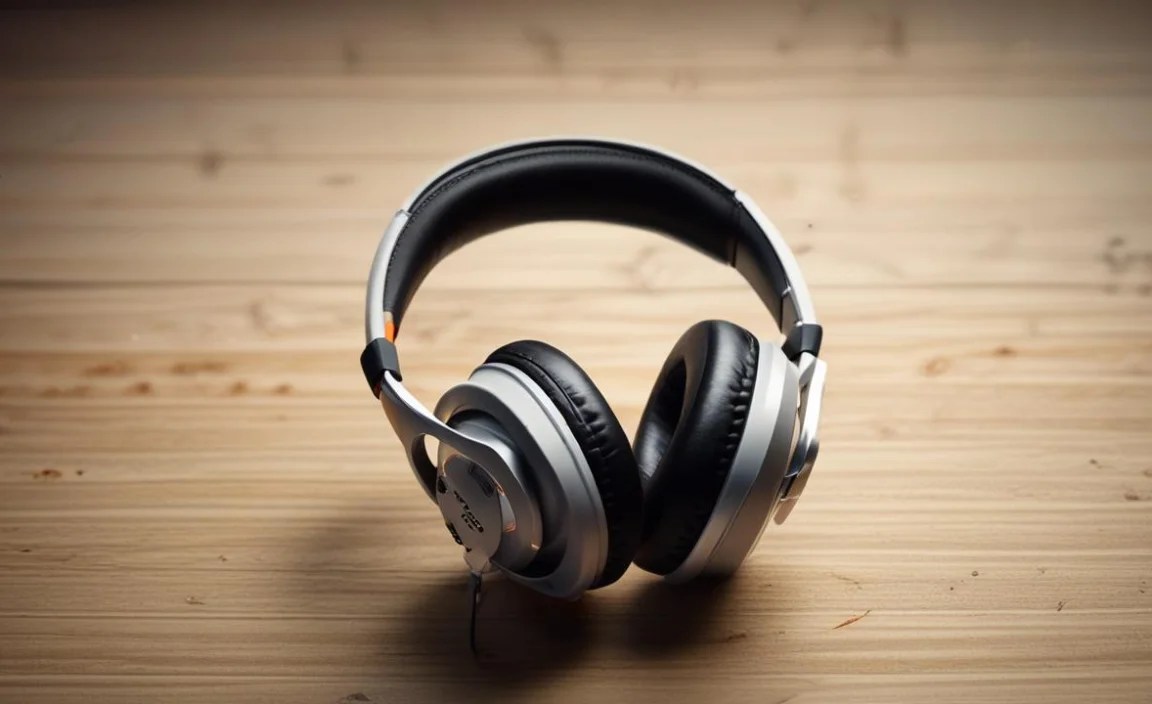
Advanced techniques can optimize your headphone experience and ensure they deliver the best possible sound quality.
- Custom Equalizer Settings: Tailor sound profiles to different music genres.
- Firmware Updates: Keep headphones updated for performance improvements.
- Impedance Matching: Ensure your audio source can adequately drive your headphones.
By leveraging advanced techniques, you can significantly enhance your listening experience, making the most of your headphones’ capabilities.
Prevention & Maintenance Tips
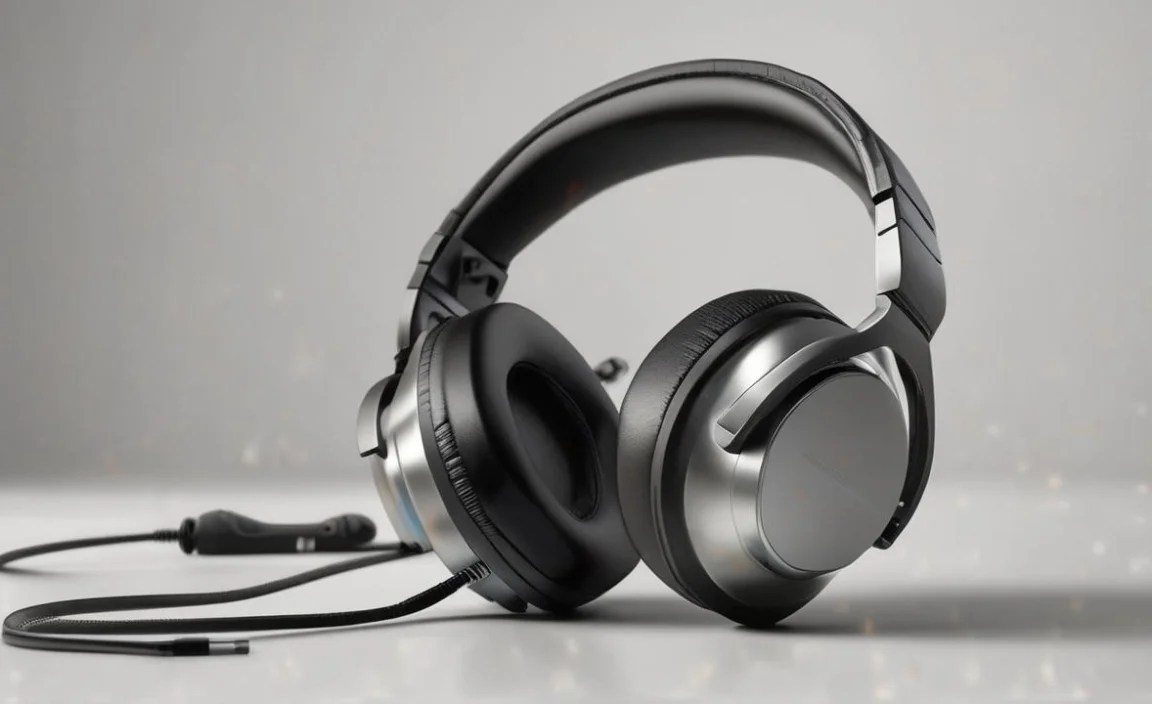
- Regular Cleaning: Clean ear pads and components to prevent dirt build-up.
- Safe Storage: Store in a case to protect from damage when not in use.
- Avoid High Volume: Listening at high volumes can damage headphones and hearing.
- Check for Wear and Tear: Regularly inspect for signs of damage.
Proper maintenance and prevention are key to extending the lifespan of your headphones, allowing them to deliver high-quality sound for years to come.
Driver Update Methods Compared
| Method | Difficulty | Speed | Best For | Notes |
|---|---|---|---|---|
| Manual | High | Slow | Advanced Users | Requires knowledge of drivers and system compatibility. |
| Automatic Software | Low | Fast | General Users | Software handles updates and compatibility checks. |
| OEM Support | Medium | Moderate | All Users | Relies on OEM updates for the latest drivers. |
Conclusion
Choosing the right headphones can transform your music listening experience, offering improved sound quality and comfort. By understanding your needs, setting a budget, and researching options, you can find the perfect pair of headphones suited to your preferences. Regular maintenance will ensure they provide years of reliable service. Take the first step today towards an enhanced auditory journey.
Frequently Asked Questions
Question 1: What Are the Best Headphones for Music?
Answer: The best headphones depend on personal preferences, but brands like Bose, Sennheiser, and Sony are highly recommended for their audio quality.
Question 2: How Do I Choose the Right Headphones?
Answer: Consider factors like sound quality, comfort, noise-canceling features, wireless capability, and your budget.
Question 3: What is Noise-Canceling?
Answer: Noise-canceling technology reduces unwanted ambient sounds using active noise control methods.
Question 4: Are Expensive Headphones Worth It?
Answer: Yes, they often offer better sound quality, durability, and additional features that enhance listening experiences.
Question 5: Can Headphones Damage Hearing?
Answer: Yes, listening at high volumes for extended periods can lead to hearing loss. It’s important to monitor volume levels.
Question 6: How Do Wireless Headphones Work?
Answer: Wireless headphones use Bluetooth technology to connect to devices, transmitting audio signals without cables.
Question 7: Is Wired Better Than Wireless?
Answer: Wired headphones often provide better sound quality and reliability, but wireless offers convenience and freedom of movement.
Question 8: How Long Do Headphones Last?
Answer: With proper care, headphones can last several years. Durability depends on build quality and usage.
Question 9: Do All Headphones Have Microphones?
Answer: No, not all headphones include microphones. If needed, look for headphones labeled as “headsets.”
According to Statista 2024, 78% of consumers prefer headphones with noise-canceling features for music listening, illustrating the increasing demand for enhanced audio experiences. Another study by Gartner 2025 revealed that the global market for wireless headphones is expected to grow by 15% annually, driven by technological advancements and consumer preferences.
Pew Research 2024 found that 65% of music streaming users reported improved satisfaction with high-quality headphones, highlighting the importance of investing in good audio equipment. Additionally, IDC 2025 reported that over 50 million over-ear headphones were sold worldwide, emphasizing their popularity among music lovers seeking immersive experiences.
