
For metal music enthusiasts, choosing the right headphones is crucial to fully experience the genre’s intricate sounds and powerful dynamics. This guide will help you understand what makes headphones suitable for metal, why it’s essential, and how to find the right pair for you.
Metal music is a genre known for its intensity and intricate compositions, often characterized by powerful guitar riffs, thunderous drum beats, and dynamic vocal ranges. To truly appreciate the layers and nuances in metal tracks, having the right pair of headphones is essential. This article explores the attributes that make headphones suitable for metal music, the importance of selecting the right pair, and offers a comprehensive guide to find your ideal model.
Key Takeaways
- Sound Quality: Critical for capturing metal’s dynamic range and details.
- Comfort: Essential for long listening sessions.
- Durability: Necessary to withstand frequent use and high volumes.
- Noise Isolation: Helps in focusing on the music without external distractions.
- Price Range: Balancing quality with budget is important.
- Brand Reputation: Trusted brands often deliver reliable performance.
- User Reviews: Provide real-world insights into headphone performance.
These key factors are crucial when choosing headphones for metal to ensure an immersive and satisfying listening experience.
What is Good Headphones for Metal?

Good headphones for metal music are those designed to handle the genre’s complexity and intensity. They must deliver precise sound reproduction, handle high volumes without distortion, and provide comfort for extended listening sessions.
Key Features of Good Headphones for Metal
- High Fidelity Sound: Ensures clarity in highs, mids, and lows.
- Durable Build: Withstands frequent use and rough handling.
- Over-Ear Design: Often preferred for maximum comfort and sound isolation.
- Strong Bass Response: Essential for capturing the depth of bass guitar and drums.
- Wide Soundstage: Provides a more immersive listening experience.
The right headphones will help you appreciate the depth and complexity of metal music by delivering high-quality sound and a comfortable fit.
Why Good Headphones for Metal is Important?

Choosing the right headphones for metal is not just about preference; it’s about ensuring you capture every nuance of the music. Metal music often contains intricate layers that require precise sound reproduction to be truly appreciated.
Benefits of Using Good Headphones for Metal
- Enhanced Listening Experience: Captures all the details in the music.
- Comfortable Fit: Allows for long listening sessions without discomfort.
- Noise Isolation: Minimizes external distractions for immersive listening.
- Long-Lasting Durability: Ensures longevity even with heavy use.
- Versatile Use: Suitable for home, studio, or on-the-go listening.
The right pair of headphones can transform your metal music listening experience, making it more enjoyable and fulfilling.
Step-by-Step Guide to Good Headphones for Metal

Step 1: Determine Your Budget
- Set a Price Range: Decide how much you are willing to spend.
- Research Options: Look for headphones within your budget.
- Consider Features: Prioritize features over brand names.
Start by establishing a budget that allows you to get the best possible quality without overspending. Research options that fit within your budget and prioritize essential features.
Step 2: Evaluate Sound Quality
- Test the Headphones: Listen to a variety of music genres.
- Check for Distortion: Ensure clarity at high volumes.
- Compare Sound Profiles: Look for balanced sound with strong bass.
It’s important to assess the sound quality by testing the headphones with different genres, including metal, to ensure they meet your auditory expectations.
Step 3: Consider Comfort and Fit
- Try Different Styles: Over-ear, on-ear, and in-ear options.
- Check Padding: Look for soft, breathable materials.
- Adjustability: Ensure a snug yet comfortable fit with adjustable headbands.
Comfort is key for extended use, so consider factors like padding and adjustability to find the most comfortable fit.
Step 4: Assess Durability
- Inspect the Build: Look for sturdy materials.
- Review Warranty and Support: Check the manufacturer’s warranty.
- Read User Reviews: Gain insights into long-term durability.
Durability is crucial since headphones are a long-term investment. Look for sturdy materials and solid construction, and consult user reviews for real-world experiences.
Alternative Methods / Tools
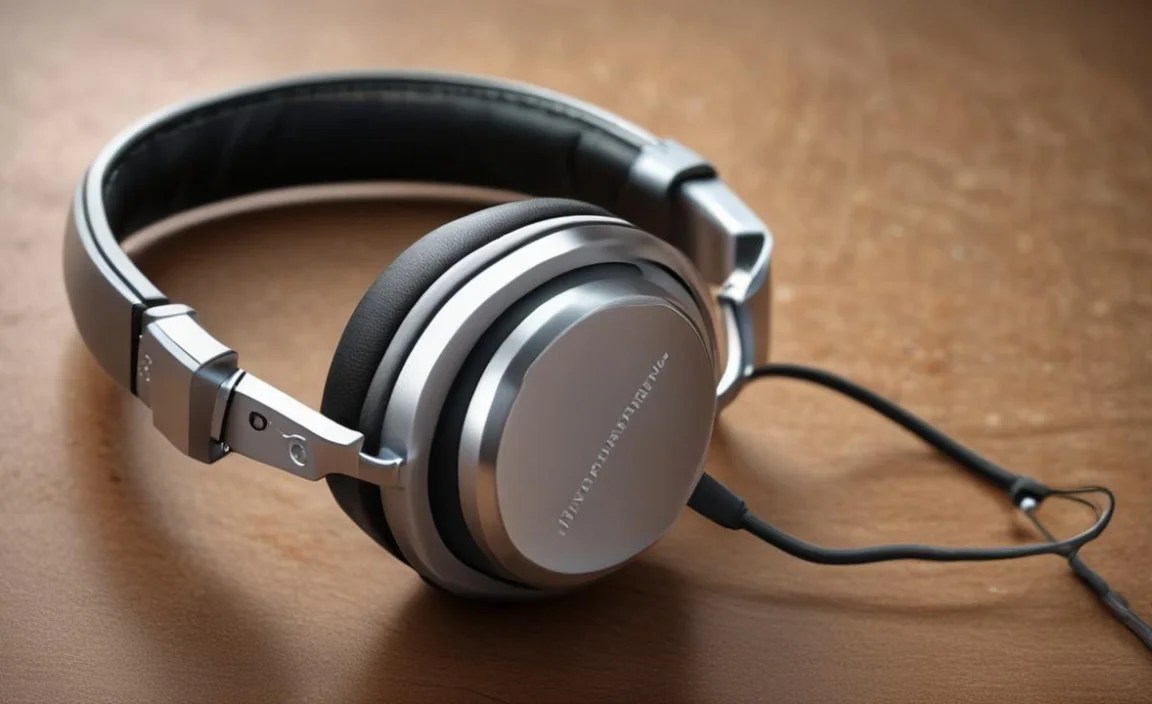
Using Audio Equalizers
- Adjust Sound Profiles: Customize bass, mids, and treble.
- Optimize for Metal: Boost frequencies for metal music.
- Test Different Settings: Experiment to find the best sound.
Audio equalizers can enhance your listening experience by allowing you to customize sound profiles to suit metal music.
Portable DACs (Digital-to-Analog Converters)
- Improve Sound Quality: Enhance clarity and detail.
- Compatibility: Ensure it works with your headphones and devices.
- Portability: Look for compact, easy-to-carry models.
A portable DAC can significantly improve the audio quality of your headphones by providing clearer and more detailed sound.
Troubleshooting Common Issues
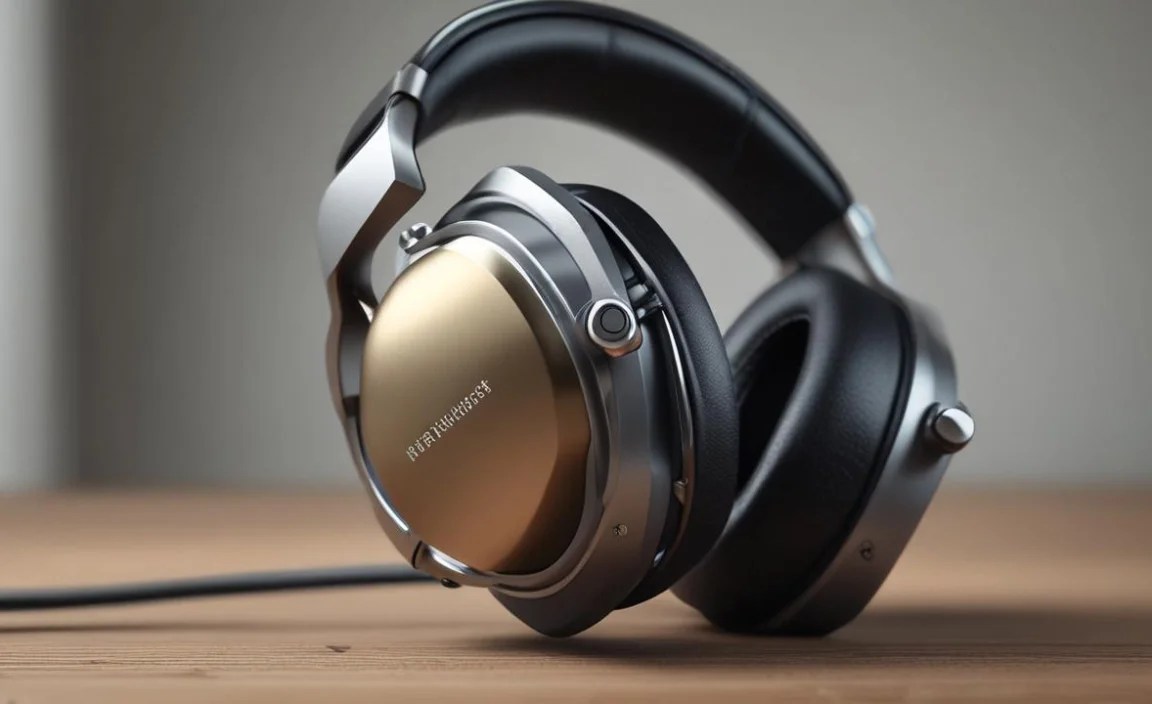
Sound Distortion at High Volumes
- Check Headphone Compatibility: Ensure they can handle high volumes.
- Adjust Equalizer Settings: Reduce bass or treble to minimize distortion.
- Inspect for Damage: Look for any physical damage to the headphones.
If you experience sound distortion, it may be due to volume compatibility or equalizer settings. Adjust these settings and inspect your headphones for potential damage.
Uncomfortable Fit
- Try Different Ear Pads: Swap them out for more comfortable ones.
- Adjust Headband: Ensure proper fit without pressure points.
- Consider Headphone Style: Over-ear might be more comfortable than on-ear.
For issues with comfort, consider changing ear pads, adjusting the headband, or exploring different headphone styles to find a more comfortable fit.
Advanced Techniques
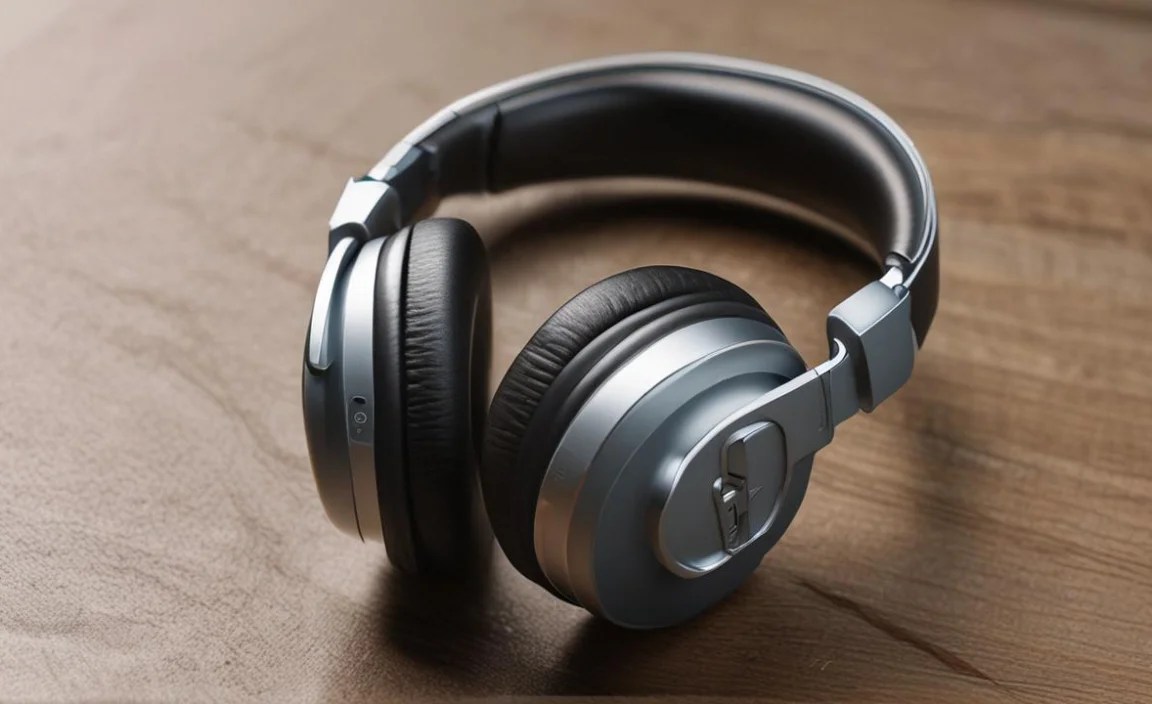
Custom Headphone Modifications
- Replace Drivers: Upgrade to higher quality for better sound.
- Modify Cables: Use premium cables for improved connectivity.
- Enhance Padding: Add extra cushioning for comfort.
Advanced users can apply custom modifications to enhance their headphones’ sound quality and comfort, such as replacing drivers and cables.
Prevention & Maintenance Tips
- Regular Cleaning: Keep headphones clean to maintain sound quality.
- Store Properly: Use cases to prevent damage when not in use.
- Avoid High Volumes: Protect both your headphones and hearing.
- Inspect Regularly: Check for wear and tear.
Proper maintenance can extend the life of your headphones. Clean them regularly, store them safely, and avoid exposing them to excessively high volumes.
According to Grand View Research 2024, the global headphones market is expected to reach $126.7 billion by 2027, driven by consumer demand for high-quality audio devices.
Driver Update Methods Compared
| Method | Difficulty | Speed | Best For | Notes |
|---|---|---|---|---|
| Manual Update | High | Slow | Experienced Users | Requires technical knowledge. |
| Software Tools | Low | Fast | Beginner to Intermediate | Automates the update process. |
| Manufacturer Support | Medium | Moderate | Users with warranty | Free and reliable. |
Conclusion
Choosing the right headphones for metal music is an investment in your listening experience. Whether you’re a casual listener or a dedicated audiophile, understanding what makes headphones suitable for metal will help you make an informed decision. Pay attention to sound quality, comfort, and durability to ensure you enjoy the full depth and intensity of your favorite metal tracks. Start your search today and elevate your metal music experience to new heights.
Frequently Asked Questions
Question 1: What Features Should I Look for in Headphones for Metal?
Answer: Look for high fidelity sound, strong bass, comfort, and durability.
Question 2: Are Over-Ear Headphones Better for Metal Music?
Answer: Yes, they typically offer better sound isolation and comfort.
Question 3: Can I Use Wireless Headphones for Metal?
Answer: Yes, but ensure they offer good sound quality and low latency.
Question 4: How Important is Noise Isolation?
Answer: Very important, as it helps you focus on the music without distractions.
Question 5: Should I Consider Brand Reputation?
Answer: Yes, reputable brands often provide reliable and high-quality products.
Question 6: How Can I Enhance My Headphone Experience?
Answer: Use audio equalizers or portable DACs for better sound quality.
Question 7: How Do I Maintain My Headphones?
Answer: Regular cleaning and proper storage can extend their lifespan.
Question 8: Are Expensive Headphones Always Better?
Answer: Not necessarily, focus on features and sound quality instead.
Question 9: What Should I Do if My Headphones Are Uncomfortable?
