
Quick Summary: Choosing the right “good headphones for home studio” means prioritizing accuracy and comfort for mixing, tracking, and critical listening. Look for open-back for natural soundstage, closed-back for isolation, and ensure both are comfortable for long sessions. This guide helps beginners navigate essential features and make smart choices for their creative space.
Good Headphones For Home Studio: Essential Gear for Every Creator

Welcome to the exciting world of home studio production! If you’re just starting out, you might be wondering what gear is truly essential. While a great microphone and a powerful computer are crucial, one piece of equipment often overlooked is a solid pair of headphones. But not just any headphones will do.
For mixing, tracking, and getting a true sense of your sound, you need headphones designed specifically for studio use. These aren’t your everyday earbuds or flashy gaming cans. They’re precision tools that help you hear every detail, make informed decisions, and ultimately, create better music. Let’s dive into what makes a pair of headphones “good” for your home studio and how to pick the perfect set for your needs.
Why Studio Headphones Are Different
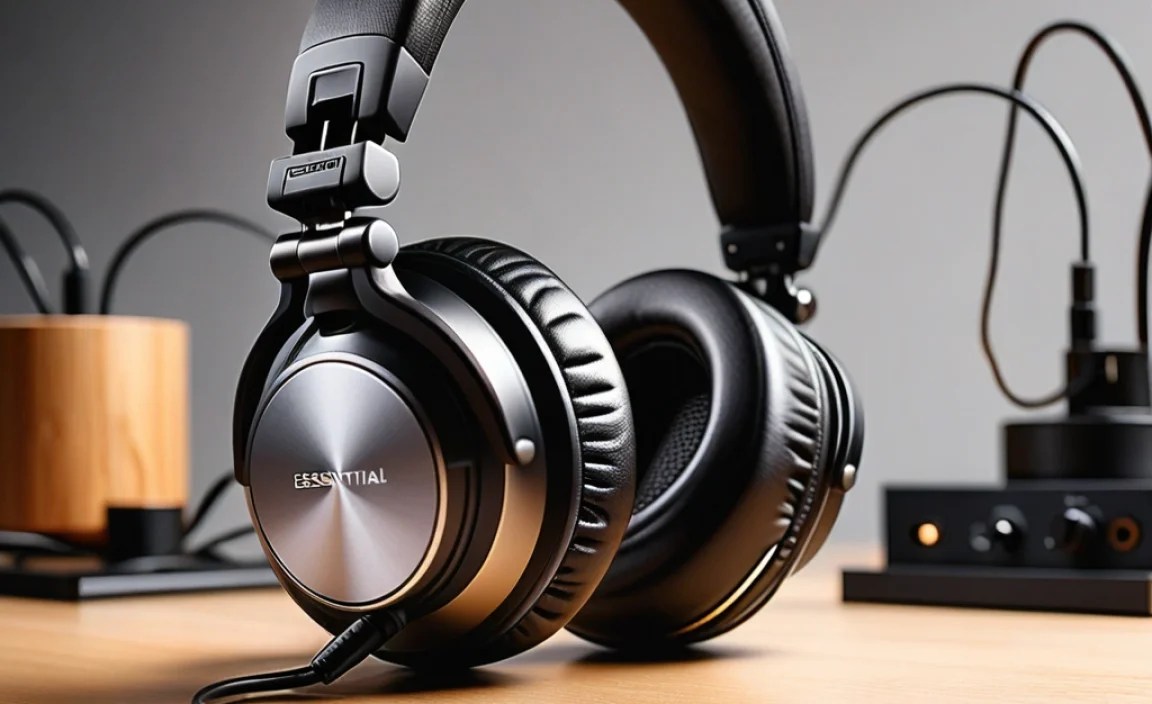
You might be thinking, “Can’t I just use my favorite pair of headphones for studio work?” The short answer is, probably not if you want the best results. Regular consumer headphones are often “colored” – meaning they boost certain frequencies (like bass or treble) to make music sound more exciting for casual listening. While this is fun at a party, it can be misleading in a studio. Studio headphones aim for a neutral, flat frequency response. This means they reproduce the sound as accurately as possible, without trying to flatter it. This accuracy is vital for:
- Accurate Mixing: You need to hear exactly what’s in your track to make EQ, compression, and balance decisions that will translate well across different playback systems (like car stereos, earbuds, or club PAs).
- Precise Tracking: When recording vocals or instruments, you need to hear yourself and the backing track clearly without the headphones bleeding sound into the microphone.
- Critical Listening: Identifying subtle nuances, reverb tails, or problematic frequencies in your audio requires uncolored, detailed sound reproduction.
Types of Studio Headphones: Open-Back vs. Closed-Back

This is the first major decision you’ll face when looking for “good headphones for home studio” use. Each type has distinct advantages and disadvantages:
Open-Back Headphones
These headphones have earcups that are vented or perforated, allowing air and sound to pass through. This design mimics the natural way we hear sound in an open environment.
Pros:
- Natural Soundstage: They create a wider, more open, and immersive listening experience. You can often distinguish the position of instruments in the stereo field more easily.
- Less Ear Fatigue: The open design prevents pressure buildup, making them more comfortable for long listening sessions.
- More Accurate for Mixing: The natural sound reproduction can lead to more objective mixing decisions.
Cons:
- Sound Leakage: They leak sound significantly. People around you will hear what you’re listening to, and external noises will easily enter.
- Not for Tracking: The sound leakage can be picked up by microphones during recording, creating unwanted bleed in your takes.
- Limited Bass Response (Sometimes): While generally accurate, some open-back models might not provide the same visceral punch as a well-designed bass port on consumer headphones.
When to use them: Ideal for mixing, mastering, critical listening, and any task where you’re not recording at the same time and need isolation from yourself to avoid feedback loops.
Closed-Back Headphones
As the name suggests, these headphones have sealed earcups. This design effectively isolates the listener from external noise and prevents sound from leaking out.
Pros:
- Excellent Isolation: They block out ambient noise, allowing you to focus on your audio.
- Minimal Sound Leakage: They are perfect for recording sessions as they prevent headphone sound from bleeding into your microphones.
- Often More Bass Impact: The sealed design can create a more pronounced bass response, though this can sometimes be exaggerated.
Cons:
- Less Natural Soundstage: Sound can feel more “in your head” and less spacious compared to open-back models.
- Can Cause Ear Fatigue: The sealed nature can sometimes lead to a feeling of pressure or warmth around the ears after extended wear.
- Potential for “Hifi” Sound: Some closed-back headphones might still have a slightly hyped frequency response, so it’s crucial to find models known for their neutrality.
When to use them: Essential for tracking (recording), monitoring in noisy environments, or when you need to focus without distractions. They can also be useful for initial mixing if your environment isn’t acoustically treated.
Key Features to Look For in Studio Headphones

Beyond the open vs. closed-back debate, several other factors contribute to headphones being “good” for a home studio:
1. Frequency Response
This refers to the range of frequencies (bass, mids, treble) that the headphones can reproduce and how evenly they do so. For studio work, you want a relatively flat frequency response, typically starting from 20 Hz (lowest audible bass) to 20 kHz (highest audible treble). Manufacturers often list this range. A wider range is generally good, but the evenness within that range is more important.
According to the National Information Standards Organization (NISO), understanding frequency response is critical for accurate audio reproduction.
2. Impedance (Ohms)
Impedance is a measure of electrical resistance. It’s often expressed in Ohms (Ω). Headphones with lower impedance (e.g., 32-80 Ohms) are easier to drive and can be used directly with most computers, audio interfaces, and mobile devices. Headphones with higher impedance (e.g., 250 Ohms or more) often require a dedicated headphone amplifier to achieve sufficient volume and optimal sound quality. For beginners, lower to medium impedance (around 80-150 Ohms) is usually a safe bet for versatility.
3. Sensitivity (dB/mW or dB/V)
Sensitivity tells you how loud the headphones can get for a given amount of power. Higher sensitivity means they’ll play louder with less power. While important, it’s often a secondary consideration after impedance and frequency response for studio use, as you’ll typically be using them with a dedicated audio interface or amplifier.
4. Comfort and Fit
You’ll likely be wearing these for hours at a time. Look for:
- Earcup Material: Velour or soft leatherette is often more comfortable than hard plastic.
- Clamping Force: The pressure the headband exerts. Too much will cause headaches; too little will make them slip.
- Weight: Lighter is generally better for long sessions.
- Adjustability: Ensure the headband adjusts sufficiently for your head size.
5. Durability and Build Quality
Studio headphones are tools, and they should be built to last. Look for sturdy construction, reliable cables (preferably detachable and replaceable), and good reviews regarding their longevity.
Popular “Good Headphones for Home Studio” Recommendations for Beginners
Here are a few tried-and-true options that consistently receive high marks from home studio enthusiasts and professionals alike. They offer a great balance of accuracy, comfort, and value.
When searching for “good headphones for home studio” on a budget, focusing on reputable brands is a smart move. These models are often recommended because they provide excellent performance for their price point.
Recommended Open-Back Headphones:
Audio-Technica ATH-M50x (Often considered semi-open or can be modified to be more open, but excellent all-arounder) – Though often categorized as closed-back, the ATH-M50x is so popular for its balanced sound and comfort that it warrants mention. However, for a true open-back experience:
Sennheiser HD 599: These are fantastic entry-level open-back headphones. They offer a wide, natural soundstage and are incredibly comfortable, making them perfect for long mixing or critical listening sessions. Their detailed response allows you to hear nuances in your audio without fatigue.
AKG K240 Studio: A legendary choice favored by many for decades. The K240s offer a semi-open design that strikes a good balance between spaciousness and some isolation. They are incredibly affordable and provide a surprisingly accurate representation of your mix, especially in the mid-range where vocals and instruments often sit.
Recommended Closed-Back Headphones:
Audio-Technica ATH-M50x: As mentioned, these are industry workhorses. They offer a detailed sound profile with a bit of a “fun” bump in the bass frequencies, making them enjoyable for everyday listening too. Their robust build and excellent isolation make them ideal for tracking and any situation where you need to block out the world.
Beyerdynamic DT 770 Pro: Available in different impedance versions (32, 80, and 250 Ohms), the DT 770 Pros are incredibly durable and comfortable. They provide excellent isolation and a clear, detailed sound signature that is very revealing. The 80 Ohm version is often the go-to for general studio use as it balances driveability with performance.
Sony MDR-7506: Another classic, these headphones have been a staple in broadcast and studio environments for years. They are known for their crisp, bright sound that excels at revealing harsh frequencies, making them great for spotting problems. They are also very durable, though some find them a bit less comfortable for very long wear compared to others.
Here’s a quick comparison of some popular choices:
| Headphone Model | Type | Pros | Cons | Ideal For |
|---|---|---|---|---|
| Sennheiser HD 599 | Open-Back | Natural soundstage, excellent comfort, detailed highs | Sound leakage, not for tracking | Mixing, critical listening, casual listening |
| AKG K240 Studio | Semi-Open | Affordable, good for mid-range detail, comfortable | Bass can be less impactful, some bleed | Beginner tracking, mixing, general studio use |
| Audio-Technica ATH-M50x | Closed-Back | Versatile, balanced sound with nice bass, durable, good isolation | Can be slightly fatiguing for some, soundstage isn’t huge | Tracking, mixing, mobile production |
| Beyerdynamic DT 770 Pro (80 Ohm) | Closed-Back | Excellent isolation, durable, clear and revealing sound, comfortable | Closed soundstage for some, can be very revealing (bright) | Tracking, mixing in noisy environments |
| Sony MDR-7506 | Closed-Back | Crisp and bright sound, industry standard, very durable | May sound thin for some, can be fatiguing for long sessions | Tracking, critical detail spotting |
How to Connect Your Studio Headphones
Connecting your headphones is usually straightforward. Most studio headphones have a standard 1/4-inch (6.35mm) connector. Many consumer devices and some smaller audio interfaces might only have a 3.5mm (1/8-inch) jack. Therefore, it’s good to have an adapter on hand.
- Identify Your Output: Most home studios will use an audio interface. Look for the “Headphone Out” or “Phones” jack on your interface. This is usually a 1/4-inch jack.
- Connect the Cable: Plug the 1/4-inch connector of your headphones directly into the headphone jack on your audio interface.
- Use an Adapter if Needed: If your headphones have a 1/4-inch plug and your device only has a 3.5mm jack (like some laptops or smaller mixers), use a 1/4-inch to 3.5mm adapter.
- Adjust Volume: Turn the headphone volume knob on your interface up slowly until you reach a comfortable and safe listening level.
Important Note on Volume: Always start with the volume low and gradually increase it. Prolonged exposure to loud volumes can cause permanent hearing damage. The National Institute on Deafness and Other Communication Disorders (NIDCD) offers important information on preventing noise-induced hearing loss.
When Do You Need a Headphone Amplifier?
As mentioned earlier, impedance plays a role here. If you have high-impedance headphones (typically 250 Ohms or higher), your audio interface might not be able to power them sufficiently. This means they might sound too quiet, or lack the dynamic range and clarity they’re capable of. In such cases, a dedicated headphone amplifier is recommended.
A headphone amplifier takes the line-level audio signal from your interface and boosts it to power higher-impedance headphones effectively. This ensures you get the best possible sound quality from your headphones, along with enough volume.
For beginners using headphones with impedance under 150 Ohms, a dedicated amplifier is usually not necessary, as most decent audio interfaces can handle them well. But if you’re investing in higher-end headphones, an amp is worth considering down the line.
Maintaining Your Studio Headphones
Your studio headphones are an investment, and a little care goes a long way:
- Storage: When not in use, store them carefully. A headphone stand is ideal to prevent damage to the earcups or headband. Cables should be wound loosely – avoid tight coiling that can stress the wires.
- Cable Care: Detachable cables are a lifesaver. If your cable shows signs of wear, you can usually replace it. Always unplug from the device, not by pulling directly on the cable itself.
- Cleaning: Earpads can get dirty. For velour pads, a gentle brush might suffice. For leatherette, a slightly damp cloth (water only, no harsh chemicals) can be used. Always ensure they are fully dry before wearing. Some earpads are replaceable, which is great for hygiene and refreshing your headphones.
- Avoid Moisture: Don’t expose your headphones to excessive sweat or moisture. If they get damp, allow them to air dry completely.
Frequently Asked Questions (FAQ)
Q1: What’s the biggest difference between studio headphones and regular consumer headphones?
The main difference is accuracy. Studio headphones aim for a flat, uncolored frequency response, meaning they reproduce sound as neutrally as possible. Consumer headphones often boost certain frequencies (like bass) to make music sound more exciting, which can lead to inaccurate mixing decisions.
Q2: Can I use any “good headphones for home studio” for both mixing and tracking?
Ideally, you’d have both open-back for mixing (for their natural soundstage) and closed-back for tracking (for isolation). However, if you can only have one pair as a beginner, a good pair of closed-back headphones are often more versatile because they can be used for both. You just need to be aware that their soundstage might be more limited during mixing.
Q3: How much should I expect to spend on good studio headphones?
You can find excellent entry-level studio headphones for around $70-$150. Mid-range options typically fall between $150-$300, offering improved build quality and more refined sound. High-end professional models can cost $300 and upwards. As a beginner, starting in the $100-$200 range will get you a very capable pair.
Q4: Do I really need a headphone amplifier?
Not always. If your headphones have low to medium impedance (below 150 Ohms) and you’re using them with a decent audio interface, you likely won’t need one. However, if you have high-impedance headphones (250 Ohms or more) or find your current setup sounds too quiet or lacks punch, a headphone amplifier will make a significant difference.
Q5: Can I use my studio headphones for gaming or watching movies?
Yes, you absolutely can! While they’re designed for accuracy, you’ll still get a very clear and detailed audio experience for gaming and movies. You might miss the exaggerated bass or surround sound effects some gaming headsets offer, but the clarity can enhance the experience by revealing subtle sound cues.
