
Quick Summary: Selecting the right headphones for your recording studio is crucial for accurate sound monitoring. This guide helps beginners choose essential studio headphones, focusing on comfort, durability, and flat frequency response for a true, uncolored listening experience. We’ll explore key features and recommend reliable picks to elevate your recording sessions.
Good Headphones for Recording Studio: Essential Picks for Beginners

Hello, fellow audio adventurers! Edward Cavitt here from Headphone Horizon, your friendly guide to all things sound. So, you’re diving into the exciting world of recording? That’s fantastic! Whether you’re laying down your first guitar track, mixing vocals, or just capturing a delicate acoustic set, one piece of gear is absolutely non-negotiable: a good pair of studio headphones. They’re your eyes and ears in the sonic landscape, revealing details you might otherwise miss. But with so many options out there, how do you pick the right ones without feeling overwhelmed? Don’t sweat it! This guide is designed to make choosing your first studio headphones a breeze. We’ll cut through the jargon and focus on what truly matters to get you hearing your music with crystal clarity and making those all-important creative decisions with confidence.
Why Studio Headphones are Different (and Why They Matter)

Before we jump into specific recommendations, let’s quickly touch on why regular consumer headphones aren’t ideal for studio work. Ever noticed how some headphones make bass sound extra thumpy or treble super sparkly? That’s intentional tuning to make music sound “exciting” to the average listener. While fun for casual listening, this coloring is the enemy of accurate monitoring and mixing. You need headphones that present the sound as it truly is, without boosting or cutting certain frequencies. This is called a “flat frequency response.”
Think of it like this: if you’re baking a cake, you need to know the exact measurement of each ingredient, not a recipe that already adds extra sugar or salt. Studio headphones provide those precise measurements of sound. They help you identify unwanted noises, balance levels accurately, and make sure your mix sounds good on any playback system, not just your boosted headphones. For beginners, this means:
- Making better recording decisions (e.g., catching microphone bleed or tuning issues).
- Mixing with more confidence, knowing what you’re actually hearing.
- Producing music that translates well across different speakers and devices.
Key Features to Look For in Studio Headphones

When you’re scouting for your perfect studio companions, keep an eye out for these essential features. They’re the building blocks of a great monitoring experience.
1. Type of Headphones: Open-Back vs. Closed-Back
This is arguably the biggest decision you’ll make. Each type has its own strengths and weaknesses, making them suitable for different tasks in the studio.
Closed-Back Headphones
These headphones have a sealed ear cup design. This is fantastic for isolation.
- Pros: Excellent at preventing sound from leaking out, which is crucial when recording instruments or vocals (so the headphone bleed doesn’t get picked up by your microphone). They also do a good job of blocking external noise, allowing you to focus.
- Cons: The sound can sometimes feel more “in your head” or less spacious due to the isolation. They can also get a bit warm after long sessions.
Open-Back Headphones
As the name suggests, these headphones have vents or grilles on the ear cups, allowing air and sound to pass through.
- Pros: Offer a more natural, spacious, and airy soundstage, often perceived as more “open” and less fatiguing for long mixing sessions. They allow you to better “hear the room” and the relationship between instruments, which is great for mixing and critical listening.
- Cons: They leak sound significantly, meaning the sound will be audible to anyone nearby and your microphone will pick it up. They also offer very little isolation from external noise.
Beginner Tip: For most beginners starting out, a pair of closed-back headphones is usually the most versatile choice. They’ll serve you well for both recording and initial mixing. As you progress, you might want to add a pair of open-back headphones for detailed mixing work.
2. Comfort and Fit
You’ll likely be wearing these for hours on end. Discomfort is distracting and can lead to fatigue, making it harder to focus on your work. Look for:
- Padded Headband: Enough cushioning to distribute weight evenly.
- Deep Ear Cups: Your ears shouldn’t touch the drivers inside, which can be uncomfortable and affect sound.
- Adjustable Fit: Ensure they can comfortably sit on your head.
- Lightweight Design: Less strain over long periods.
- Breathable Ear Pads: Especially important for warmer environments or long sessions.
3. Durability and Build Quality
Studio gear gets moved around, plugged in, and unplugged frequently. You want headphones that can withstand the rigors of daily use. Look for robust materials, reinforced hinges, and a sturdy headband. Detachable cables are also a huge plus, as cables are often the first point of failure.
4. Impedance and Sensitivity (A Quick Peek)
You might see numbers like “32 Ohm,” “80 Ohm,” or “250 Ohm” associated with headphones. This is impedance, a measure of electrical resistance. Higher impedance generally means the headphones need more power to reach a good volume. For most beginners using standard audio interfaces or computers, headphones with impedance between 32 and 80 Ohms are a safe bet. Very high impedance headphones (250 Ohms and above) often require a dedicated headphone amplifier to sound their best, which is usually an investment for later.
Sensitivity tells you how loud the headphones will play for a given amount of power. Higher sensitivity means louder sound for less power. While important, for typical studio use with an interface, focusing on impedance and then overall sound quality will be more practical for beginners.
5. Frequency Response
As mentioned earlier, a “flat” or “neutral” frequency response is key. This means the headphones aim to reproduce all audible frequencies (roughly 20 Hz to 20 kHz) at the same level. You’ll see specifications like “20 Hz – 20 kHz ± 3dB”. A smaller tolerance (like ± 1.5dB) is generally better, indicating a flatter response, but for beginners, anything within a ± 3dB range is usually considered good studio material.
Essential Studio Headphone Picks for Beginners

Now for the exciting part – some fantastic headphones that consistently deliver for new studio enthusiasts. These are workhorses known for their reliability, accuracy, and value.
1. Audio-Technica ATH-M50x
Often hailed as the king of beginner studio headphones, the ATH-M50x are incredibly popular for a reason. They offer a superb balance of clarity, comfort, and isolation.
- Type: Closed-Back
- Key Features: Excellent isolation, detailed sound with a slight punch in the bass (which can be pleasing but still quite neutral for studio work), swiveling earcups for easy one-ear monitoring, and a very durable build. They come with three different detachable cables (straight, coiled, and shorter straight).
- Why it’s great for beginners: Their robust construction means they can take a beating, and their well-defined sound helps immensely with identifying details in your recordings and mixes. The slightly energetic sound can also be quite inspiring.
2. Beyerdynamic DT 770 PRO
Another absolute legend in the studio world, the DT 770 PRO is a staple in countless home and professional studios. It’s known for its comfort and pristine sound reproduction.
- Type: Closed-Back
- Key Features: Incredibly comfortable velour ear pads (perfect for long sessions!), excellent passive noise isolation, and a very clear, detailed sound signature with a good stereo image. It’s available in different impedance versions (80 Ohm is a great all-rounder for interfaces).
- Why it’s great for beginners: The comfort is a massive plus for newcomers, and beyerdynamic’s reputation for build quality means these will last. The sound is detailed enough to reveal even subtle issues in your audio. This is a true workhorse you can rely on.
3. Sennheiser HD 280 PRO
For those on a tighter budget or looking for an extremely reliable option, the Sennheiser HD 280 PRO is a fantastic choice. They offer solid performance without breaking the bank.
- Type: Closed-Back
- Key Features: Excellent sound pressure level (meaning they can get quite loud), very good ambient noise attenuation (isolation), a neat collapsible design for portability, and a comfortable, secure fit.
- Why it’s great for beginners: Budget-friendly yet professional. They provide the crucial flat-ish frequency response needed for critical listening and recording. Their rugged design is reassuring when you’re just starting out and might not be handling gear with the utmost delicacy.
4. AKG K240 STUDIO (Semi-Open)
If you’re leaning towards a more open sound but still need some of the benefits of isolation, the AKG K240 STUDIO offers a unique semi-open design.
- Type: Semi-Open Back
- Key Features: A hybrid design that offers a wider, more natural soundstage than typical closed-back headphones, while still providing a decent amount of isolation (better than fully open, worse than fully closed). They are lightweight and comfortable, with a patented Varimotion diaphragm for enhanced accuracy across frequencies.
- Why it’s great for beginners: It’s a great way to dip your toes into the world of open-back sound without the complete sonic bleed. They’re also very reasonably priced and offer a taste of professional-grade sound staging, which is excellent for mixing and appreciating nuanced audio.
Quick Comparison Table
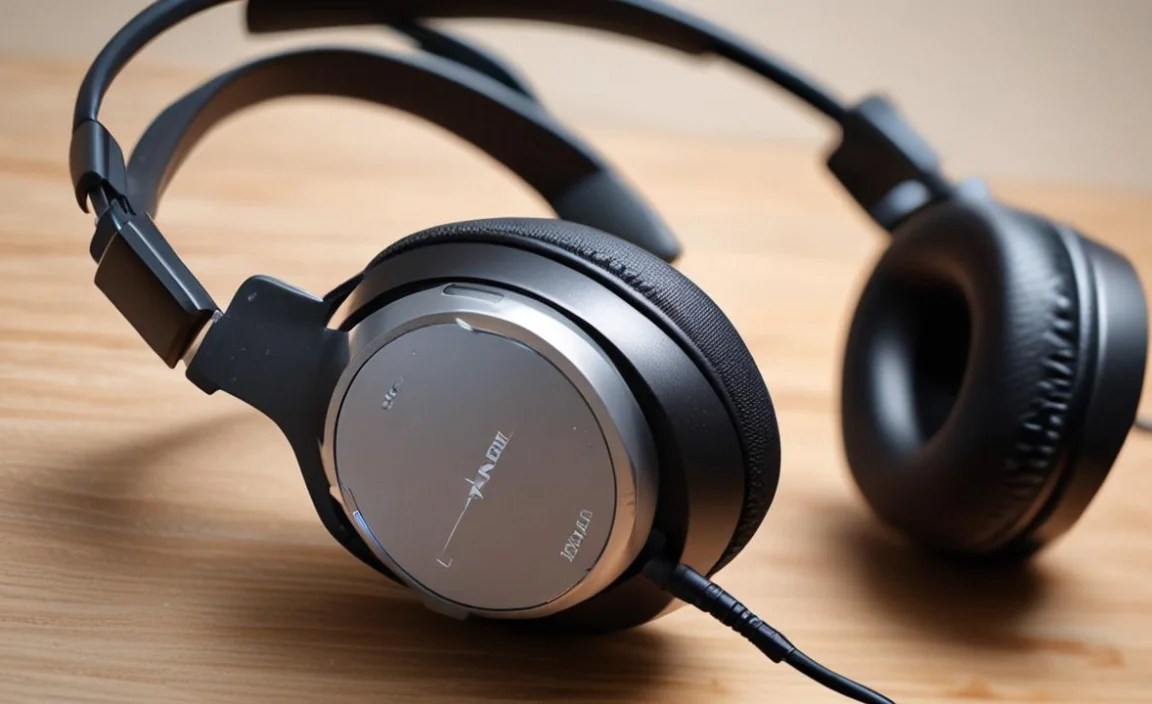
To help you visualize the differences, here’s a quick comparison of these popular beginner studio headphones:
| Model | Type | Price Range (USD) | Key Strength | Ideal For |
|---|---|---|---|---|
| Audio-Technica ATH-M50x | Closed-Back | $$$ | Versatile Clarity & Isolation | Recording, Mixing, General Studio Use |
| Beyerdynamic DT 770 PRO | Closed-Back | $$$ | Unmatched Comfort & Detail | Long Mixing Sessions, Recording |
| Sennheiser HD 280 PRO | Closed-Back | $$ | Budget-Friendly Reliability | Budget Recording & Mixing |
| AKG K240 STUDIO | Semi-Open Back | $$ | Natural Soundstage | Mixing, Critical Listening, Casual Recording |
Note: Price ranges are approximate and can vary by retailer and region. $$ = Moderate, $$$ = Moderately High.
How to Use Your Studio Headphones Effectively
Once you’ve got your headphones, knowing how to use them will maximize their benefit. Here are a few tips:
- Plug Them Into Your Interface: Whenever possible, plug your headphones directly into the headphone output of your audio interface rather than your computer’s headphone jack. Audio interfaces typically have better quality circuitry for cleaner sound.
- Adjust Gain Appropriately: Set the input gain on your interface so that your recording signal is strong but not clipping (distorting). Your headphones will reveal any issues here.
- Listen Critically to Your Recordings: During recording, wear your headphones to check for:
- Background noise (fans, HVAC, traffic).
- Performance errors (wrong notes, missed cues).
- Mic placement issues (plosives, sibilance).
- Instrument tuning problems.
- Mix at Moderate Volumes: It’s tempting to crank it up, but mixing at lower, conversational volumes is generally better for your ears and for making objective decisions about balance. High volumes can fatigue your hearing and lead to misjudgments. Learn more about acoustic principles for healthy hearing from the National Institute on Deafness and Other Communication Disorders.
- Reference on Other Systems: Even with the best studio headphones, it’s crucial to check your mixes on other playback systems (car stereo, laptop speakers, earbuds, even consumer headphones) to ensure they translate well. This is a core principle of audio engineering.
Troubleshooting Common Headphone Issues
Even the best headphones can encounter minor hiccups. Here are a few common problems and how to fix them:
- No Sound:
- Check all cable connections. Is the plug fully seated in the headphone jack?
- Ensure the correct output source is selected in your computer or DAW (Digital Audio Workstation) software.
- Is the volume knob on your audio interface or headphones turned up?
- Try a different cable if possible.
- One Side Not Working:
- This is almost always a cable issue. Try wiggling the connector at both the headphone and the source.
- If the cable is detachable, try reseating it or using a different cable.
- If the headphones are brand new and this persists, contact the retailer or manufacturer for an exchange.
- Crackling/Distortion:
- If the distortion happens only at high volumes, your source might not be providing enough clean power, or the headphones are being pushed too hard. Lower the volume.
- If it happens at any volume, it could be a damaged driver in the headphone or an issue with the cable or output jack.
- Check your audio interface settings to ensure the signal isn’t clipping before it even reaches the headphones.
- Uncomfortable Fit:
- Many studio headphones have replaceable ear pads. Consider purchasing softer or thicker velour pads if the stock synthetic leather ones cause discomfort or heat buildup over time.
- Adjust the headband to find the most comfortable position.
Frequently Asked Questions (FAQ)
Let’s tackle some common questions beginners have about studio headphones.
Q1: Can I use my gaming headset for studio recording?
While some gaming headsets have decent microphones, their audio profiling is typically heavily EQ’d for gaming immersion (lots of bass, emphasized highs). This makes them unsuitable for accurate studio monitoring and mixing. You need headphones designed for a neutral, flat frequency response.
Q2: Do I need a separate headphone amplifier?
For most beginner-friendly studio headphones (especially those with impedance between 32-80 Ohms), a good audio interface will provide enough power. If you plan on using high-impedance headphones (like 250 Ohms or higher), or if your current setup doesn’t drive your headphones loud enough cleanly, then a dedicated headphone amplifier might be a good investment later.
Q3: How important is the impedance of headphones for studio use?
Impedance (measured in Ohms) indicates how much power the headphones require. Lower impedance (e.g., 32 Ohms) is easier to drive and will work well directly from most devices. Higher impedance (e.g., 80 Ohms, 250 Ohms) generally offers better sound quality and headroom but requires more power, often from an amplifier. For starting out, 80 Ohms is a sweet spot for many interfaces.
Q4: What’s the difference between “studio” headphones and “audiophile” headphones?
Both aim for accuracy, but “studio” headphones are built for the rigors of daily use, often prioritized for isolation (closed-back) and durability during recording and mixing. “Audiophile” headphones often lean towards open-back designs for the ultimate listening experience and may prioritize soundstage and detail above all else, sometimes sacrificing isolation or ruggedness needed in a studio environment.
Q5: How often should I replace my studio headphones?
Studio headphones are built to last if cared for. The most common wear items are the ear pads and the cable. You can often replace these parts. With good care, your headphones could last many years. If the internal wiring or drivers fail permanently, then it would be time for a replacement.
Q6: Can I record and monitor at the same time with closed-back headphones?
Yes, that’s precisely what closed-back headphones are for! Their isolation helps prevent the headphone audio from bleeding into your microphone, allowing you to hear yourself clearly while recording. Just ensure the volume isn’t excessively loud to minimize any residual bleed.
Conclusion
<
