
Quick Summary: Finding the right headphones for rock music means prioritizing punchy bass, clear mids for vocals and guitars, and detailed highs for cymbals. This guide helps beginners choose models that deliver that electrifying live sound, from understanding key features to practical buying tips.
Good Headphones for Rock Music: Your Essential Guide to the Perfect Riff

Hey there, fellow music lovers! Edward Cavitt here from headphonehorizon, ready to dive deep into a genre that truly moves us: rock music. From the raw power of classic rock anthems to the intricate solos of progressive rock and the sheer energy of modern indie, rock demands headphones that can keep up.
But with so many options out there, how do you pick the ones that will truly bring your favorite riffs to life? Don’t sweat it! This guide is designed to cut through the jargon and help you find headphones that deliver that crushing bass, soaring vocals, and sparkling cymbals, making every listen an electrifying experience.
Why Rock Music Needs Special Headphones

Rock music isn’t just about loud guitars; it’s a complex tapestry of instruments, vocals, and subtle nuances. A great rock track features driving basslines, prominent vocals, searing guitar solos, tight drumming, and often, atmospheric textures. To truly appreciate this sonic landscape, your headphones need to reproduce these elements accurately and with impact. Generic headphones might muffle the guitars or drown out the vocals, leaving you with a less than satisfying listening session. You need headphones that offer a broad frequency response, good dynamic range, and a sound signature that complements rock’s energetic and often layered nature.
Understanding the Key Features for Rock Headphones

Before we start recommending specific models, let’s break down what to look for. These features are crucial for unlocking the full potential of your favorite rock tracks.
1. Bass Response: The Foundation of the Riff
Rock music is built on a solid bass foundation. Think of the powerful thump of a kick drum or the groovy pulse of a bass guitar. For rock, you’ll generally want headphones with a strong, but not overpowering, bass response. This doesn’t mean just booming bass; it means tight, controlled, and impactful bass that provides the energy without muddying the rest of the music.
- Controlled Punch: Look for descriptions like “tight bass,” “impactful,” or “extended low-end.”
- Avoid Muddiness: Overly boomy or distorted bass can drown out guitars and vocals.
2. Midrange Clarity: Vocals and Guitars Shine
The midrange is where the magic often happens in rock. This frequency range houses lead vocals, rhythm guitars, and many solos. Clear mids are essential for distinguishing individual instruments and fully immersing yourself in the song’s narrative. You want to hear the grit in a singer’s voice or the crunch of a distorted guitar chord with precision.
- Detailed Mids: Headphones offering “clear mids” or “natural midrange reproduction” are great.
- Instrument Separation: Good mids help you hear each instrument distinctly, even in dense arrangements.
3. Treble Detail: The Sparkle of Cymbals and Accents
High frequencies are what give music its sparkle and clarity. For rock, this includes the bright shimmer of cymbals, the tinkle of hi-hats, and the crisp attack of guitar picks. While you don’t want piercing or “sibilant” (hissy) treble, you do want enough detail to hear these nuances, which add excitement and life to the music.
- Crisp Highs: Seek out “detailed treble” or “airy highs” for that authentic feel.
- Sizzle vs. Sizzle: Be wary of overly sharp treble that can become fatiguing over long listening sessions.
4. Soundstage and Imaging: Feeling the Live Vibe
A good soundstage gives you a sense of space and the feeling that the music is being played in front of you, almost like you’re at a concert. Imaging refers to how well the headphones can place individual instruments within that soundstage. For rock, a wider soundstage can really enhance the feeling of a live performance.
- Wide Soundstage: Imagine the band spread out before you.
- Accurate Imaging: Pinpointing the location of a guitar solo or a drum fill.
5. Dynamic Range: The Impact of Loud and Soft
Rock music often relies on dramatic shifts in volume and intensity – from a quiet intro to a roaring chorus. Dynamic range is the difference between the quietest and loudest parts of the music. Headphones with good dynamic range can reproduce these shifts effectively, adding to the music’s emotional impact.
- Punch and Impact: Feel the full force of crescendos and explosive moments.
- Subtlety Matters: The ability to reproduce the softest nuances before the big hit counts too.
Types of Headphones: Over-Ear vs. On-Ear vs. In-Ear

The physical design of headphones significantly impacts comfort, sound isolation, and, of course, sound quality. For rock music, each type has its pros and cons.
Over-Ear Headphones
These are arguably the most popular choice for critical listening and extended sessions. They completely enclose your ears, providing excellent passive noise isolation and often the best soundstage. They are generally known for delivering a full and immersive sound.
Pros:
- Excellent comfort for long listening sessions.
- Superior passive noise isolation, helping you focus on the music.
- Often provide the widest and most immersive soundstage.
- Typically offer the best bass response and overall sound fidelity.
Cons:
- Can be bulky and less portable.
- May cause ears to get warm during extended use.
- Open-back models can leak sound, disturbing others nearby.
On-Ear Headphones
These rest directly on your ears. They are a compromise between the portability of earbuds and the immersion of over-ear headphones.
Pros:
- More compact than over-ear headphones, making them more portable.
- Generally lighter on the head.
- Allow some ambient sound in, which can be good for situational awareness.
Cons:
- Can be less comfortable for some users over time, creating pressure on the ears.
- Noise isolation is typically less effective than over-ear models.
- Bass response might not be as deep or impactful as with over-ear designs.
In-Ear Monitors (IEMs) / Earbuds
These fit directly into your ear canal, providing excellent noise isolation and a compact, portable form factor. Audiophiles and musicians often favor IEMs for their detail and isolation, which can be fantastic for rock.
Pros:
- Extremely portable and discreet.
- Offer superior passive noise isolation, blocking out ambient noise effectively.
- Can deliver punchy and detailed sound, especially good for active lifestyles.
- Ideal to prevent sound leakage in public spaces.
Cons:
- Can be less comfortable for some due to insertion into the ear canal.
- Soundstage is usually more intimate than with over-ear headphones.
- Durability can sometimes be an issue with smaller wires and components.
Open-Back vs. Closed-Back Headphones
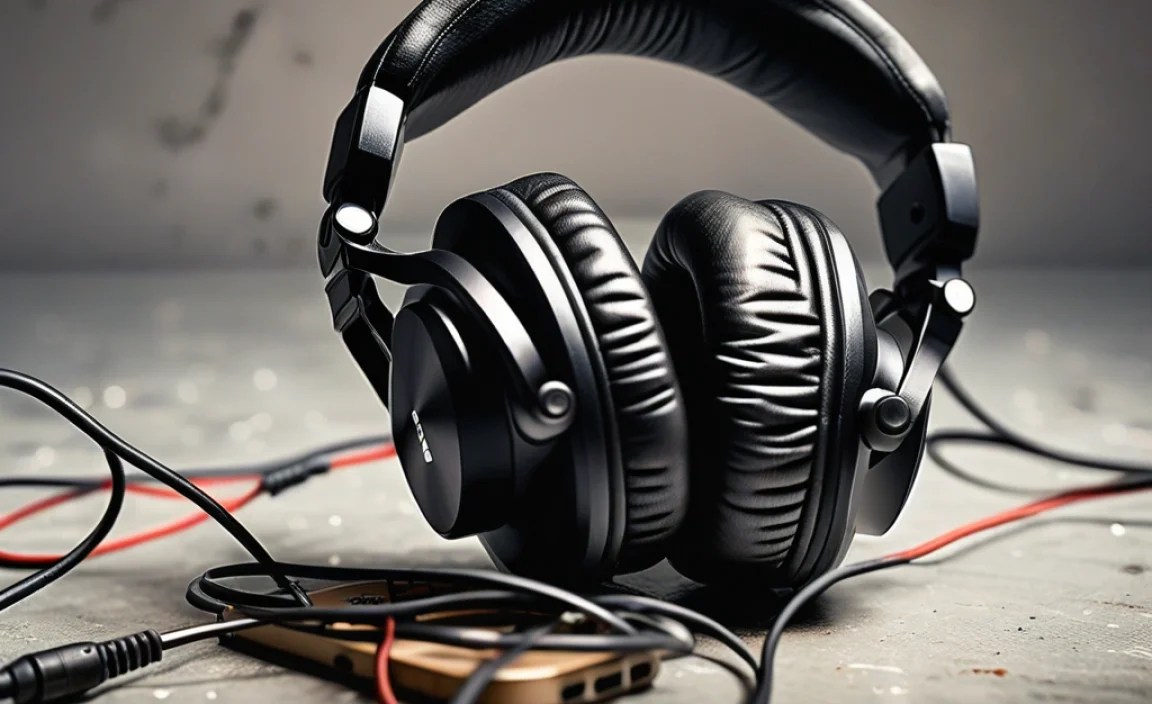
This distinction applies mainly to over-ear headphones and is crucial for understanding how sound is projected and how much isolation you get.
Closed-Back Headphones
These have a solid, sealed ear cup. This design is excellent for blocking out external noise and preventing your music from leaking out, making them ideal for noisy environments or public transport.
Key Characteristics for Rock:
- Excellent Noise Isolation: Lets you crank it up without bothering others.
- Punchy Bass: The sealed design often lends itself to a more pronounced bass response.
- Focused Sound: Can feel more intimate and direct.
Open-Back Headphones
These have vents or grilles on the ear cups, allowing air and sound to pass through. They offer a more natural, spacious sound but leak sound in and out.
Key Characteristics for Rock:
- Natural Soundstage: Creates a sense of spaciousness, like being in a room with the band.
- Detailed Highs and Mids: Sound can feel more airy and less confined.
- Not for Isolation: Sound leakage means they are best for quiet, private listening environments.
For rock music, especially if you’re looking for that live concert feel, open-back headphones can be incredible. However, if you need to block out distractions or not disturb others, closed-back headphones are usually the way to go.
Recommendations for Good Headphones for Rock Music
Finding the “best” is subjective, but here are some popular and well-regarded headphones that tend to excel with rock music, catering to different budgets and preferences. Remember, these are just starting points, and trying them out if possible is always recommended!
Budget-Friendly Options (Under $100)
You don’t need to break the bank to get a great rock experience. These options offer impressive performance for their price.
- Audio-Technica ATH-M30x: Often praised for its balanced sound profile with a slight emphasis on bass and mids, making it a solid choice for rock. They offer good isolation and are built like a tank.
- Samson SR850 (Semi-Open Back): A fantastic semi-open back option that punches well above its weight for soundstage and clarity. The bass is present but not overwhelming, and the mids and highs are clear enough to pick out details. A great value for their spacious sound.
- JLab Rewind Wireless Retro Headphones: For pure portability and retro style with surprisingly capable sound for casual listening, these offer a fun and affordable option with decent bass for their size.
Mid-Range Marvels ($100 – $300)
Stepping into this range often brings significant improvements in build quality, comfort, and sonic detail.
- Beyerdynamic DT 770 PRO (80 Ohm): A studio staple for a reason. These closed-back headphones offer excellent isolation, a pronounced bass impact, and clear, energetic mids and highs that are fantastic for rock. The 80-ohm version is a good all-rounder that can be driven by most devices.
- Sennheiser HD 560S (Open-Back): If you prioritize a wide, natural soundstage and detailed, analytical sound, the HD 560S is superb. They reproduce rock with precision, allowing you to hear every layer and nuance. Their clarity is exceptional for identifying instrument separation.
- AKG K371 (Closed-Back): These are often lauded for their “studio-tuned” sound that closely matches the Harman target curve, which many find pleasing for a wide variety of music, including rock. They offer a great balance of detail, bass punch, and comfort in a closed-back design.
High-End Havens ($300+)
For the discerning listener, these headphones offer end-game performance, revealing every detail and nuance in your rock collection.
- Beyerdynamic DT 1990 PRO (Open-Back): A step up from the DT 770, these open-back headphones provide an incredibly wide soundstage, exceptional detail retrieval, and a dynamic, exciting sound signature perfect for rock. They come with different ear pads to tailor the sound curve.
- Focal Clear Mg (Open-Back): These are an absolute dream for rock enthusiasts who love an expansive sound. They offer incredible detail, punchy and textured bass, and a very energetic presentation that makes rock music feel alive.
- Dan Clark Audio AEON 2 Noire / Closed-Back: If you want exceptional detail and a potent, yet controlled, bass response in a closed-back design, the AEON 2 Noire is a standout. They offer an incredible sense of clarity and space for a closed headphone, making them ideal for enjoying rock in any environment.
In-Ear Monitors (IEMs) for Rock
Don’t discount IEMs for rock! Their isolation and portability are huge pluses, and many models are tuned to deliver that driving, energetic sound.
- Moondrop Starfield 2: A very popular choice for its balanced tuning, good bass presence, and clear mids and highs without being harsh. Excellent for a wide range of genres, including rock.
- Shure SE215: A workhorse for many. Known for good noise isolation, a slightly warm sound signature, and a pleasant, punchy bass. They are durable and comfortable for long wear.
- DUNU EST 12: If you want a more immersive and detailed sound with exceptional treble extension for cymbals and guitar shimmer, this multi-driver IEM can be a fantastic choice for rock, offering serious resolution.
Factors Beyond Sound Quality
While sound is king for rock music, other practicalities matter:
Comfort
You’ll be wearing these for hours, so comfort is paramount. Look for plush earcups, adjustable headbands, and materials that don’t get too hot. For open-back headphones, ear cup depth and earcup material can significantly influence comfort and sound leakage.
Durability
Rock music can be intense, and sometimes, so are our listening habits! Headphones made with robust materials and solid construction will stand the test of time. Look for metal components, sturdy hinges, and replaceable cables.
Portability
If you listen on the go, consider foldable designs, carrying cases, and wireless options. However, remember that ultimate sound quality and battery life often mean sacrificing some portability.
Connectivity
Most headphones use a standard 3.5mm jack. If you’re using a modern smartphone without one, you’ll need an adapter (often included) or consider headphones with USB-C or Lightning connectors. Bluetooth is excellent for convenience but can sometimes introduce a slight audio delay (latency), which might be noticeable in gaming but usually fine for music.
Testing and Listening Tips
When you’re out to buy, bring your favorite rock tracks with you! Load them onto your phone or portable music player. Here’s what to listen for:
- Play Your Go-To Rock Tracks: Test with songs you know inside and out. Focus on tracks with diverse instrumentation – driving bass, gritty guitars, clear vocals, and prominent drums.
- Listen to the Bass: Does it have impact and definition, or is it just a muddy boom? Can you feel the kick drum and bass guitar’s attack?
- Check the Mids: Are the vocals clear and present? Can you easily distinguish the guitars from the main melody or other instruments?
- Hear the Treble: Are the cymbals crisp and detailed, or do they sound harsh and sibilant? Does the high-end add sparkle without being fatiguing?
- Test for Isolation (if applicable): If you’re in a noisy environment, can you hear your music clearly at moderate volumes without the external noise intruding?
- Comfort Check: Wear the headphones for at least 5-10 minutes. Do they pinch, press, or get uncomfortably warm?
Where to Find Authoritative Information & Reviews
For deeper dives and more detailed reviews, reliable sources are your best friends. Look to established audio review sites that often employ objective measurements alongside subjective listening tests.
- RTINGS.com: This site provides incredibly detailed, objective measurements for hundreds of headphones, along with thorough reviews and comparisons. They test everything from frequency response to comfort and isolation.
- Crinnacle.com: Known for detailed frequency response graphs and critical listening reviews, Crinnacle offers insights valued by many audiophiles.
- Head-Fi.org: A massive community forum where users discuss all things audio. You can find owner reviews, comparisons, and discussions specific to genres like rock.
