
Quick Summary: Choosing the right headphones for snowboarding enhances your mountain experience with music and safety. Look for durable, water-resistant models that fit securely under your helmet, offering clear audio without compromising your awareness of the slopes. This guide covers essential features and top picks for an epic ride.
Good Headphones For Snowboarding: Essential Picks
Hitting the slopes with your favorite tunes can make a snowboarding trip unforgettable. But not just any pair of headphones will do when you’re carving down a mountain. You need something that can handle the cold, the bumps, and the occasional fall, all while keeping you safely aware of your surroundings. Forget those flimsy earbuds that constantly fall out or bulky headphones that cramp your style. We’re talking about gear designed for the elements and engineered for a seamless audio experience on your board. Gear up and get ready to find the perfect audio companion for your next snowy adventure!
Why Specific Headphones Are Essential for Snowboarding

Snowboarding isn’t just about the rush of speed; it’s an experience that engages all your senses. For many, music is an integral part of that experience, providing motivation, setting the mood, and enhancing the overall enjoyment. However, the harsh conditions of a ski resort – think freezing temperatures, potential moisture, and the need for constant awareness – mean that standard headphones often fall short. You need headphones that are:
- Durable and Weather-Resistant: Cold, snow, and sweat can wreak havoc on electronics.
- Secure Fit: They must stay in place, even during intense movements or falls.
- Helmet-Compatible: Designed to fit comfortably and safely with a ski helmet.
- Awareness-Sensitive: Allowing you to hear ambient sounds for safety is crucial.
- Easy to Control: Simple operation with gloves on is a must.
Using the wrong headphones can lead to frustration, damaged gear, and, most importantly, compromised safety. For instance, a study by the National Institutes of Health (NIH) highlights the importance of situational awareness in preventing injuries in recreational activities, and sound plays a significant role in this.
Key Features to Look For in Snowboarding Headphones

When you’re on the hunt for the perfect pair of headphones to accompany you down the mountain, there are several critical features to keep your eyes (and ears!) peeled for. These aren’t just minor bells and whistles; they’re the core components that will determine your satisfaction and safety on the slopes.
1. Durability and Weatherproofing
This is arguably the most important factor. Snowboarding environments are tough on electronics. Your headphones need to withstand:
- Cold Temperatures: Extreme cold can affect battery life and even damage delicate components.
- Moisture: Snowmelt, sweat, and even unexpected powder dumps can be disastrous for non-water-resistant gear. Look for an IPX rating (Ingress Protection) – an IPX4 rating or higher is generally good, meaning protection against splashes and sweat.
- Impacts: Falls are part of snowboarding. Your headphones should be robust enough to survive a tumble or two.
2. Helmet Compatibility
Most snowboarders wear helmets for safety. Your headphones need to integrate seamlessly with your headgear. This typically means:
- Low Profile: Slim designs that don’t create uncomfortable pressure points when worn under a helmet.
- Flexible Bands/Earcups: Materials that can bend and conform without breaking or becoming rigid in the cold.
- Easy Installation/Removal: Many helmets have built-in pockets for audio chips or specific ear pads that can be replaced with audio-compatible ones.
3. Sound Quality and Awareness
While you want to enjoy your music, you also need to be aware of chairlifts, other riders, and snow patrol. This is where sound quality meets safety:
- Clear Enough for Music, Not Overwhelming: You want to hear your tracks without being so immersed that you miss crucial auditory cues.
- Ambient Sound Pass-Through: Some headphones have modes that intentionally allow external sounds in, enhancing safety. This is a huge plus for snowboarding.
- Noice Cancellation (Use with Caution): While tempting for immersive sound, full noise cancellation can be dangerous on the slopes. If offered, ensure there’s a transparency or ambient mode.
4. Connectivity and Controls
Fiddling with tiny buttons or your phone with bulky gloves is a recipe for disaster. Consider:
- Bluetooth Reliability: A stable Bluetooth connection is essential.
- Easy Controls: Large, tactile buttons or voice controls that are easily operable with gloves on.
- Battery Life: Ensure they last for your entire day on the mountain. Charging on the go isn’t usually an option.
5. Comfort and Fit
Even with the best features, if they’re not comfortable, you won’t wear them. Prioritize:
- Secure Fit: They shouldn’t shift or fall out, even with vigorous activity.
- Lightweight Design: Reduces fatigue and pressure points.
- No Dangling Wires: Always opt for wireless to avoid snagging.
Types of Headphones for Snowboarding

When it comes to audio gear for the slopes, there are a few main categories that stand out, each with its own set of advantages and disadvantages. Understanding these distinctions will help you narrow down your choices.
1. Helmet-Integrated Audio Chips
These are small, usually circular speakers that fit into dedicated pockets in many ski helmets. They connect wirelessly (Bluetooth) to your phone or music player.
Pros:
- Seamless integration with your helmet.
- Often designed to be low-profile and comfortable.
- Controls are usually managed via a small remote on the earcup or through your connected device.
Cons:
- Sound quality can vary significantly between brands.
- Limited to helmets with compatible audio pockets.
- Can be more expensive than standalone earbuds or headphones.
2. Earbud-Style Headphones (Specifically Designed for Sports)
While traditional earbuds aren’t ideal, some sports-focused earbuds are designed with secure, over-ear hooks or fins to stay put during intense activity. Look for water-resistant models.
Pros:
- Compact and lightweight.
- Good for those who don’t want to deal with helmet inserts.
- Often provide a decent seal for sound isolation (use with caution).
Cons:
- Can be difficult to wear comfortably with a helmet.
- May not provide the same level of durability or weatherproofing as other options.
- Risk of falling out during a major bump or fall.
3. Bone Conduction Headphones
These innovative headphones don’t cover your ears at all. Instead, they rest on your cheekbones in front of your ears, transmitting sound through vibrations. This leaves your ear canal completely open.
Pros:
- Maximum Situational Awareness: You can hear everything around you clearly.
- Comfortable with Helmets: They don’t interfere with helmet fit.
- Sweat and Water Resistant: Generally designed for active use.
Cons:
- Sound quality is often not as rich as traditional headphones.
- Some users find the vibrations slightly distracting.
- Bass response can be weaker.
4. Dedicated Ski/Snowboard Headphones
These are headphones specifically designed with snowboarding in mind. They often combine elements of helmet integration and durability.
Pros:
- Purpose-built for the conditions and activity.
- Often feature robust controls and high durability.
- Designed to fit securely and comfortably with helmets.
Cons:
- Can be a niche market, limiting options.
- May come with a higher price tag due to specialized design.
Essential Picks: Our Top Recommendations
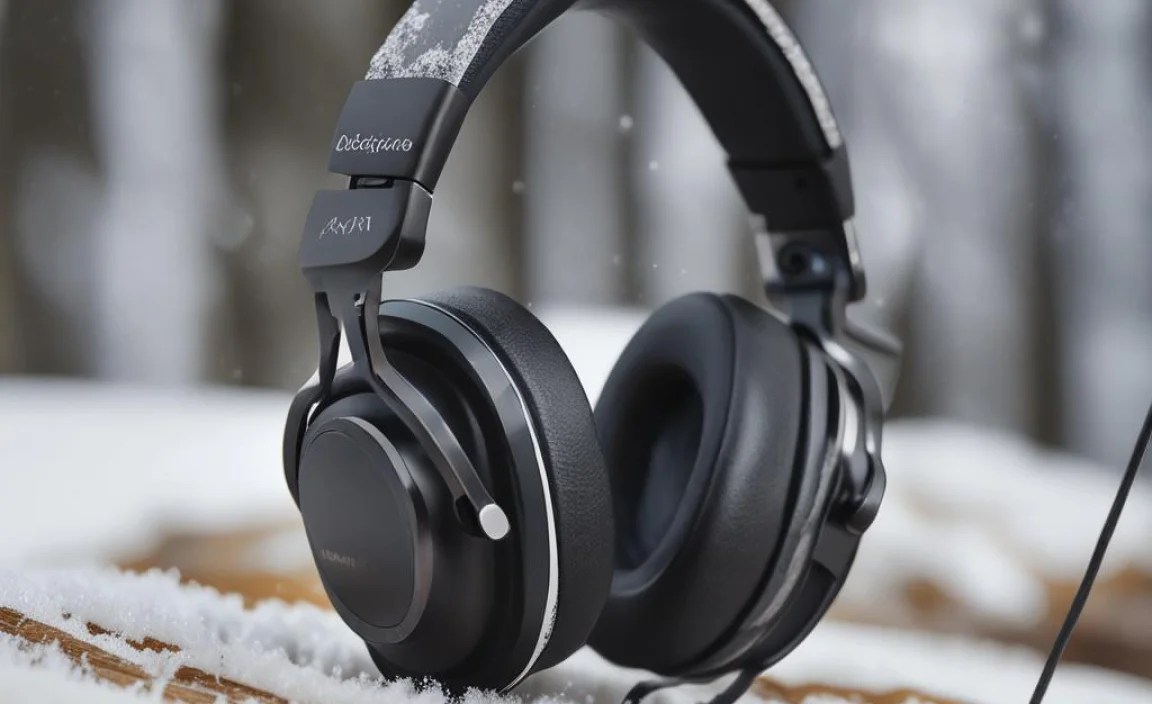
Finding the “perfect” headphones is personal, depending on your helmet, budget, and what you prioritize most. However, based on durability, helmet compatibility, sound quality for the environment, and user reviews, here are some excellent choices that consistently perform well for snowboarding.
1. Outdoor Tech Chips (2.0 or 3.0)
A perennial favorite for a reason. These are small, wireless audio chips that fit into the ear pads of most standard ski helmets. They are simple, effective, and designed for the cold.
Key Features:
- Wireless Bluetooth connectivity.
- Long battery life (up to 10 hours).
- Intuitive button controls on the earcup for play/pause, track skipping, and volume.
- Durable and weather-resistant design.
- Clear, crisp audio that balances music with ambient awareness.
Pros:
- Excellent helmet integration.
- Easy to use with gloves on.
- Good balance of sound and safety.
Cons:
- Sound quality is good, but audiophiles might want more richness.
- Requires a helmet with compatible ear pad pockets.
2. Smith Skullcandy HDO (or similar integrated systems)
Smith Optics often partners with audio brands like Skullcandy to offer helmets with integrated audio systems. These are purpose-built, meaning they’re designed from the ground up to work with the helmet.
Key Features:
- Custom-tuned speakers for clarity.
- Often feature noise-reducing ear pads.
- Simple Bluetooth pairing and controls.
- Designed for optimal fit and comfort within the specific Smith helmet model.
Pros:
- Guaranteed to fit your helmet perfectly.
- High-quality audio often tailored for the helmet acoustics.
- Convenient and secure.
Cons:
- You need to buy a compatible Smith helmet.
- Less flexibility if you already have a favorite helmet.
3. Aftershokz (now Shokz) OpenRun Pro (or other bone conduction models)
For maximum safety and awareness, bone conduction is hard to beat. The OpenRun Pro model from Shokz (formerly Aftershokz) delivers excellent sound for bone conduction and is very durable.
Key Features:
- Open-ear design for supreme situational awareness.
- Lightweight and comfortable titanium frame.
- IP55 water and dust resistance.
- 8-hour battery life.
- Secure fit that stays put during movement.
Pros:
- Unparalleled awareness of your surroundings is crucial for safety.
- Doesn’t interfere with helmet fit.
- Great for runners and cyclists too, making them versatile.
Cons:
- Sound quality isn’t as immersive or full-bodied as traditional headphones.
- Some people find the vibrations noticeable or even distracting.
4. Jabra Elite Active 75t (with caution and helmet fit test)
While not specifically designed for snowboarding, some truly wireless earbuds with excellent secure fits and good water resistance can work, provided they are compatible with your helmet. The Jabra Elite Active series is known for its durability and secure fit during sports.
Key Features:
- IP57 rating (waterproof and dustproof).
- Secure fit with good earbud options.
- Decent sound quality.
- Compact charging case.
Pros:
- Very durable and weather-resistant.
- Good sound for their size.
- Compact and portable when not on the slopes.
Cons:
- Crucially, MUST be tested for helmet compatibility. Some earbuds create pressure points.
- The small size can be difficult to handle with gloves.
- Risk of losing one if dropped and it doesn’t have a secure fit.
How to Choose the Right Snowboarding Headphones for You

Making the final decision can feel overwhelming, with so many options out there. Let’s break down the process to help you find the best fit for your needs. Think of this as your personal headphone decision-making journey!
Step 1: Assess Your Helmet
This is the first and most critical step.
- Check for Audio Pockets: Does your helmet have dedicated spaces for audio chips or speakers? If so, options like the Outdoor Tech Chips are prime candidates.
- Note Helmet Type and Fit: Is your helmet snug? Is there room around the ears? If it’s a very tight fit, bone conduction headphones or slim audio chips will be your best bet. Avoid bulky on-ear headphones.
Step 2: Prioritize Safety Features
On the mountain, your hearing is your superpower for safety.
- Situational Awareness: Decide how important this is to you. If it’s paramount, bone conduction headphones are the clear winner.
- Ambient Sound Modes: If you prefer traditional headphones, look for models with a “transparency” or “ambient sound” mode that allows you to hear your surroundings.
Step 3: Consider Your Audio Needs
What do you expect from your audio experience?
- Music Lover: If rich bass and detailed highs are essential, you might lean towards integrated helmet systems or high-end chips.
- Podcast/Talk Listener: Clarity of voice is more important here, so most decent-quality headphones will suffice.
- “Just for Fun” Listener: If music is just background and not the main focus, functional and durable will trump sound fidelity.
Step 4: Evaluate Controls and Ease of Use
Picture yourself with thick gloves on, trying to adjust the volume or skip a track.
- Large, Tactile Buttons: Are the controls easy to find and press without looking?
- Voice Controls: Some systems offer voice commands, which can be a lifesaver.
- Intuitive Interface: Can you operate them without a manual?
Step 5: Check Durability and Weather Resistance Ratings
Don’t underestimate the elements.
- IPX Rating: Aim for at least IPX4 if you anticipate splashes or sweat. For more consistent moisture exposure, IPX5 or higher is better.
- Build Quality: Does the product feel solid? Look for reputable brands known for their outdoor or sports gear.
Step 6: Factor in Battery Life
A full day on the slopes can be 6-8 hours, sometimes more.
- Target Battery Life: Aim for headphones that offer at least 6-8 hours of playtime on a single charge.
- Quick Charge: Some models offer a quick charge feature that can give you a couple of hours of listening from just 15-20 minutes of charging.
Step 7: Read Reviews and Test Where Possible
Learn from others’ experiences.
- User Reviews: Look for reviews from people who snowboard or ski. They’ll often mention helmet compatibility and performance in cold weather.
- In-Store Testing: If possible, try on headphones with your helmet in a store. Even if you can’t test the audio, you can assess comfort and fit.
Maintaining Your Snowboarding Headphones
Just like your snowboard gear, your headphones need a little TLC to keep them performing at their best, especially after a day in the cold and damp. Proper maintenance ensures they last season after season.
After Each Use:
- Wipe Them Down: Gently wipe any moisture, sweat, or grime off the headphones (especially speakers and controls) with a soft, dry cloth. If they’re particularly dirty, a slightly damp cloth can be used, but ensure no water gets into ports or speaker grilles.
- Dry Them Thoroughly: Never store damp headphones. Let them air dry completely at room temperature before putting them away. Avoid direct heat sources like radiators, which can damage components.
- Store Safely: If you have a carrying case, use it. This protects them from scratches and impacts when they’re not being used. If you used audio chips, ensure they are securely stored in their case or pocket so they don’t get lost.
Periodically:
- Clean Speaker Grilles: If your headphones have exposed speaker grilles, a soft-bristled brush (like a clean toothbrush) can help remove any dust or debris that might accumulate.
- Check for Damage: Inspect the cables (if any), earcups, and charging
