
Choosing good headphones for students means balancing focus, comfort, and durability. This guide breaks down key features like noise cancellation, sound quality, and battery life, along with budget-friendly options and essential care tips to help you find the perfect audio companion for studying and everyday life.
Good Headphones For Students: Essential Gear for Smarter Learning


Hey there, fellow learners! Edward Cavitt here, your guide from Headphone Horizon. As a student, I know firsthand how crucial a good pair of headphones can be.
They’re not just for jamming out to your favorite tunes; they’re your secret weapon for diving deep into lectures without distraction, acing online classes, and finding a bit of peace in a noisy dorm or busy library. Think of them as an investment not just in your audio experience, but in your academic success. But with so many options out there, how do you pick the right ones? Don’t sweat it! I’m here to demystify the world of headphones and help you find a pair that’s as dedicated to your studies as you are.
Why Headphones Are a Student’s Best Friend


In the fast-paced world of academia, having the right tools can make all the difference. For students, good headphones are far more than a luxury; they’re becoming an essential piece of gear. Imagine trying to concentrate on a complex lecture while your roommate is practicing their guitar or the common area is buzzing with conversation. That’s where your trusty headphones step in. They create a personal sanctuary, allowing you to:
- Enhance Focus: By blocking out distracting noises, headphones create an environment where you can truly concentrate on your studies, whether it’s reading, writing, or revising.
- Improve Learning: Clear audio from online lectures, educational videos, and audiobooks can significantly improve comprehension and retention of information.
- Enjoy Downtime: After a long day of classes and studying, headphones are perfect for unwinding with music, podcasts, or movies, helping you de-stress and recharge.
- Facilitate Collaboration: For group projects that involve online meetings or shared study sessions, clear audio is vital for effective communication.
Investing in a quality pair of headphones can be one of the smartest academic decisions you make. They support your learning, help you manage your environment, and are a compact, portable solution for all your audio needs.
Key Features to Look For in Student Headphones


When you’re a student, your budget might be tight, and your needs are varied. You need headphones that can handle everything from intense study sessions to your daily commute. Here’s a breakdown of the most important features to consider:
1. Comfort is King (or Queen!)
You might be wearing these for hours at a time, especially during exam season. Look for:
- Earpad Material: Soft, breathable materials like plush memory foam or velour are key. Avoid anything that feels scratchy or makes your ears sweat.
- Headband Padding: A well-padded headband distributes weight evenly, preventing pressure points on your head.
- Adjustability: Make sure the headband can be adjusted to fit your head comfortably, whether it’s too big or too small.
- Weight: Lighter headphones are generally more comfortable for long listening sessions.
2. Sound Quality: Hear What Matters
While you might not need audiophile-grade sound for lectures, good clarity is essential. For music and general listening, look for balanced sound that isn’t overly bass-heavy or tinny. For study purposes, clarity in vocals and mid-range frequencies is often more important.
3. Noise Isolation vs. Noise Cancellation
This is a big one for students who study in shared spaces or commute. There are two main ways headphones tackle background noise:
- Noise Isolation: This is achieved by the physical design of the headphones, like snug-fitting earcups or earbuds that seal your ear canal. Over-ear headphones generally offer better passive noise isolation.
- Active Noise Cancellation (ANC): This technology uses microphones to detect ambient noise and generates an opposite sound wave to cancel it out. ANC is incredibly effective at reducing low-frequency sounds like airplane engines or air conditioning hums. It’s a game-changer for focus but can add to the cost.
Pro Tip: If your budget is limited, prioritize good noise isolation from well-designed over-ear headphones. If you can stretch your budget, ANC is a fantastic feature for truly silencing distractions.
4. Durability and Build Quality
Student life can be tough on gear. Your headphones will likely be tossed in a backpack, carried around campus, and maybe even survive the occasional accidental drop. Look for:
- Sturdy materials like robust plastics or metal.
- Flexible headbands that won’t snap easily.
- Reinforced cables if you opt for wired models.
5. Battery Life (For Wireless Models)
If you’re going wireless, battery life is paramount. You don’t want your headphones dying during an important online class or your last-minute revision session. Aim for at least 20-30 hours of playback on a single charge for wireless headphones. Many earbuds offer a charging case that can provide multiple extra charges, extending their total playtime significantly.
6. Wired vs. Wireless
- Wired Headphones:
- Pros: Generally more affordable, no battery to worry about, often deliver slightly better audio quality for the price, no pairing or connection issues.
- Cons: Cables can get tangled or break, limited freedom of movement.
- Wireless Headphones (Bluetooth):
- Pros: Freedom of movement, less hassle with cables, convenient.
- Cons: Require regular charging, can be more expensive, potential for connection issues or latency.
Consider your daily routine. If you’re always near a power source and value simplicity, wired might be for you. If you move around a lot or hate dealing with cables, wireless is likely the better choice.
Types of Headphones for Students


Let’s dive into the different styles of headphones and see which might be the best fit for your student lifestyle.
Over-Ear Headphones
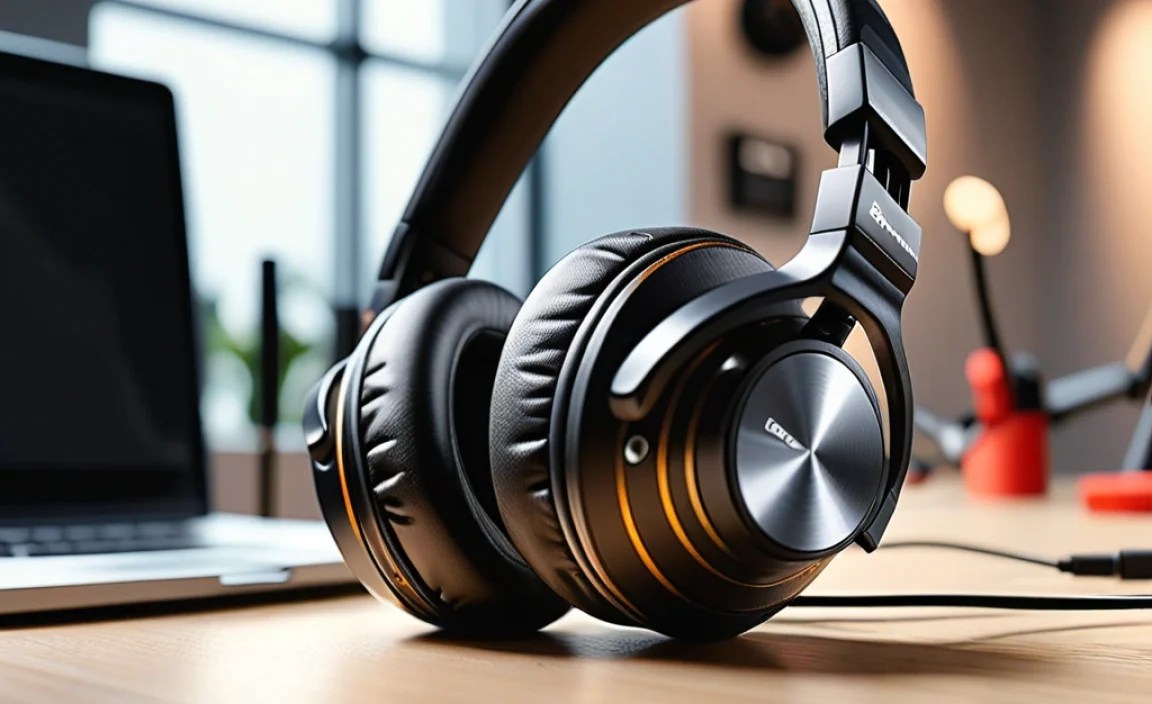
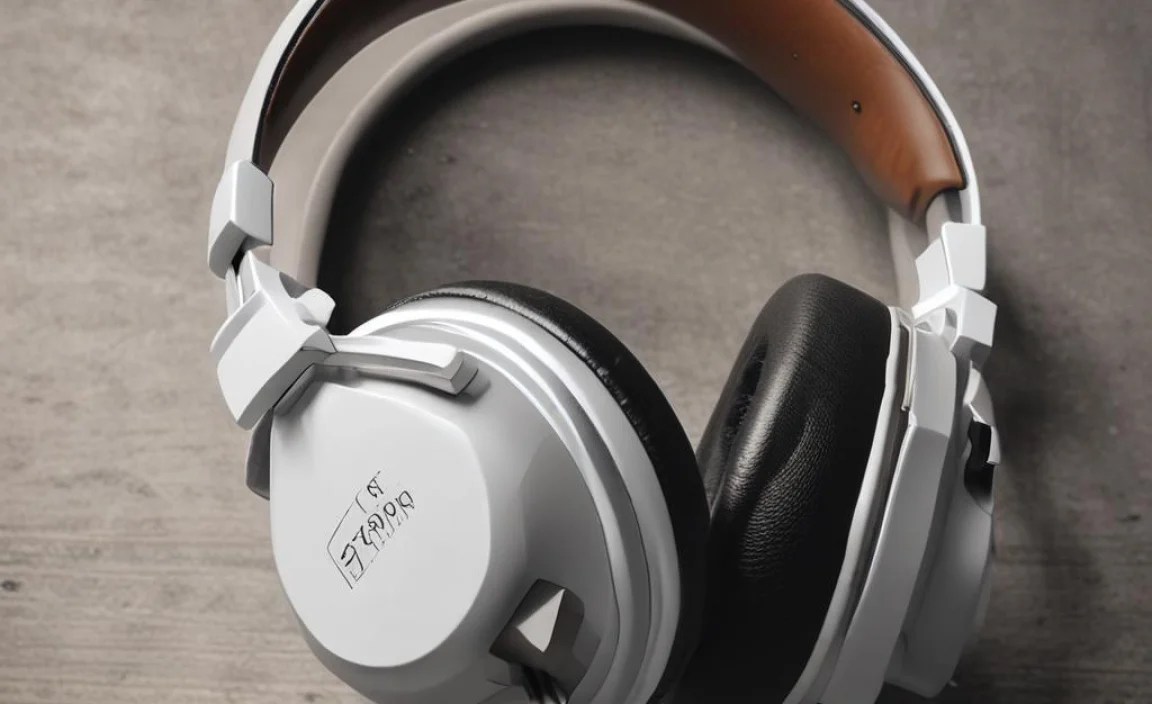
These headphones cup around your entire ear. They offer excellent comfort and passive noise isolation due to their size and seal.
- Pros:
- Superior comfort for long listening sessions.
- Often provide better sound quality and bass response.
- Great passive noise isolation.
- Many models include ANC.
- Cons:
- Can be bulky and less portable.
- May cause ears to get warm over time.
Best for: Dedicated study sessions, dorm room use, commutes where you want maximum immersion and quiet. Look for models with plush earcups and an adjustable, padded headband. Brands like Sony, Sennheiser, and even more budget-friendly options like Audio-Technica often have great choices.
On-Ear Headphones
These rest directly on your ears. They are typically lighter and more compact than over-ear models.
- Pros:
- More portable than over-ear.
- Can be more comfortable in warmer environments.
- Generally less expensive than comparable over-ear models.
- Cons:
- Less noise isolation compared to over-ear.
- Can cause ear fatigue or pressure discomfort after extended wear.
- Sound quality might not be as rich as over-ear.
Best for: Students who need something lighter and more portable than over-ear headphones but still want decent coverage. They’re a good middle ground if ANC isn’t a must-have and you don’t want to go fully in-ear.
In-Ear Headphones (Earbuds)
These fit inside your ear canal. They are the most portable and discreet option. True wireless (TWS) earbuds have become incredibly popular.
- Pros:
- Extremely portable and compact.
- Offer good passive noise isolation (when sealed properly).
- Many TWS models offer ANC.
- Great for exercise and on-the-go.
- Cons:
- Can be uncomfortable for some people during long wear times.
- Easy to lose (especially individual buds).
- Sound quality can vary greatly; bass can be less pronounced without a good seal.
Best for: Students who prioritize portability, a sleek look, or need something sweat-resistant for workouts. True wireless earbuds with active noise cancellation are excellent for drowning out commuting noise. Brands like Apple (AirPods Pro), Samsung (Galaxy Buds), and Sony (WF-1000XM series) are top contenders, but many affordable options exist.
Recommended Features and Technologies
Beyond the basic types, certain features can elevate your headphone experience as a student.
Active Noise Cancellation (ANC) for Deep Focus
ANC is a technological marvel that can transform your study environment. It’s particularly effective at reducing consistent, low-frequency background noises like:
- Air conditioning units
- Bus or train engines
- The general hum of a busy library or coffee shop
While ANC is most common in over-ear headphones, it’s increasingly found in premium true wireless earbuds. If you’re easily distracted, investing in ANC can be a game-changer for both study and general well-being. For more on how ANC works, check out this resource from the University of South Wales.
Transparency Mode (Ambient Sound)
A clever feature often paired with ANC is Transparency Mode. This mode uses the headphone’s microphones to allow external sounds in. It’s incredibly useful for:
- Hearing announcements on public transport.
- Quick conversations without removing your headphones.
- Staying aware of your surroundings if you’re walking or cycling.
Many ANC headphones allow you to toggle between noise cancellation and transparency mode with the press of a button or a voice command.
Microphone Quality
If you’ll be attending online lectures, participating in virtual study groups, or making calls, a good built-in microphone is crucial. Poor microphone quality can lead to frustrated classmates and professors who can’t hear you clearly. Look for reviews that specifically mention microphone performance in noisy environments.
Connectivity Options
For wired headphones, ensure the connector (usually 3.5mm) is compatible with your devices. For wireless, Bluetooth version matters. Bluetooth 5.0 and above offer better range, stability, and power efficiency. Some headphones also support multipoint connectivity, allowing you to connect to two devices simultaneously (e.g., your laptop and phone), which is incredibly convenient for students.
Budget-Friendly Options for Students
You don’t need to break the bank to get a great pair of student headphones. Here are some areas to explore for value-packed options:
When to Splurge vs. Save
Splurge On:
- Active Noise Cancellation: If you’re a student who needs silence to function, ANC is worth the investment.
- Comfort: Especially for over-ear headphones, comfort for long study sessions is a top priority.
- Durability: A product that lasts longer than a semester is a smart buy.
Save On:
- Brand Name (sometimes): Premium brands often have older, still-great models at reduced prices.
- Fancy Features you won’t use: If you only need basic wireless connectivity, you don’t need the absolute latest codec support.
- Wired models: For simple, reliable audio, wired headphones offer incredible value.
Brand Recommendations (General Price Tiers)
Here’s a general guide to brands that often offer good value for students across different budgets:
| Price Range | Recommended Brands for Students | Key Features to Look For |
|---|---|---|
| Budget ($30 – $70) | Anker Soundcore, JLab, Audio-Technica (entry-level), Skullcandy (entry-level) | Good basic sound, decent comfort, reliable wired connections, longer battery life on wireless models. |
| Mid-Range ($70 – $150) | Sony (entry/mid ANC models), Sennheiser (entry/mid models), Jabra (earbuds), JBL | Decent ANC on some models, improved comfort and build quality, better sound clarity, true wireless options with good battery. |
| Premium ($150+) | Sony (high-end ANC), Bose (ANC), Sennheiser (higher-end), Apple (AirPods Pro/Max), Beats (some models) | Top-tier ANC, excellent comfort and sound, premium build, advanced features (multipoint, superior mics), often best for long-term investment. |
Remember to check reviews specifically for student use-case scenarios!
Step-by-Step Guide: Choosing Your Perfect Pair
Ready to find your ideal audio companion? Follow these steps:
Step 1: Assess Your Study Environment
Where do you do most of your studying?
- Noisy Dorm/Apartment? Prioritize Excellent Noise Isolation or Active Noise Cancellation. Over-ear headphones or ANC earbuds are ideal.
- Quiet Library/Home? Basic noise isolation might be sufficient. You can focus more on comfort and sound quality.
- Commuting Constantly? Portability, ANC, and good battery life are key. Wireless earbuds or compact foldable over-ear headphones are great.
Step 2: Determine Your Budget
Be realistic about what you can spend. Remember that a slightly more expensive, durable, and comfortable pair might save you money in the long run by not needing replacement as often.
Step 3: Decide on Type (Over-Ear, On-Ear, In-Ear)
Based on your comfort preferences and portability needs, pick the general form factor that appeals most.
Step 4: Prioritize Key Features
Rank the features we discussed (comfort, ANC, battery, durability, mic quality) in order of importance for your specific needs.
Step 5: Read Reviews and Watch Videos
Once you have a few models in mind, dive into reviews from reputable tech sites and user feedback. Look for discussions about:
- Comfort during long wear
- Effectiveness of ANC or noise isolation
- Sound quality for spoken word (lectures) and music
- Microphone performance
- Durability and build quality over time
Websites like Rtings.com, CNET, and TechRadar offer in-depth, data-driven reviews.
Step 6: Check Compatibility
Ensure the headphones will work seamlessly with your laptop, phone, and any other devices you plan to use them with.
Step 7: Consider Warranty and Return Policies
Especially if buying online, know the warranty period and how easy it is to return or exchange if they aren’t the right fit.
Essential Headphone Care for Longevity
To get the most out of your investment, proper care is essential. Here’s how to keep your headphones in top shape:
Cleaning Your Headphones
Regular cleaning prevents grime buildup and ensures hygiene.
- Earcups/Ear Pads: For over-ear and on-ear headphones, gently wipe the earcups with a slightly damp, soft cloth (microfiber is best). For stubborn dirt or sweat, use a cloth dampened with a mild soap and water solution, then wipe with a clean, damp cloth to remove residue. Ensure they are completely dry before use. If your ear pads are removable, you can sometimes handwash them with mild soap and water, but always check the manufacturer’s instructions first.
- Headband: Wipe the headband with a similar damp cloth.
- Earbuds: For individual earbuds, use a dry cotton swab or a soft, dry cloth. For charging contacts, use a dry cotton swab or a pencil eraser gently. For the earbuds themselves, a slightly damp cloth can be used sparingly. Be extremely careful not to let moisture enter any openings.
- Charging Case: Wipe the charging case with a dry, soft cloth.
- Speaker Grilles: Use a
