
Choosing the right headphones for studio recording is crucial for accurate monitoring. Look for flat frequency response, comfortable design for long sessions, and closed-back isolation to prevent sound bleed. This guide breaks down essential features and helps you find the perfect pair for clear, reliable audio work.
Good Headphones for Studio Recording: Your Essential Choice for Accurate Monitoring

Hey there, audio enthusiasts and aspiring musicians! Edward Cavitt here from headphonehorizon, your friendly guide to all things sound. Ever found yourself in the studio, trying to capture that perfect take, only to second-guess your mix because your headphones just aren’t telling the whole story? It’s a common challenge, but the good news is, it’s easily solved with the right gear.
Picking “good headphones for studio recording” isn’t just about finding something that sounds good; it’s about finding equipment that’s honest. These aren’t your everyday casual listening cans. Instead, they are precision tools designed to reveal every nuance of your audio, ensuring your recordings translate beautifully across different playback systems. Let’s dive in and make sure you choose wisely, so your sound is always spot-on!
Why Studio Headphones Are Different

Before we get into the nitty-gritty of choosing the best headphones for studio recording, let’s understand what makes them unique. Unlike consumer headphones, which are often designed to make music sound more exciting with boosted bass and treble, studio headphones aim for neutrality. This means they reproduce sound as accurately as possible, without coloring it.
This “flat frequency response” is your best friend when you’re mixing, mastering, or tracking vocals, as it allows you to hear exactly what’s in your audio signal. Any adjustments you make based on this neutral representation will then translate better when your audience listens on their own devices. Think of it as having a perfectly calibrated measuring tool for sound.
This accuracy is vital for a few key reasons:
- Accurate Mixing Decisions: You need to hear the true balance of instruments, the presence of reverb, and the subtle details in a vocal performance.
- Identifying Flaws: Studio headphones help you pinpoint unwanted noises like mic bleed, clicks, pops, or distortion that might be masked by hyped consumer headphones.
- Consistent Playback: Knowing how your mix sounds on a flat-response headphone means you have a better idea of how it will sound on car stereos, laptop speakers, or other common listening devices.
Key Features to Look for in Studio Recording Headphones

When you’re on the hunt for “good headphones for studio recording,” a few specific features rise to the top. These characteristics ensure you’re getting a tool that’s built for the demands of a professional (or aspiring professional) audio environment.
1. Frequency Response: Aiming for Flatness
This is the most critical feature. A flat frequency response means the headphones reproduce all audible frequencies (from bass to treble) at roughly the same volume level. This allows you to hear the audio signal precisely as it is, without any specific frequencies being unnaturally emphasized or suppressed.
You’ll often see headphones advertised with a frequency range, like 20Hz to 20kHz. While this is important, the consistency across that range is what separates true studio monitors from consumer cans. For studio work, a response that deviates by +/- 3dB or less across the audible spectrum is generally considered very good.
Why is flatness so important? Imagine trying to paint a picture with colors that are slightly off. Your final artwork won’t match your vision. Similarly, if your headphones boost the bass, you might end up reducing the bass in your mix, only to find it too thin when played back elsewhere. A flat response ensures your decisions are based on reality.
2. Type of Headphones: Open-Back vs. Closed-Back
This is a fundamental choice with significant implications for studio work.
a) Closed-Back Headphones
These headphones have a sealed ear cup design. This is crucial for studio recording, especially when tracking instruments or vocals.
- Isolation: The primary benefit of closed-back headphones is their ability to prevent sound from leaking out and being picked up by microphones. This is paramount when someone is singing or playing an instrument while wearing them, ensuring the headphone audio doesn’t bleed into the vocal track, for example.
- Sound Isolation: They also do a decent job of blocking external noise from entering the ear, which can help you focus on the audio you’re monitoring.
- Bass Response: Generally, closed-back headphones tend to offer a stronger, more impactful bass response due to the enclosed nature of the earcups.
Best for: Tracking vocals, acoustic instruments, podcasts, noisy environments, or when extreme isolation is needed.
b) Open-Back Headphones
These headphones have earcups that are vented or perforated, allowing air and sound to pass through. They offer a different listening experience.
-
- Natural Soundstage: Open-back headphones are renowned for their open, airy sound and spacious stereo imaging. They often create a more natural listening experience, mimicking how we hear sound in real life, with sound coming from all around rather than being “in our head.”
- Less Ear Fatigue: The open design can reduce pressure and heat buildup around the ears, making them more comfortable for extended listening sessions.
Sound Leakage:
- This is the major drawback for recording. Open-back headphones leak sound significantly, both in and out. They are unsuitable for monitoring while tracking any sound source that you don’t want to pick up through a microphone.
- Less Bass Emphasis: While they can be accurate, they typically don’t provide the same low-end punch as closed-back models due to air escaping the earcups.
Best for: Mixing, mastering, critical listening, and situations where bleed isn’t a concern.
3. Comfort and Fit: For Long Sessions
Studio work often involves long hours. Headphones that aren’t comfortable will quickly become a distraction, hindering your productivity and potentially affecting your judgment. Look for:
- Padded Earcups: Plush, breathable materials like velour or memory foam are ideal to cushion your ears.
- Adjustable Headband: A well-padded and adjustable headband ensures a snug but not overly tight fit.
- Weight: Lighter headphones are generally more comfortable for extended wear.
- Clamping Force: The force with which the headphones grip your head. Too much can cause headaches, too little and they might slip.
4. Durability and Build Quality
Studio gear gets used frequently and sometimes handled roughly. Investing in headphones with robust construction means they’ll last longer and withstand the rigors of a studio environment. Metal components, reinforced cables, and solid plastic are good indicators of longevity.
5. Cable Design
Look for detachable cables whenever possible. This makes replacing a damaged cable incredibly easy and cost-effective. Also, consider cable length – a longer cable (e.g., 10ft or 3m) offers more freedom of movement, while a shorter, coiled cable can be useful for desk work to avoid tangles.
Many professional headphones use standard connectors like 3.5mm or 1/4″ jacks, often with a screw-on adapter to fit different audio interfaces and equipment.
Top Types of Headphones for Studio Recording (A Comparative Look)

To help you visualize your options, here’s a look at some popular categories and what to expect. It’s important to note that brands often have specific models that excel in different areas, but these general types can guide your search for “good headphones for studio recording.”
| Headphone Type | Typical Use Case in Studio | Key Characteristics | Pros | Cons |
|---|---|---|---|---|
| Closed-Back (Over-Ear) | Tracking (Vocals, Instruments), General Monitoring | Sealed earcups, good isolation, often wider dynamic range. | Prevents sound bleed into mics, reduces ambient noise, often strong bass response. | Can sometimes feel less “airy” or spacious than open-back, potential for ear fatigue over very long periods if not well-ventilated. |
| Open-Back (Over-Ear) | Mixing, Mastering, Critical Listening, Playback | Vented earcups, natural soundstage, less isolation. | Excellent stereo imaging and sense of space, comfortable for long sessions, less ear fatigue. | Significant sound leakage (unsuitable for tracking), poor isolation from external noise. |
| On-Ear (Closed or Open) | Reference Monitoring (less common as primary), DJing | Cups rest on the ears, can be more portable. | More portable, can be less isolating than over-ear (even closed-back). | Can cause more discomfort over long periods, less effective isolation, sound leakage can still be an issue. |
Essential Setup and Usage Tips
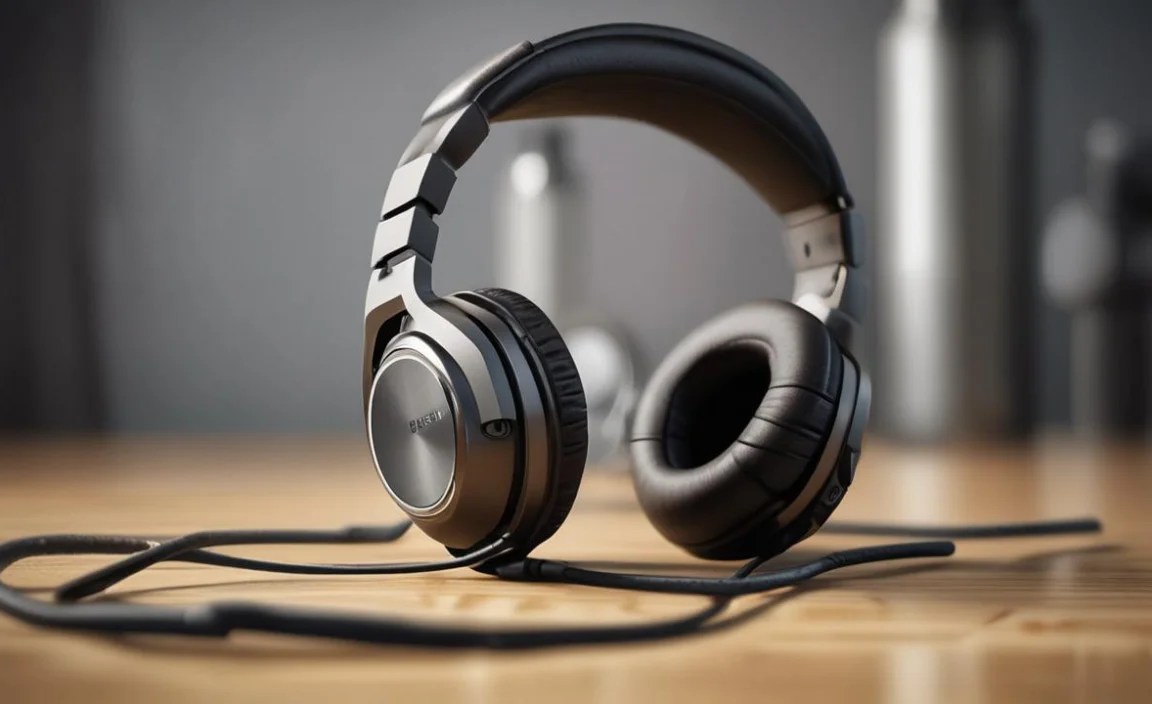
Once you’ve chosen your good headphones for studio recording, here’s how to get the most out of them:
- Connect to the Right Output: Always plug your headphones into the dedicated headphone output on your audio interface or mixer. Avoid using your computer’s built-in headphone jack, as it’s generally not designed for professional audio monitoring and can introduce unwanted noise or latency.
- Adjust Volume Gradually: Start with the volume at a low level and gradually increase it. Hearing damage can occur from prolonged exposure to loud noises, and it’s much harder to judge mixes accurately at extreme volumes. The National Institute on Deafness and Other Communication Disorders (NIDCD) offers valuable resources on protecting your hearing.
- Break Them In: Like new speakers, headphones can sometimes benefit from a “burn-in” period. This involves playing audio through them for several hours (usually 20-50 hours) at moderate volumes. While the audible difference can be subtle and debated, it can help the drivers settle in for potentially more consistent performance right from the start.
- Listen Across Different Media: While your studio headphones are your primary tool, it’s wise to check your mix on other systems (like consumer headphones, car audio, or small speakers) to ensure it translates well. This is part of the mastering process.
- Maintain Them: Keep your headphones clean. Wipe down the earcups and headband regularly to remove sweat and earwax. Store them carefully to avoid damaging the drivers or cables.
Popular & Respected Brands for Studio Headphones
While personal preference plays a role, several brands consistently deliver reliable and accurate studio headphones. These are often the go-to choices for professionals and are great starting points when looking for “good headphones for studio recording.”
- Sennheiser: A giant in the audio world, known for its durable and neutral-sounding headphones like the HD 280 Pro (closed-back) and HD 600/650 (open-back).
- Audio-Technica: Offers excellent value with popular models like the ATH-M50x (closed-back), which strikes a balance between neutrality and a slightly pleasing sound signature, and the ATH-M70x for more critical monitoring.
- Beyerdynamic: Renowned for their robust build quality and clear sound. The DT 770 Pro (closed-back) is a studio staple, and the DT 990 Pro (open-back) is a favorite for mixing.
- AKG: Historically, AKG has produced some of the most respected studio headphones, such as the K240 (semi-open back) which offers a unique blend of isolation and spaciousness, and the K701/702 series (open-back) for critical listening.
- Sony: While known for consumer audio, Sony also produces professional-grade studio headphones like the MDR-7506, a long-standing industry standard for its reliability and clear sound.
Budget Considerations: Finding Good Headphones for Studio Recording Without Breaking the Bank
You don’t always need to spend a fortune to get excellent monitoring capabilities. There are fantastic “good headphones for studio recording” options available across various price points:
- Entry-Level (Under $100): You can find solid closed-back options here that offer a decent level of neutrality and isolation. They might not have the ultimate refinement or comfort of high-end models, but they are perfectly capable for beginners. Examples include the Samson SR850 (semi-open) or certain Audio-Technica ATH-M20x/M30x models.
- Mid-Range ($100 – $250): This is often the sweet spot for value and performance. You’ll find industry workhorses like the Audio-Technica ATH-M50x, Beyerdynamic DT 770 Pro, Sennheiser HD 280 Pro, and AKG K240 Studio. These offer a significant step up in build quality, comfort, and sonic accuracy.
- High-End ($250+): Here you’re looking at top-tier accuracy, superior comfort, and advanced driver technology. Models like the Beyerdynamic DT 990 Pro, Sennheiser HD 600/650, and various planar magnetic or electro-static options fall into this category. These are often preferred for mixing and mastering where every sonic detail matters.
Always read reviews and, if possible, try headphones on before buying. A good pair of headphones is an investment in your sound quality.
Frequently Asked Questions (FAQs)
Q1: Can I use my regular consumer headphones for studio recording?
While you can, it’s generally not recommended for critical work. Consumer headphones are often “hyped” with boosted bass and treble to make music sound more exciting. This means they won’t give you an accurate representation of your audio, leading to flawed mixing and mastering decisions. For tracking, they also often lack the necessary isolation, leading to sound bleed into your microphones, which is a headache to fix later.
Q2: What’s the difference between monitoring headphones and regular headphones?
Monitoring headphones (studio headphones) are designed for accuracy and neutrality. They have a flat frequency response, meaning they reproduce sound without artificial coloration. Regular (consumer) headphones are often designed to be pleasing to the ear, with exaggerated bass and treble, which makes music sound “better” but isn’t ideal for analytical listening and precise audio work.
Q3: How important is it for studio headphones to be comfortable?
Extremely important! Studio sessions can last for several hours. If your headphones are uncomfortable, they will be a distraction, leading to fatigue, poor focus, and potentially inaccurate judgment of your audio. Prioritize comfort, especially if you’ll be wearing them for extended periods.
Q4: Do I need both open-back and closed-back headphones?
Many professionals find it beneficial to have both. A good pair of closed-back headphones is essential for tracking (recording vocals or instruments) due to their isolation. Open-back headphones excel at providing a natural, spacious soundstage for detailed mixing and mastering. If you’re on a budget as a beginner, starting with a good pair of closed-back headphones for tracking and general monitoring is usually the most practical first step.
Q5: What does “impedance” mean for studio headphones?
Impedance, measured in Ohms (Ω), refers to the electrical resistance of the headphone drivers. Low-impedance headphones (typically under 50Ω) are easier to drive and work well with mobile devices and standard computer sound cards. High-impedance headphones (often 250Ω or more) typically require a more powerful amplifier (like one found in an audio interface or dedicated headphone amplifier) to achieve sufficient volume and optimal sound quality. For studio interfaces, headphones in the 80-250Ω range are common and offer a good balance.
Q6: How can I protect my hearing while using studio headphones?
Always start with the volume at a low level and gradually increase it. Avoid listening at excessively high volumes for prolonged periods, as this can cause permanent hearing damage. Take regular breaks from listening entirely. The Centers for Disease Control and Prevention (CDC) provides detailed information on noise-induced hearing loss and its prevention.
Conclusion
Choosing the right headphones for studio recording is a pivotal step in elevating your audio production quality. By focusing on a flat frequency response, the appropriate type of headphone (closed-back for tracking, open-back for mixing), comfort, and reliable build quality, you’re setting yourself up for success. These specialized tools empower you to make informed decisions, capture pristine performances, and craft mixes that translate beautifully across the board. Remember, they are your eyes and ears in the sonic landscape, and investing in a
