
Quick Summary: Enhance your listening experience with a headphone headband cover! Easy to install, these covers add plush comfort, protect your original headband from wear and tear, and can even freshen up the look of your favorite headphones. Learn how to choose, install, and care for yours for maximum enjoyment and longevity.
Headband Cover for Headphones: Essential Comfort for Every Listener
Hey there, fellow music lovers and audio adventurers! Edward Cavitt here from Headphone Horizon. Do you ever find yourself lost in your music, only to be pulled back to reality by a slightly uncomfortable headphone headband? Perhaps it feels a bit too tight, a little rough, or maybe you’re just worried about those inevitable signs of wear and tear? You’re not alone! Many of us invest in quality headphones, but the comfort of the headband can sometimes be an afterthought, or worse, a source of irritation. Thankfully, there’s a simple, effective, and surprisingly affordable solution: the headphone headband cover. This humble accessory can transform your listening sessions from merely good to absolutely sublime. Let’s dive into why a headband cover is a game-changer for your audio gear and how you can easily bring this essential comfort into your life.
Why You Need a Headband Cover for Your Headphones

Think of your headphone headband as the primary contact point between your head and your audio enjoyment. If that point isn’t comfortable, the entire experience can be compromised. A well-designed headband cover doesn’t just feel good; it offers a range of practical benefits that extend the life and improve the usability of your beloved headphones.
Boosted Comfort: Less Pressure, More Listening
This is, by far, the most significant advantage. Many headphone headbands, especially those on larger over-ear models, rely on firm padding. While this provides stability, it can sometimes lead to pressure points, especially during long listening sessions. A soft headband cover, often made from materials like plush fabric, faux leather, or memory foam, distributes pressure more evenly. This “cloud-like” feeling can make hours of listening feel significantly more enjoyable, reducing fatigue and the need to constantly readjust your headset.
Protection Against Wear and Tear
Headphones, particularly the headband, are subjected to constant stress. Friction from your hair, oils from your skin, sweat, and even accidental bumps can degrade the original padding over time. This can lead to peeling, cracking, or thinning of the material. A headband cover acts as a protective shield, absorbing much of this daily wear and tear. This is especially crucial for headphones with faux leather or protein leather headbands, which are prone to flaking over time. Protecting the original headband means your headphones will look better for longer and retain their value.
Freshen Up Your Look
Sometimes, you just want a change! Headband covers come in a vast array of colors, patterns, and materials. This offers an easy and inexpensive way to personalize your headphones and give them a fresh, new look. Whether you want a sleek black upgrade, a vibrant splash of color, or a luxurious velour feel, there’s a cover out there to match your style.
Hygiene and Easy Cleaning
Let’s be honest, headbands can get a little… unhygienic. Sweat, dust, and skin oils can accumulate, leading to an unpleasant odor or even potential skin irritation for some. Most headband covers are designed to be easily removable and washable. This means you can keep your headphones feeling fresh and clean, which is a huge benefit for daily use, especially if you exercise with your headphones or live in a warmer climate.
Discreetly Cover Up Existing Damage
If your headphone headband has already started to show signs of aging – maybe some minor cracks or worn patches – a headband cover can be the perfect solution to hide these imperfections and give your headphones a new lease on life without costing a fortune on professional repairs or replacement.
Types of Headband Covers for Headphones

Not all headband covers are created equal. The material and design can significantly impact the comfort and protection they offer. Here’s a look at some of the most common types:
Material Breakdown
- Plush Fabric/Velour: These offer supreme softness and breathability. They’re excellent for comfort during long sessions and can provide a luxurious feel. They are good at wicking away moisture too.
- Faux Leather/Protein Leather: These often mimic the look and feel of the original headphone padding. They provide a smooth surface and decent durability, but can sometimes feel less breathable than fabric options. They are very effective at protecting the original material from direct contact.
- Memory Foam: Some covers incorporate a layer of memory foam for unparalleled cushioning. This material molds to the shape of your head for a personalized, pressure-relieving fit.
- Neoprene: Often used in athletic headphones, neoprene offers a good balance of cushioning, sweat resistance, and durability. It’s a comfortable and practical choice for active lifestyles.
Design and Installation Styles
The way a cover attaches to your headband also matters:
- Zippered Sleeves: These are arguably the most common and easiest to install. You simply slide the cover over the headband and zip it up. This creates a snug fit and is very secure.
- Velcro Wraps: These are adjustable and can offer a customized fit. They’re also easy to put on and take off, making them ideal for frequent cleaning or swapping.
- Strap-on Covers: Some designs might use elastic straps or ties to secure the cover in place. These can be effective but might shift more easily than zippered or Velcro options.
Choosing the Right Headband Cover: A Simple Guide

With so many options, how do you pick the perfect headband cover for your headphones? Here’s a step-by-step approach to ensure you get the best fit and feel.
Step 1: Measure Your Headband
Before you buy, grab a soft measuring tape. Measure the circumference and width of your headphone’s original headband. Many covers are designed to fit a range of sizes, but knowing your measurements will help you match it to the product specifications. Pay attention to the maximum circumference the cover can accommodate.
Step 2: Consider Your Priority: Comfort vs. Protection vs. Style
- For Maximum Comfort: Look for plush fabrics, velour, or memory foam materials. These will offer the softest feel.
- For Durability & Protection: Faux leather or neoprene can be excellent choices, offering a resilient barrier against wear and tear.
- For Aesthetics: Browse the available colors and patterns. If you want to match your headphones or stand out, this is where you’ll make your choice.
Step 3: Check Compatibility with Your Headphone Model
While most universal covers fit many headphones, some brands and models have unique headband shapes. If you have particularly thick or uniquely shaped headbands, it’s worth searching for covers specifically designed for your headphone model (e.g., “Sony WH-1000XM4 headband cover” or “Bose QC35 headband cover”). Many third-party accessory makers cater to popular headphone models.
Step 4: Read Reviews
What do other users say? Reviews can offer invaluable insights into real-world comfort, durability, ease of installation, and how well a cover fits specific headphone models. Look for comments on breathability and whether the material causes irritation.
How to Install a Headband Cover: It’s Easier Than You Think!
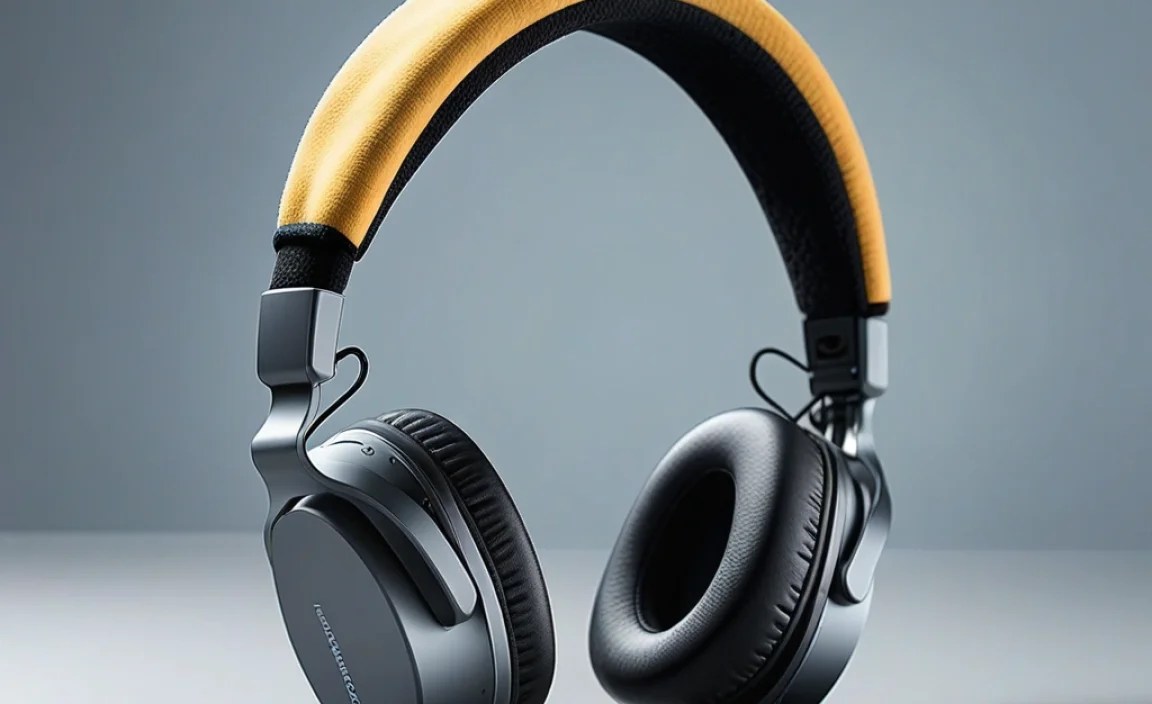
Installing a headband cover is generally a straightforward process, especially with the popular zippered designs. Here’s a general guide that will cover most types:
For Zippered Covers:
- Prepare Your Headphones: Gently clean the original headband to remove any dust or oils. This ensures a clean surface for the cover.
- Unzip the Cover: Fully unzip the headband cover.
- Position the Cover: Place the open cover over the center of your headphone’s original headband.
- Slide and Zip: Gently start sliding the cover along the headband while simultaneously zipping it up. Work slowly and evenly, ensuring the fabric doesn’t bunch up. You might need to stretch the cover slightly.
- Adjust for Fit: Once zipped, ensure the cover is snug and centered. It shouldn’t feel too tight, nor should it be loose and prone to shifting.
For Velcro or Strap-on Covers:
- Prepare Your Headphones: Clean the original headband.
- Position the Cover: Lay the cover onto the headband.
- Secure the Fastenings: Wrap the cover around the headband and secure it using the Velcro straps or ties. Adjust the tension to achieve a comfortable, snug fit.
- Check Stability: Gently tug on the cover to ensure it’s securely attached and won’t slide around during use.
Pro Tip: If you’re having trouble zipping, a tiny bit of petroleum jelly along the zipper teeth can sometimes help them glide more smoothly. For very tight fits, sometimes laying the headphones flat and applying even pressure helps.
Caring for Your Headband Cover
To ensure your new headband cover lasts and remains hygienic, proper care is key. Most fabric covers can be hand-washed or machine-washed on a delicate cycle. Always check the manufacturer’s instructions.
General Care Steps:
- Hand Washing: Use cool water and a mild detergent. Gently agitate the cover, rinse thoroughly, and squeeze out excess water (don’t wring!).
- Machine Washing: Place the cover in a mesh laundry bag for protection. Wash on a gentle cycle with cold water.
- Drying: Air drying is almost always the best option to maintain the material’s integrity and prevent shrinkage or damage. Lay it flat or hang it to dry. Avoid direct sunlight for extended periods, which can fade colors.
- For Faux Leather: These can typically be wiped clean with a damp cloth and mild soap. Avoid harsh chemicals or abrasive cleaners.
Regular cleaning will not only keep your headphones hygienic but also help prevent the buildup of sweat and oils that can degrade both the cover and your original headband over time.
Headband Cover Materials and Their Pros & Cons
Choosing the right material is crucial for comfort, durability, and maintenance. Here’s a comparative look:
| Material | Pros | Cons |
|---|---|---|
| Plush Fabric/Velour | Extremely soft, breathable, good moisture wicking, luxurious feel. | Can absorb odors if not cleaned regularly, potentially less durable than synthetic materials over the long term. |
| Faux Leather/Protein Leather | Smooth feel, easy to wipe clean, good protection against skin oils and minor wear, aesthetically pleasing. | Can be less breathable, prone to cracking/peeling over time (though better than original padding often), can feel sticky in hot weather. |
| Memory Foam | Superior cushioning, pressure relief, molds to head shape for personalized comfort. | Can increase heat retention, might be slightly bulkier, may affect headphone foldability. |
| Neoprene | Durable, good sweat resistance, provides decent cushioning, flexible. | Can have a distinct rubbery smell initially, might feel a bit stiff compared to plush options. |
Headband Covers for Specific Headphones: A Growing Market
The popularity of high-quality headphones has led to a booming market for accessories, including specialized headband covers. If you own a sought-after model, you’re likely to find custom-fit options. For example, popular models like the Sony WH-1000XM series, Bose QuietComfort series, or Sennheiser Momentum headphones often have dedicated replacement headband cushions and covers available from both the manufacturer and third-party sellers. These are designed to perfectly match the contours and attachment points of the original headband.
Searching for “replacement headband cushion for [Your Headphone Model]” can yield excellent results. Some manufacturers even offer these as official accessories, ensuring perfect compatibility and quality. For instance, resources like the Rtings.com headphone reviews often discuss aftermarket accessory recommendations if comfort or durability is a noted issue with a specific model.
Troubleshooting Common Issues
While generally hassle-free, you might encounter minor snags. Here are a few common issues and solutions:
- Cover is too loose or shifts: Ensure you’ve chosen the correct size or a cover designed for your headband’s circumference. If it’s a universal fit, try adding a thin layer of fabric or foam underneath, or use fabric tape to create a more snug fit. For zippered covers, ensure the zipper is fully closed and not snagging.
- Cover is too tight and difficult to zip/install: Gently stretch the cover before installation. If it’s a zippered cover, try applying a lubricant (like graphite pencil lead rubbed on the teeth, or a tiny amount of petroleum jelly). Ensure the original headband isn’t excessively thick beyond the cover’s capacity.
- Material causes irritation: If you have sensitive skin, opt for hypoallergenic materials like soft cotton or organic velour after consulting with a dermatologist about common allergen concerns related to synthetic materials. Ensure the seams aren’t rubbing against your skin.
- Odors persist after washing: For persistent odors, try soaking the cover in a solution of equal parts water and white vinegar for 30 minutes before washing as usual. Ensure thorough drying. Baking soda can also be sprinkled on dry fabric to absorb odors before washing.
Frequently Asked Questions (FAQ)
Q1: Will a headband cover affect my headphone’s sound quality?
No, a headband cover is installed on the part that contacts your head and has no direct impact on the audio drivers or how sound is produced or travels to your ears. The sound quality will remain the same.
Q2: Are all headband covers washable?
Most fabric-based covers are washable. Faux leather covers are usually best wiped clean. Always check the care instructions provided by the manufacturer for the specific cover you purchase.
Q3: My headphone’s original headband is already damaged. Can a cover still help?
Yes! A headband cover is an excellent way to hide existing minor damage like cracks or peeling. It provides a fresh, new surface while protecting the compromised area from further deterioration.
Q4: How do I measure my headphone headband correctly?
Use a soft measuring tape to measure the circumference of the headband where it rests on your head. Also, measure the width of the padded section. This information is crucial for finding a cover with the right fit.
Q5: Can I use a headband cover on wired headphones?
Absolutely! The type of cable or whether the headphones are wired or wireless has no bearing on the function or compatibility of a headband cover. It’s purely about the physical headband itself.
Q6: Will a cover make my headphones feel hotter on my head?
Some materials, like thicker memory foam or less breathable faux leather, might increase heat retention slightly compared to the original bare headband. However, breathable fabrics like velour are designed to minimize this. If heat is a major concern, prioritize plush, breathable materials like cotton or velour.
Q7: How often should I replace my headphone headband cover?
This depends on usage and material. A well-cared-for cover can last a year or more. Signs it’s time for replacement include noticeable wear and tear on the cover itself, persistent odors that won’t wash out, or a loss of cushioning and support.
Conclusion: Invest in Your Listening Joy
Your headphones are more than just an accessory; they’re your gateway to rich audio experiences, focused work sessions, or simply a moment of peace. Investing a small amount in a quality headband cover for headphones is an investment in your comfort, the longevity of your gear, and your overall listening pleasure. From adding luxurious cushioning to protecting your headphones from the daily grind, these simple additions make a significant difference.
Don’t let an uncomfortable headband cut your listening sessions short or detract from the joy of your music. Explore the options, find a cover that matches your style and comfort needs, and experience the essential comfort it brings. Your ears will thank you for it, and your beloved headphones will stay in top condition for years to come. Happy listening!
