
Quick Summary: Upgrade your travel audio experience with a headphone adapter for airplanes. This small, affordable accessory ensures your standard headphones are compatible with in-flight entertainment systems, letting you enjoy movies, music, and podcasts with superior sound quality and comfort on every journey.
Headphone Adapter For Aviator: The Essential In-Flight Audio Upgrade
Ever settled into your airplane seat, headphones in hand, only to find the entertainment system’s audio jack just… doesn’t fit? It’s a common travel frustration! Thankfully, there’s a simple, budget-friendly solution: a headphone adapter for airplanes. These handy little gadgets bridge the gap between your comfortable, high-quality headphones and the airplane’s unique audio ports. Think of it as the key that unlocks a significantly better listening experience at 30,000 feet. No more squinting at movies or straining to hear announcements over the engine hum. In this guide, we’ll explore why this adapter is a must-have for any frequent flyer and how to choose the right one for your travels.
Why You Need a Headphone Adapter for Airplane Travel

Airplane audio jacks aren’t quite like the ones you find on your phone, laptop, or tablet. They’re typically smaller, and sometimes, they’re even dual-pronged. This difference means your top-tier headphones, designed for crystal-clear sound and noise isolation, might not plug in at all. Relying on flimsy, uncomfortable airline-provided earbuds often means sacrificing sound quality, comfort, and any semblance of noise cancellation. A headphone adapter for airplane use solves this problem directly, allowing you to use the headphones you know and love.
Here’s why it’s an essential travel companion:
- Superior Sound Quality: Your headphones are likely engineered for rich audio. Airline earbuds… not so much. Using your own headphones via an adapter means you can finally enjoy the movies, music, and podcasts with the sound fidelity they deserve.
- Enhanced Comfort: Airplane earbuds are often one-size-fits-all and can be uncomfortable for extended wear. Your personal headphones are designed for your ears, providing a much better fit and feel for long flights.
- Effective Noise Isolation/Cancellation: Many travelers invest in noise-canceling headphones to drown out engine noise and chatter. An adapter ensures these features work to their full potential, creating a more peaceful cabin environment.
- Cost-Effective Solution: Instead of buying special travel headphones, an adapter is an incredibly cheap way to make your existing headphones work.
- Convenience: It’s a small item that takes up minimal space in your carry-on but offers a significant upgrade to your in-flight experience.
Understanding Airplane Audio Jacks
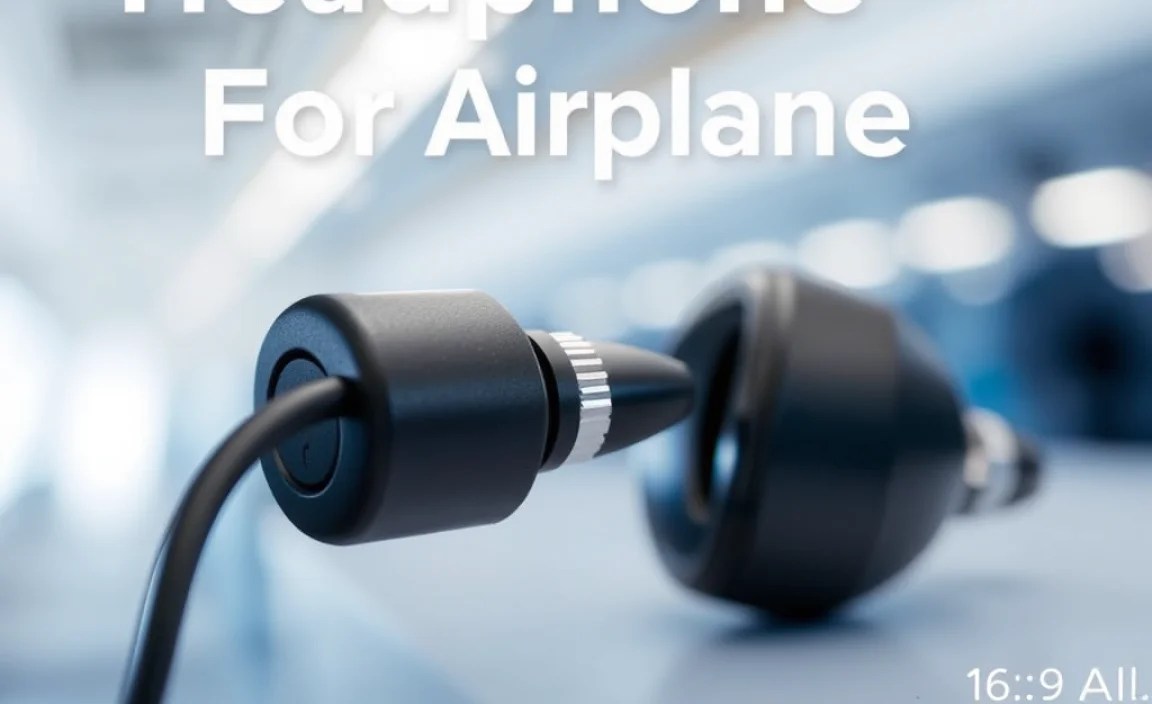
The primary reason we need an adapter is the difference in headphone jacks. Most standard audio devices use a 3.5mm (or 1/8-inch) mono or stereo jack. Airplanes, however, often feature a slightly different setup.
Here’s a breakdown of what you might encounter:
- Single-Prong (1/8-inch or 3.5mm Mono): This is the most common type found on many airlines today. It’s a single slot that can be tricky for standard stereo plugs.
- Dual-Prong (Sometimes 3.5mm and smaller): Older or specific airline systems might have two separate, usually smaller, jacks for left and right audio channels. These are less common now but still exist.
- Standard 3.5mm Stereo Jack: Some modern aircraft, especially in premium cabins or on newer planes, might feature a standard 3.5mm stereo jack that works directly with your headphones. However, it’s always best to be prepared.
The headphone adapter for airplane systems essentially converts these unique airplane ports into a standard 3.5mm stereo jack that your headphones can plug into seamlessly.
Types of Headphone Adapters for Airplanes

Fortunately, there’s a standard solution for most airplane audio jacks. The most relevant adapter for modern air travel is the 3.5mm (1/8-inch) stereo to dual-mono adapter.
Let’s break it down:
- 3.5mm Stereo to Dual-Mono Adapter: This is the workhorse of airplane audio adapters. It takes the stereo signal from your headphones and splits it, sending it to both the left and right audio channels of the airplane’s mono audio port. This ensures you hear the full audio experience, not just one channel through one ear. Most of these adapters will have a standard 3.5mm female jack on one end (for your headphones) and two male prongs on the other end, designed to fit into the airplane’s single audio port.
- Dual-Prong to 3.5mm Adapter: If you happen to encounter an airplane with the rarer dual-prong audio system, you’ll need a specific adapter for that. These typically have two male pins and a standard 3.5mm female jack. These are less common now.
For the vast majority of travelers, the 3.5mm Stereo to Dual-Mono adapter is the one you’ll need. It’s universally compatible with most single-jack airline entertainment systems.
Choosing the Right Headphone Adapter: Key Features
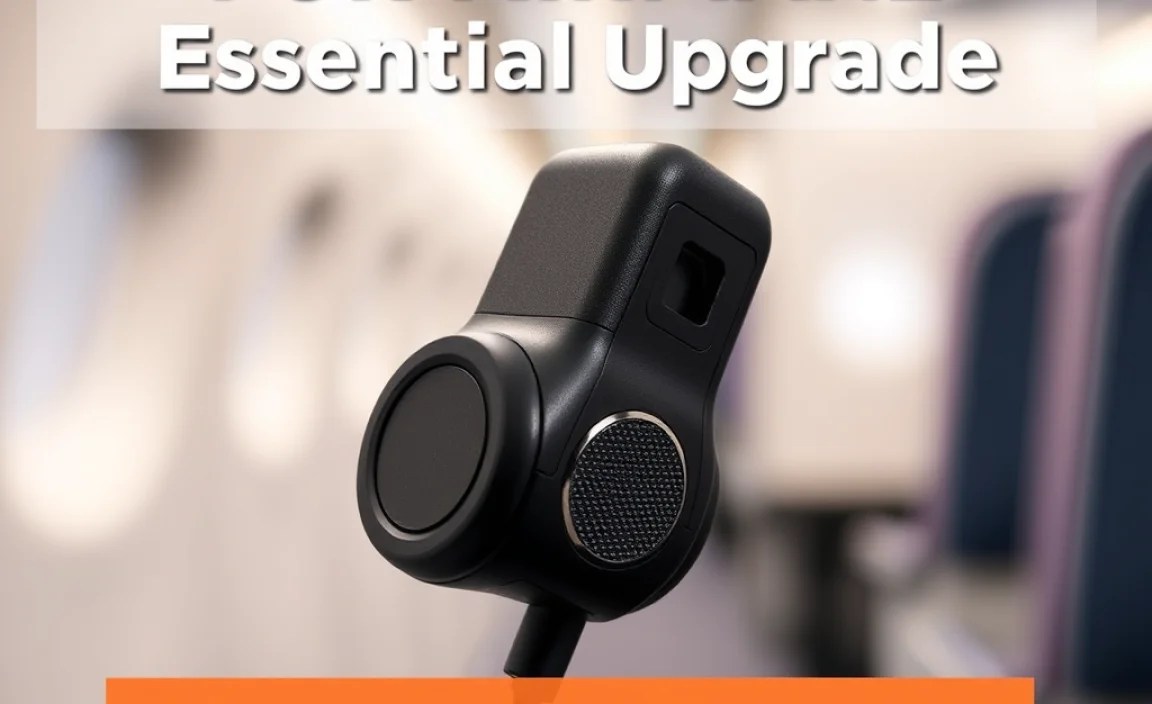
When you’re shopping for a headphone adapter for airplane use, you want something reliable and straightforward. Here’s what to look for:
- Compatibility: Ensure it’s designed for airplane audio ports, often described as a “3.5mm stereo to dual-mono adapter” or “airplane headphone adapter.”
- Durability: Look for sturdy construction. A metal casing is often more robust than plastic. Check reviews for comments on how well it holds up to travel wear and tear.
- Size and Portability: These are meant to be compact. A small, lightweight adapter that won’t add much bulk to your bag is ideal.
- Gold-Plating (Optional but Nice): While not strictly necessary for this application, gold-plated connectors can offer slightly better signal integrity and resist corrosion over time, adding a touch of quality.
- Brand Reputation: Stick with reputable brands known for audio accessories or travel gear.
Table: Popular Headphone Adapter Choices for Travel
| Adapter Type | Typical Use Case | Pros | Cons |
|---|---|---|---|
| 3.5mm Stereo to Dual-Mono | Most single-jack airplane audio ports | Highly compatible, widely available, affordable, ensures stereo audio is synthesized for mono output. | May not work on very old dual-jack systems. |
| Dual-Pin to 3.5mm | Older dual-jack airplane audio ports | Works with less common dual-jack systems. | Not compatible with single-jack ports, less common now. |
How to Use Your Headphone Adapter for Airplane Travel

Using your airplane headphone adapter is incredibly simple. It’s designed for plug-and-play convenience, so you don’t need any technical know-how.
Here’s the step-by-step process:
- Locate the Airplane Audio Port: Once you’re settled in your seat, look for the headphone jack(s) on the armrest or seatback in front of you. Most commonly, you’ll see a single slot that looks similar to, but sometimes slightly different from, a standard headphone port.
- Connect Your Adapter to Your Headphones: Take your standard headphones, which have a 3.5mm plug. Plug this into the female 3.5mm jack on your airplane headphone adapter. It should fit snugly.
- Connect the Adapter to the Airplane Port: Now, take the male prong(s) of your airplane headphone adapter and plug them into the audio port on the airplane’s entertainment system. Ensure they are fully inserted.
- Enjoy Your Audio: Turn on your in-flight entertainment system. You should now be able to hear audio through your headphones. You might need to adjust the volume on the entertainment system and your headphones.
It’s that easy! You’ve now successfully connected your superior audio gear to the plane’s system.
Beyond the Adapter: Maximizing Your In-Flight Audio
While the adapter is the crucial piece, a few other tips can ensure your in-flight audio experience is as good as it can be:
- Choose Your Headphones Wisely: For airplanes, noise-canceling headphones, whether over-ear or in-ear, are a game-changer. They significantly reduce ambient noise.
- Pre-download Content: Traveling often means spotty Wi-Fi. Download your movies, music, and podcasts beforehand to ensure you have plenty of entertainment options.
- Bring a Portable Power Bank: Your headphones and any devices you use to play audio will need power. A fully charged power bank is essential for long journeys. Check airline policies on battery limits; you can usually bring a power bank up to a certain wattage-hour rating in your carry-on. For example, the FAA regulations generally permit them in carry-on baggage.
- Consider Wired Headphones: While Bluetooth is convenient, some in-flight entertainment systems don’t support it, or they might have latency issues. Wired headphones, used with your adapter, are a fail-safe.
- Pack Smart: Keep your adapter, headphones, and any charging cables in an easily accessible pocket of your carry-on bag.
Table: What to Pack for Excellent In-Flight Audio
| Item | Purpose | Notes |
|---|---|---|
| Headphone Adapter for Airplane | Connects your headphones to the plane’s audio jack. | Ensure it’s a 3.5mm stereo to dual-mono type for most flights. |
| Comfortable Headphones | Superior sound and noise isolation/cancellation. | Over-ear for best isolation, earbuds for portability. Noise-canceling is highly recommended. |
| Portable Power Bank | Keeps devices charged for entertainment. | Check airline battery limits and carry-on rules. |
| Pre-downloaded Media | Entertainment options offline. | Movies, music, podcasts, audiobooks. |
| Charging Cables | For headphones, power bank, and devices. | Keep them organized and accessible. |
Common Questions About Airplane Headphone Adapters
Here are some answers to frequently asked questions about using headphone adapters on airplanes:
Q1: Will all airplane headphone jacks work with a standard adapter?
A: Most modern aircraft use a single 3.5mm (1/8-inch) jack that is compatible with a standard 3.5mm stereo to dual-mono adapter. However, very old aircraft might have a dual-prong system, which requires a different type of adapter. It’s always best to pack the common single-jack stereo-to-mono adapter as it covers the vast majority of cases.
Q2: Can I use my Bluetooth headphones on a plane?
A: Some airlines are now offering Bluetooth connectivity on their in-flight entertainment systems, especially in business or first class. However, it’s not universal. Many systems, particularly in economy, do not support Bluetooth, or they require you to sit through an advertisement to connect. The most reliable way to use any headphones, including Bluetooth ones (if the plane supports it), is often to have a wired option ready with an adapter.
Q3: Do I really need a special adapter, or will my regular headphones just plug in?
A: Most regular headphones have a standard 3.5mm stereo plug. Airplane audio jacks are often designed differently to accommodate the airline’s own specialized (and usually low-quality) headsets. While some newer planes may have standard 3.5mm jacks, you cannot assume this. An adapter ensures compatibility and allows you to use your preferred headphones.
Q4: How do I know if my adapter is working correctly?
A: Once plugged in, you should hear audio from both the left and right channels of your headphones. If you only hear sound from one side, or no sound at all, double-check that the adapter is fully plugged into both your headphones and the airplane’s jack. Try wiggling it gently; sometimes a loose connection is the culprit. If it still doesn’t work, the adapter might be faulty, or the airplane’s audio system may have an issue.
Q5: Where can I buy a headphone adapter for airplane travel?
A: These adapters are widely available. You can find them at electronics stores, travel goods stores, online retailers like Amazon, Best Buy, or sometimes even at airport shops (though they might be more expensive there). Look for brands that specialize in audio accessories or travel gadgets.
Q6: Are there any specific laws or regulations about using personal headphones on a plane?
A: Generally, you are allowed to use your personal headphones. The primary regulation to be aware of is related to in-flight announcements of the pilot’s or crew’s instructions. You might be asked to remove your headphones during these critical announcements for safety reasons. Also, ensure your devices are in airplane mode during flight. For more on general electronic device usage, refer to the TSA’s guidelines on electronic devices.
Conclusion
As you can see, a headphone adapter for airplane travel is far more than just a small accessory; it’s a crucial upgrade that transforms the often mundane experience of flying into an opportunity for entertainment and relaxation. For a minimal investment and negligible space in your carry-on, you gain access to superior audio quality, enhanced comfort, and the peace and quiet that noise-canceling headphones provide. Never again will you be stuck with uncomfortable, tinny airline earbuds. So, before your next flight, make sure to add this essential item to your packing list. It’s a simple step that makes a world of difference in how you experience your journey from takeoff to landing. Happy travels and happy listening!
