
Quick Summary: Lost your iPhone headphone jack? No worries! This guide shows you how to easily connect any headphones to your iPhone 16 using the right adapter. We’ll cover what to look for, how to connect it, and answer common questions so you can enjoy your audio hassle-free.
Headphone Adapter for iPhone 16: Effortless Audio for Everyone
Hey audio adventurers! Edward Cavitt here from Headphone Horizon. If you’re anything like me, your iPhone is your go-to for music, podcasts, and calls. With the iPhone 16 lineup potentially continuing Apple’s trend of omitting the standard headphone jack, many of us are turning to adapters to keep our trusty wired headphones in play. But where do you start? It can seem a little daunting with all the options out there. Fear not! This guide is designed to demystify headphone adapters for your iPhone 16. We’ll break down exactly what you need to know, making it super simple to get your favorite headphones plugged in and sounding fantastic. Let’s dive in!
Why You Might Need a Headphone Adapter for Your iPhone 16

As mobile phones evolve, design choices often lead to changes that affect how we connect our accessories. For a few years now, Apple has been phasing out the traditional 3.5mm headphone jack on its iPhones. This means that if you own a pair of wired headphones that use this standard plug, you’ll need a little something extra to bridge the gap to your new iPhone 16. This adapter essentially translates the digital audio signal from your iPhone into a format your analog headphones can understand. It’s a small piece of tech that unlocks a world of audio compatibility, ensuring you don’t have to ditch your beloved wired cans.
Understanding iPhone 16 Audio Ports
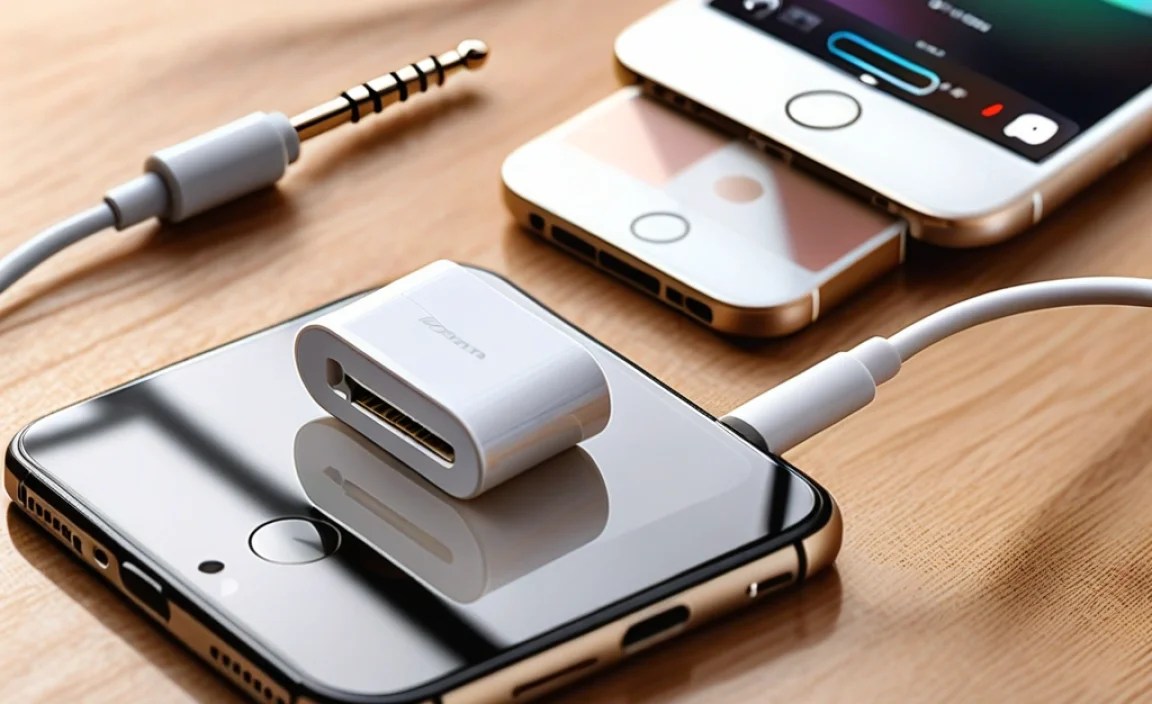
Before we get to adapters, let’s quickly cover what ports you’re likely to find on the iPhone 16. While Apple hasn’t officially confirmed specifications, based on recent iPhone models, we can anticipate these possibilities:
- Lightning Port: This is the primary port for charging and data transfer on most modern iPhones. Crucially, it also carries digital audio signals. Many adapters will plug into this port.
- No 3.5mm Headphone Jack: It’s highly probable that the iPhone 16 will continue this trend and not feature a dedicated 3.5mm headphone jack.
This means any adapter we discuss will likely connect to your iPhone 16’s Lightning port.
Types of Headphone Adapters for iPhone 16

When you head out to buy an adapter, you’ll notice a few key types. They all serve the same basic purpose but have slight differences in how they work and what features they offer.
1. Lightning to 3.5mm Headphone Jack Adapter
This is the most common and straightforward adapter. It plugs into your iPhone 16’s Lightning port and provides a standard 3.5mm female jack where you can plug in your existing wired headphones.
Key Features:
- Simplicity: Plug and play; no software or setup required.
- Wide Compatibility: Works with virtually any headphones that have a 3.5mm plug.
- Portability: Small and easy to carry.
When to Choose This Adapter:
If you have a favorite pair of wired headphones with a 3.5mm plug and just want a simple, reliable way to connect them to your iPhone 16. This is Apple’s official solution (often called the “Lightning to 3.5mm Headphone Jack Adapter”) and various third-party options are available.
2. Lightning EarPods (or Headphones with Integrated Lightning Connector)
While not technically an “adapter,” it’s worth mentioning that headphones designed with a Lightning connector built-in are an alternative. Apple’s own EarPods with a Lightning connector or other brands offering similar products bypass the need for an adapter altogether.
Key Features:
- Direct Connection: No extra adapter needed.
- Potentially Better Integration: Some Lightning headphones may offer features like inline controls that work seamlessly with iOS.
When to Choose This Option:
If you’re in the market for new headphones and prefer a direct, Apple-ecosystem-friendly solution.
3. USB-C to 3.5mm Headphone Adapter (If iPhone 16 Goes USB-C)
There’s a lot of speculation that the iPhone 16 might adopt a USB-C port instead of Lightning, especially given regulatory changes and a move towards universal charging standards. If this happens, you’ll need a USB-C to 3.5mm adapter.
Key Features:
- Future-Proofing: If you also own other USB-C devices (like Android phones or some laptops), this adapter can be versatile.
- Standardized Connector: USB-C is becoming the universal standard for many devices.
When to Choose This Adapter:
If the iPhone 16 adopts a USB-C port. If it retains the Lightning port, this type of adapter will not work. Always check your specific iPhone model’s ports. For more on USB-C adoption in smartphones, you can check resources like the U.S. Congress’s House Bill 1775 which discussed standardization.
What to Look for in a Headphone Adapter

Not all adapters are created equal. Here’s a checklist to help you pick a good one for your iPhone 16:
| Feature | Why It Matters | What to Look For |
|---|---|---|
| DAC (Digital-to-Analog Converter) Quality | This chip converts the digital audio from your iPhone into an analog signal your headphones can use. A good DAC means better sound quality – clearer highs, richer mids, and deeper bass. | Look for adapters that mention having a high-quality DAC. Apple’s official adapter is generally reliable. Some third-party adapters might specify support for higher bitrates or sampling rates. |
| MFi Certification (Made for iPhone/iPad/iPod) | This is Apple’s official seal of approval. MFi certification means the adapter has been tested by Apple and meets their standards for performance, compatibility, and safety. It helps ensure the adapter won’t cause issues with your iPhone or its software updates. | Always look for the “Made for” logo on the packaging or product description. |
| Durability and Build Quality | You’ll be plugging and unplugging this adapter, so it needs to be tough. Cheaply made adapters can fray, bend, or break, rendering them useless and potentially damaging your iPhone’s port. | Opt for adapters with sturdy connectors, reinforced cable joints, and thick but flexible wiring. Metal connectors are often a sign of better build quality. |
| Sound Quality Assurance | Some adapters are better than others at preserving audio fidelity. You don’t want an adapter that muddies your sound or introduces static. | Read reviews specifically mentioning sound quality. Look for adapters that don’t introduce interference or a noticeable drop in volume. |
| Inline Controls Support | If your current headphones have inline controls (play/pause, volume up/down, skip track), ensure the adapter supports these functions. Most MFi-certified adapters do. | Check the product description for compatibility with headphone controls. |
Step-by-Step: Connecting Your Headphones with an Adapter

Connecting your headphones using an adapter is incredibly simple. Here’s how it’s done:
-
Identify Your iPhone 16’s Audio Port
First, locate the primary port on your iPhone 16. As discussed, this will most likely be a Lightning port (or potentially USB-C, though less likely based on historical patterns leading up to a standard iPhone model).
-
Choose the Right Adapter
Based on your iPhone 16’s port and your headphones’ plug, select the appropriate adapter. For most users with standard 3.5mm headphones, this will be a Lightning to 3.5mm adapter (assuming Lightning).
-
Plug the Adapter into Your iPhone
Carefully insert the Lightning (or USB-C) end of the adapter into the corresponding port on your iPhone 16. It should fit snugly.
-
Connect Your Headphones to the Adapter
Now, take the 3.5mm plug from your wired headphones and insert it into the 3.5mm jack on the now-connected adapter. You might feel a slight click as it seats properly.
-
Test Your Audio
Play some music, a podcast, or make a call. Your audio should now be coming through your connected headphones. Test any inline controls on your headphones to ensure they are working as expected.
Troubleshooting Tip: If you don’t hear anything, double-check that both ends of the adapter are securely plugged in. Sometimes unplugging and replugging can resolve connection issues. Also, ensure your iPhone’s volume is turned up!
Troubleshooting Common Adapter Issues
While adapters are generally reliable, you might occasionally run into a hiccup. Here are some common problems and how to fix them:
No Sound or Intermittent Audio
Possible Causes:
- Loose connection at either end.
- Adapter not MFi certified or faulty.
- Software glitch on the iPhone.
- Headphones themselves are damaged.
Solutions:
- Unplug and replug both the adapter into the iPhone and the headphones into the adapter.
- Try a different pair of headphones to rule out headphone issues.
- If possible, try a different, known-good adapter to rule out an adapter fault.
- Restart your iPhone.
- Ensure your iPhone’s operating system (iOS) is up to date. Major updates sometimes address compatibility issues. For information on keeping your iOS updated, Apple’s official support page is a great resource: How to update iOS on your iPhone or iPad.
Static or Poor Sound Quality
Possible Causes:
- Low-quality adapter (bad DAC).
- Damage to the adapter cable or connectors.
- Interference from other electronic devices.
Solutions:
- Ensure you are using an MFi-certified adapter from a reputable brand.
- Inspect the adapter for any visible damage.
- Move away from other electronic devices that might cause interference.
- If using headphones with a high-impedance driver, they might require more power than a simple adapter can provide, leading to lower volume or less dynamic sound.
Inline Controls Not Working
Possible Causes:
- Adapter does not support inline controls.
- Headphones are not designed for inline control compatibility with Lightning/USB-C adapters.
- Software issue.
Solutions:
- Verify the adapter’s specifications state that it supports inline controls. MFi-certified adapters from Apple usually do.
- Test the inline controls on a different device or with a different adapter if possible.
- Ensure your iPhone’s software is updated.
Pros and Cons of Using a Headphone Adapter
Like any tech solution, adapters come with their own set of advantages and disadvantages.
| Pros | Cons |
|---|---|
| Cost-Effective: Cheaper than buying new Bluetooth or Lightning headphones if you already own 3.5mm headphones. | Extra Item to Carry: Another small piece of tech that can be lost or forgotten. |
| Preserves Existing Investment: Allows you to continue using your favorite, high-quality wired headphones. | Potential for Lower Quality: Not all adapters have good DACs, which can impact sound quality. |
| Simplicity: Most are plug-and-play; no charging or pairing required. | Occupies Charging Port: You can’t typically charge your iPhone and listen to wired headphones simultaneously with a basic adapter (unless it has a secondary charging passthrough, which is less common for simple adapters). |
| Wide Compatibility: Works with a vast range of 3.5mm headphones. | Durability Concerns: Cheaper adapters can be fragile and break easily. |
| No Battery Needed: Adapters draw power from the iPhone and don’t need their own charging. | Potential for Loss: Small size makes them easy to misplace. |
Choosing Between Wired and Wireless Audio on iPhone 16
The adapter solution keeps wired audio relevant, but it’s also a good time to consider whether wireless is a better fit for you moving forward.
Wired Audio Advantages:
- Sound Quality: Generally, high-end wired headphones can offer superior audio fidelity compared to many wireless options without significant bandwidth compression.
- No Latency: No delay between audio and video, crucial for gaming or watching videos.
- Reliability: No pairing issues, no Bluetooth dropouts.
- No Battery Worries: Headphones (and adapter) don’t need charging.
Wireless Audio Advantages:
- Freedom of Movement: No cables getting tangled.
- Convenience: Quick to connect and disconnect wirelessly.
- Modern Features: Often include active noise cancellation, smart assistant integration, and advanced app controls.
For more on selecting Bluetooth headphones, you might find resources from organizations like the Federal Communications Commission (FCC), which governs radio frequency devices, helpful for understanding transmission technologies.
Frequently Asked Questions (FAQ)
Q1: Will any headphone adapter work with my iPhone 16?
Not necessarily. It’s highly recommended to use an adapter that is “Made for iPhone” (MFi) certified to ensure full compatibility, performance, and safety. Non-certified adapters might work initially but could cause issues with future iOS updates or have subpar sound quality. Always check for the MFi logo.
Q2: Can I charge my iPhone 16 and listen to headphones at the same time using an adapter?
Most basic Lightning to 3.5mm adapters only have one port and will occupy your iPhone’s charging port, preventing simultaneous charging. However, some dual-port adapters exist that have both a 3.5mm headphone jack and a Lightning port for charging. Alternatively, you could use a charging adapter with an integrated audio jack, if available for the iPhone 16.
Q3: How much should I expect to spend on a headphone adapter for my iPhone 16?
Prices vary. Apple’s official Lightning to 3.5mm adapter typically costs around $9-$10 USD. High-quality MFi-certified third-party adapters can range from $10 to $30 USD, depending on brand and any additional features. Avoid suspiciously cheap adapters, as they are often poorly made and may not work reliably.
Q4: What if my iPhone 16 has a USB-C port, and I have a Lightning adapter?
If your iPhone 16 adopts a USB-C port, your existing Lightning adapters (for charging or audio) will not work. You would need a USB-C to 3.5mm headphone adapter instead. Always confirm the type of port on your specific iPhone model.
Q5: Does using an adapter affect my audio quality?
Yes, it can. The quality of the adapter’s built-in Digital-to-Analog Converter (DAC) plays
