
Protect your Sennheiser headphones with the right case. This guide covers why a case is essential, what features to look for, and how to choose the perfect fit for your beloved audio gear, ensuring they stay safe and sound wherever you go.
Your Sennheiser headphones are more than just a listening device; they’re a gateway to incredible sound, a companion on your commute, and a tool for focus. To keep them performing at their best and looking pristine for years to come, a quality headphone case is an absolute must-have.
Think of it as a shield against the everyday bumps, scratches, and accidental drops that can quickly take their toll. Investing a little in a good case means you’re safeguarding your investment and ensuring those immersive audio experiences remain undisturbed. Let’s explore why and how you can find the perfect home for your Sennheiser headphones.
Why a Headphone Case for Your Sennheiser is Non-Negotiable

Sennheiser headphones, particularly their premium models, are often crafted with delicate materials and intricate components. They are built for exceptional sound, not necessarily for surviving the rodeo of daily life inside a backpack or briefcase. A dedicated headphone case provides a sanctuary, offering several crucial benefits:
- Protection from Physical Damage: This is the primary reason. Cases shield your headphones from crushes, impacts, scratches, dust, and moisture. A falling backpack or an object leaning on your headphones in a bag can cause irreparable damage to drivers and earcups.
- Preservation of Sound Quality: Damage to the earcups or cables can affect sound quality. A case keeps everything secure and in its optimal position, preventing degradation.
- Organization: Many cases have compartments for cables, adapters, and even a music player or phone, keeping your audio essentials tidy and easily accessible. No more tangled wire nightmares!
- Extends Lifespan: By preventing damage and keeping dust and grime out, a good case significantly extends the operational life of your Sennheiser headphones.
- Maintains Resale Value: If you ever decide to upgrade, well-protected headphones will fetch a much better price on the second-hand market.
- Hygiene: Keeping your headphones in a case prevents them from collecting dust, sweat, and other contaminants, which is crucial for both the headphones and your personal hygiene.
Types of Headphone Cases for Sennheiser

When you start looking for a “headphone case for Sennheiser,” you’ll notice a few main categories. Understanding these will help you narrow down your options based on your specific Sennheiser model and how you use them.
Hard-Shell Cases
These are typically made from rigid materials like ABS plastic or polycarbonate, often with a padded interior. They offer the highest level of protection against impacts and crushing forces.
- Pros: Superior impact and crush resistance, excellent protection for travel and rough handling.
- Cons: Can be bulkier and heavier than softer options, might offer less flexibility for oddly shaped headphones.
Soft Padded Cases
These are usually made from fabric (like nylon or polyester) with a layer of foam or other soft padding inside. They provide good protection against scratches and moderate bumps.
- Pros: Lighter and more flexible than hard cases, often more affordable, good for everyday storage and light travel.
- Cons: Offer less protection against significant impacts or being crushed.
Silicone or Rubber Sleeves/Covers
These are more like skins that fit snugly over individual earcups or the entire headphone. They are primarily designed to protect against minor scratches and improve grip.
- Pros: Lightweight, adds grip, minimal bulk, excellent for scratch protection.
- Cons: Offers virtually no protection against impacts or crushing, generally not a standalone solution for robust protection.
Custom-Fit Cases
Some manufacturers offer cases specifically molded for particular Sennheiser models (e.g., for the HD 600 series or Momentum series). These provide a snug fit, ensuring your headphones don’t move around.
- Pros: Perfect fit, secure without unnecessary pressure, optimal use of space.
- Cons: Limited availability, can be more expensive, model-specific.
Universal Cases
These are designed to accommodate a wide range of headphone sizes and styles. They often feature adjustable straps or internal dividers to secure different headphones.
- Pros: Versatile, good if you own multiple headphone brands or models, often more affordable than custom options.
- Cons: May not offer as secure a fit for specific models as a custom case, can sometimes have excess space.
Key Features to Consider in a Sennheiser Headphone Case

When shopping for a headphone case for your Sennheiser, keep these essential features in mind to ensure you get the best protection and usability.
Size and Fit
This is paramount. The case needs to comfortably accommodate your specific Sennheiser model. Measure your headphones (folded dimensions are usually the most important) and compare them to the case’s internal dimensions. A snug fit prevents the headphones from jostling around, which can cause damage.
For over-ear headphones like the Sennheiser HD 599 or HD 6XX series: You’ll need a larger case, often a hard-shell or a spacious soft case that can accommodate the earcups and headband. Look for cases that mention compatibility with large over-ear headphones.
For on-ear or compact foldable headphones like the Sennheiser Momentum Wireless: You might be able to get away with a slightly smaller, perhaps more compact hard-shell or a well-padded soft case. Check if the case can securely hold the folded headphones.
Material and Durability
The exterior material should be robust. For hard cases, look for strong polycarbonate or ABS. For soft cases, durable nylon or ballistic polyester is ideal. The zippers should also be heavy-duty and smooth-operating. The interior padding is crucial – dense foam (like EVA foam) is better than thin fabric lining for shock absorption.
Internal Organization
Does the case have separate compartments or mesh pockets for your cables, adapters, USB drives, or even a small DAP (Digital Audio Player)? This prevents them from scratching the headphone drivers or earpads. Some cases come with removable pouches for added flexibility.
Portability and Carrying Options
How will you carry the case? Most cases come with a sturdy carrying handle. Some might include a carabiner clip, or even a shoulder strap for longer journeys. Consider where you’ll be taking your headphones. If it’s just from your desk to your bag, a simple handle might suffice. If you’re travelling extensively, a more secure carrying option could be beneficial.
Ease of Access
While secure closure is important, you also want to be able to get your headphones in and out without a struggle. Look for cases with easy-to-open zippers or clasps that don’t require excessive force.
Aesthetics and Style
While not as critical as protection, you’ll be using this case often, so it’s good if you like how it looks! Cases come in a wide range of colors and designs, from sleek and minimalist to bold and sporty. Choose one that reflects your personal style.
Choosing the Right Case for Your Sennheiser Model: A Quick Guide
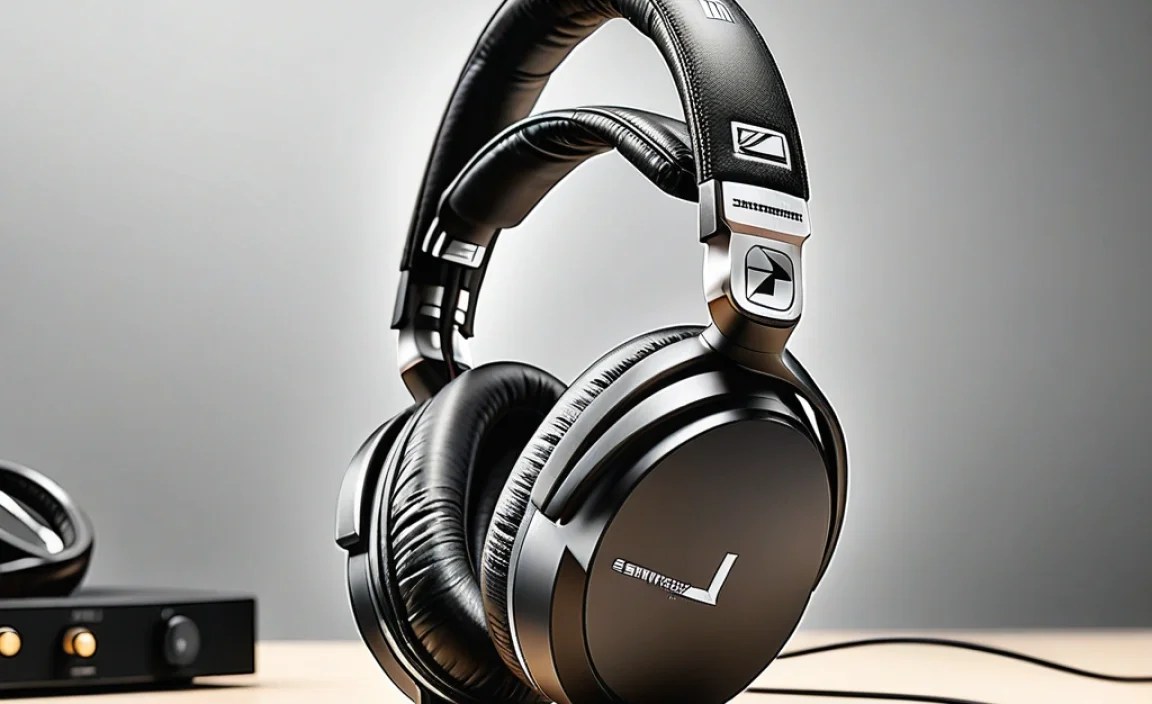
Here’s a simplified approach to finding the right case, categorized by common Sennheiser headphone types.
| Sennheiser Headphone Type | Recommended Case Type | Key Features to Prioritize | Example Models |
|---|---|---|---|
| Large Over-Ear Audiophile Headphones | Rigid Hard-Shell Case or Extra-Large Padded Soft Case | Ample internal space, robust exterior, thick padding, secure fit for earcups and headband, compartment for cables. | HD 600, HD 650, HD 660S, HD 700, HD 800 S |
| Comfortable Over-Ear/Wireless Headphones | Durable Padded Case (Hard or Soft) or Universal Hard-Shell Case | Good balance of protection and portability, accommodates folding if applicable, internal organization for cables/charger, comfortable carrying handle. | Momentum 4 Wireless, Momentum 3 Wireless, HD 560S |
| Compact On-Ear Headphones | Compact Hard-Shell Case or Well-Padded Zippered Pouch | Lightweight, fits folded headphones snugly, protects against minor bumps and scratches, very portable. | Momentum On-Ear Wireless, HD 2.30 |
| Portable/Travel Headphones | Compact and Durable Case (Hard or Soft) | Slim profile, easy to pack, sufficient protection for travel, secure closure. | HD 450BT, HD 350BT |
Popular Sennheiser Headphone Case Options (Examples)
While specific models can vary, here are some popular types of cases that work well for Sennheiser headphones. Always cross-reference with your exact headphone dimensions.
- Geekcase / SONY SRS-XB43 Compatible Case: Often these are generic hard cases designed for larger Bluetooth speakers, but their internal dimensions can be surprisingly suited for larger Sennheiser over-ear headphones. Look for models with ample depth and width.
- Avantree Premium Neoprene Carrying Case: A good example of a well-padded, flexible soft case that offers decent protection against scratches and minor knocks for many over-ear and on-ear headphones.
- CaseFlex Universal Hard Case: Many generic universal hard cases exist. These often have a molded interior that can be adapted to fit headphones by strategically placing the headband and earcups.
- Specific Sennheiser Accessories: Sennheiser sometimes offers its own branded carrying pouches or cases for particular product lines, especially their portable wireless models. Checking Sennheiser’s official accessories page is a good starting point.
- DIY Solutions (with caution): For very budget-conscious individuals, a sturdy makeup case or a padded laptop sleeve might offer some minimal protection. However, these are not ideal for long-term safety.
Important Note on Power Cables and Adapters: If your Sennheiser headphones come with multiple cables, or if you use a USB-C charging cable and adapter, ensure the case has enough space to store these without cramming. Loose cables can tangle and potentially damage the headphone jack or the earpads.
How to Properly Store Your Sennheiser Headphones in Their Case
Once you have the perfect case, how you use it matters. Proper storage ensures maximum protection.
- Clean Your Headphones First: Before placing your headphones in the case, it’s a good practice to gently wipe them down with a soft, dry microfiber cloth. This removes dust, oils, and sweat, keeping both your headphones and the case interior clean.
- Fold or Disassemble (if applicable): Many Sennheiser headphones are designed to fold. Fold them according to their design. For some audiophile models, detaching the cable first might be advisable to prevent strain on the connector.
- Position Them Correctly: Place the headphones inside the case ensuring the earcups and headband are supported by the padding. Avoid forcing them into a position that feels unnatural or strains any part of the headphone. If your case has custom cutouts, use them.
- Organize Accessories: Place cables, adapters, and any other accessories in their designated compartments or pouches. Ensure they are not pressing against the headphone drivers or earpads.
- Secure the Case: Close the zippers or latches of the case securely. If the case has a buckle or strap, ensure it’s fastened.
- Store the Case Safely: Even when in the case, avoid placing heavy objects on top of it or storing it in extreme temperatures (hot cars, damp basements).
Sennheiser Headphone Case Maintenance
Your headphone case, like your headphones, needs a little care to serve you well.
- Regular Cleaning: Periodically wipe the exterior and interior of the case with a damp cloth. For fabric cases, mild soap and water can be used, but ensure it dries thoroughly before storing your headphones.
- Zipper Care: If zippers become stiff, a little graphite pencil lead or a silicone-based lubricant can help. Avoid excessive force on zippers.
- Deep Cleaning (Soft Cases): Check the case manufacturer’s instructions. Some fabric cases can be hand-washed or even machine-washed on a delicate cycle (ensure it’s completely dry before re-use). UV exposure can also help sanitize.
- Inspect for Damage: Regularly check the case for tears, worn zippers, or damaged padding. Replace the case if it’s no longer providing adequate protection.
.external-link {
color: #0056b3; / A common link color /
text-decoration: underline;
}
.external-link:hover {
color: #003d80;
}
For more information on how to care for your audio equipment, including best practices for handling and storage, the Colorado Technical University’s Consumer Electronics Guide provides valuable, general advice applicable to many electronic devices, including high-fidelity headphones.
Frequently Asked Questions (FAQ)
Q1: Do I really need a headphone case for my Sennheiser headphones?
A1: Yes, absolutely! Even for casual use, headphones are susceptible to bumps, scratches, dust, and moisture. A case provides essential protection, extending their lifespan and maintaining their sound quality. It’s a small investment for safeguarding a significant purchase.
Q2: How do I choose the right size case for my Sennheiser?
A2: Measure your headphones, especially their dimensions when folded. Compare these measurements to the internal dimensions listed for the case. Aim for a snug fit without being overly tight, ensuring there’s enough padding around the earcups and headband.
Q3: Can I use a generic hard case, or do I need one specifically for Sennheiser?
A3: A high-quality generic hard case can work perfectly well, provided it’s the right size and offers sufficient padding. Many universal cases are designed to accommodate a wide range of headphone shapes and sizes. The key is protection and fit, not necessarily a brand label.
Q4: What are the best materials for a headphone case?
A4: For hard cases, durable materials like ABS plastic or polycarbonate are excellent. For soft cases, tightly woven nylon or ballistic polyester are good choices. Inside, dense foam (like EVA foam) offers the best shock absorption. Ensure zippers are robust and smooth.
Q5: Will a case protect my Sennheiser headphones from water damage?
A5: Most standard headphone cases offer protection against splashes and light moisture. However, they are generally not waterproof. If you anticipate exposure to heavy rain or submersion, a dedicated waterproof bag or container would be necessary in addition to the case.
Q6: How much should I expect to spend on a good headphone case?
A6: Prices vary widely. Basic padded pouches might cost $10-$20, while robust hard-shell cases designed for larger headphones could range from $25 to $60 or more, depending on the brand and features. For premium headphones, investing in a case in the $30-$50 range is often a good balance of protection and value.
Q7: Can a headphone case help with cable management?
A7: Yes, many cases include internal mesh pockets or elastic straps specifically designed to store cables, adapters, and other accessories neatly. This prevents tangles and keeps everything organized within the case.
Conclusion
Your Sennheiser headphones are an investment in your listening pleasure, and protecting them shouldn’t be an afterthought. A well-chosen headphone case is an essential accessory that provides peace of mind, safeguards against damage, and helps maintain their pristine condition and optimal performance over time.
Whether you opt for a rugged hard-shell case for frequent travel or a sleek, padded pouch for daily commutes, the right case ensures your Sennheiser headphones remain your trusted audio companions for years to come. Take the time to consider your headphone model, your lifestyle, and the features that matter most. By selecting a quality case and following simple storage and maintenance tips, you’re making a smart choice that preserves the integrity and enjoyment of your treasured audio gear. Happy listening, and happy travels!
