
Quick Summary: Choosing the right DJ headphones is crucial for seamless mixing. This guide breaks down essential features like sound isolation, driver size, comfort, and durability, helping beginners find reliable headphones that enhance their performance and protect their hearing. Learn what to look for and how to make a smart choice for your DJ journey.
Headphones for DJing: Your Essential Beginner’s Guide
Hey everyone, Edward Cavitt here from Headphone Horizon! If you’ve ever dreamed of spinning tracks and controlling the vibe at a party, you know that great sound is everything. But when you’re starting out as a DJ, the sheer variety of headphones can feel a little overwhelming. Don’t worry! In this guide, I’m going to cut through the noise and show you exactly what makes a headphone “DJ-ready.” We’ll cover the key features, what they mean for your mixes, and how to pick a pair that will be your trusty sidekick on the decks. Get ready to tune in to great sound and a smoother DJ experience!
Why Are DJ Headphones Different?
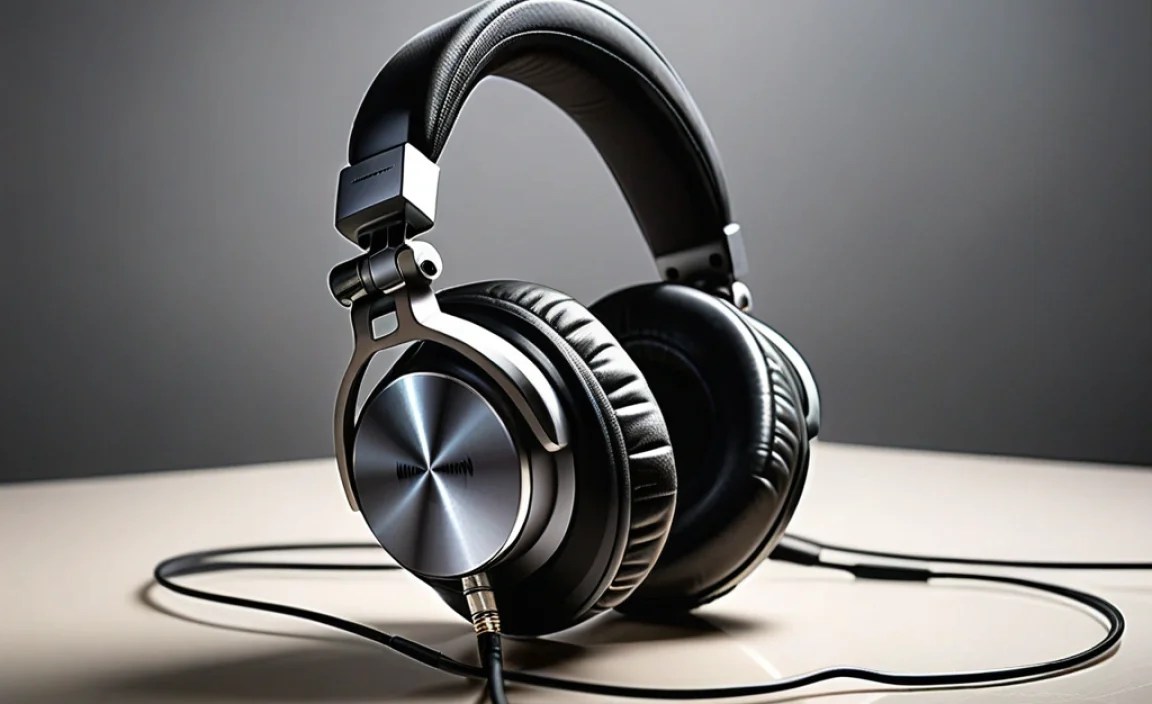
You might be wondering, “Can’t I just use any old headphones to DJ?” While you can, dedicated DJ headphones are built with specific needs in mind that regular consumer headphones just don’t address. Imagine trying to mix two songs together in a noisy club with earbuds that keep falling out and have thin, tinny sound. It’s not going to be a pleasant experience, right?
DJ headphones are engineered to handle the unique demands of mixing in loud environments, providing clarity, durability, and the ability to isolate sound precisely. They’re your essential tool for cueing up your next track, monitoring your mix in real-time, and ensuring your audience hears a seamless transition. Let’s dive into what makes them special.
Key Features to Look For in DJ Headphones

When you’re browsing for your first pair of DJ headphones, keep these essential features in mind. They are the building blocks of a great mixing experience.
1. Sound Isolation: Tuning Out the World
This is perhaps the most critical feature for DJ headphones. Sound isolation refers to how well the headphones can block out external noise, allowing you to clearly hear your master output and the track you’re about to cue up. In a club or at a party, the music from the main speakers is loud. Without good isolation, you’ll be struggling to hear what’s going on in your headphones, making it impossible to mix accurately.
There are two main types of sound isolation:
- Passive Isolation: This is achieved through the physical design of the headphones. Over-ear designs (circumaural) with thick, plush earcups that seal tightly around your ears offer the best passive isolation.
- Active Noise Cancellation (ANC): While common in consumer headphones, ANC uses microphones to actively cancel out ambient noise. However, for DJing, passive isolation is generally preferred. ANC can sometimes introduce a slight delay (latency) that can interfere with precise mixing, and it can also alter the sound profile in ways that aren’t ideal for monitoring.
Pro Tip: Look for headphones with large, comfortable earcups that fully enclose your ear. When you put them on, they should create a noticeable seal.
2. Sound Quality & Frequency Response: Hearing Every Detail
As a DJ, you need to hear your music accurately. This means headphones with a relatively “flat” or neutral frequency response. What does that mean? It means they reproduce the sound across the entire audible spectrum (low bass, mid-range, and high treble) without unnaturally boosting or cutting certain frequencies. Consumer headphones often have a “V-shaped” response, where bass and treble are boosted for a more exciting listening experience. This isn’t ideal for DJing because it can mask details in the mid-range frequencies where vocals and key melodic elements reside.
You want headphones that allow you to hear:
- The rumble of the bassline
- The clarity of vocals
- The intricacies of percussion
- Any potential clipping or distortion
While a perfectly flat response is rare, aim for headphones described as having a natural, balanced, or accurate sound reproduction.
3. Durability: Built to Last
DJ headphones are often put through their paces. They might be taken on and off your head multiple times during a set, cables can get tugged, and they might get tossed into a bag after a gig. Therefore, durability is paramount. Look for headphones made with robust materials like strong plastics, metal hinges, and durable headbands. Replaceable earcups and cables are also a huge plus, as these are common points of wear and tear.
Manufacturers often highlight the materials used and the build quality. Reviews can be very helpful here, as other DJs will often speak to how well a pair holds up over time.
4. Comfort: For Those Long Sets
You might be wearing your headphones for hours at a time, whether you’re practicing at home, at a gig, or even just listening to music. Comfort is key to avoiding fatigue and staying focused. Look for:
- Ample Padding: Soft, breathable earpads make a big difference. Memory foam is a popular choice for comfort.
- Adjustable Headband: Ensure the headband can be adjusted to fit your head size securely but without excessive pressure.
- Weight: Lighter headphones generally feel more comfortable for extended wear.
- Swiveling Earcups: Many DJ headphones feature earcups that can swivel or pivot. This is great for resting one ear while still monitoring the mix, a common DJ technique.
5. Driver Size: The Heart of the Sound
The driver is the component inside the headphone earcup that actually produces the sound. For DJing, larger drivers are generally preferred. They can handle more power, produce a wider frequency range, and often deliver more impactful bass without distortion.
Common driver sizes for DJ headphones range from:
- 40mm: A good starting point, often found in more budget-friendly options.
- 50mm or larger: These are excellent for DJing, providing a fuller sound, better bass response, and higher volume handling capabilities.
While driver size is important, it’s not the only factor. The quality of the driver and the headphone’s acoustic design also play a significant role.
6. Impedance and Sensitivity: Powering Your Sound
These terms might sound technical, but they’re important for understanding how your headphones will perform with your DJ equipment.
- Impedance (measured in Ohms, Ω): This refers to the resistance to electrical current. Higher impedance headphones require more power to reach a certain volume. For DJing, headphones with an impedance between 32Ω and 64Ω are common. Higher impedance (like 64Ω or more) headphones might be better suited for high-output mixers and more powerful amplifiers, potentially offering better sound quality and headroom, but they might not get as loud with lower-powered devices. Lower impedance (32Ω) headphones are generally easier to drive and will get louder with most devices, making them versatile.
- Sensitivity (measured in dB/mW or dB/V): This indicates how loud the headphones can get for a given amount of power. Higher sensitivity means they’ll get louder more easily.
For beginners, a good balance is key. Most DJ headphones are designed to work well with standard DJ mixers and controllers, but it’s worth checking the specifications if you have particularly powerful or low-output gear.
7. Cable Type and Length: Staying Connected
The cable is your lifeline to the audio source. For DJing, you’ll want:
- Durability: A thick, reinforced cable that can withstand abuse.
- Coiled or Straight: Coiled cables are popular because they can extend when you move but retract to avoid getting tangled. Straight cables are simpler but can be more prone to getting in the way.
- Length: A cable that’s 3 meters (around 9-10 feet) or longer is usually ideal for giving you enough freedom to move around your DJ setup.
- Detachable: A detachable cable is a huge advantage. If the cable gets damaged, you can simply unplug it and replace it, rather than needing to buy a whole new pair of headphones.
- Screw-on Adapter: Some cables come with a 1/4-inch (6.35mm) jack adapter that screws onto the 1/8-inch (3.5mm) plug. This is essential for connecting to professional audio equipment which almost exclusively uses the larger jack.
Types of DJ Headphones

While most DJ headphones are over-ear, there are some distinctions:
Over-Ear (Circumaural) Headphones
These are the most common and recommended type for DJing. The earcups completely surround your ears, providing excellent passive sound isolation and comfort for long sessions. They tend to have larger drivers and a more robust build.
On-Ear (Supra-aural) Headphones
These sit directly on your ears. They offer less sound isolation than over-ear models and can become uncomfortable after extended wear due to pressure on the ears. They are generally not the first choice for serious DJing.
In-Ear Monitors (IEMs)
While some DJs use IEMs, they are typically used by performers on stage for monitoring. For traditional mixing on a booth, over-ear headphones are usually preferred for their isolation and overall sound delivery. High-end IEMs can offer excellent sound quality and isolation, but they require a perfect fit in the ear canal for optimal performance and can be expensive.
Putting It All Together: Choosing Your First Pair

Now that you know what to look for, how do you make the actual decision? Here’s a step-by-step approach:
Step 1: Set Your Budget
DJ headphones can range from under $50 to several hundred dollars. As a beginner, you don’t need the most expensive pair. Aim for the best quality you can afford in the $70-$150 range. This will typically get you a solid, durable pair with good sound and isolation.
Step 2: Prioritize Key Features
Based on what we’ve discussed, decide what’s most important for your initial needs:
- Must-Haves: Excellent sound isolation, comfortable fit, decent durability.
- Nice-to-Haves: Detachable cable, swiveling earcups, larger drivers.
Step 3: Read Reviews (From DJs!)
Once you’ve narrowed down your options, do some research. Look for reviews specifically from DJs, not just general tech reviewers. Websites and forums dedicated to DJing are excellent resources. Pay attention to comments on:
- Sound quality in loud environments
- Comfort during long sets
- Longevity and how they hold up over time
- Cable durability and connectivity
Trusted online music technology retailers and audio enthusiast websites also provide detailed reviews and specifications.
Step 4: Consider Brands Known for DJ Gear
Certain brands have a long-standing reputation in the DJ world for producing reliable equipment. Some popular and well-regarded brands include:
- Audio-Technica: Their ATH-M series (especially the M40x and M50x) are legendary for their balance of price, performance, and durability.
- Sennheiser: Known for their excellent sound fidelity and build quality. The HD series is a common sight in professional settings.
- Pioneer DJ: A powerhouse in DJ equipment, their headphones are designed with DJs in mind and are widely used.
- AKG: Offer great clarity and comfort, with models like the K-series being popular.
- Reloop: A more budget-friendly option that often punches above its weight in terms of features and durability for beginners.
Step 5: Try Them On (If Possible)
If you can visit a local music store, try to test out a few different headphones. See how they feel on your head and ears. Even a few minutes can tell you a lot about comfort and perceived build quality.
Recommended Beginner DJ Headphones (Examples)
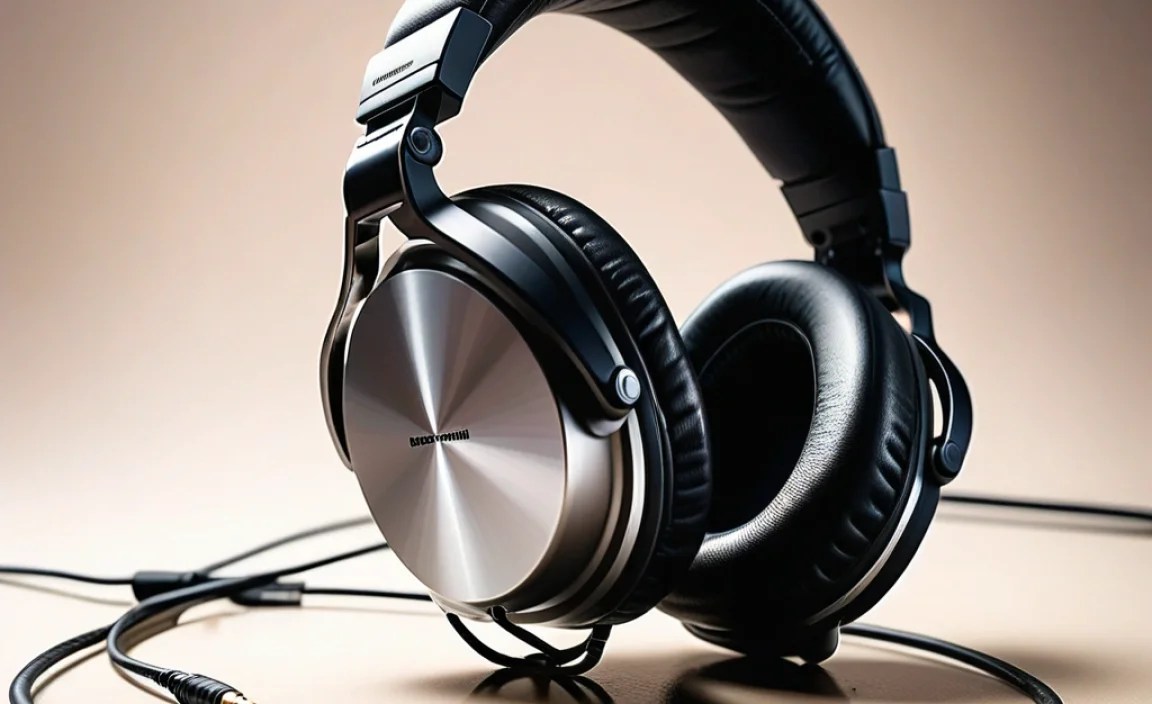
To give you a concrete starting point, here are a couple of popular choices that fit well for beginners:
| Model | Key Features | Pros | Cons |
|---|---|---|---|
| Audio-Technica ATH-M40x | 40mm drivers, 35Ω impedance, detachable coiled & straight cables, 95% sound isolation, comfortable over-ear design. | Excellent neutral sound, very durable, great value, versatile for other audio work too. | Can feel a bit tight on the head initially for some users; sound is very neutral, which might seem less exciting than bass-heavy headphones at first. |
| Pioneer DJ HDJ-CUE1 | 50mm drivers, 32Ω impedance, swivel earcups, robust build, designed for DJing. | Good bass response, comfortable for long periods, built tough for mobile DJs, beginner-friendly price. | Slightly less detailed sound overall compared to higher-end models; sound isolation is good, but not class-leading. |
| Sennheiser HD 25 Plus | 40mm drivers, 70Ω impedance (often comes with a 600Ω version too), extremely durable, excellent sound clarity, pivoting earcups, single-sided cable. | Legendary for durability and sound, fantastic for isolating specific frequencies, lightweight and comfortable for many. | On-ear design (can be less isolating than over-ear for some), can be pricier, braided cable (while durable) can be less flexible for some beginners. |
Remember, these are just examples, and many other great options are available. The best headphone is the one that fits your needs and budget!
Maintaining Your DJ Headphones
Once you’ve invested in a good pair, taking care of them is crucial for their longevity. Here are some simple maintenance tips:
1. Cable Care
- Avoid aggressively pulling or yanking the cable.
- When coiling, use gentle loops rather than tight, sharp bends.
- If you have a detachable cable, disconnect and reconnect it carefully.
- Store coiled cables loosely to prevent kinks.
2. Earcup and Headband Hygiene
- Wipe down earcups and the headband periodically with a soft, dry cloth.
- For tougher grime, use a slightly damp cloth (water only, or a mild soap solution if specified by the manufacturer for your earcup material) and ensure they are completely dry before use.
- If your earcups are removable (many are!), you can often wash them gently with mild soap and water and let them air dry thoroughly. Check your headphone manual.
3. Storage
When not in use, store your headphones in a case or a protective pouch. Avoid leaving them where they can be crushed, exposed to excessive heat, or come into contact with liquids or dust.
4. Protect from Moisture
Sweat can degrade earpads and internal components over time. If you sweat a lot, consider using sweat covers for your earcups, or wipe them down immediately after use. Never submerge your headphones in water.
5. Be Mindful of Volume
While DJ headphones are built to handle volume, prolonged exposure to extremely high levels can damage your hearing and the headphones themselves. Lowering the volume when not actively cueing or monitoring can extend their life and protect your ears. Visit NIDCD’s guide on noise-induced hearing loss to learn more about safe listening levels.
Common Beginner DJ Headphone FAQs
Q1: Do I need to “burn-in” my DJ headphones?
The concept of “burn-in” or “break-in” for headphones is debated. While some users report subtle changes in sound after a period of use (sometimes attributed to materials like the diaphragm becoming more pliable), significant sonic transformations are unlikely. For DJing, the most important factor is how they sound and perform out of the box for your specific needs. Don’t stress too much about it; just start using them!
Q2: How loud should I set my headphones when DJing?
You should set your headphone volume just loud enough to clearly hear the cue track over the main music. The goal is to isolate and prepare the next track without overdriving your ears or the headphones. If you have to crank them to the absolute maximum to hear, your headphones might not be isolating well enough, or your main audio might be too quiet. Always prioritize safe listening levels.
Q3: My headphones are uncomfortable. What can I do?
Comfort is highly personal. If they’re new, they might need a
